The Everest region is one of the world's most iconic trekking destinations, attracting thousands of adventurers every year. While the breathtaking Himalayan scenery offers an escape from modern city life, many trekkers still need to stay connected with family, friends, work, or social media during their journey.
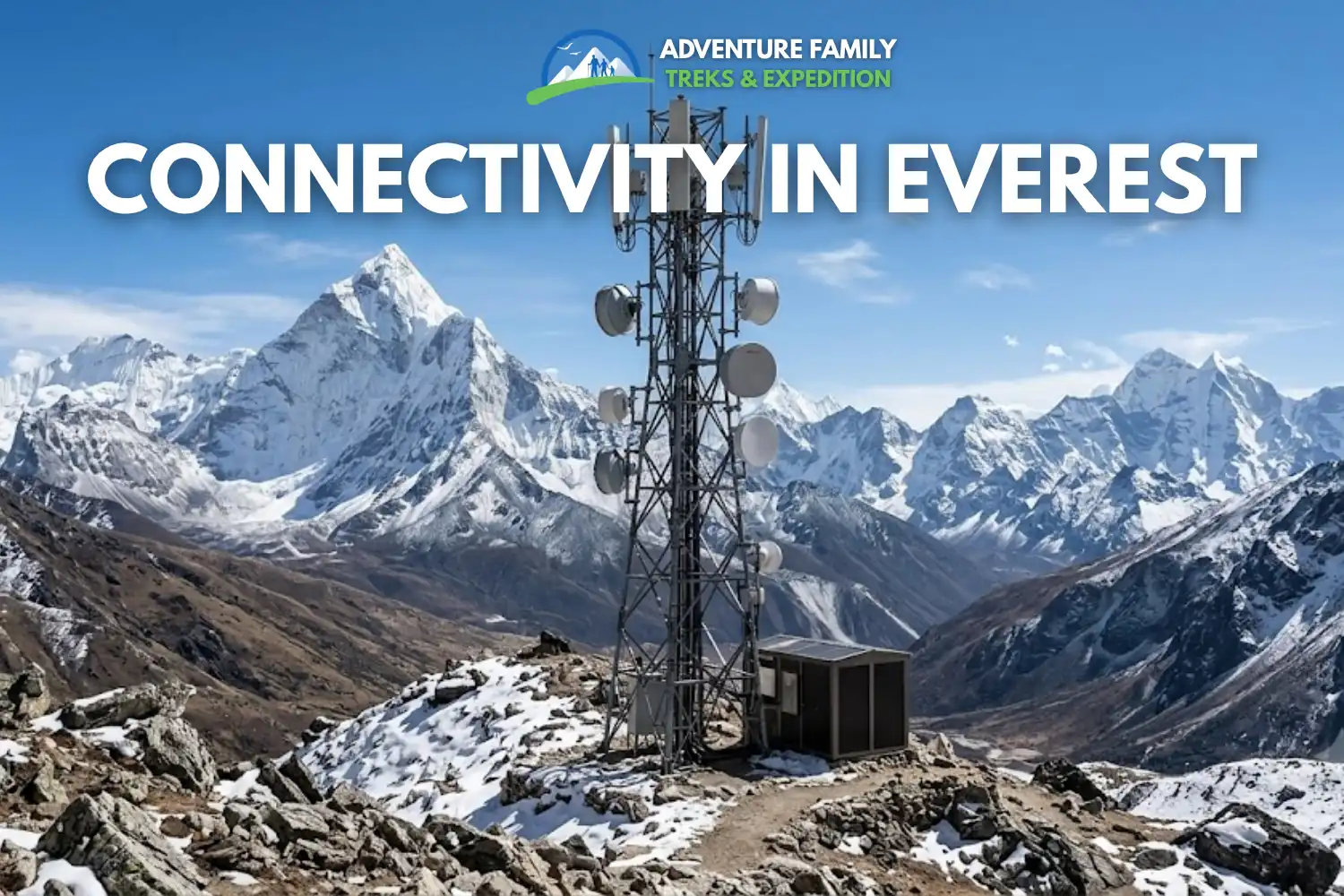
Fortunately, connectivity in the Everest region has improved significantly over the past decade. Mobile phone coverage now reaches many villages, internet services are available in most tea houses, and dedicated trekking Wi-Fi services allow visitors to access the internet even at high altitudes.
However, internet speed, mobile coverage, and reliability vary depending on your location and weather conditions. Understanding the available connectivity options before starting your Everest trek can help you stay connected while enjoying the adventure.
Is There Mobile Network Coverage in the Everest Region?
Yes. Most popular trekking routes in the Everest region have mobile network coverage, although signal strength varies with altitude and location.
The two primary mobile service providers in Nepal are Nepal Telecom (NTC) and Ncell. Among these, Nepal Telecom generally provides better coverage throughout the Everest region, especially at higher elevations.
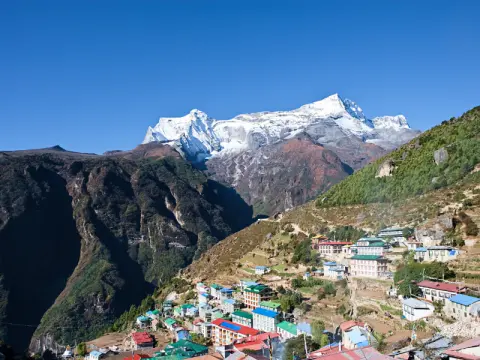
Trekkers can usually access mobile networks in villages such as Lukla, Phakding, Namche Bazaar, Khumjung, Tengboche, Pangboche, Dingboche, Lobuche, and Gorak Shep. However, signal quality may weaken in narrow valleys, remote sections of the trail, or during adverse weather.
As you gain elevation, the network becomes less stable, and occasional outages are common.
Nepal Telecom operates one of the most reliable communication networks in the Khumbu region.
Its 4G and 3G services are available in many lower-altitude villages, while 2G coverage extends into more remote areas. Many trekkers find Nepal Telecom to be the preferred choice for Everest Base Camp and Gokyo Valley treks.
A prepaid Nepal Telecom SIM card can be purchased in Kathmandu after presenting a passport and passport-sized photograph. Tourist SIM cards are affordable and include options for voice calls, SMS, and mobile data.
Ncell Coverage
Ncell also provides coverage along portions of the Everest trekking route.
The network performs well in lower elevations such as Kathmandu, Lukla, and Namche Bazaar but becomes less reliable at higher altitudes compared to Nepal Telecom.
Trekkers who already use Ncell in Nepal may still find it useful, but those prioritizing coverage in remote areas generally choose Nepal Telecom.
Wi-Fi in the Everest Region
Wi-Fi is available in most tea houses, lodges, and hotels throughout the Everest region.
Almost every major village offers internet access, although connection quality depends on location, weather, and the number of users connected simultaneously.
Unlike city internet, mountain Wi-Fi is often slower because data is transmitted through satellite or wireless relay systems.
Most lodges charge a separate fee for Wi-Fi access, especially above Namche Bazaar.
Everest Link: The Most Popular Internet Service
Everest Link is the primary internet provider in the Everest region.
This dedicated wireless network serves many villages along the Everest Base Camp Trek, including Lukla, Phakding, Namche Bazaar, Tengboche, Dingboche, Lobuche, Gorak Shep, and nearby settlements.
Trekkers can purchase internet data packages that work across the Everest Link network. Once connected, the service can be used at multiple locations within the coverage area without purchasing a new password at every lodge.
Although speeds are generally sufficient for messaging, emails, browsing, and uploading photos, streaming videos or making long video calls may be difficult during busy periods.
Can You Make Phone Calls During the Trek?
Yes. Mobile phone calls are possible in many parts of the Everest region using Nepal Telecom or Ncell.
Where mobile coverage is unavailable, some tea houses offer satellite phone services for emergencies. These services are considerably more expensive than regular mobile calls but provide an important communication option in remote locations.
Internet-based calling applications such as WhatsApp, Messenger, and Viber can also be used whenever a stable Wi-Fi connection is available.
Internet Speed in the Everest Region
Internet speeds vary considerably depending on altitude, weather, and the number of connected users.
Lower villages such as Lukla and Namche Bazaar generally offer the fastest connections. Higher locations including Lobuche, Gorak Shep, and Everest Base Camp often experience slower speeds due to challenging terrain and increased demand.
Simple activities such as checking emails, sending messages, browsing websites, and uploading photos usually work well. Large file downloads, cloud backups, and high-definition video streaming may be unreliable.
Charging Your Electronic Devices
Most tea houses provide charging facilities for smartphones, cameras, power banks, laptops, and other electronic devices.
Charging is often complimentary in lower elevations but usually requires an additional fee as you move higher into the mountains.
Electricity is supplied through hydropower in lower villages and solar energy in many higher settlements.
Carrying a high-capacity power bank is strongly recommended, particularly if you plan to use your phone frequently for navigation, photography, or internet access.
Tips for Staying Connected During Your Everest Trek
Purchase a Nepal Telecom SIM card before leaving Kathmandu for the best overall mobile coverage.
Download offline maps such as Google Maps or Maps.me before starting the trek in case internet access becomes unavailable.
Inform family members that communication may be limited during certain sections of the trek due to weather or network interruptions.
Carry a fully charged power bank and charging cables, as electricity can be expensive and occasionally unavailable.
Limit unnecessary background applications on your phone to conserve battery life at high altitude, where cold temperatures reduce battery performance.
Digital Connectivity for Remote Workers
Some travelers combine trekking with remote work, especially during acclimatization days in Namche Bazaar or Dingboche.
Although internet access has improved, the Everest region should not be considered a reliable destination for continuous online work. Weather conditions, network congestion, and occasional outages can interrupt important meetings or large file transfers.
If remote work is essential, plan important tasks while staying in Kathmandu before or after your trek.
Emergency Communication
Communication is especially important during emergencies.
Licensed trekking guides carry communication devices and know the appropriate emergency procedures if evacuation becomes necessary. Helicopter rescue coordination is generally handled through local agencies using mobile networks, satellite communication, or radio systems.
Travel insurance that covers high-altitude helicopter evacuation is strongly recommended for all Everest trekkers.
Best Places for Reliable Connectivity
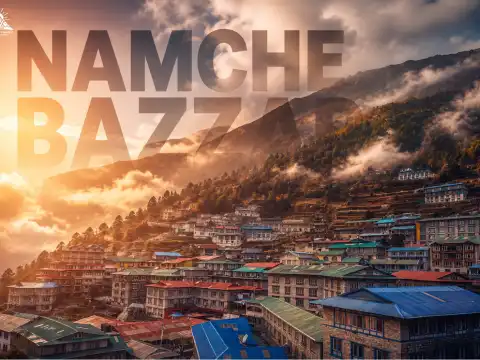
Among the villages in the Everest region, Namche Bazaar offers the most reliable internet and mobile connectivity. Lukla also has relatively strong network coverage due to its role as the main gateway to the region.
Connectivity remains good in Phakding and Tengboche but gradually becomes less reliable beyond Dingboche. While Wi-Fi and mobile signals are still available in Lobuche and Gorak Shep, speeds tend to decrease and interruptions become more frequent.
Everest Base Camp itself has limited connectivity, and users should not expect the same internet quality available in lower elevations.
Conclusion
Staying connected in the Everest region is much easier today than it was just a few years ago. Thanks to expanding mobile networks, Everest Link Wi-Fi, and improved telecommunications infrastructure, trekkers can communicate with family, share their adventures, and access important information throughout much of the journey.
Although connectivity becomes less reliable at higher elevations, careful planning, the right SIM card, and realistic expectations will help you stay connected while experiencing one of the world's greatest trekking destinations. By preparing in advance, you can enjoy the perfect balance between Himalayan adventure and modern communication during your Everest trek.
Frequently Asked Question
Is there internet in the Everest region?
Yes. Most villages along the Everest trekking routes have internet access through tea house Wi-Fi and the Everest Link network, although speed and reliability vary by location.
Which SIM card works best in the Everest region?
Nepal Telecom (NTC) generally offers the best mobile coverage throughout the Everest region, especially on the Everest Base Camp Trek.
Is Wi-Fi free during the Everest Base Camp Trek?
In most tea houses, Wi-Fi is a paid service. The cost usually increases as you trek to higher elevations.
Can I use WhatsApp or Messenger during the trek?
Yes. Messaging and voice calls through apps like WhatsApp, Messenger, and Viber are possible when you have a stable Wi-Fi or mobile data connection.
Where is the best internet connection on the Everest trek?
Namche Bazaar typically offers the fastest and most reliable internet, followed by Lukla. Higher-altitude villages generally have slower connections.
Should I buy an Everest Link internet package?
If you plan to stay connected throughout the trek, purchasing an Everest Link data package is often more convenient than paying for separate Wi-Fi access at each lodge.
Can I charge my phone and camera during the trek?
Yes. Most tea houses provide charging facilities, usually for an additional fee at higher elevations. Carrying a power bank is highly recommended.
Does mobile coverage reach Everest Base Camp?
Mobile coverage may be available in some areas near Everest Base Camp, but it can be weak and unreliable depending on weather and network conditions. Wi-Fi is often the more dependable option where available.