The Everest region is one of the world's most sought-after trekking destinations, attracting thousands of adventurers every year. From the iconic Everest Base Camp Trek to the scenic Gokyo Lakes Trek and the challenging Everest Three Passes Trek, every trail offers breathtaking Himalayan landscapes and unforgettable experiences.
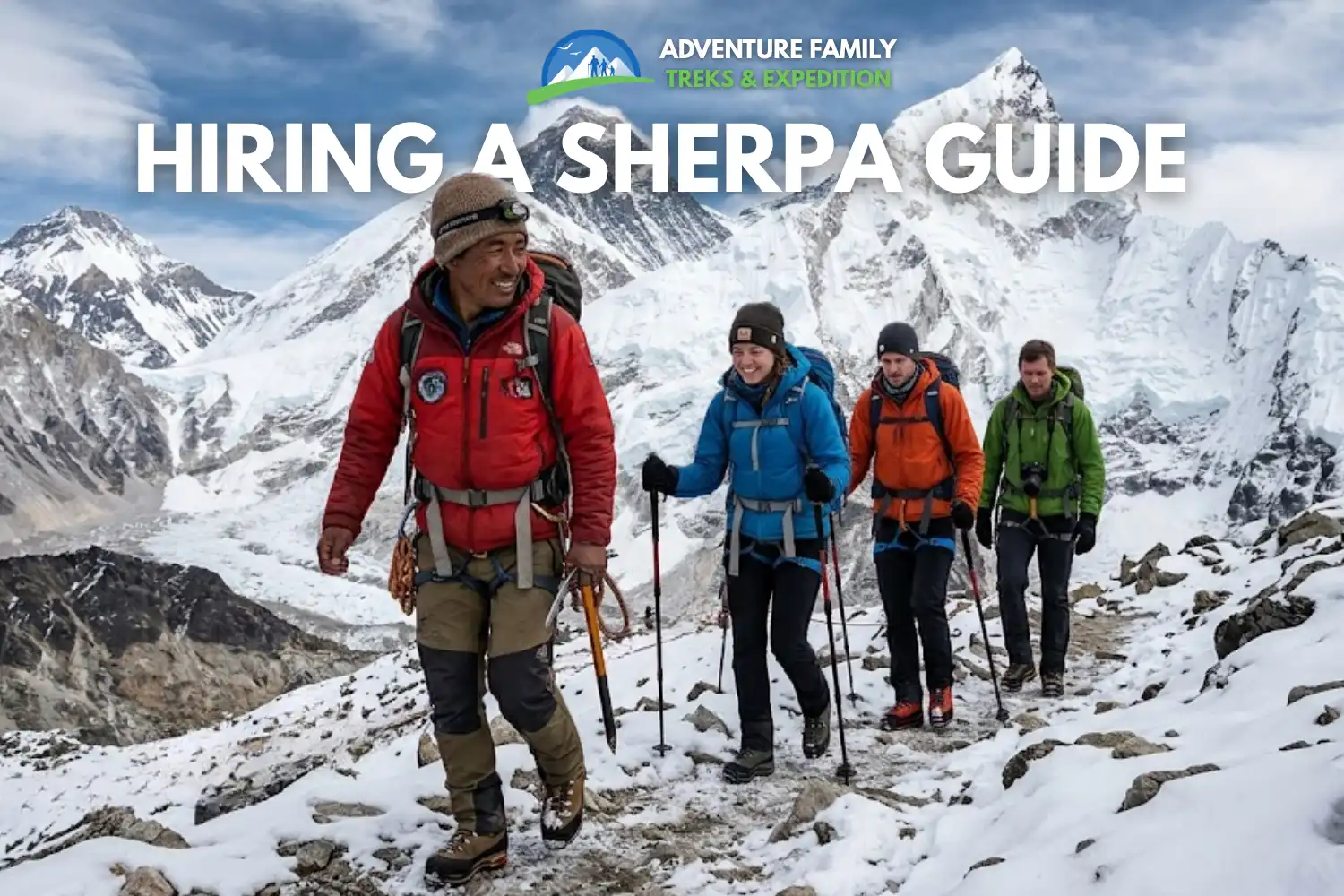
While some trekkers dream of exploring the Khumbu region independently, hiring a professional trekking guide can significantly enhance both your safety and your overall experience. An experienced guide does much more than lead the way—they provide local knowledge, help with altitude management, coordinate logistics, introduce you to Sherpa culture, and offer assistance during unexpected situations.
Whether you are trekking for the first time or returning to the Everest region, hiring a licensed guide can make your journey smoother, safer, and far more rewarding.
Understanding the Everest Region
The Everest region is a high-altitude environment where weather conditions, terrain, and altitude can change rapidly. Most trekking routes pass through remote mountain villages, suspension bridges, alpine forests, glaciers, and rugged Himalayan landscapes before reaching elevations above 5,000 meters.
Popular trekking routes include Everest Base Camp, Gokyo Lakes, Everest Three Passes, and shorter treks around Namche Bazaar and Tengboche. Each trail requires careful planning, proper acclimatization, and awareness of mountain conditions.
Although the trails are generally well established, navigating safely at high altitude requires experience and local knowledge.
Safety Is the Biggest Advantage
Safety is one of the primary reasons to hire a trekking guide in the Everest region.
High-altitude trekking presents challenges that many first-time visitors underestimate. Weather can change within minutes, trails may become icy or snow-covered, and altitude sickness can affect even the fittest trekkers.
A licensed guide monitors your physical condition throughout the journey and can recognize early signs of Acute Mountain Sickness (AMS). If symptoms appear, your guide can recommend additional acclimatization, adjust the itinerary, or arrange a safe descent before the condition becomes serious.
In emergencies, guides know evacuation procedures, helicopter rescue protocols, and the fastest routes to medical assistance.
Their experience can make a critical difference when trekking in remote Himalayan terrain.
Expert Navigation
Although the Everest trekking routes are popular, there are many side trails, alternative paths, and seasonal route changes that can confuse independent trekkers.
A local guide understands the terrain and selects the safest and most suitable route based on weather conditions, trail conditions, and your fitness level.
This reduces the chances of getting lost and allows you to focus on enjoying the journey instead of constantly checking maps or GPS devices.
Better Acclimatization Planning
Proper acclimatization is essential for successful high-altitude trekking.
Experienced guides carefully manage the pace of the trek, recommend rest days, encourage adequate hydration, and ensure gradual altitude gain.
Rather than rushing toward Everest Base Camp, guides help trekkers adapt naturally to higher elevations, reducing the risk of altitude-related illnesses.
This thoughtful approach often improves both safety and overall enjoyment of the trek.
Local Knowledge and Cultural Insights
The Everest region is not only famous for its mountains but also for its rich Sherpa heritage.
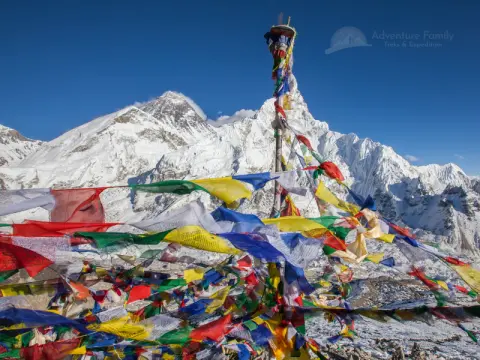
A local guide shares fascinating stories about the region's history, Buddhist traditions, monasteries, festivals, and mountain culture. Along the trail, they explain the significance of prayer flags, mani walls, chortens, and ancient monasteries that many independent trekkers might otherwise overlook.
Learning about local customs adds depth and meaning to your trekking experience.
Easier Communication
Many tea house owners and local residents speak English, but language barriers can still arise in remote villages.
A Nepali guide helps communicate with lodge owners, restaurant staff, and local communities, making daily interactions much easier.
Whether arranging accommodation, ordering meals, or discussing weather conditions, your guide ensures everything runs smoothly.
Assistance with Accommodation and Meals
During peak trekking seasons, tea houses along the Everest trail can fill up quickly.
Guides usually contact lodges in advance or know which accommodations are available, helping you avoid unnecessary stress after a long day of trekking.
They can also recommend suitable meals for maintaining energy at high altitude and advise on food safety and hydration throughout the journey.
Learning About the Mountains
An experienced guide introduces trekkers to the remarkable geography of the Everest region.
Along the trail, they identify famous peaks such as Mount Everest, Ama Dablam, Lhotse, Nuptse, Pumori, Thamserku, Kangtega, and Cho Oyu.
They also explain glacier systems, climbing routes, local wildlife, and the formation of the Himalayas, transforming the trek into an educational adventure.
Support During Unexpected Situations
Mountain weather is unpredictable.
Flights to Lukla may be delayed, trails can become blocked, or itinerary changes may become necessary due to weather or health conditions.
A guide handles these challenges efficiently, coordinating transportation, adjusting schedules, and finding practical solutions that minimize disruption to your trek.
Their local connections often make solving problems much easier than if you were traveling independently.
Encouragement and Motivation
Long trekking days, high altitude, and physical fatigue can become mentally challenging.
Guides provide encouragement, help maintain a comfortable pace, and keep trekkers motivated throughout the journey.
Their experience allows them to recognize when someone needs additional rest, hydration, or reassurance.
For many trekkers, this personal support becomes one of the most valuable aspects of the expedition.
Supporting Local Communities
Hiring a licensed guide directly supports the local economy of the Khumbu region.
Guides rely on tourism for their livelihoods, and your decision helps create employment opportunities for experienced mountain professionals.
Responsible trekking also contributes to sustainable tourism by supporting Sherpa families, local businesses, and community development.
Is Hiring a Guide Mandatory?
Nepal's trekking regulations continue to evolve, and requirements can vary depending on the trekking region and current government policies.
Even when independent trekking is permitted, many travelers choose to hire a guide because of the additional safety, convenience, and cultural value they provide.
For first-time visitors to the Everest region, trekking with an experienced guide is widely recommended.
How to Choose the Right Everest Trekking Guide
Choosing a reliable guide is just as important as deciding to hire one.
Look for guides who are licensed by the Nepal government, have extensive experience in the Everest region, possess first-aid training, communicate effectively in English, and have positive reviews from previous trekkers.
A reputable trekking company will also provide proper insurance, fair wages, and ethical working conditions for its guides and porters.
Conclusion
Hiring a guide for Everest trekking is an investment in both safety and experience. Beyond navigating the trails, professional guides help you acclimatize properly, manage logistics, share the rich culture of the Khumbu region, and respond confidently to unexpected situations.
Whether your goal is Everest Base Camp, Gokyo Lakes, or the Everest Three Passes Trek, an experienced guide allows you to focus on the incredible landscapes and unforgettable moments that make the Everest region one of the world's greatest trekking destinations.
For a safer, more enjoyable, and culturally enriching Himalayan adventure, trekking with a knowledgeable guide is one of the best decisions you can make.
Frequently Asked Questions (FAQs)
Is it necessary to hire a guide for Everest trekking?
While some trekking routes in the Everest region may allow independent trekking depending on current regulations, hiring a licensed guide is highly recommended. A guide improves safety, helps with navigation, assists with acclimatization, and enriches your journey with local knowledge and cultural insights.
Can I trek to Everest Base Camp without a guide?
Regulations can change over time, so it's important to check the latest trekking rules before planning your trip. Even when independent trekking is allowed, many trekkers choose to hire a guide for added safety, convenience, and support throughout the trek.
How much does an Everest trekking guide cost?
The cost of hiring a guide varies depending on the trekking season, itinerary, and services included. On average, a licensed Everest trekking guide costs between USD 30 and USD 50 per day, excluding tips and personal expenses.
Does a trekking guide help with altitude sickness?
Yes. Experienced guides are trained to recognize the early symptoms of altitude sickness and can recommend rest, adjust your itinerary, or arrange a safe descent if necessary. Their knowledge is invaluable for trekking safely at high altitude.
What is the difference between a guide and a porter?
A trekking guide leads the trek, manages logistics, provides information about the region, and ensures your safety. A porter carries your luggage, allowing you to trek with a lighter backpack. Many trekkers hire both a guide and a porter for a more comfortable experience.
Can a guide arrange accommodation during the trek?
Yes. Most guides reserve tea houses along the route, especially during the busy spring and autumn trekking seasons. This helps ensure you have accommodation at the end of each trekking day.
Do Everest trekking guides speak English?
Most licensed trekking guides in the Everest region speak English, and many also speak other languages such as German, French, Spanish, Chinese, or Japanese, depending on their training and experience.
How do I choose a reliable Everest trekking guide?
Choose a government-licensed guide with experience in the Everest region, positive reviews, first-aid training, and strong communication skills. Booking through a reputable trekking company also helps ensure professional service and ethical treatment of guides and porters.
What are the benefits of hiring a local guide in Nepal?
Hiring a local guide supports Nepal's tourism industry and local communities while giving you authentic insights into Sherpa culture, Himalayan traditions, local history, and the natural environment. It also contributes to responsible and sustainable tourism.