
Quick Inquiry
| Duration | 24 days |
| Max. elevation | 5151 m |
| Level | Difficult |
| Transportation | Domestic flight and All ground transportation as per itinerary. |
| Accomodation | Hotel in Kathmandu and Tea House / Lodge during the trek |
| Starts at | Kathmandu |
| Ends at | Kathmandu |
| Trip route | |
| Cost | USD 3,140 per person |
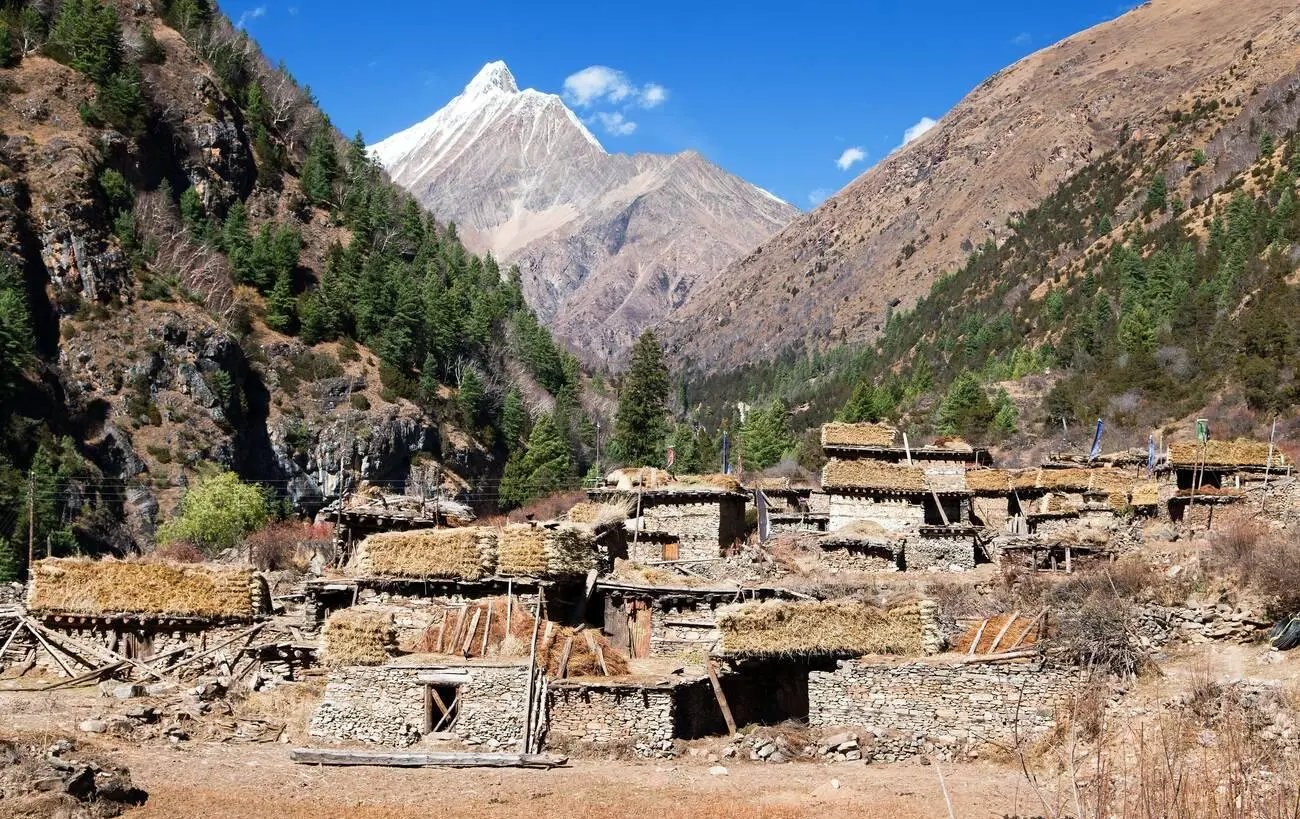
The Upper Dolpo Trek, guided by Adventure Family Treks and Expedition, is one of Nepal’s most remote and untouched trekking routes. Nestled in the far northwest of Nepal, Upper Dolpo is a high-altitude region renowned for its pristine landscapes, ancient Tibetan Buddhist culture, and the sacred Shey Phoksundo National Park. Trekkers will witness turquoise glacial lakes, rugged valleys, high mountain passes, and traditional villages that have remained largely unchanged for centuries. The journey offers a combination of natural beauty, cultural immersion, and adventure, taking you through monasteries, high passes, and traditional settlements where Tibetan customs still dominate daily life.
Highlights of the trek include the serene Phoksundo Lake, the spiritual Shey Gompa (Crystal Monastery), and crossing several high passes such as Kang-La (5,345 m) and Jyanta-La (5,220 m). Each day offers a unique blend of trekking challenge and cultural discovery, from the lush lower valleys to the harsh, windswept highlands. This trek is ideal for those who seek solitude, adventure, and an authentic glimpse into the lives of Himalayan communities.
Key Features:
The best time to embark on the Upper Dolpo Trek is during the pre-monsoon (spring) and post-monsoon (autumn) seasons. Spring (March to May) offers blooming rhododendron forests, moderate temperatures, and excellent visibility of snow-capped peaks. Autumn (late September to November) presents stable weather, clear skies, and the harvest season in the villages, making it ideal for photography and cultural interactions.
Winter months are extremely harsh due to heavy snowfall at higher altitudes, while the monsoon (June to August) brings rainfall and possible landslides, making trekking dangerous. Optimal trekking conditions ensure safety while allowing trekkers to enjoy the full beauty of Dolpo’s unique landscape and culture.
Season Highlights:
The Upper Dolpo Trek is considered challenging to strenuous, suitable for experienced trekkers with good fitness levels. Daily trekking ranges from 4–7 hours over uneven terrain, steep ascents, and high-altitude passes above 5,000 meters. Altitude sickness is a concern, and proper acclimatization days are included, such as at Phoksundo Lake and Shey Gompa.
Transportation involves multiple modes: flying from Kathmandu to Nepalgunj, then to Jhupal, and sometimes jeep rides for shorter road sections. From Jhupal, the trek follows trails connecting remote villages and highland valleys. Given its remoteness, this trek requires careful logistical planning, and Adventure Family Treks and Expedition ensures safe, well-organized transport and support throughout the journey.
Highlights:
Accommodation on the Upper Dolpo Trek is primarily basic lodges, teahouses, and camping, depending on location. In larger villages like Saldang and Shey Gompa, simple guesthouses provide a bed and meals, while more remote stretches require camping in tents provided by the trekking company.
Meals typically include local Dal-Bhat (lentil soup with rice), noodles, soups, and seasonal vegetables, with occasional meat dishes. Snacks and energy bars are recommended for long trekking days. Clean drinking water is available, but trekking companies advise using purification tablets or filters. Adventure Family Treks and Expedition ensures hygienic accommodations, balanced meals, and proper camping equipment to maintain comfort and health throughout the trek.
Key Points:
Permits are mandatory for the Upper Dolpo region due to its status as a restricted area. Trekkers must obtain the Upper Dolpo Restricted Area Permit, as well as the Annapurna Conservation Area Permit (ACAP) or Shey Phoksundo National Park permit, depending on the route. Passport copies, photographs, and permit fees are required, and trekking companies like Adventure Family Treks and Expedition handle these logistics to simplify the process for visitors.
Obtaining permits ensures the protection of Dolpo’s fragile ecosystem, preserves local culture, and allows for regulated trekking to minimize environmental impact. It is crucial to carry permits at all times, as park officials frequently check them.
Permit Essentials:
Choosing the Upper Dolpo Trek with Adventure Family Treks and Expedition offers a once-in-a-lifetime adventure in one of the most remote regions of Nepal. Unlike popular trekking areas, Dolpo provides solitude, authentic cultural experiences, and breathtaking landscapes untouched by mass tourism. Travelers experience traditional Tibetan life, ancient monasteries, and pristine natural beauty while being guided by experienced local staff who ensure safety and cultural sensitivity.
The trek is carefully planned with acclimatization, support for camping and lodges, and high-quality meals, allowing trekkers to focus on the experience rather than logistics. Adventure Family Treks and Expedition brings professionalism, local knowledge, and personalized service to guarantee a memorable and transformative journey.
Why Choose This Trek:
Upon arrival at Tribhuvan International Airport in Kathmandu, you will be warmly welcomed by our representatives from Adventure Family Treks and Expedition. After completing airport formalities, you will be transferred to your hotel in the heart of Kathmandu. Take the day to relax, acclimatize, and soak in the bustling atmosphere of Nepal’s capital. In the evening, a pre-trek briefing will be held to discuss the journey ahead, including gear requirements, health precautions, and the overall itinerary. This day sets the tone for an exciting adventure ahead.
After breakfast, enjoy a guided sightseeing tour of Kathmandu, exploring the UNESCO World Heritage Sites including Swayambhunath Stupa (Monkey Temple), Pashupatinath Temple, and Boudhanath Stupa. Witness the rich culture, architecture, and spiritual traditions of the Kathmandu Valley. In the afternoon, transfer to Kathmandu Domestic Airport for a short flight to Nepalgunj, a gateway to the remote Upper Dolpo region. On arrival, check into your hotel, prepare for the trek, and enjoy a briefing with the local trekking team. Overnight stay in Nepalgunj allows you to rest before the early morning mountain flight.
Early morning, board a scenic flight from Nepalgunj to Jhupal, surrounded by dramatic Himalayan landscapes. Upon arrival, the trek begins immediately, following the trail through pristine forests and traditional villages. The trail to Chepkpa passes through charming settlements, terraced fields, and streams, providing an opportunity to observe the daily lives of local villagers. Enjoy a peaceful evening camping amid nature at Chepkpa. As you settle in, you will witness the serene beauty of the Dolpo region and its untouched landscapes, preparing your body and mind for the days ahead.
The trail gradually ascends today, taking you through lush pine and juniper forests. As you trek, the scenery changes to rugged hills, dotted with small hamlets, prayer flags, and mani walls. Along the way, your guides from Adventure Family Treks and Expedition will explain the local customs and traditional Dolpo lifestyle. Reach Chepkpa in the afternoon and set up camp. The village offers a glimpse of ancient Tibetan culture, with simple stone houses and grazing livestock. Spend the evening resting and preparing for a longer trek tomorrow, while enjoying panoramic views of surrounding peaks.
Today’s trek takes you higher into the Dolpo region, traversing valleys and crossing rivers. The trail winds through alpine meadows, and you may spot yaks grazing in the fields. The village of Samduwa, known for its welcoming locals, is an ideal stop for lunch and interaction with villagers. Continue trekking along narrow ridges and winding paths to reach your campsite. As altitude gradually increases, the landscape becomes more rugged and the air thinner. Evening offers spectacular views of snow-capped peaks and the opportunity to relax around a campfire while reflecting on the trek’s progress.
From Samduwa, the trek leads to the stunning turquoise waters of Phoksundo Lake, the jewel of Upper Dolpo. The route passes through traditional villages, lush forests, and dramatic cliff-side trails. Phoksundo Lake, revered locally as sacred, is surrounded by dense pine forests and high cliffs, creating a picture-perfect setting. Upon arrival, camp near the lake and enjoy the tranquil environment. Explore the nearby Chharka village, interact with locals, and witness their traditional Tibetan-influenced lifestyle. Evening brings the peaceful reflection of the lake’s crystal waters under the Himalayan sky.
Today is a well-earned rest day at Phoksundo Lake, allowing time for acclimatization and exploration. Take a leisurely walk around the lake, visit the local village, and photograph the serene landscape and wildlife. Your guides will provide insight into the cultural and spiritual significance of the area, including small temples and prayer flags adorning the cliffs. Optional short hikes to viewpoints give panoramic vistas of the lake and surrounding mountains. Relax by the lakeshore, enjoy the calm atmosphere, and prepare your body for the more challenging sections of the Upper Dolpo trek ahead.
The trail today leads to Phoksundo-Khola, following river valleys and crossing wooden suspension bridges. Trekking through alpine pastures and rugged terrain, the landscape offers dramatic views of high mountains and deep gorges. Along the way, observe local shepherds with their yaks and small settlements where traditions remain unchanged for centuries. The campsite near Phoksundo-Khola provides a quiet and scenic spot to rest. Evening allows time to mingle with the trekking team and prepare for the gradual ascent to higher altitudes. The crisp mountain air and clear skies make for memorable sunset views.
This section begins a more challenging climb toward Phoksundo Bhanjyang, crossing steep trails and rocky ridges. As the altitude increases, the vegetation thins, and panoramic views of Himalayan peaks dominate the horizon. Phoksundo Bhanjyang offers a strategic camping point to acclimatize for the upcoming high passes. Along the way, you may encounter local nomads with their livestock, giving an authentic glimpse into life in the remote Dolpo region. Enjoy the pristine environment, the crisp mountain air, and the sense of isolation in one of the most remote trekking regions of Nepal.
Today’s trek is the most challenging yet rewarding, as you cross the Kang-La Pass at 5,345 meters. The climb is steep and demanding, but the summit rewards you with breathtaking panoramic views of snow-capped peaks and glacial valleys. After crossing the pass, descend toward Shey Gompa, one of Upper Dolpo’s most important Buddhist monasteries. The monastery, perched dramatically on a cliff, offers insight into Tibetan Buddhist culture and spirituality. Camp near Shey Gompa, reflect on your accomplishment, and spend the evening exploring the monastery’s intricate murals and meditation spaces.
Take a well-deserved rest day at Shey Gompa, immersing yourself in the serene surroundings. Explore the Crystal Monastery, meditate, or simply enjoy the tranquil environment. The day offers opportunities to photograph the monastery, interact with resident monks, and observe ancient Buddhist rituals. Local trails allow for short hikes to nearby viewpoints, providing sweeping views of the surrounding Himalayan ranges. Use this day to acclimatize, relax, and soak in the spiritual ambiance of Shey Gompa, preparing your body and mind for the demanding treks over high passes in the coming days.
Today’s trek involves crossing another high pass, Sela La at 5,094 meters. The ascent is steep, challenging both physically and mentally, but offers incredible panoramic views of the surrounding mountains and valleys. After summiting, the descent leads to the village of Nam-Gaon, a remote settlement nestled in the Dolpo region. The village offers insight into traditional Tibetan-style homes, mani walls, and prayer flags. Camp in the vicinity, enjoy interactions with locals, and reflect on the spectacular journey across high Himalayan landscapes. The day combines adventure, cultural immersion, and stunning scenery.
From Nam-Gaon, descend gradually toward Saldang, one of the major cultural hubs of Upper Dolpo. The trek passes through rocky ridges, terraced fields, and isolated hamlets, offering insight into the life of Dolpo’s residents. Saldang is known for its traditional architecture, Buddhist monasteries, and vibrant local culture. Explore the village, interact with locals, and visit religious sites while camping nearby. The evening offers a chance to rest and enjoy the unique landscape of Upper Dolpo, surrounded by towering peaks and expansive valleys, reflecting the remoteness and serenity of this Himalayan region.
Today involves a gradual climb toward Cha-Gaon, a high-altitude settlement with dramatic Himalayan vistas. The route passes through open valleys, high-altitude pastures, and yak grazing areas. The village of Cha-Gaon is sparsely populated but culturally rich, with stone houses, mani walls, and prayer flags marking the trail. Camp near the village and enjoy the crisp mountain air and serenity. The remote location provides a deep sense of isolation, enhancing the feeling of adventure. This stage is crucial for acclimatization and prepares trekkers for the subsequent high passes ahead.
The trek today takes you along rugged ridges and narrow trails to Dachu Khola, following streams and alpine pastures. The terrain is rocky and undulating, requiring focus and careful footing. The camp location near Dachu Khola offers spectacular views of surrounding peaks and valleys. Along the trail, observe the resilient local population and their traditional way of life. Evening provides an opportunity to rest, enjoy the serene environment, and mentally prepare for tomorrow’s high-altitude crossing of Jyanta-La Pass. The beauty of the remote Dolpo region is evident at every step.
Today marks another high point of the trek as you cross Jyanta-La Pass at 5,220 meters. The climb is challenging, with thin air and steep trails, but the summit offers breathtaking panoramic views of the Himalayan peaks and deep valleys below. After the pass, descend to Phedi for an overnight camp. The journey involves rocky ridges, glacial streams, and sparse vegetation, characteristic of high-altitude landscapes. Evening at Phedi allows rest and reflection on the arduous yet rewarding journey, as the Upper Dolpo region continues to reveal its stark beauty and remoteness.
From Phedi, descend gradually through rugged terrain and high-altitude pastures toward Tokyu Gaon. The village offers a unique glimpse into the traditional lifestyle of Upper Dolpo’s inhabitants. Trekking through narrow valleys and over rocky trails, you will observe isolated settlements and herding practices that have remained unchanged for centuries. Camp near Tokyu Gaon and enjoy interactions with locals, witnessing traditional architecture, prayer flags, and cultural rituals. Evening provides rest and the chance to take in the stunning Himalayan views that surround this remote area, maintaining the sense of adventure and tranquility.
Today’s trek descends into the Dho-Tarap valley, a region rich in culture and history. The trail passes through scenic villages, terraced fields, and ancient monasteries, offering insight into Tibetan Buddhist traditions. Dho-Tarap is known for its cultural significance, including stone towers, mani walls, and historic monasteries. Camp near the village and explore the surroundings, interact with locals, and experience their way of life. The trek continues to reveal the remote and untouched nature of Upper Dolpo, with opportunities for photography, cultural immersion, and reflection in a peaceful environment.
From Dho-Tarap, trek toward Gyagar along scenic trails that wind through valleys and rugged hillsides. The route offers panoramic views of surrounding peaks, rivers, and traditional settlements. Gyagar village provides a glimpse into the harmonious coexistence of humans and nature in this remote region. Camp near the village and enjoy the tranquility, observing local customs and architecture. The day is moderately long, allowing for acclimatization and preparation for the upcoming trek along the Tarap Khola valley. Evening offers time for rest and reflection amidst spectacular natural beauty.
Today’s trek descends gradually through picturesque valleys toward Tarap Khola. En route, pass through Chyugar, a small settlement offering insight into local life and traditional practices. The trail follows river valleys, terraced fields, and rocky paths, showcasing the varied landscapes of Upper Dolpo. Camp near Tarap Khola and enjoy the serene environment, reflecting on the cultural and natural experiences of the trek. The journey provides a balance of physical challenge and visual rewards, highlighting the region’s rugged beauty and the resilience of its inhabitants.
The trek continues along the scenic Tarap valley toward Tarakot, descending gradually into lower altitudes. The landscape transitions from high-altitude alpine terrain to verdant valleys, rivers, and terraced farmland. Tarakot village offers opportunities to explore local culture, architecture, and monasteries. Camp nearby and interact with villagers, experiencing the simplicity and hospitality of Upper Dolpo’s remote communities. The day’s trek provides a sense of accomplishment as you approach the end of the long and adventurous journey through one of Nepal’s most isolated regions.
From Tarakot, descend further to Dunai, the district headquarters of Upper Dolpo. The trail passes through forests, rivers, and cultivated fields, offering a glimpse of life at lower altitudes. On arrival in Dunai, board a vehicle for a two-hour drive back to Jhupal. This transition marks the end of the trekking portion and the return to more accessible regions. In Jhupal, celebrate the successful completion of the trek with the trekking team, enjoy a warm meal, and reflect on the incredible landscapes, cultural experiences, and personal achievements of the past three weeks.
After an early breakfast, board a flight from Jhupal to Nepalgunj, connecting to your flight to Kathmandu. On arrival in Kathmandu, transfer to your hotel for rest and leisure. Spend the afternoon shopping, exploring the city, or relaxing at the hotel. This day allows time to unwind after the demanding trek, share experiences with fellow trekkers, and enjoy the comfort of Kathmandu. In the evening, consider a farewell dinner organized by Adventure Family Treks and Expedition, celebrating the completion of a remarkable journey through the remote Upper Dolpo region.
After breakfast, transfer to Tribhuvan International Airport for your departure flight. Take with you unforgettable memories of the breathtaking landscapes, cultural encounters, and personal accomplishments experienced throughout the Upper Dolpo trek. Reflect on the challenges overcome, friendships made, and the beauty of one of the most remote and pristine regions in Nepal. Adventure Family Treks and Expedition wishes you a safe journey home and hopes that the memories of this extraordinary adventure remain with you forever, inspiring future explorations of the Himalayas.