
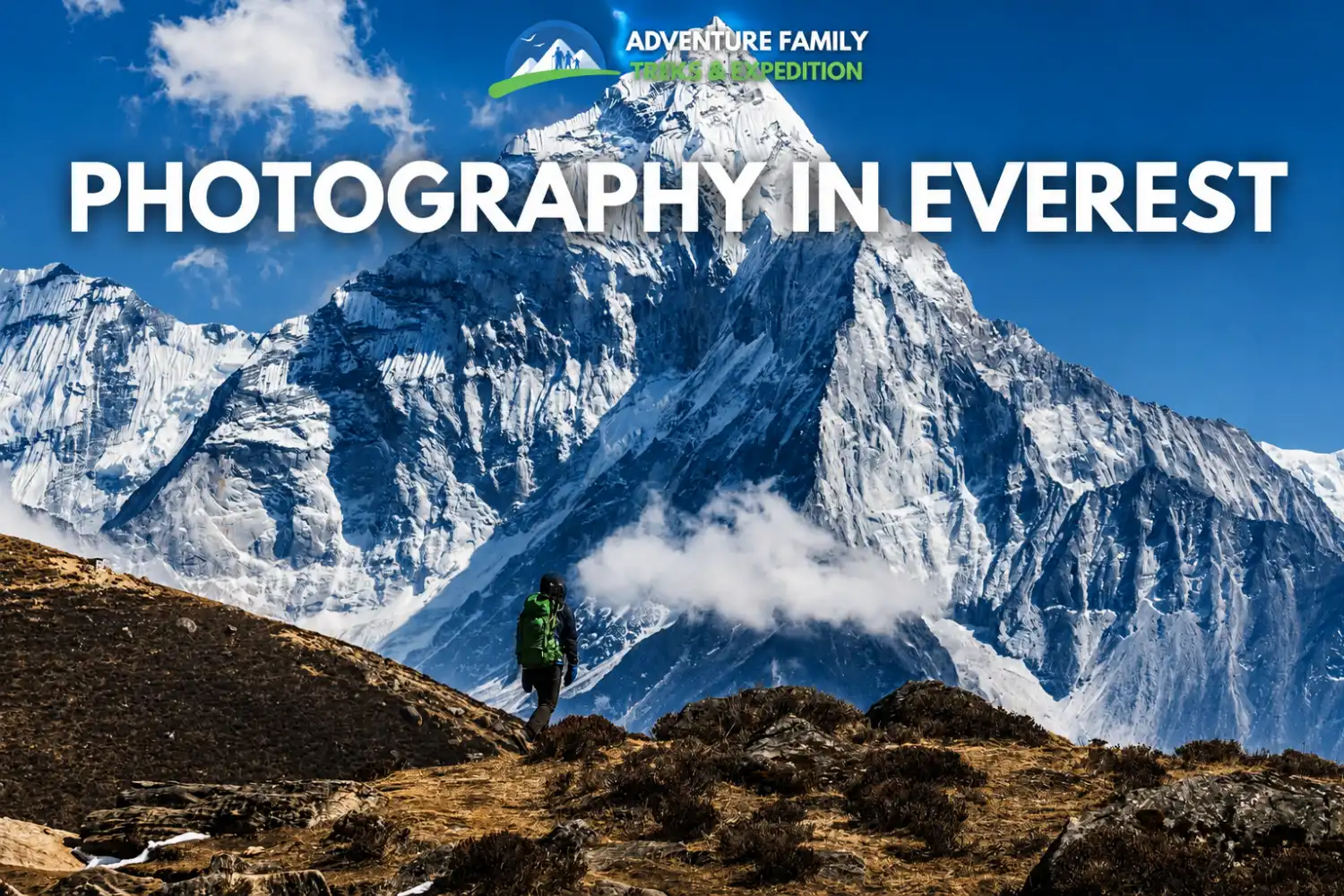
The Everest region is not only home to the world's highest mountain but also some of the most breathtaking landscapes on Earth. From snow-capped Himalayan giants and turquoise glacial lakes to ancient monasteries and traditional Sherpa villages, the Khumbu region offers endless opportunities for photography enthusiasts on Everest Base Camp Trek.
Whether you are a professional photographer, content creator, travel blogger, or trekker carrying a smartphone, the Everest region provides countless opportunities to capture unforgettable images. Every season brings unique colors, weather patterns, and lighting conditions that transform the landscape into a natural masterpiece.
This guide explores the most photogenic places in the Everest region, highlighting the best viewpoints, villages, lakes, mountains, and hidden gems that deserve a place in every photographer's portfolio.
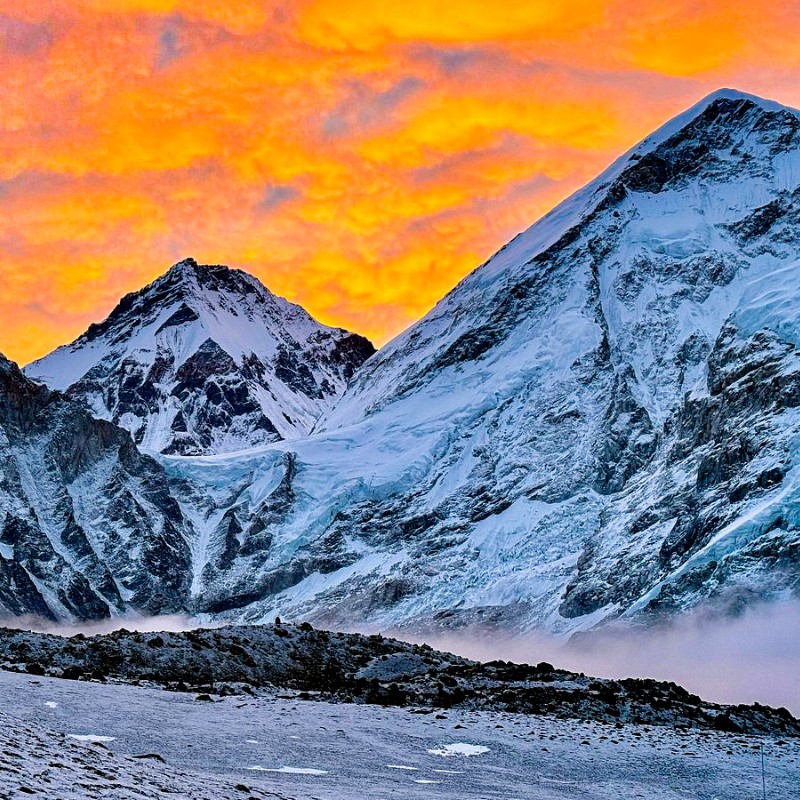
Kala Patthar is widely considered the most iconic photography location in the Everest region. Situated at an elevation of 5,545 meters, this famous viewpoint offers unobstructed panoramic views of Mount Everest, Nuptse, Pumori, and Lhotse.
The sunrise from Kala Patthar is particularly spectacular. As the first rays of sunlight illuminate Everest's summit, the surrounding peaks glow with golden hues against the deep blue Himalayan sky.
Photographers often arrive before dawn to capture the dramatic transition from darkness to daylight, creating some of the most famous mountain photographs in the world.
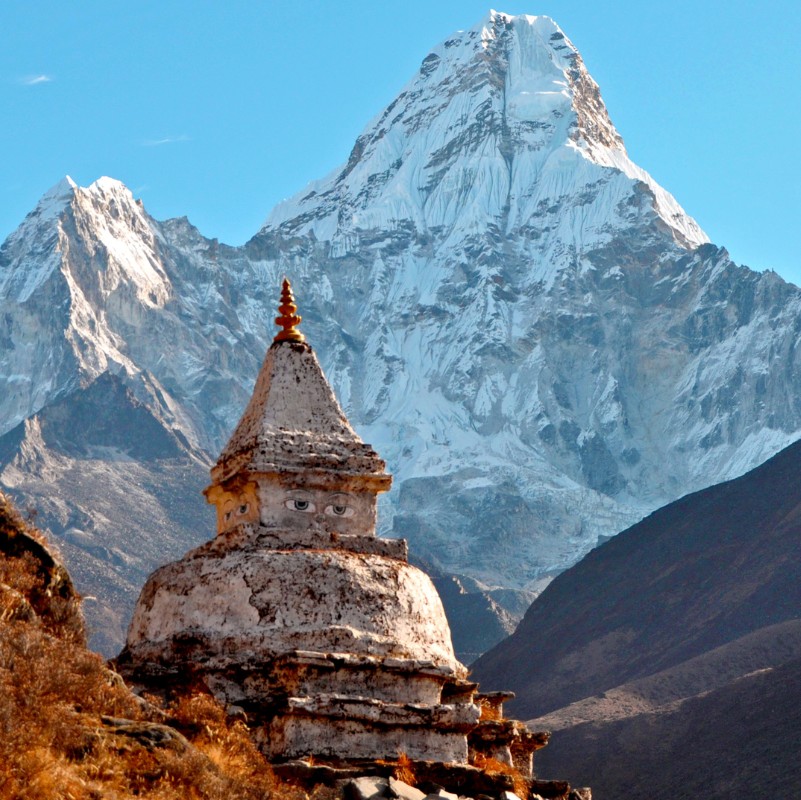
Ama Dablam is arguably the most beautiful mountain in Nepal. Its elegant pyramid-shaped summit and dramatic ridges create a perfect composition for landscape photography.
The mountain dominates the skyline from Tengboche, Pangboche, and Dingboche, offering countless opportunities for stunning photographs. During sunrise and sunset, warm alpine light transforms the snow-covered slopes into shades of gold, pink, and orange.
Many photographers consider Ama Dablam more photogenic than Everest itself due to its symmetry and isolated position within the Khumbu Valley.
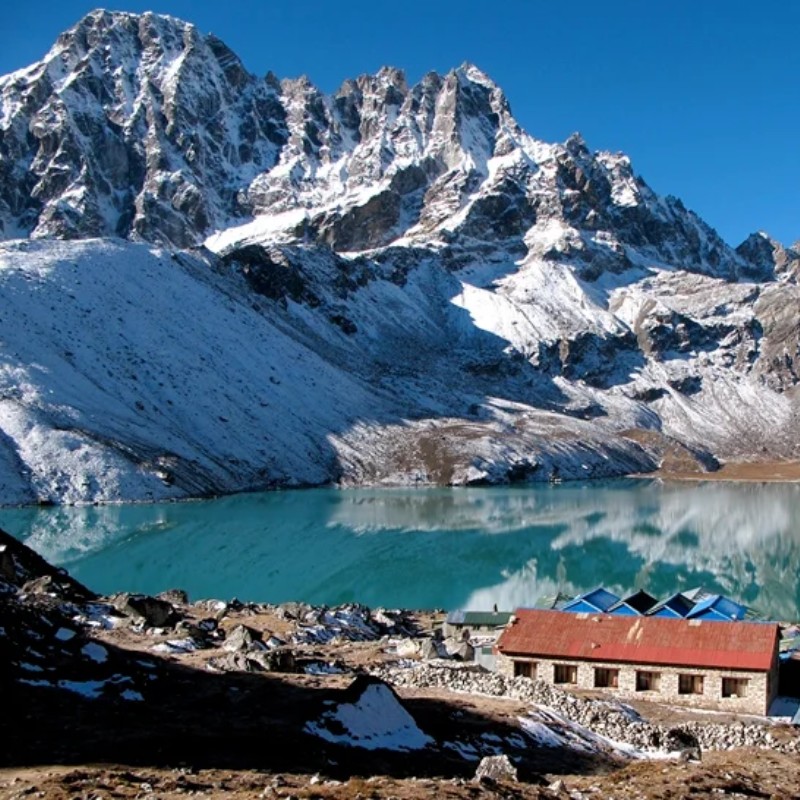
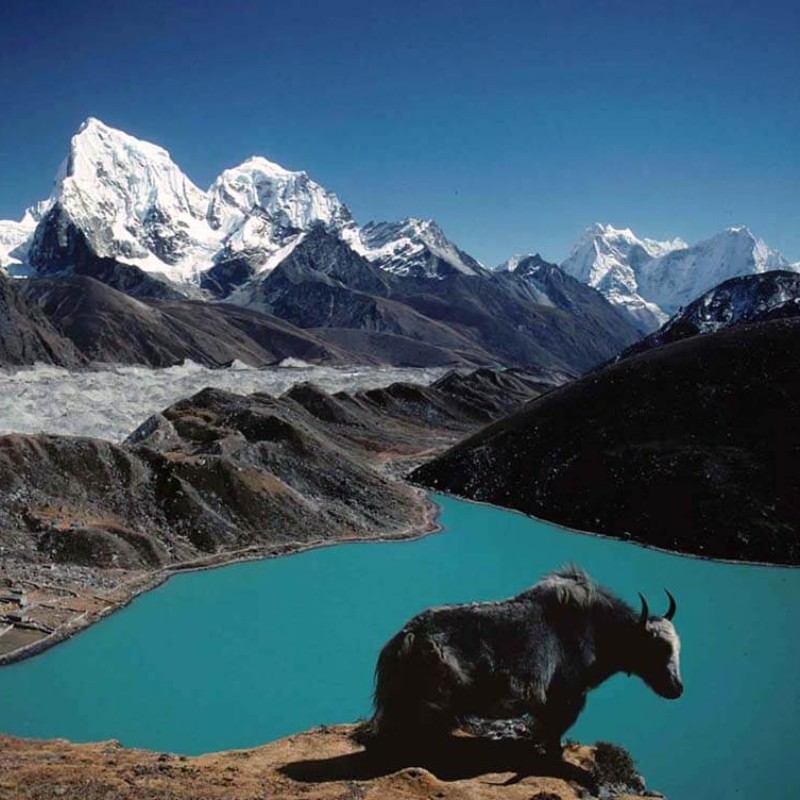
The Gokyo Lakes are among the most visually stunning destinations in the Himalayas. These high-altitude turquoise lakes reflect surrounding mountains, creating mirror-like images that are perfect for landscape photography.
The contrast between the vibrant blue water, snow-covered peaks, and rugged terrain creates extraordinary photographic compositions.
During calm mornings, reflections of Cho Oyu and nearby peaks make the lakes one of the most photographed locations in the Everest region.
Rising above the Gokyo Valley, Gokyo Ri offers one of the finest panoramic viewpoints in Nepal.
From the summit, photographers can capture Everest, Lhotse, Makalu, Cho Oyu, and the entire Gokyo Lake system in a single frame. The sunrise from Gokyo Ri is considered one of the most spectacular experiences in the Himalayas.
The viewpoint is particularly popular among landscape photographers seeking alternatives to the crowded Everest Base Camp route.
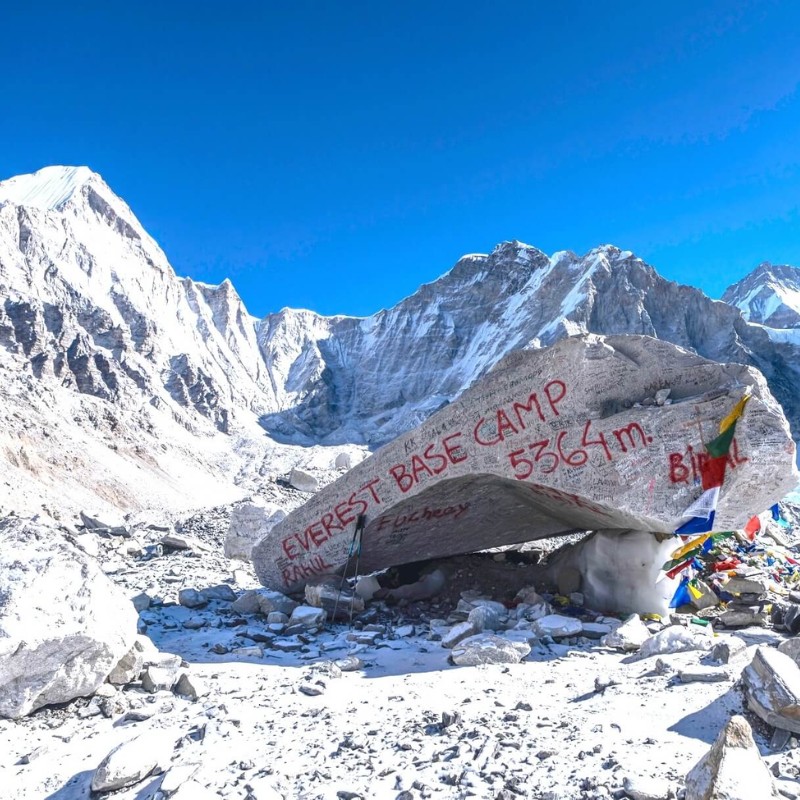
Everest Base Camp is one of the world's most famous trekking destinations and a remarkable photography location.
Although the summit of Everest is partially obscured from base camp, the surrounding glaciers, ice formations, expedition tents, and towering peaks create an unforgettable setting.
During climbing seasons, colorful expedition camps add vibrant visual elements to the dramatic mountain landscape.
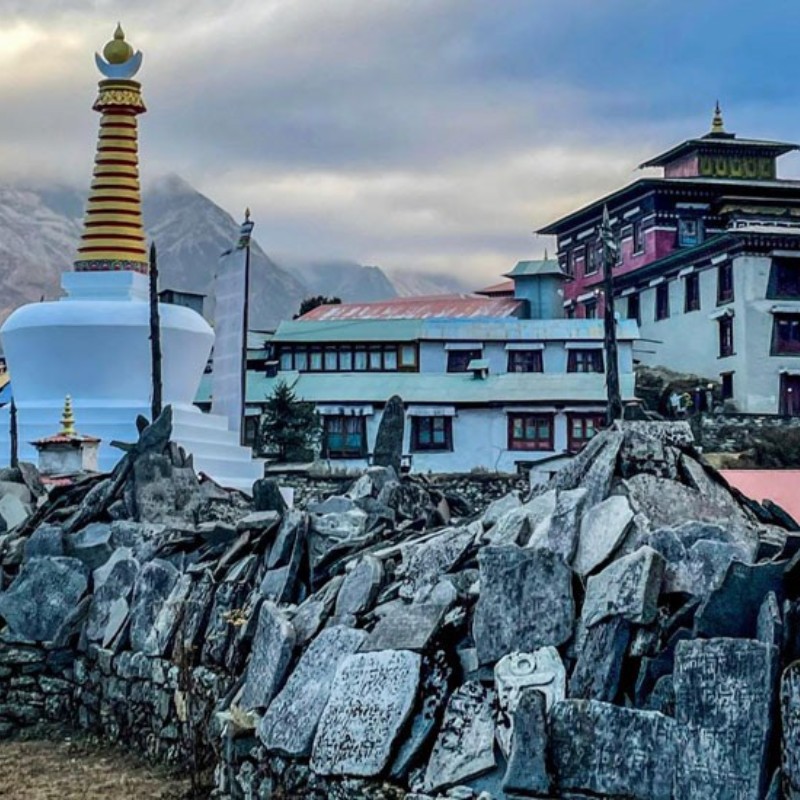
Tengboche Monastery combines cultural heritage with stunning Himalayan scenery.
Located on a ridge overlooking the Khumbu Valley, the monastery provides incredible views of Ama Dablam, Everest, Lhotse, and Thamserku.
Photographs featuring prayer flags, Buddhist architecture, and snow-covered mountains perfectly capture the spiritual essence of the Everest region.
The monastery is especially beautiful during sunrise when soft golden light illuminates both the building and the surrounding peaks.
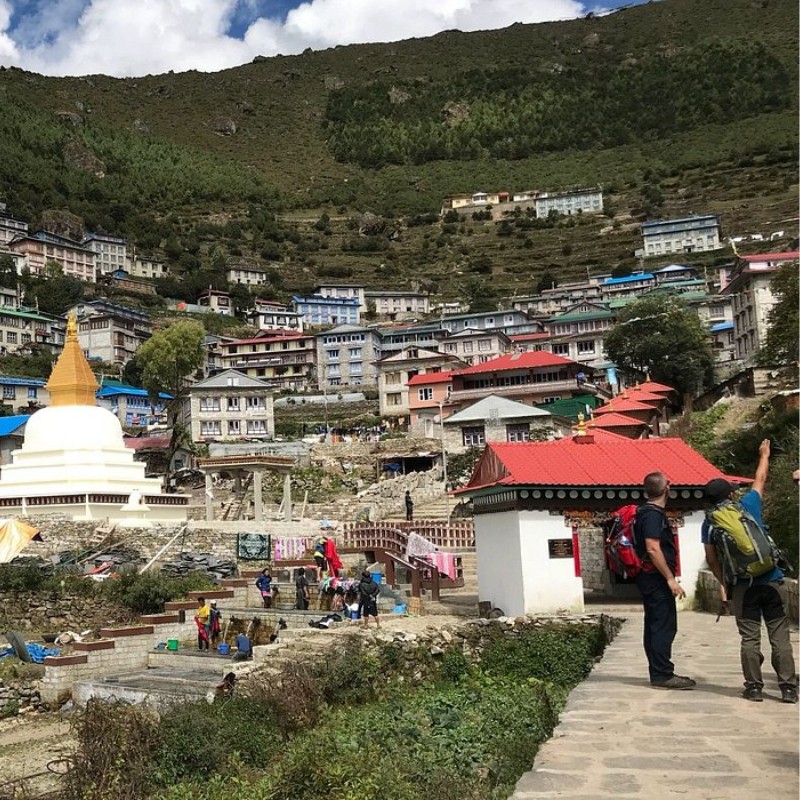
Namche Bazaar is the vibrant heart of the Khumbu region and one of the most photogenic mountain towns in Nepal.
Built into a natural amphitheater on the mountainside, the town offers unique perspectives of traditional Sherpa life surrounded by spectacular Himalayan scenery.
Street photography, local markets, mountain backdrops, and colorful buildings make Namche an excellent destination for cultural and travel photography.
Pangboche is one of the oldest Sherpa settlements in the Everest region and offers extraordinary views of Ama Dablam.
Traditional stone houses, ancient monasteries, prayer walls, and mountain scenery create countless opportunities for authentic Himalayan photography.
The combination of culture and landscape makes Pangboche a favorite among documentary and travel photographers.
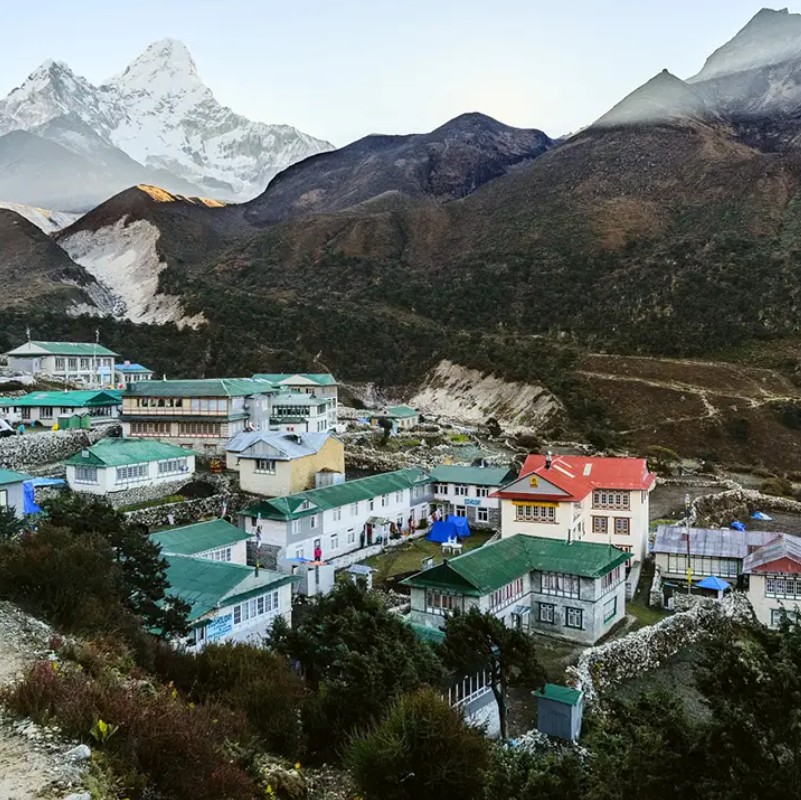
Surrounded by towering peaks, Dingboche offers wide-open landscapes that are ideal for panoramic photography.
The valley's stone-walled fields, alpine terrain, and dramatic mountain backdrops create beautiful compositions throughout the year.
During autumn, the golden grasses contrast beautifully with the surrounding snow-covered peaks.
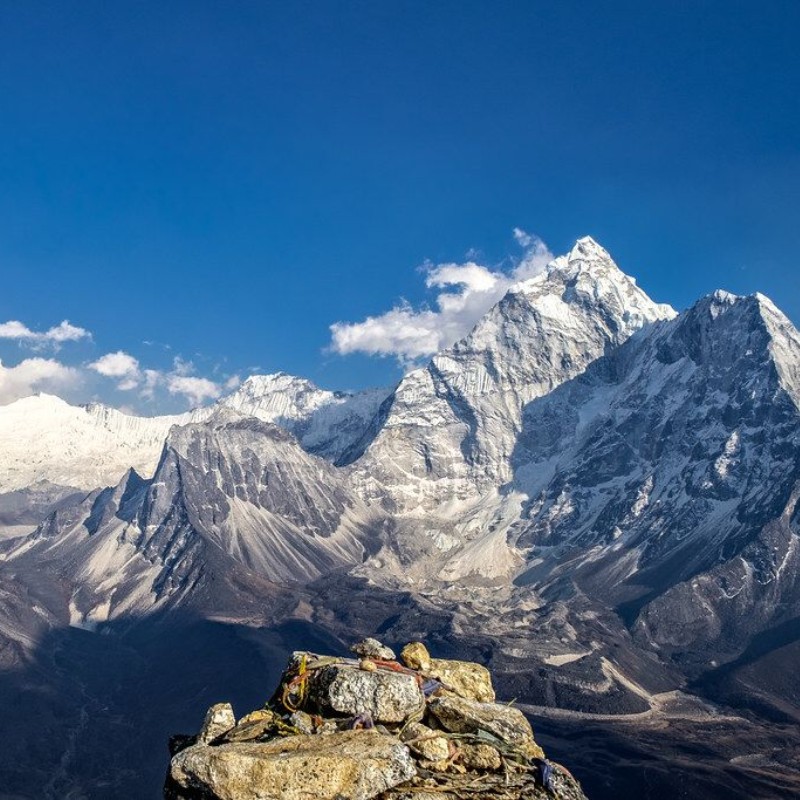
The Khumbu Glacier is one of the highest glaciers in the world and a fascinating subject for photography.
Its rugged ice formations, deep crevasses, and constantly changing textures create dramatic images that showcase the raw power of nature.
Photographers visiting Everest Base Camp often spend hours exploring different perspectives of the glacier.
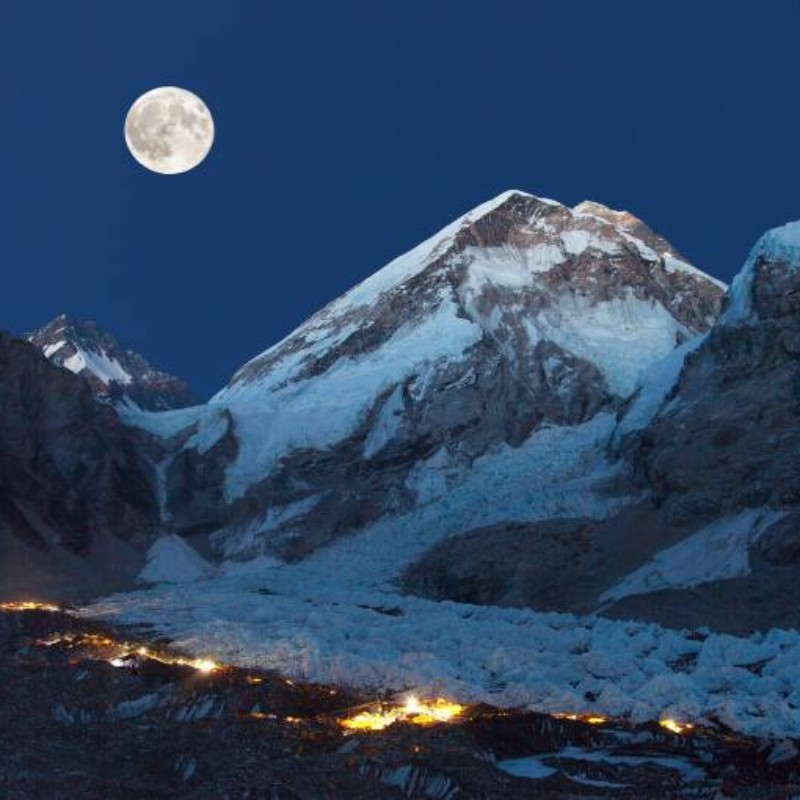
Mount Pumori, known as the "Daughter of Everest," is one of the most photogenic peaks in the region.
Viewed from Kala Patthar or Gorak Shep, its elegant pyramid shape stands prominently against the Himalayan skyline.
The mountain is particularly impressive during sunrise when soft light highlights its ridges and snow-covered summit.
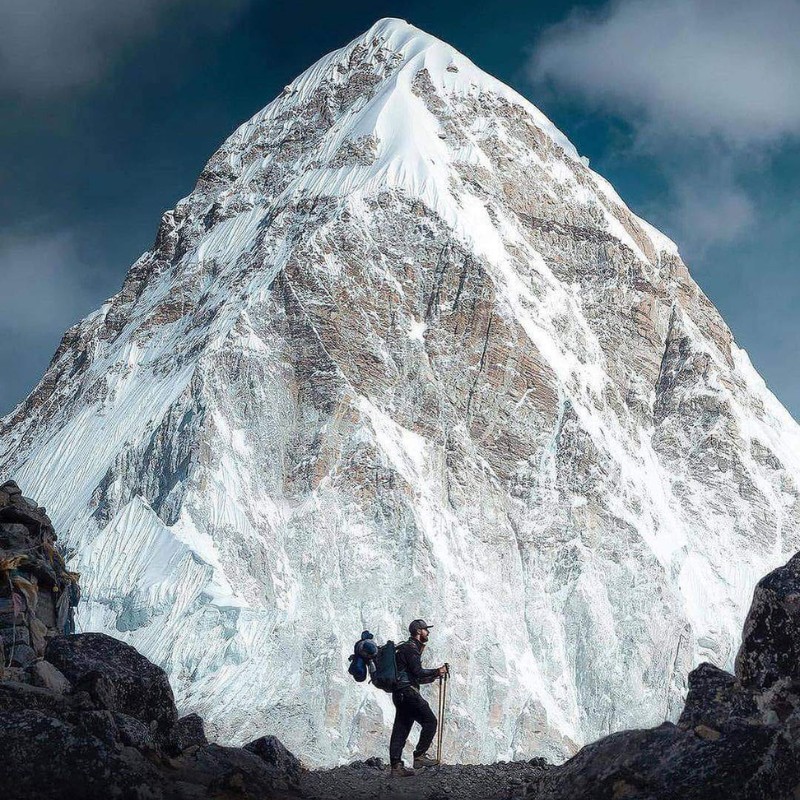
Renjo La Pass offers one of the most dramatic viewpoints in the Everest region.
From the top of the pass, photographers can capture the Gokyo Lakes below, surrounded by some of the highest mountains in the world.
The combination of lakes, glaciers, and towering peaks creates one of Nepal's most rewarding photographic landscapes.
The neighboring peaks of Cholatse and Taboche are often overlooked by trekkers, but they are among the most visually striking mountains in the Khumbu region.
Their steep rock faces and dramatic ridges create spectacular compositions, particularly during clear autumn mornings.
These mountains are favorites among photographers looking for unique perspectives beyond Everest.
The magic of the Everest region often lies in its changing light.
Sunrise transforms snow-covered peaks into glowing golden monuments, while sunset paints the mountains in shades of pink, orange, and red.
Photographers frequently plan entire trekking itineraries around capturing these fleeting moments of alpine light.
Spring offers blooming rhododendrons, clear skies, and colorful landscapes.
Autumn provides exceptional visibility and some of the clearest mountain views of the year.
Winter creates dramatic snowy scenes with fewer crowds, while the monsoon season brings lush greenery and atmospheric cloud formations.
Each season offers unique photographic opportunities depending on the desired style and subject matter.
The high-altitude environment of the Everest region presents unique opportunities and challenges for photographers.
Early mornings often provide the clearest skies and best lighting conditions. Carrying spare batteries is essential because cold temperatures drain battery life quickly. Wide-angle lenses work well for landscapes, while telephoto lenses help capture distant mountain details and wildlife.
Protecting equipment from dust, moisture, and extreme temperatures is also crucial during Himalayan treks.
The Everest region is one of the world's greatest destinations for photography. Its combination of towering mountains, glacial lakes, ancient monasteries, Sherpa culture, and ever-changing light creates endless opportunities for stunning images.
Whether capturing the sunrise from Kala Patthar, the reflections of Gokyo Lakes, the beauty of Ama Dablam, or the cultural richness of Namche Bazaar, photographers will find inspiration around every corner of the Khumbu Valley.
For travelers seeking unforgettable landscapes and extraordinary photographic experiences, few places on Earth can rival the beauty of the Everest region.
