
Sagarmatha National Park: Home of Mount Everest and Sherpa Culture
25 May 2026
Discover Sagarmatha National Park, home to Mount Everest, Sherpa culture, Himalayan wildlife, iconic trekking routes, and breathtaking Himalayan landscapes in Nepal.


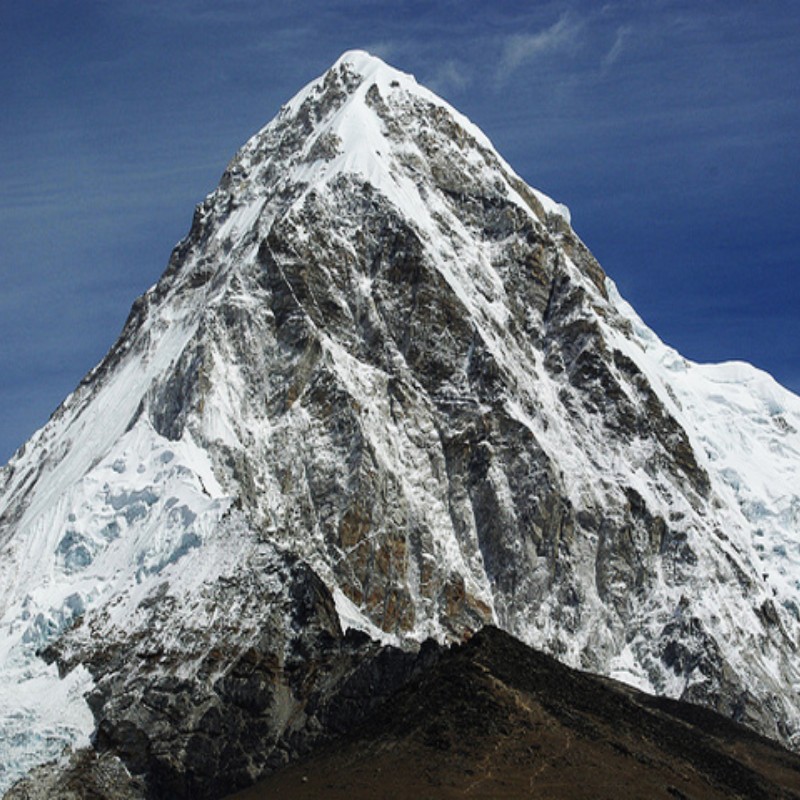
Standing majestically on the Nepal-Tibet border, Mount Pumori is one of the most beautiful and recognizable peaks in the Everest region. Rising to an elevation of 7,161 meters (23,494 feet), Pumori is often referred to as the "Daughter of Everest" due to its proximity to Mount Everest and its elegant pyramid-shaped summit. Although overshadowed by its famous neighbor, Pumori offers some of the most spectacular mountain scenery in the Himalayas and remains a coveted destination for experienced mountaineers and trekkers alike.
Whether viewed from Everest Base Camp, Kala Patthar, or the surrounding Khumbu Valley, Mount Pumori captivates visitors with its striking appearance and dramatic ridgelines. This article explores the mountain's history, climbing significance, trekking opportunities, and why it remains one of the most admired peaks in Nepal.
Mount Pumori is situated in the Mahalangur section of the Himalayas within the Khumbu region of northeastern Nepal. The mountain lies approximately 8 kilometers west of Mount Everest and forms part of the natural border between Nepal and Tibet.
Due to its strategic location near Everest Base Camp, Pumori is visible from many points along the famous Everest trekking route. Its towering presence dominates the skyline around Gorak Shep, Kala Patthar, and Everest Base Camp, making it one of the best photography mountains in the region.
The name "Pumori" comes from the Sherpa language. It is commonly translated as "Unmarried Daughter" or "Daughter Mountain." The renowned mountaineer George Mallory reportedly named the peak after learning its Sherpa meaning during his Everest expeditions in the 1920s.
This affectionate name reflects the mountain's close relationship with Mount Everest, often considered its "parent" peak in local interpretations.
Mount Pumori is known for its striking pyramid-like structure, steep snow-covered slopes, and dramatic ridges. Despite being significantly lower than Everest, its prominence and isolated position make it appear exceptionally imposing.
The mountain's symmetrical shape and snow-covered summit make it one of the most visually appealing peaks in the Everest region.
The first successful ascent of Mount Pumori was achieved on May 17, 1962, by a German-Swiss expedition led by Gerhard Lenser. Climbers Gerhard Lenser and Ernst Forrer reached the summit through the southeast ridge.
Since then, Pumori has attracted climbers from around the world seeking a technically challenging Himalayan peak that offers excellent preparation for higher mountains such as Everest, Lhotse, and Cho Oyu.
Mount Pumori is regarded as one of the more technical peaks in Nepal. While it is lower than many of the world's highest mountains, its steep slopes, crevasses, exposed ridges, and avalanche-prone terrain demand advanced mountaineering skills.
Climbing Pumori requires:
The ascent generally takes several weeks, including acclimatization and weather contingency days.
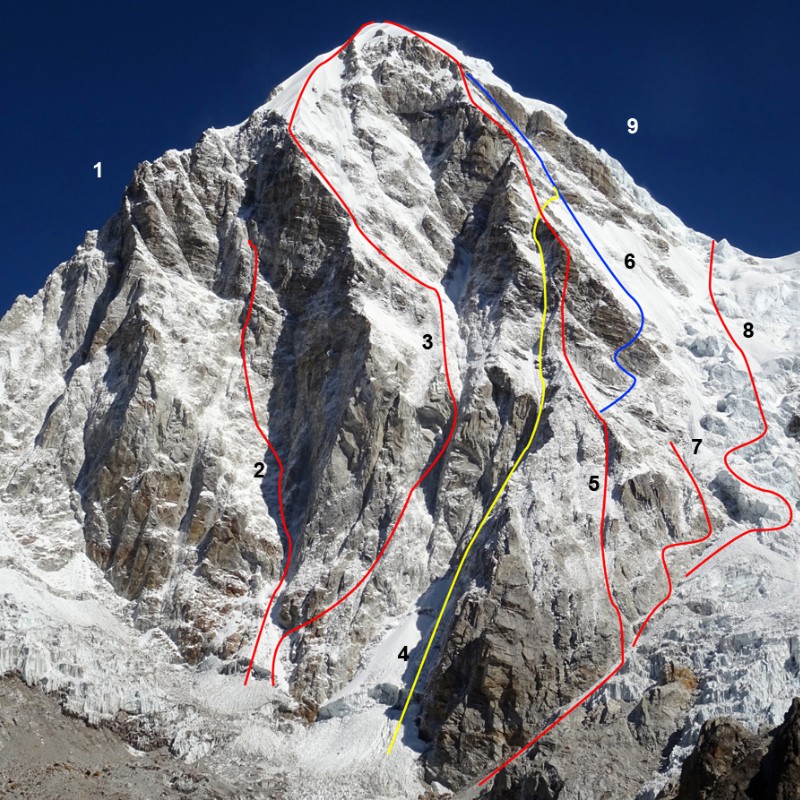
The most commonly used route follows the Southeast Ridge from Pumori Base Camp. Climbers establish multiple high camps before making their summit push.
The route involves:
Because of these challenges, Pumori is recommended only for experienced mountaineers.
For most visitors, the best way to experience Mount Pumori is during the Everest Base Camp Trek. The mountain becomes increasingly visible as trekkers ascend through the Khumbu Valley.
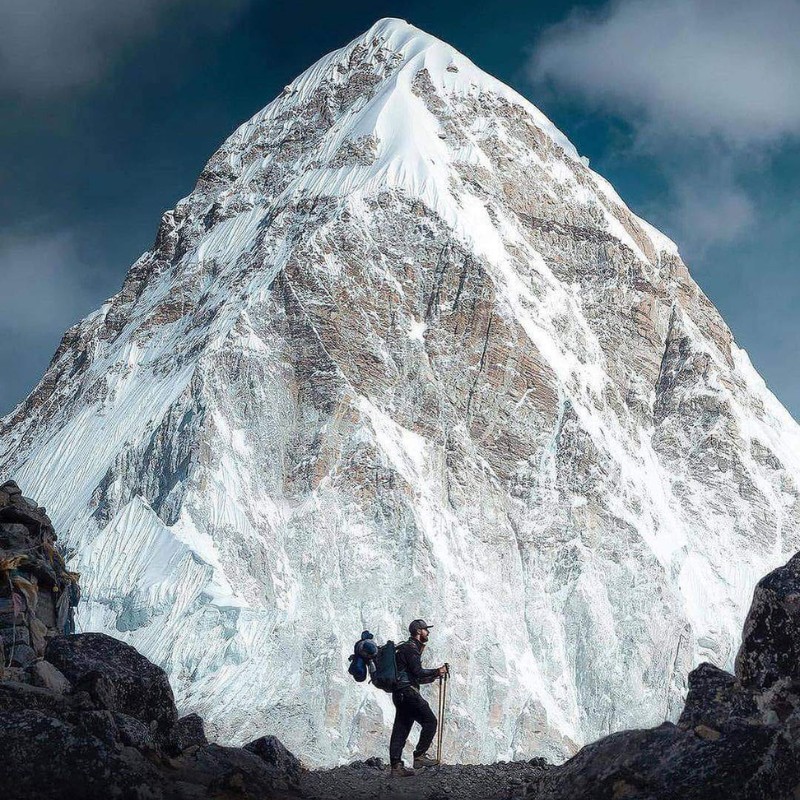
Kala Patthar (5,545m): Kala Patthar offers arguably the finest view of Mount Pumori. The peak appears incredibly close, showcasing its steep faces and snow-covered summit against the Himalayan backdrop.
Gorak Shep: The final settlement before Everest Base Camp provides excellent sunrise and sunset views of Pumori.
Everest Base Camp: While Everest dominates attention, Pumori stands prominently to the northwest, adding dramatic scenery to the base camp environment.
Pumori is considered one of the most photogenic mountains in Nepal. Its elegant shape and proximity to popular trekking routes allow photographers to capture stunning compositions throughout the day.
Photography highlights include:
Many iconic Everest-region photographs prominently feature Pumori due to its impressive profile.
The surrounding Sagarmatha National Park is home to diverse Himalayan wildlife. Trekkers exploring the area may encounter:
The park is also a UNESCO World Heritage Site recognized for its outstanding natural beauty and ecological significance.
Spring (March to May): Spring is one of the most popular seasons. Stable weather, moderate temperatures, and clear skies provide excellent mountain views and climbing conditions.
Autumn (September to November): Autumn offers crisp air, exceptional visibility, and favorable trekking weather. This season is ideal for photography and Everest region trekking.
Winter (December to February): Winter presents dramatic snow-covered landscapes but colder temperatures and more challenging conditions.
Mount Pumori may not be as famous as Mount Everest, but it possesses a beauty and character that make it one of the most remarkable peaks in the Himalayas. Its striking pyramid shape, challenging climbing routes, and breathtaking views from the Everest trekking trails have earned it a special place in the hearts of trekkers, climbers, and photographers.
Whether you dream of summiting a Himalayan giant or simply admiring its grandeur from Kala Patthar, Mount Pumori offers an unforgettable experience that showcases the true magnificence of Nepal's Everest region.
Discover Sagarmatha National Park, home to Mount Everest, Sherpa culture, Himalayan wildlife, iconic trekking routes, and breathtaking Himalayan landscapes in Nepal.

The Khumbu–Everest region contains some of the world’s most spectacular glaciers. This detailed blog explores five major glaciers — Khumbu, Rongbuk, Ngozumpa, Imja, and Kangshung — covering their geography, mountaineering history, scientific importance, and the growing impact of climate change in the Himalayas.

Discover the extraordinary story of Mount Everest — from its formation beneath an ancient ocean millions of years ago to becoming the highest and most iconic mountain on Earth.
