8 Things to Do in Namche Bazaar During the Everest Base Camp Trek
12 May 2026

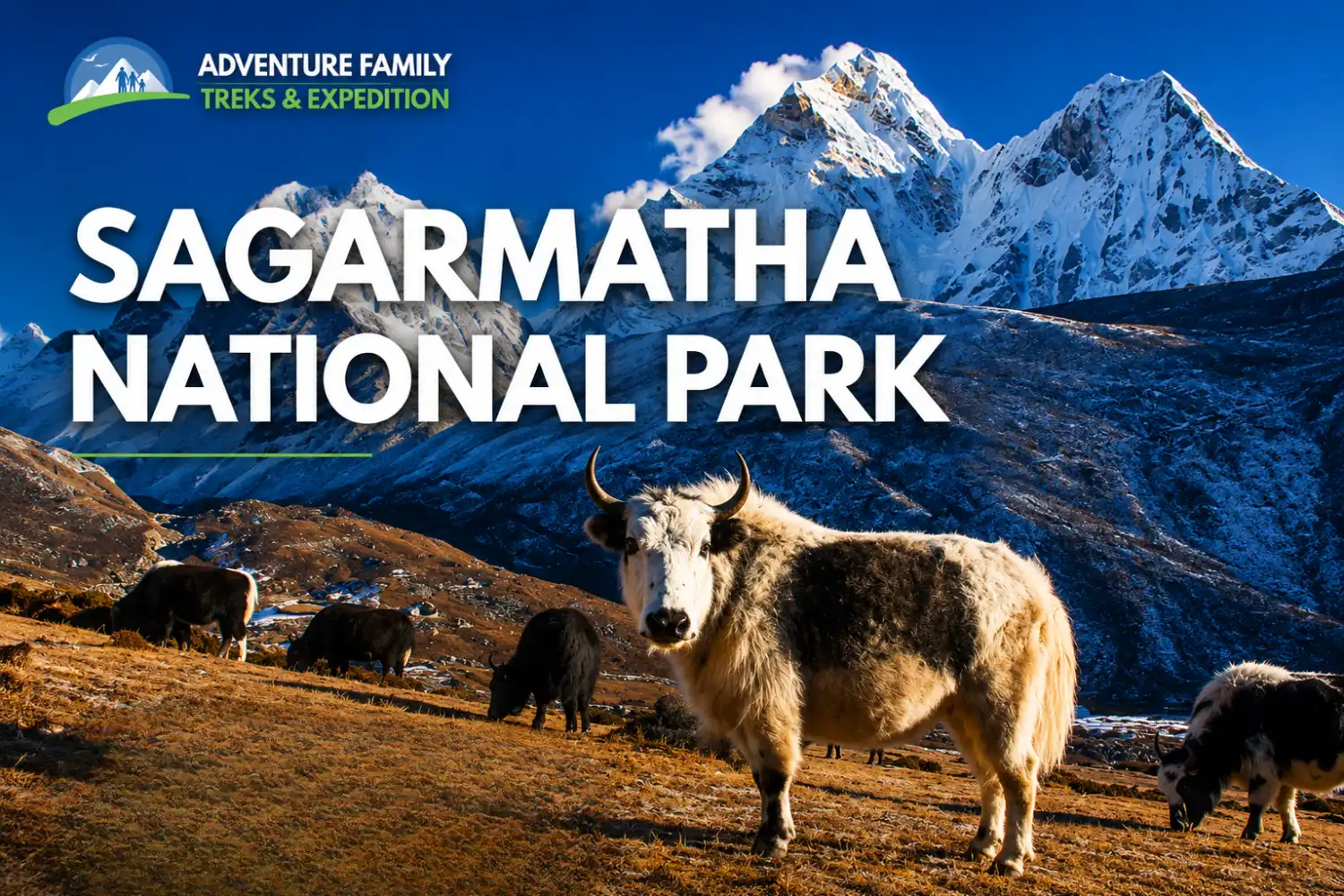
Sagarmatha National Park is Nepal’s most iconic protected area and one of the world’s most spectacular mountain destinations. Located in the Khumbu region of northeastern Nepal, Sagarmatha National Park is home to Mount Everest (Sagarmatha), the highest mountain on Earth at 8,848.86 meters. Established in 1976 and recognized as a UNESCO World Heritage Site in 1979, the park combines breathtaking Himalayan landscapes, rich biodiversity, ancient Sherpa culture, and legendary trekking routes.
Stretching across 1,148 square kilometers in the Solukhumbu District, the park ranges from lush forests at lower elevations to glaciers, alpine meadows, and towering Himalayan peaks. Sagarmatha National Park is not only famous for the Everest Base Camp Trek but also for its wildlife, monasteries, mountain villages, and unforgettable Himalayan adventures.
Sagarmatha National Park lies in eastern Nepal near the border with Tibet. The park covers the upper catchment areas of the Dudh Koshi and Bhote Koshi rivers and includes some of the world’s most famous Himalayan peaks, including:
The main gateway to Sagarmatha National Park is Lukla, home to the famous Tenzing-Hillary Airport. Most trekkers fly from Kathmandu to Lukla and begin their trekking journey toward Namche Bazaar and Everest Base Camp.
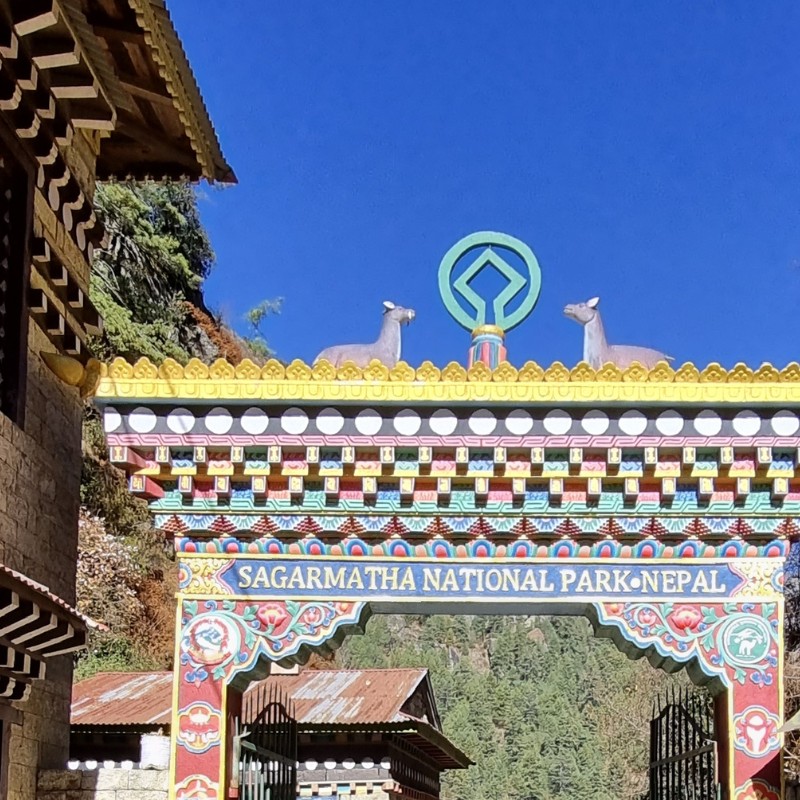
Sagarmatha National Park is globally famous for:
The park offers a unique blend of adventure, spirituality, and natural beauty, attracting trekkers, climbers, photographers, and nature lovers from around the world.
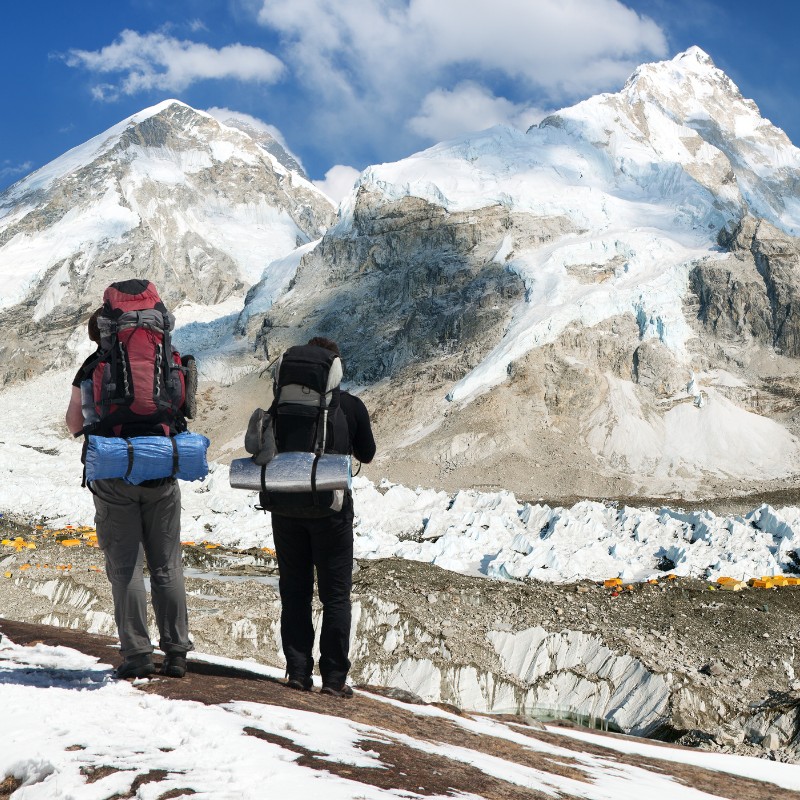
The Everest Base Camp Trek is the most popular trekking route inside Sagarmatha National Park. This legendary Himalayan journey takes trekkers through Namche Bazaar, Tengboche, Dingboche, Lobuche, and Gorakshep before reaching Everest Base Camp at 5,364 meters.
Trekkers enjoy panoramic views of Everest, Ama Dablam, Lhotse, and Nuptse while experiencing Sherpa hospitality and mountain culture.
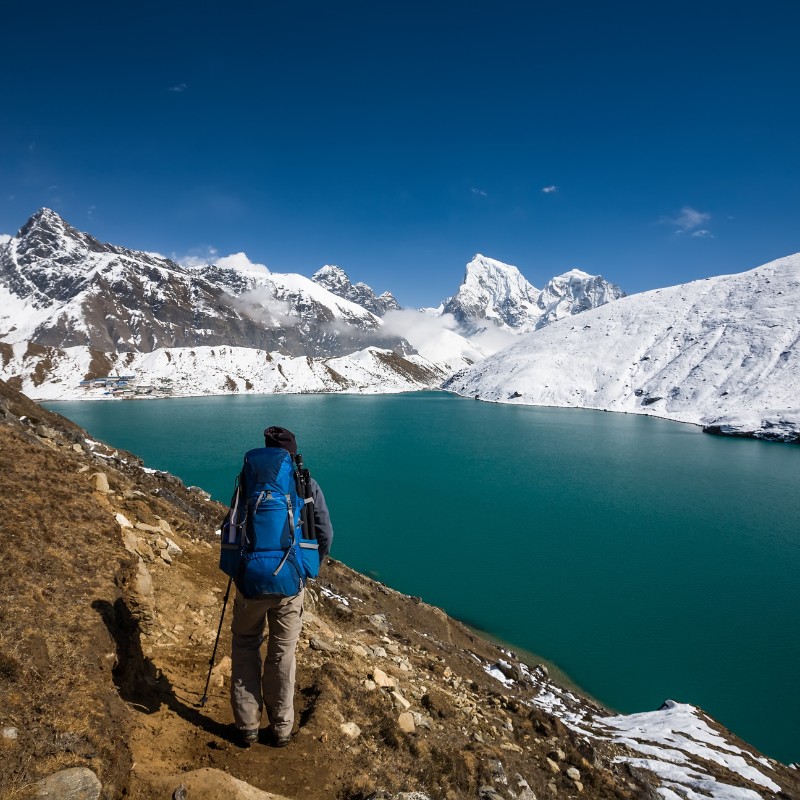
The Gokyo Lakes Trek is another stunning trekking route in Sagarmatha National Park. This trek leads trekkers to the turquoise glacial lakes of Gokyo Valley and offers spectacular views from Gokyo Ri.
For experienced trekkers, the Everest Three Passes Trek offers a challenging adventure crossing Kongma La, Cho La, and Renjo La passes while exploring remote valleys and hidden Himalayan landscapes.
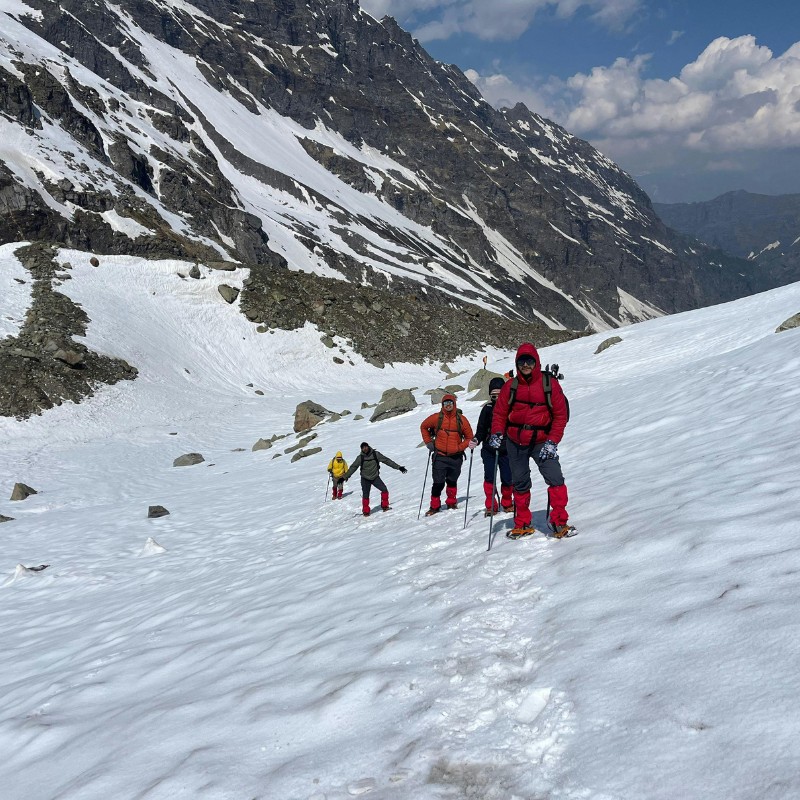
Sagarmatha National Park is one of the world’s premier mountaineering destinations. Popular climbing and adventure activities include:
Island Peak and Lobuche Peak are excellent introductory climbing peaks for trekkers preparing for larger Himalayan expeditions.
One of the most fascinating aspects of Sagarmatha National Park is its vibrant Sherpa culture. The Sherpas are renowned worldwide for their mountaineering skills, hospitality, and deep spiritual connection to the Himalayas.
Traditional Sherpa villages such as:
offer visitors a chance to experience Himalayan culture, Buddhist traditions, prayer flags, mani walls, and ancient monasteries.
The famous Tengboche Monastery is the spiritual center of the Everest region. Located at 3,867 meters, the monastery offers breathtaking views of Everest and Ama Dablam and hosts important Buddhist festivals such as Mani Rimdu.
Sagarmatha National Park features diverse vegetation zones depending on altitude.
At lower elevations, the forests are mainly dominated by pine, hemlock, rhododendron, and juniper trees, creating dense and diverse vegetation. As the altitude increases above 3,500 meters, the landscape gradually changes into silver fir forests, birch trees, alpine meadows, and areas covered with mosses and lichens. At the highest elevations, vegetation becomes very sparse due to harsh conditions such as permanent snow, glaciers, and rocky terrain.
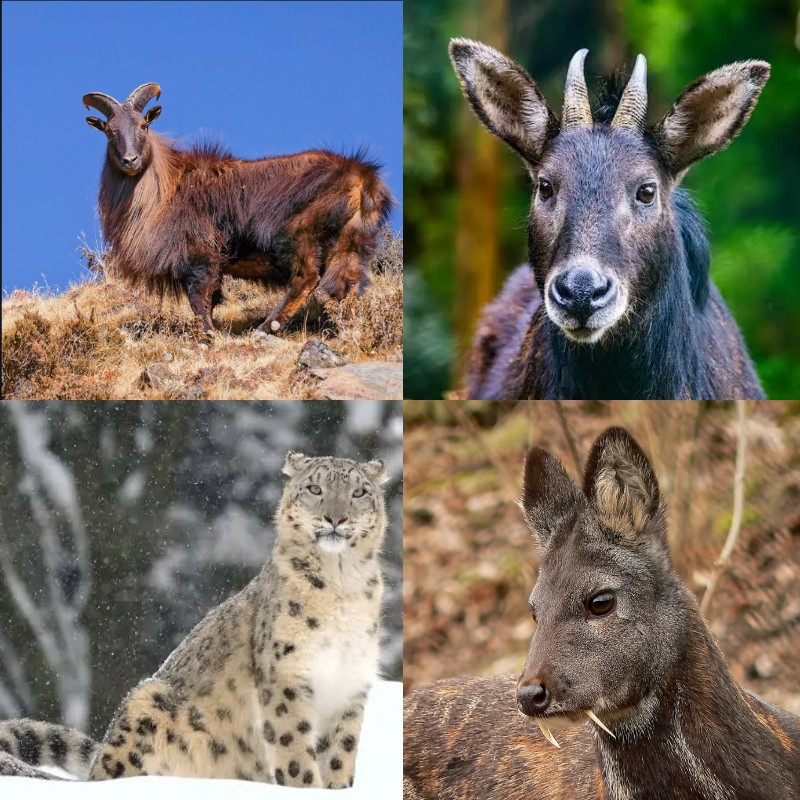
Sagarmatha National Park is home to a wide variety of rare Himalayan wildlife species, making it one of Nepal’s richest high-altitude ecosystems. The park provides habitat for endangered and unique animals such as the snow leopard, Himalayan tahr, musk deer, ghoral, Himalayan black bear, lynx, jackal, weasel, wolf, and pika, also known as the mouse hare. Its rugged mountain environment, extreme climate, and diverse landscapes support an extraordinary range of wildlife specially adapted to life in the high Himalayas.
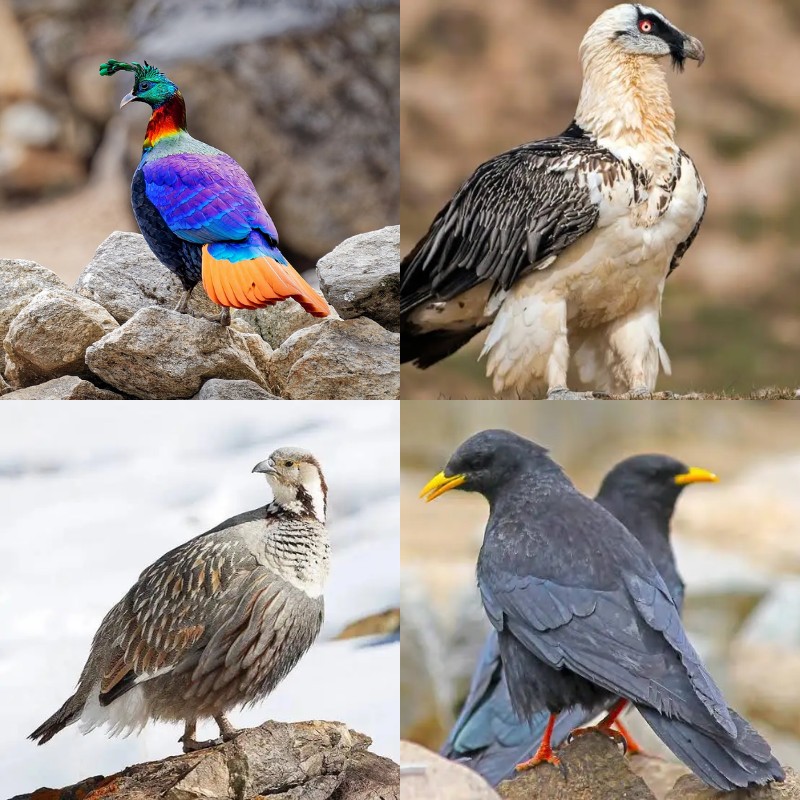
Sagarmatha National Park is also a paradise for birdwatchers, with more than 118 bird species recorded inside the park. Some of the most notable birds found in the region include the Himalayan Monal (Danphe), blood pheasant, snow cock, snow pigeon, Himalayan griffon, red-billed chough, and yellow-billed chough. Among them, the colorful Himalayan Monal, which is Nepal’s national bird, is especially famous for its vibrant feathers and is one of the most photographed birds in the Himalayan region.
Trekkers in Sagarmatha National Park usually stay in:
Teahouses provide simple but comfortable accommodation with warm meals, shared dining halls, and opportunities to experience Sherpa hospitality.
Spring offers blooming rhododendrons, moderate temperatures, and clear mountain views. This is one of the best seasons for trekking and mountaineering.
Autumn is the most popular trekking season due to stable weather, blue skies, and excellent visibility.
Winter brings snow-covered landscapes and fewer crowds, though temperatures can drop below -10°C.
Current Sagarmatha National Park permit fees are:
Trekkers require entry permit and the Khumbu Pasang Lhamu Rural Municipality Permit.
The headquarters of Sagarmatha National Park is located at Mendalphu near Namche Bazaar, the commercial and cultural hub of the Everest region.
Sagarmatha National Park is more than just the home of Mount Everest. It is a place where towering Himalayan peaks, ancient Sherpa culture, glaciers, wildlife, monasteries, and unforgettable trekking adventures come together.
Whether you dream of trekking to Everest Base Camp, climbing Himalayan peaks, spotting rare wildlife, or simply experiencing the beauty of the Himalayas, Sagarmatha National Park offers one of the most extraordinary travel experiences on Earth.
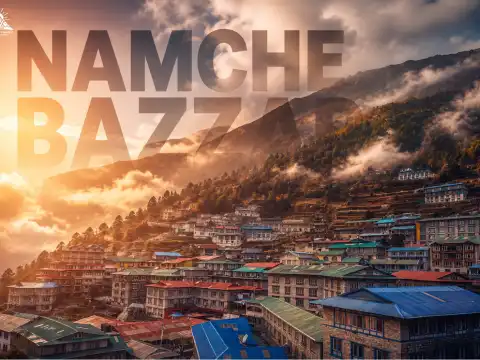
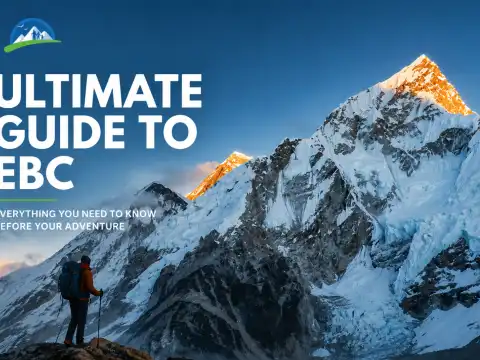
Explore the 8 best things to do in Namche Bazaar during the Everest Base Camp Trek while learning about weather in Namche Bazaar and acclimatization in the Everest region.
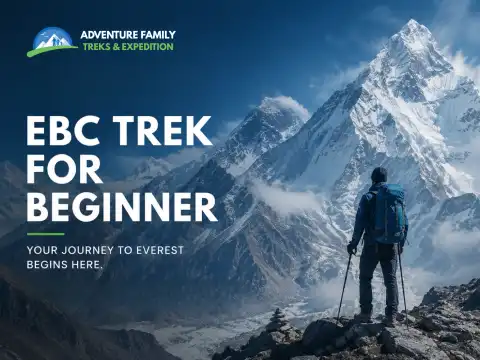
Planning your first Everest Base Camp Trek? Discover beginner-friendly tips, trekking advice, altitude guidance, packing lists, and preparation essentials for a successful Himalayan adventure.
