[{"name":"Everest Base Camp Trek","duration":"14","image_url":"https:\/\/www.adventurefamilytreks.com\/storage\/trip-galleries\/1\/thumb_267f7609e190738f5789263f4581ee8c.webp","offer_price":1399,"url":"https:\/\/www.adventurefamilytreks.com\/trips\/everest-base-camp-trek"},{"name":"Everest Three Passes Trek","duration":"18","image_url":"https:\/\/www.adventurefamilytreks.com\/storage\/trip-galleries\/2\/thumb_0e53861c05eacf22be83d712ebc8262e.webp","offer_price":2549,"url":"https:\/\/www.adventurefamilytreks.com\/trips\/everest-three-passes-trek"},{"name":"Gokyo Lake Trek","duration":"12","image_url":"https:\/\/www.adventurefamilytreks.com\/storage\/trip-galleries\/3\/thumb_e391b4c86379cf4923fdf2c4b19c6627.webp","offer_price":1325,"url":"https:\/\/www.adventurefamilytreks.com\/trips\/gokyo-lake-trek"},{"name":"Everest Panorama Trek","duration":"11","image_url":"https:\/\/www.adventurefamilytreks.com\/storage\/trip-galleries\/4\/thumb_95bcd76d71f2ed77080cc7103aff9eee.webp","offer_price":1255,"url":"https:\/\/www.adventurefamilytreks.com\/trips\/everest-panorama-trek"},{"name":"Annapurna Base Camp Trek","duration":"9","image_url":"https:\/\/www.adventurefamilytreks.com\/storage\/trip-galleries\/5\/thumb_178547896b3136459b4f87627a3a3a6e.webp","offer_price":950,"url":"https:\/\/www.adventurefamilytreks.com\/trips\/annapurna-base-camp-trek"},{"name":"Annapurna Circuit Trek","duration":"17","image_url":"https:\/\/www.adventurefamilytreks.com\/storage\/trip-galleries\/6\/thumb_764d91bdecc6fe371510b4fe6759c5c1.webp","offer_price":1360,"url":"https:\/\/www.adventurefamilytreks.com\/trips\/annapurna-circuit-trek"},{"name":"Ghorepani Poon Hill Trek","duration":"8","image_url":"https:\/\/www.adventurefamilytreks.com\/storage\/trip-galleries\/7\/thumb_ac00562c98cb449924bab4c2a6127b2f.webp","offer_price":499,"url":"https:\/\/www.adventurefamilytreks.com\/trips\/ghorepani-poon-hill-trek"},{"name":"Mardi Himal Trek","duration":"9","image_url":"https:\/\/www.adventurefamilytreks.com\/storage\/trip-galleries\/8\/thumb_cfa64840203bfceedc7bc13315f48167.webp","offer_price":950,"url":"https:\/\/www.adventurefamilytreks.com\/trips\/mardi-himal-trek"},{"name":"Manaslu Circuit Trek","duration":"16","image_url":"https:\/\/www.adventurefamilytreks.com\/storage\/trip-galleries\/9\/thumb_25a43c369c14da548a5c1060511db8af.webp","offer_price":1350,"url":"https:\/\/www.adventurefamilytreks.com\/trips\/manaslu-circuit-trek"},{"name":"Tsum Valley and Manaslu Circuit Trek","duration":"19","image_url":"https:\/\/www.adventurefamilytreks.com\/storage\/trip-galleries\/10\/thumb_75785836f8c5b616ca1089209b5c9114.webp","offer_price":2395,"url":"https:\/\/www.adventurefamilytreks.com\/trips\/tsum-valley-and-manaslu-circuit-trek"},{"name":"Langtang Valley Trek","duration":"10","image_url":"https:\/\/www.adventurefamilytreks.com\/storage\/trip-galleries\/11\/thumb_45fec48f749f7de3de7796f7b990d9c6.webp","offer_price":950,"url":"https:\/\/www.adventurefamilytreks.com\/trips\/langtang-valley-trek"},{"name":"Langtang Valley and Gosainkunda Trek","duration":"14","image_url":"https:\/\/www.adventurefamilytreks.com\/storage\/trip-galleries\/12\/thumb_5a9fdc7afecc2a40e55de88b5fa91354.webp","offer_price":1090,"url":"https:\/\/www.adventurefamilytreks.com\/trips\/langtang-valley-and-gosainkunda-trek"},{"name":"Langtang Gosaikunda and Helambu Trek","duration":"17","image_url":"https:\/\/www.adventurefamilytreks.com\/storage\/trip-galleries\/13\/thumb_31bf05eceaad7335ecc7d6c1d4f82894.webp","offer_price":1105,"url":"https:\/\/www.adventurefamilytreks.com\/trips\/langtang-gosaikunda-and-helambu-trek"},{"name":"Tamang Heritage Trail Trek","duration":"10","image_url":"https:\/\/www.adventurefamilytreks.com\/storage\/trip-galleries\/14\/thumb_e2111974173f92e4b73dfd6cb0a71028.webp","offer_price":795,"url":"https:\/\/www.adventurefamilytreks.com\/trips\/tamang-heritage-trail-trek"},{"name":"Lower Mustang Trek","duration":"10","image_url":"https:\/\/www.adventurefamilytreks.com\/storage\/trip-galleries\/15\/thumb_0331ace1dc2a0b2ce5cd70ef9d111a0c.webp","offer_price":1085,"url":"https:\/\/www.adventurefamilytreks.com\/trips\/lower-mustang-trek"},{"name":"Upper Mustang Overland Tour","duration":"12","image_url":"https:\/\/www.adventurefamilytreks.com\/storage\/trip-galleries\/16\/thumb_6efa991d81256b1e2bdc4c7697d75b76.webp","offer_price":1470,"url":"https:\/\/www.adventurefamilytreks.com\/trips\/upper-mustang-overland-tour"},{"name":"Upper Mustang Trek","duration":"16","image_url":"https:\/\/www.adventurefamilytreks.com\/storage\/trip-galleries\/17\/thumb_ef4cc4eabad957d6fce177afa2467fda.webp","offer_price":1749,"url":"https:\/\/www.adventurefamilytreks.com\/trips\/upper-mustang-trek"},{"name":"Jomsom Muktinath Trekking","duration":"7","image_url":"https:\/\/www.adventurefamilytreks.com\/storage\/trip-galleries\/18\/thumb_459abc824710ec143d3d1b4ac4e9ca2f.webp","offer_price":880,"url":"https:\/\/www.adventurefamilytreks.com\/trips\/jomsom-muktinath-trekking"},{"name":"Everest Base Camp Trek via Gokyo Lake","duration":"18","image_url":"https:\/\/www.adventurefamilytreks.com\/storage\/trip-galleries\/19\/thumb_ed0cd8e82d19354d7648f4567d292ea4.webp","offer_price":1550,"url":"https:\/\/www.adventurefamilytreks.com\/trips\/everest-base-camp-trek-via-gokyo-lake"},{"name":"Pikey Peak Trek","duration":"11","image_url":"https:\/\/www.adventurefamilytreks.com\/storage\/trip-galleries\/20\/thumb_f6c4c9d7fa961381a7ebb39b261ad479.webp","offer_price":795,"url":"https:\/\/www.adventurefamilytreks.com\/trips\/pikey-peak-trek"},{"name":"Annapurna Circuit with Tilicho Lake Trek","duration":"18","image_url":"https:\/\/www.adventurefamilytreks.com\/storage\/trip-galleries\/21\/thumb_42f46fd430bcd10b82b08fa84172a695.webp","offer_price":1420,"url":"https:\/\/www.adventurefamilytreks.com\/trips\/annapurna-circuit-with-tilicho-lake-trek"},{"name":"Kanchenjunga Circuit Trek","duration":"22","image_url":"https:\/\/www.adventurefamilytreks.com\/storage\/trip-galleries\/22\/thumb_57b4698a87bd68798f3b8d19bda7c051.webp","offer_price":2755,"url":"https:\/\/www.adventurefamilytreks.com\/trips\/kanchenjunga-circuit-trek"},{"name":"Lower Dolpo Trek","duration":"18","image_url":"https:\/\/www.adventurefamilytreks.com\/storage\/trip-galleries\/23\/thumb_5f44bdb1e3a48466c738966e98116a90.webp","offer_price":2395,"url":"https:\/\/www.adventurefamilytreks.com\/trips\/lower-dolpo-trek"},{"name":"Upper Dolpo Trek","duration":"24","image_url":"https:\/\/www.adventurefamilytreks.com\/storage\/trip-galleries\/24\/thumb_358dce4b51923768bd638a409a6a2d65.webp","offer_price":3140,"url":"https:\/\/www.adventurefamilytreks.com\/trips\/upper-dolpo-trek"},{"name":"Rara Lake Trek","duration":"15","image_url":"https:\/\/www.adventurefamilytreks.com\/storage\/trip-galleries\/25\/thumb_eb5f3d47ec26a85d1c6df91a05a9d152.webp","offer_price":2299,"url":"https:\/\/www.adventurefamilytreks.com\/trips\/rara-lake-trek"},{"name":"Kathmandu Pokhara Lumbini Chitwan Tour","duration":"10","image_url":"https:\/\/www.adventurefamilytreks.com\/storage\/trip-galleries\/26\/thumb_de043396bb4ce7cea6902ddf4e59a9fe.webp","offer_price":1155,"url":"https:\/\/www.adventurefamilytreks.com\/trips\/kathmandu-pokhara-lumbini-chitwan-tour"},{"name":"Kathmandu Pokhara Lumbini Tour","duration":"8","image_url":"https:\/\/www.adventurefamilytreks.com\/storage\/trip-galleries\/27\/thumb_a73a2b91734ef7fd18d9e3b8b4b250c3.webp","offer_price":1070,"url":"https:\/\/www.adventurefamilytreks.com\/trips\/kathmandu-pokhara-lumbini-tour"},{"name":"Kathmandu Pokhara Chitwan Tour","duration":"8","image_url":"https:\/\/www.adventurefamilytreks.com\/storage\/trip-galleries\/28\/thumb_711054ccb4283af4b1b972714e4a5f41.webp","offer_price":1040,"url":"https:\/\/www.adventurefamilytreks.com\/trips\/kathmandu-pokhara-chitwan-tour"},{"name":"Kathmandu Pokhara Tour","duration":"7","image_url":"https:\/\/www.adventurefamilytreks.com\/storage\/trip-galleries\/29\/thumb_013e25b67e0e0dc65a0bade481e76896.webp","offer_price":890,"url":"https:\/\/www.adventurefamilytreks.com\/trips\/kathmandu-pokhara-tour"},{"name":"Kathmandu Chitwan Tour","duration":"6","image_url":"https:\/\/www.adventurefamilytreks.com\/storage\/trip-galleries\/30\/thumb_019a401ba1cb7c3b960009367df3e163.webp","offer_price":790,"url":"https:\/\/www.adventurefamilytreks.com\/trips\/kathmandu-chitwan-tour"},{"name":"Nepal Highlight Tour","duration":"10","image_url":"https:\/\/www.adventurefamilytreks.com\/storage\/trip-galleries\/31\/thumb_c3749ca10c1940ae9943c8fecc621e75.webp","offer_price":1340,"url":"https:\/\/www.adventurefamilytreks.com\/trips\/nepal-highlight-tour"},{"name":"Nagarkot Sunrise View and Changunarayan Hike","duration":"1","image_url":"https:\/\/www.adventurefamilytreks.com\/storage\/trip-galleries\/32\/thumb_8a77f44e597a8e0499b9ce0e21f53634.webp","offer_price":75,"url":"https:\/\/www.adventurefamilytreks.com\/trips\/nagarkot-sunrise-view-and-changunarayan-hike"},{"name":"Chitwan Jungle Safari Tour","duration":"3","image_url":"https:\/\/www.adventurefamilytreks.com\/storage\/trip-galleries\/33\/thumb_bca35529a62e84527dfc1e699e7edffb.webp","offer_price":305,"url":"https:\/\/www.adventurefamilytreks.com\/trips\/chitwan-jungle-safari-tour"},{"name":"Chitwan Wildlife Adventure Tour","duration":"4","image_url":"https:\/\/www.adventurefamilytreks.com\/storage\/trip-galleries\/34\/thumb_9fb0d6f7644726d75597b3080333d378.webp","offer_price":445,"url":"https:\/\/www.adventurefamilytreks.com\/trips\/chitwan-wildlife-adventure-tour"},{"name":"Bardia National Park Tour","duration":"7","image_url":"https:\/\/www.adventurefamilytreks.com\/storage\/trip-galleries\/35\/thumb_0c1f6dd7e950d1aa9a8cac473953f4b1.webp","offer_price":945,"url":"https:\/\/www.adventurefamilytreks.com\/trips\/bardia-national-park-tour"},{"name":"Hindu Pilgrimage Tour in Nepal","duration":"10","image_url":"https:\/\/www.adventurefamilytreks.com\/storage\/trip-galleries\/36\/thumb_476a3de7ae7d6d2bc5ff518dcddbde33.webp","offer_price":1455,"url":"https:\/\/www.adventurefamilytreks.com\/trips\/hindu-pilgrimage-tour-in-nepal"},{"name":"Buddhist Pilgrimage Tour in Nepal","duration":"8","image_url":"https:\/\/www.adventurefamilytreks.com\/storage\/trip-galleries\/37\/thumb_b0d4276fe307d8ae8be112a481af8f03.webp","offer_price":1050,"url":"https:\/\/www.adventurefamilytreks.com\/trips\/buddhist-pilgrimage-tour-in-nepal"},{"name":"Rara Lake Tour","duration":"9","image_url":"https:\/\/www.adventurefamilytreks.com\/storage\/trip-galleries\/38\/thumb_60fb6ddcc9c7c7cd5ace271c7c8f505b.webp","offer_price":1895,"url":"https:\/\/www.adventurefamilytreks.com\/trips\/rara-lake-tour"},{"name":"Kathmandu Sightseeing Tour","duration":"1","image_url":"https:\/\/www.adventurefamilytreks.com\/storage\/trip-galleries\/39\/thumb_2bb48f23851d0c66d8621872b3cf557c.webp","offer_price":50,"url":"https:\/\/www.adventurefamilytreks.com\/trips\/kathmandu-sightseeing-tour"},{"name":"Everest Base Camp Heli Tour","duration":"1","image_url":"https:\/\/www.adventurefamilytreks.com\/storage\/trip-galleries\/40\/thumb_7b8742eecb74aa7162dd5fd5171ec4e5.webp","offer_price":1435,"url":"https:\/\/www.adventurefamilytreks.com\/trips\/everest-base-camp-heli-tour"},{"name":"Annapurna Base Camp Heli Tour","duration":"1","image_url":"https:\/\/www.adventurefamilytreks.com\/storage\/trip-galleries\/41\/thumb_6e6ff98ec81da8fa61da935637f3c219.webp","offer_price":830,"url":"https:\/\/www.adventurefamilytreks.com\/trips\/annapurna-base-camp-heli-tour"},{"name":"Trishuli River Rafting","duration":"1","image_url":"https:\/\/www.adventurefamilytreks.com\/storage\/trip-galleries\/42\/thumb_e656b3999f28167b8bffb437ad918740.webp","offer_price":65,"url":"https:\/\/www.adventurefamilytreks.com\/trips\/trishuli-river-rafting"},{"name":"Bhote Koshi Bungee Jumping","duration":"1","image_url":"https:\/\/www.adventurefamilytreks.com\/storage\/trip-galleries\/43\/thumb_af71f5edbeff20a6327a3bf0380cacc2.webp","offer_price":235,"url":"https:\/\/www.adventurefamilytreks.com\/trips\/bhote-koshi-bungee-jumping"},{"name":"Paragliding in Pokhara","duration":"1","image_url":"https:\/\/www.adventurefamilytreks.com\/storage\/trip-galleries\/44\/thumb_8a419c3b30480c7e9743cc151538b363.webp","offer_price":70,"url":"https:\/\/www.adventurefamilytreks.com\/trips\/paragliding-in-pokhara"},{"name":"Mera Peak Climbing","duration":"18","image_url":"https:\/\/www.adventurefamilytreks.com\/storage\/trip-galleries\/45\/thumb_183ba6fe9e41d06d63baee8fdf5bea1f.webp","offer_price":2625,"url":"https:\/\/www.adventurefamilytreks.com\/trips\/mera-peak-climbing"},{"name":"Island Peak Climbing","duration":"18","image_url":"https:\/\/www.adventurefamilytreks.com\/storage\/trip-galleries\/46\/thumb_eaef9ff982186ea8a11e136e1fb7983e.webp","offer_price":2210,"url":"https:\/\/www.adventurefamilytreks.com\/trips\/island-peak-climbing"},{"name":"Lobuche Peak Climbing","duration":"17","image_url":"https:\/\/www.adventurefamilytreks.com\/img\/default.gif","offer_price":2250,"url":"https:\/\/www.adventurefamilytreks.com\/trips\/lobuche-peak-climbing"},{"name":"Pisang Peak Climbing","duration":"17","image_url":"https:\/\/www.adventurefamilytreks.com\/img\/default.gif","offer_price":2150,"url":"https:\/\/www.adventurefamilytreks.com\/trips\/pisang-peak-climbing"},{"name":"Tibet Lhasa Tour","duration":"8","image_url":"https:\/\/www.adventurefamilytreks.com\/storage\/trip-galleries\/49\/thumb_b98422dd8eb5c47c26c54f8ee0d73f08.webp","offer_price":2275,"url":"https:\/\/www.adventurefamilytreks.com\/trips\/tibet-lhasa-tour"},{"name":"Kailash Mansarovar Overland Yatra","duration":"13","image_url":"https:\/\/www.adventurefamilytreks.com\/storage\/trip-galleries\/50\/thumb_07faf7a76a0c1cd05cdc5dbac1fe104d.webp","offer_price":2550,"url":"https:\/\/www.adventurefamilytreks.com\/trips\/kailash-mansarovar-overland-yatra"},{"name":"Best Bhutan Tour","duration":"9","image_url":"https:\/\/www.adventurefamilytreks.com\/storage\/trip-galleries\/51\/thumb_4d3c108e80aadaf9f7869b7d58146e69.webp","offer_price":2355,"url":"https:\/\/www.adventurefamilytreks.com\/trips\/best-bhutan-tour"},{"name":"Bhutan Tour from Nepal","duration":"13","image_url":"https:\/\/www.adventurefamilytreks.com\/storage\/trip-galleries\/52\/thumb_6cbc3ac907f7b9f2f04c1142d69f9a8e.webp","offer_price":2585,"url":"https:\/\/www.adventurefamilytreks.com\/trips\/bhutan-tour-from-nepal"},{"name":"Best Of Bhutan Tour","duration":"5","image_url":"https:\/\/www.adventurefamilytreks.com\/storage\/trip-galleries\/53\/thumb_5d8bf7a8e09f0e322ea04ec257fc58b5.webp","offer_price":1785,"url":"https:\/\/www.adventurefamilytreks.com\/trips\/best-of-bhutan-tour"},{"name":"Bhutan Cultural Tour-6 Days","duration":"6","image_url":"https:\/\/www.adventurefamilytreks.com\/storage\/trip-galleries\/55\/thumb_0cf6ea9c199c83529e1ec4f7f9e3ef1e.webp","offer_price":2195,"url":"https:\/\/www.adventurefamilytreks.com\/trips\/bhutan-cultural-tour-6-days"},{"name":"Incredible Bhutan Tour","duration":"8","image_url":"https:\/\/www.adventurefamilytreks.com\/storage\/trip-galleries\/56\/thumb_e85bdd981c795f54d0d8b637fcef4c57.webp","offer_price":2450,"url":"https:\/\/www.adventurefamilytreks.com\/trips\/incredible-bhutan-tour"},{"name":"Kailash Mansarovar Inner Kora","duration":"15","image_url":"https:\/\/www.adventurefamilytreks.com\/img\/default.gif","offer_price":2650,"url":"https:\/\/www.adventurefamilytreks.com\/trips\/kailash-mansarovar-inner-kora"},{"name":"Best of Tibet Tours","duration":"13","image_url":"https:\/\/www.adventurefamilytreks.com\/storage\/trip-galleries\/58\/thumb_8ae3f9dda6019a9584ad2a5b85c31941.webp","offer_price":3265,"url":"https:\/\/www.adventurefamilytreks.com\/trips\/best-of-tibet-tours"},{"name":"Kailash Mansarovar Yatra via Lhasa","duration":"13","image_url":"https:\/\/www.adventurefamilytreks.com\/storage\/trip-galleries\/59\/thumb_bd177e3aa1a94da0b224d8d74d828e2c.webp","offer_price":3130,"url":"https:\/\/www.adventurefamilytreks.com\/trips\/kailash-mansarovar-yatra-via-lhasa"},{"name":"Damodar Kunda Yatra","duration":"10","image_url":"https:\/\/www.adventurefamilytreks.com\/storage\/trip-galleries\/60\/thumb_15fb4316d3c4850cd146a104255a3c49.webp","offer_price":1599,"url":"https:\/\/www.adventurefamilytreks.com\/trips\/damodar-kunda-yatra"}]
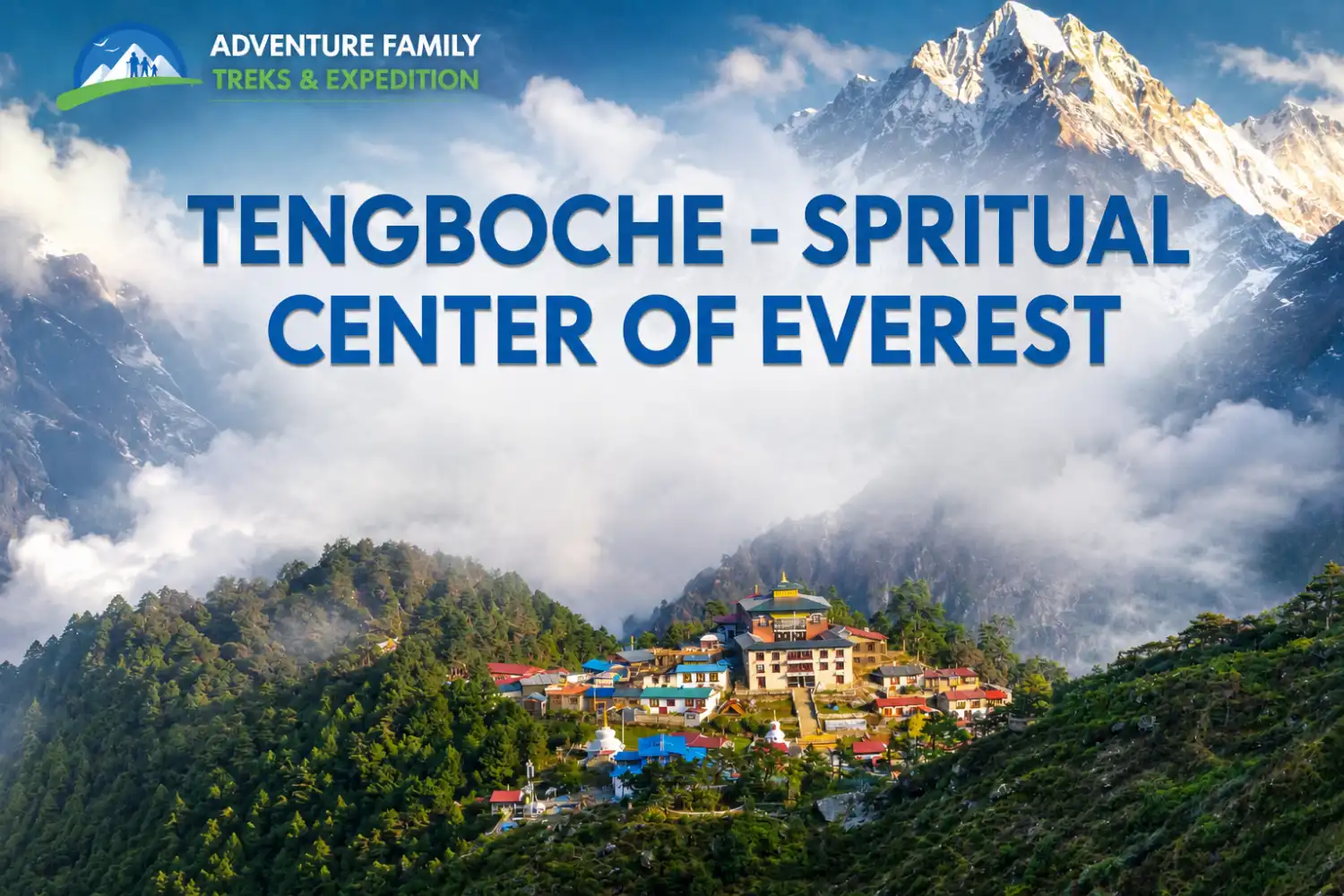
Nestled high in the Khumbu Valley at an elevation of 3,867 meters (12,687 feet), Tengboche Monastery stands as one of Nepal’s most iconic spiritual landmarks. Surrounded by towering Himalayan giants including Mount Everest, Ama Dablam, Lhotse, and Nuptse, this sacred Buddhist monastery is more than just a stop on the Everest Base Camp Trek—it is the cultural and spiritual soul of the Sherpa homeland.
For trekkers, pilgrims, photographers, and spiritual seekers alike, Tengboche offers an unforgettable experience where breathtaking mountain scenery blends harmoniously with centuries-old Tibetan Buddhist traditions.
Introduction to Tengboche
Tengboche, also spelled Thyangboche, is a small Sherpa settlement located in the Solukhumbu district of northeastern Nepal. Despite its modest size, the village holds immense importance because of the renowned Tengboche Monastery, the largest monastery in the Khumbu region.
Situated within Sagarmatha National Park, a UNESCO World Heritage Site, Tengboche serves as a major cultural and spiritual center for the Sherpa people. The monastery’s strategic location along the Everest Base Camp trekking route makes it one of the most visited places in the Himalayas.
The peaceful environment, prayer flags fluttering in the wind, the deep sound of monks chanting prayers, and the spectacular Himalayan backdrop create an atmosphere unlike anywhere else in the world.
History of Tengboche Monastery
Foundation of the Monastery
Tengboche Monastery, also known as Dawa Choling Gompa, was established in 1916 by Lama Gulu, a highly respected Buddhist monk of the Nyingma sect—the oldest school of Tibetan Buddhism.
The monastery shares spiritual ties with Rongbuk Monastery in Tibet, which lies on the northern side of Mount Everest. Since its establishment, Tengboche has played a central role in preserving Buddhist teachings and Sherpa culture in the Everest region.
Destruction and Rebuilding
The monastery has survived several devastating disasters throughout its history.
In 1934, a major earthquake destroyed the original structure.
Local Sherpa communities and skilled artisans from Tibet helped rebuild it.
In 1989, a catastrophic fire caused by an electrical short circuit reduced the monastery to ashes once again.
Following the fire, international organizations, local communities, and supporters—including Sir Edmund Hillary’s Himalayan Trust—contributed to reconstructing the monastery. The current structure stands as a symbol of resilience, faith, and community spirit.
Today, the monastery houses around sixty monks and continues to function as an active center for Buddhist education and worship.
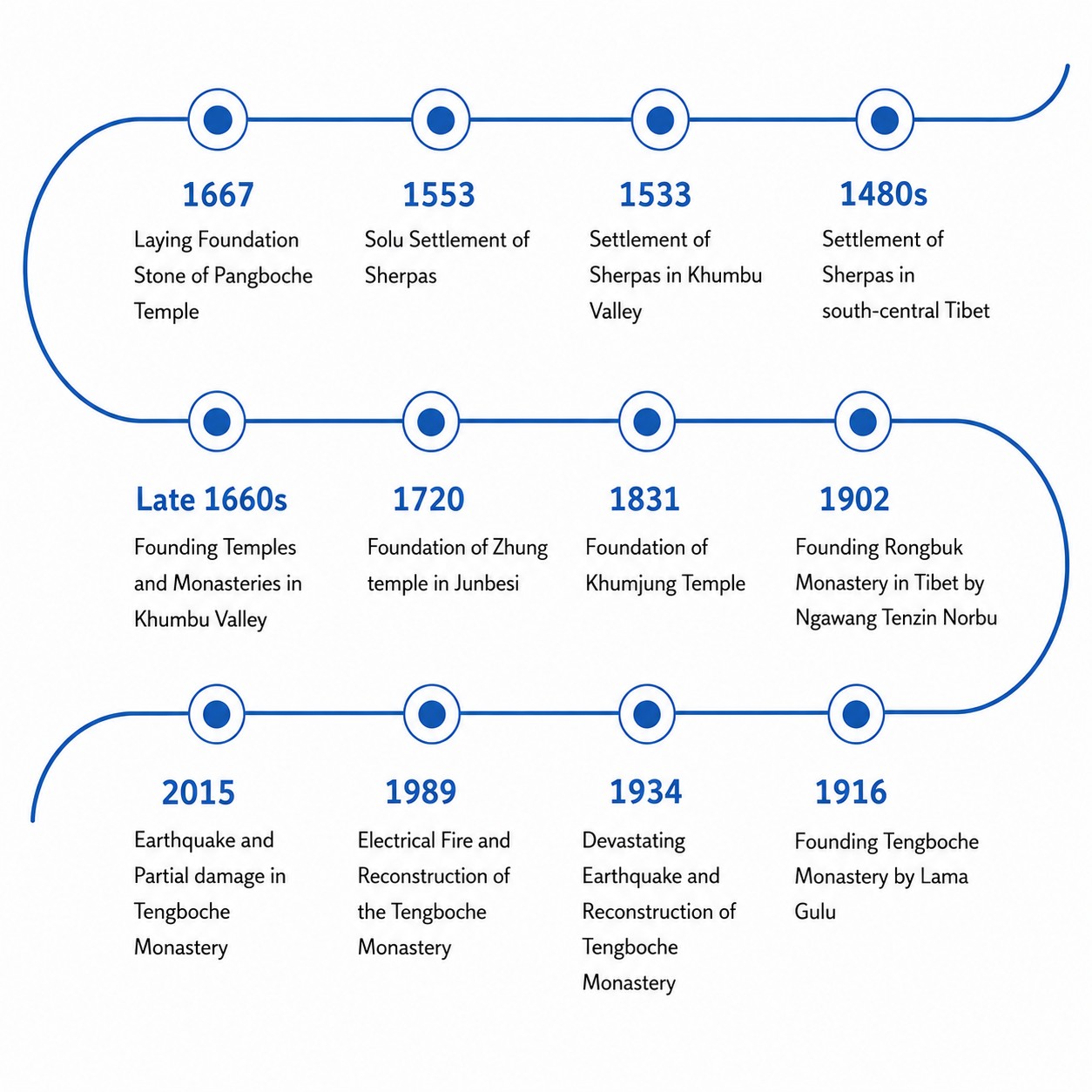
A historical timeline showing the migration of Sherpas, the foundation of monasteries, and major events connected to Tengboche Monastery and the Khumbu region.
Architectural Beauty of Tengboche Monastery
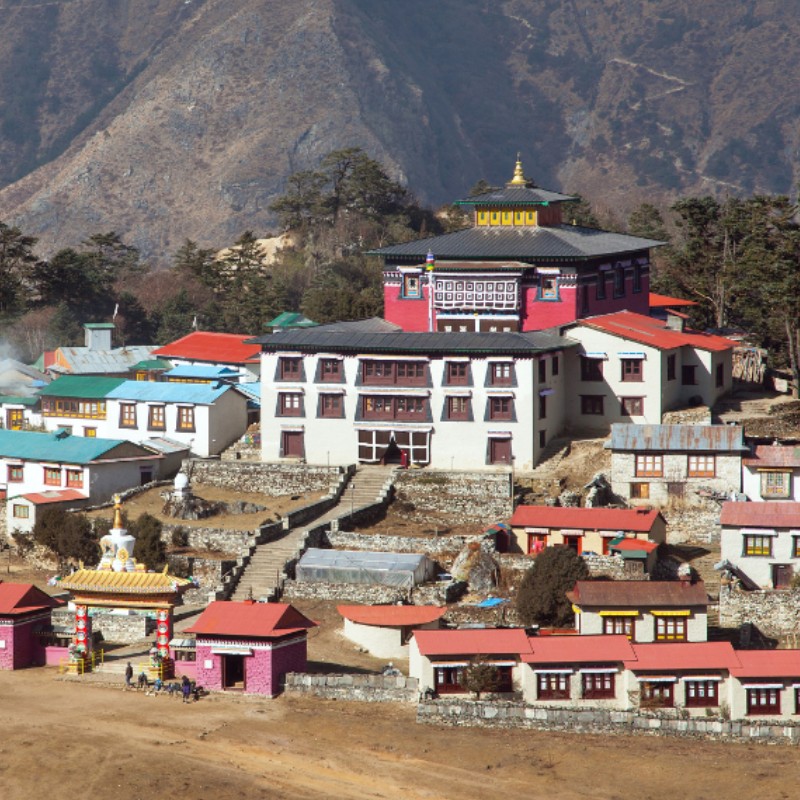
The architecture of Tengboche Monastery beautifully reflects the essence of traditional Tibetan Buddhist design, blending spirituality with Himalayan artistry. The monastery features expansive prayer halls adorned with intricate wall paintings, colorful murals, giant Buddha statues, sacred prayer wheels, and vibrant Tibetan artwork that showcase centuries-old Buddhist traditions. Its ornamental roofs and golden finials stand out dramatically against the backdrop of the snow-capped Himalayas. Inside the main prayer hall, visitors can admire detailed depictions of Buddhist deities and sacred symbols created by skilled Tibetan artists, while the rhythmic chanting of monks and the soothing aroma of burning incense create a deeply spiritual atmosphere. Outside, the monastery courtyard offers one of the most breathtaking panoramic viewpoints in the Everest region, making it a favorite spot for trekkers, pilgrims, and photographers alike.
Himalayan architecture of Tengboche Monastery landscapes in the Khumbu region.
The Spiritual Importance of Tengboche
For the Sherpa community, Tengboche is not simply a monastery—it is the spiritual heart of the Khumbu.
Sherpas frequently visit the monastery to:
Receive blessings
Attend religious ceremonies
Celebrate festivals
Pray for safe mountaineering expeditions
Before climbing Everest or trekking deeper into the Himalayas, many climbers seek blessings from the monks at Tengboche for protection and success.
The monastery also serves as a cultural institution where Buddhist teachings, traditions, and rituals are passed down through generations.
Mani Rimdu Festival: The Soul of Sherpa Culture
One of the greatest attractions of Tengboche is the annual Mani Rimdu Festival, celebrated during October or November according to the Tibetan lunar calendar.
What is Mani Rimdu?
Mani Rimdu is a sacred Buddhist festival involving:
Masked dances (Cham dances)
Ritual ceremonies
Fire pujas
Sand mandala creation
Traditional music and chanting
The festival symbolizes the triumph of Buddhism over evil forces and promotes peace, compassion, and harmony.
Cultural Experience
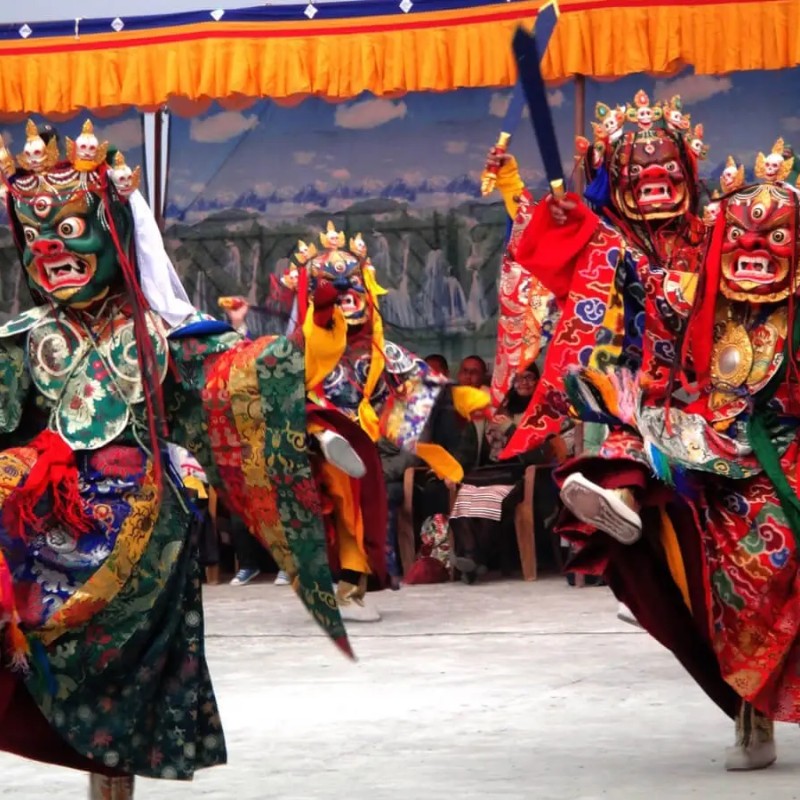
The vibrant masks, colorful costumes, and spiritual dances attract hundreds of visitors from around the world. For travelers, attending Mani Rimdu offers a rare opportunity to witness authentic Himalayan Buddhist traditions in one of the world’s most dramatic settings.
The festival usually lasts nineteen days, although tourists mainly attend the final three public days.
Monks performing sacred masked dances during the colorful Mani Rimdu Festival in Tengboche, Everest region.
Trek Route to Tengboche
Most travelers reach Tengboche as part of the Everest Base Camp Trek.
The typical trekking route includes:
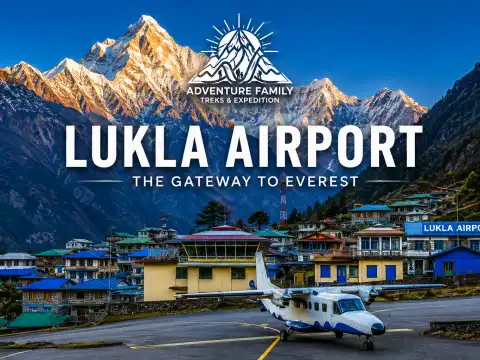
Kathmandu to Lukla flight
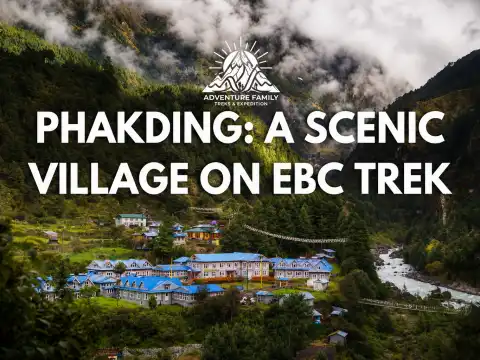
Trek to Phakding
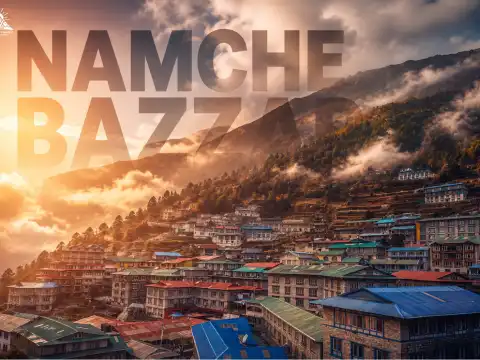
Trek to Namche Bazaar
Trek from Namche Bazaar to Tengboche
The hike from Namche Bazaar to Tengboche is approximately 9 kilometers and usually takes 4–5 hours.
The trail passes through:
Pine forests
Rhododendron woodlands
Suspension bridges
Scenic ridges overlooking Himalayan peaks
The final ascent to Tengboche is steep but incredibly rewarding.
Mountain Views from Tengboche
Tengboche offers some of the finest mountain panoramas in Nepal.
Visible peaks include:
Mount Everest (8,848m)
Ama Dablam
Lhotse
Nuptse
Thamserku
Kangtega
Tawache
Among these, Ama Dablam dominates the skyline with its elegant pyramid shape and dramatic ridges. Sunrise and sunset from Tengboche create magical golden hues across the snow-covered mountains.
Best Time to Visit Tengboche
Spring (March–May)
Spring is one of the best seasons to visit Tengboche because:
Rhododendron forests bloom beautifully
Temperatures are moderate
Mountain views are generally clear
Daytime temperatures range around 10–14°C.
Autumn (September–November)
Autumn is considered the peak trekking season due to:
Stable weather
Crisp mountain visibility
Comfortable trekking conditions
This season also coincides with the Mani Rimdu Festival.
Winter (December–February)
Winter offers peaceful trails and stunning snow-covered landscapes, though temperatures can fall below -15°C at night.
Monsoon (June–August)
The monsoon season brings:
Frequent rainfall
Slippery trails
Cloud-covered mountains
However, the forests become lush and green, offering a quieter trekking experience.
Accommodation and Food in Tengboche
Accommodation in Tengboche mainly consists of:
Teahouses
Lodges
Monastery guesthouses
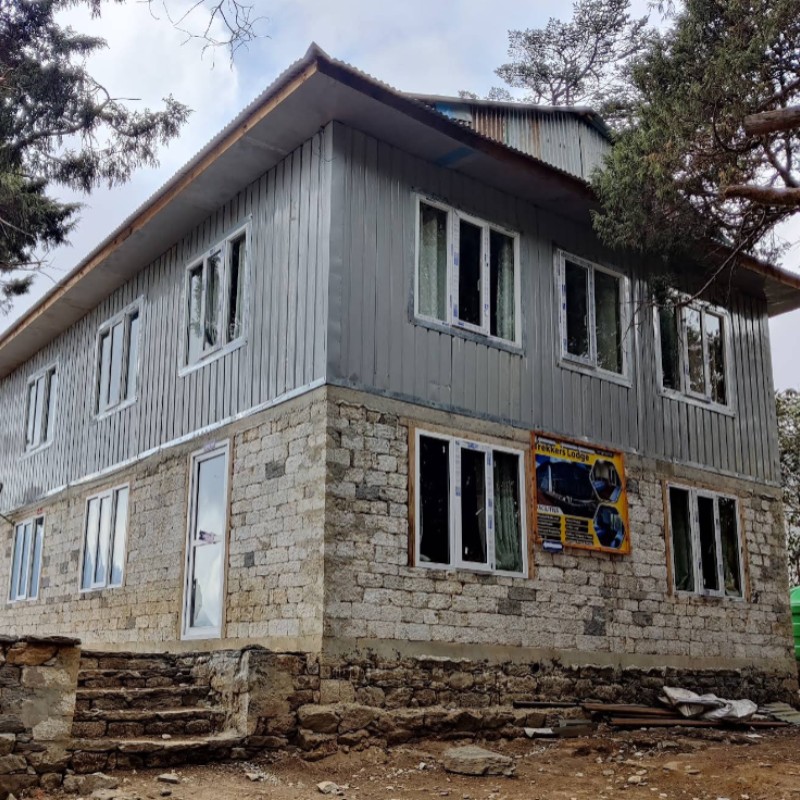
A mountain lodge in Tengboche providing accommodation for trekkers exploring the Everest region of Nepal.
Facilities are basic but comfortable.
Most lodges provide:
Twin-sharing rooms
Shared bathrooms
Communal dining halls
Popular food options in Tengboche include traditional Nepali and Tibetan dishes such as Dal Bhat, Sherpa stew, Tibetan bread, noodles, fried rice, pancakes, pasta, and warm soups that help trekkers stay energized in the cold mountain climate. Most teahouses and lodges in the village provide simple yet comfortable facilities for travelers. Basic amenities like electricity, Wi-Fi, and hot showers are available in some accommodations, although visitors usually need to pay additional charges for these services due to the remote high-altitude location.
Flora and Fauna Around Tengboche
Since Tengboche lies within Sagarmatha National Park, the region is rich in biodiversity.
Wildlife found near Tengboche includes:
Himalayan Tahr
Musk deer
Snow leopard
Blue sheep
Himalayan monal
Tibetan snowcock
The forests surrounding the village are filled with:
Rhododendrons
Pine trees
Juniper shrubs
Spring transforms the trails into colorful natural gardens.
Responsible Tourism in Tengboche
As tourism increases in the Everest region, sustainable trekking practices are becoming increasingly important.
Visitors are encouraged to:
Carry reusable water bottles
Avoid plastic waste
Respect local customs
Stay on marked trails
Support local businesses
Conserve water and electricity
Tengboche Monastery and local communities actively promote eco-friendly tourism to protect the fragile Himalayan ecosystem.
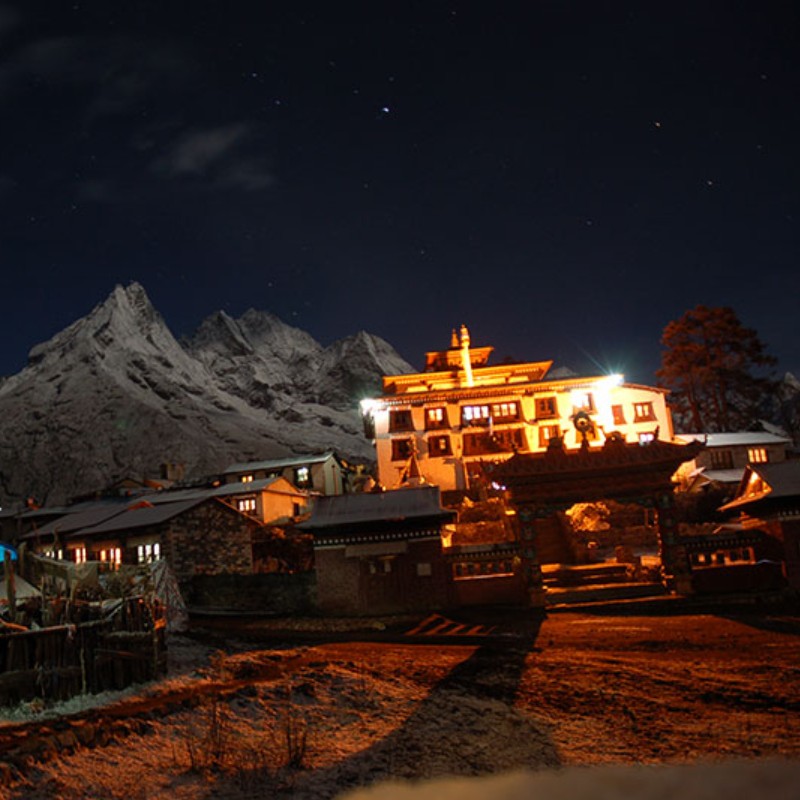
Tengboche Monastery glowing under the Himalayan night sky in Nepal’s Everest region.
Why Tengboche Should Be on Your Bucket List
Tengboche is much more than a trekking destination.
It is:
A spiritual sanctuary
A cultural treasure
A Himalayan viewpoint
A symbol of Sherpa resilience
A gateway to Everest
Whether you are trekking toward Everest Base Camp, seeking spiritual peace, exploring Tibetan Buddhism, or simply looking for breathtaking mountain scenery, Tengboche offers an experience that remains deeply etched in memory.
The combination of sacred traditions, dramatic landscapes, and warm Sherpa hospitality makes Tengboche Monastery one of the most extraordinary destinations in Nepal.