
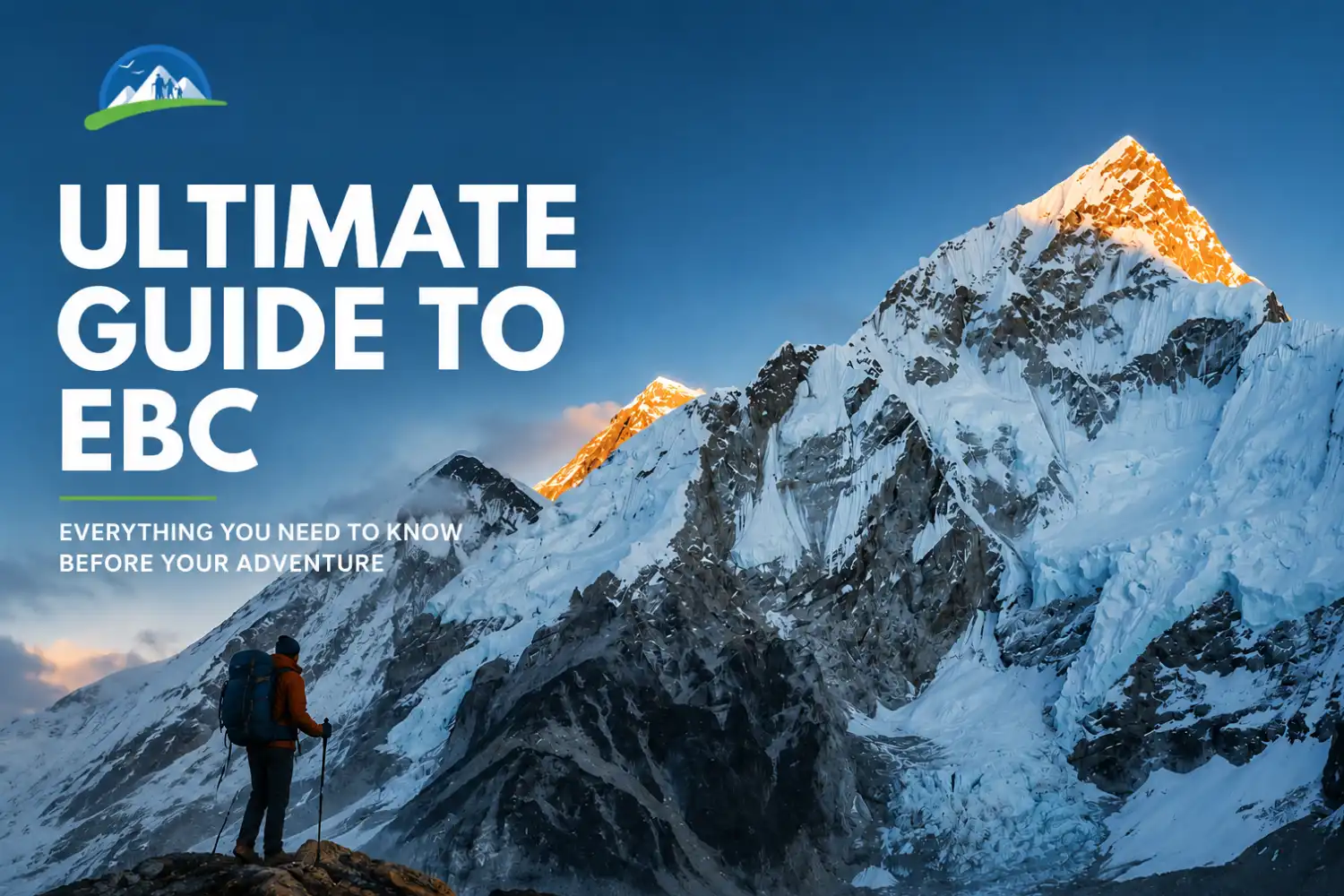
The Everest Base Camp Trek is one of the world’s most iconic trekking adventures. Located in Nepal’s Khumbu region, the trek leads travelers through spectacular Himalayan landscapes, ancient Sherpa villages, Buddhist monasteries, and breathtaking mountain scenery before reaching the base of Mount Everest, the world’s highest peak at 8,848.86 meters.
The Everest Base Camp Trek is not just a physical journey but also a cultural and spiritual experience in the heart of the Himalayas.
| Trek Details | Information |
|---|---|
| Trek Duration | 12–16 Days |
| Maximum Elevation | 5,545m (Kala Patthar) |
| Everest Base Camp Elevation | 5,364m |
| Trek Difficulty | Moderate to Challenging |
| Best Seasons | Spring & Autumn |
| Starting Point | Lukla |
| Accommodation | Tea Houses |
| Trekking Style | Guided or Independent |
| Required Permits | Sagarmatha National Park & Khumbu Permit |
Spring is one of the most popular seasons for the Everest Base Camp Trek.
Highlights:
Autumn offers excellent visibility and comfortable trekking conditions.
Highlights:
Winter trekking is possible but extremely cold at higher elevations.
Advantages:
Monsoon trekking is less recommended due to:
The classic Everest Base Camp Trek follows this route:
Day 1: Fly to Lukla and Trek to Phakding
The adventure begins with a scenic mountain flight from Kathmandu to Lukla.
Day 2: Trek to Namche Bazaar
Trekkers cross suspension bridges and enter Sagarmatha National Park before reaching the famous Sherpa town of Namche Bazaar. Here are some places to visit at Namche Bazzar
Day 3: Acclimatization Day in Namche
Short hikes help the body adapt to altitude while enjoying panoramic mountain views.
Day 4: Trek to Tengboche
The trail leads to the beautiful Tengboche Monastery surrounded by Himalayan peaks.
Day 5: Trek to Dingboche
Trekkers gradually ascend into alpine landscapes.
Day 6: Acclimatization in Dingboche
Optional hikes improve acclimatization before heading higher.
Day 7: Trek to Lobuche
The trail passes memorials dedicated to climbers who lost their lives on Everest.
Day 8: Trek to Everest Base Camp and Return to Gorakshep
The most exciting day of the trek reaches Everest Base Camp itself.
Day 9: Hike to Kala Patthar
Kala Patthar offers the best panoramic sunrise view of Mount Everest.
Day 10–12: Return Trek to Lukla
Trekkers descend through Sherpa villages back to Lukla.
The Everest Base Camp Trek is considered moderately challenging.
Challenges include:
Good physical fitness and preparation are recommended.
Altitude sickness is one of the biggest concerns during the Everest trek.
Common symptoms include:
Tips to Prevent Altitude Sickness
Proper acclimatization days in Namche Bazaar and Dingboche are essential.
Trekkers need two permits:
Sagarmatha National Park Permit: Required for entering the Everest region.
Khumbu Pasang Lhamu Rural Municipality Permit: Local permit for trekking in the Khumbu area.
These permits can be arranged in Kathmandu or Lukla.
Accommodation is mainly in tea houses operated by local Sherpa families.
Tea houses provide:
Higher elevations offer simpler facilities and colder conditions.
Popular meals along the trekking trail include Dal Bhat, noodles, fried rice, Tibetan bread, pancakes, soups, tea, and coffee. Among them, Dal Bhat is the most popular choice for trekkers because it is nutritious, energy-rich, and often served with free refills, making it ideal for long days of trekking in the Himalayas.
The cost varies depending on:
Typical expenses include:
Luxury Everest treks cost significantly more than standard tea house treks.
Flights to Lukla are one of the highlights of the Everest journey.
Important tips:
Trekkers should keep extra buffer days in their itinerary.
The Everest Base Camp Trek offers an unforgettable combination of stunning Himalayan views, warm Sherpa culture and hospitality, thrilling adventure trekking experiences, ancient Buddhist monasteries and traditions, scenic mountain flights to Lukla, iconic viewpoints such as Kala Patthar, and world-famous trekking trails through the heart of the Himalayas. Along the journey, trekkers can witness some of the world’s most spectacular peaks, including Mount Everest, Lhotse, Nuptse, Ama Dablam, Thamserku, and Pumori, creating a truly unforgettable Himalayan adventure.
Important gear includes:
Layered clothing is essential for changing temperatures.
Most tea houses offer:
However, services become more expensive at higher altitudes.
Many first-time trekkers successfully complete the Everest Base Camp Trek.
Preparation tips:
Hiring experienced guides improves safety and comfort.
Trekkers should help protect the fragile Himalayan environment by:
Sustainable tourism helps preserve the Everest region for future generations.
The Everest Base Camp Trek is one of the greatest trekking adventures on Earth. From the dramatic mountain scenery and Sherpa culture to the thrill of reaching Everest Base Camp, every moment of the journey is unforgettable.
Whether you are an experienced trekker or a first-time adventurer, the Everest region offers a life-changing experience filled with natural beauty, cultural richness, and Himalayan inspiration.
