[{"name":"Everest Base Camp Trek","duration":"14","image_url":"https:\/\/www.adventurefamilytreks.com\/storage\/trip-galleries\/1\/thumb_267f7609e190738f5789263f4581ee8c.webp","offer_price":1399,"url":"https:\/\/www.adventurefamilytreks.com\/trips\/everest-base-camp-trek"},{"name":"Everest Three Passes Trek","duration":"18","image_url":"https:\/\/www.adventurefamilytreks.com\/storage\/trip-galleries\/2\/thumb_0e53861c05eacf22be83d712ebc8262e.webp","offer_price":2549,"url":"https:\/\/www.adventurefamilytreks.com\/trips\/everest-three-passes-trek"},{"name":"Gokyo Lake Trek","duration":"12","image_url":"https:\/\/www.adventurefamilytreks.com\/storage\/trip-galleries\/3\/thumb_e391b4c86379cf4923fdf2c4b19c6627.webp","offer_price":1325,"url":"https:\/\/www.adventurefamilytreks.com\/trips\/gokyo-lake-trek"},{"name":"Everest Panorama Trek","duration":"11","image_url":"https:\/\/www.adventurefamilytreks.com\/storage\/trip-galleries\/4\/thumb_95bcd76d71f2ed77080cc7103aff9eee.webp","offer_price":1255,"url":"https:\/\/www.adventurefamilytreks.com\/trips\/everest-panorama-trek"},{"name":"Annapurna Base Camp Trek","duration":"9","image_url":"https:\/\/www.adventurefamilytreks.com\/storage\/trip-galleries\/5\/thumb_178547896b3136459b4f87627a3a3a6e.webp","offer_price":950,"url":"https:\/\/www.adventurefamilytreks.com\/trips\/annapurna-base-camp-trek"},{"name":"Annapurna Circuit Trek","duration":"17","image_url":"https:\/\/www.adventurefamilytreks.com\/storage\/trip-galleries\/6\/thumb_764d91bdecc6fe371510b4fe6759c5c1.webp","offer_price":1360,"url":"https:\/\/www.adventurefamilytreks.com\/trips\/annapurna-circuit-trek"},{"name":"Ghorepani Poon Hill Trek","duration":"8","image_url":"https:\/\/www.adventurefamilytreks.com\/storage\/trip-galleries\/7\/thumb_ac00562c98cb449924bab4c2a6127b2f.webp","offer_price":499,"url":"https:\/\/www.adventurefamilytreks.com\/trips\/ghorepani-poon-hill-trek"},{"name":"Mardi Himal Trek","duration":"9","image_url":"https:\/\/www.adventurefamilytreks.com\/storage\/trip-galleries\/8\/thumb_cfa64840203bfceedc7bc13315f48167.webp","offer_price":950,"url":"https:\/\/www.adventurefamilytreks.com\/trips\/mardi-himal-trek"},{"name":"Manaslu Circuit Trek","duration":"16","image_url":"https:\/\/www.adventurefamilytreks.com\/storage\/trip-galleries\/9\/thumb_25a43c369c14da548a5c1060511db8af.webp","offer_price":1350,"url":"https:\/\/www.adventurefamilytreks.com\/trips\/manaslu-circuit-trek"},{"name":"Tsum Valley and Manaslu Circuit Trek","duration":"19","image_url":"https:\/\/www.adventurefamilytreks.com\/storage\/trip-galleries\/10\/thumb_75785836f8c5b616ca1089209b5c9114.webp","offer_price":2395,"url":"https:\/\/www.adventurefamilytreks.com\/trips\/tsum-valley-and-manaslu-circuit-trek"},{"name":"Langtang Valley Trek","duration":"10","image_url":"https:\/\/www.adventurefamilytreks.com\/storage\/trip-galleries\/11\/thumb_45fec48f749f7de3de7796f7b990d9c6.webp","offer_price":950,"url":"https:\/\/www.adventurefamilytreks.com\/trips\/langtang-valley-trek"},{"name":"Langtang Valley and Gosainkunda Trek","duration":"14","image_url":"https:\/\/www.adventurefamilytreks.com\/storage\/trip-galleries\/12\/thumb_5a9fdc7afecc2a40e55de88b5fa91354.webp","offer_price":1090,"url":"https:\/\/www.adventurefamilytreks.com\/trips\/langtang-valley-and-gosainkunda-trek"},{"name":"Langtang Gosaikunda and Helambu Trek","duration":"17","image_url":"https:\/\/www.adventurefamilytreks.com\/storage\/trip-galleries\/13\/thumb_31bf05eceaad7335ecc7d6c1d4f82894.webp","offer_price":1105,"url":"https:\/\/www.adventurefamilytreks.com\/trips\/langtang-gosaikunda-and-helambu-trek"},{"name":"Tamang Heritage Trail Trek","duration":"10","image_url":"https:\/\/www.adventurefamilytreks.com\/storage\/trip-galleries\/14\/thumb_e2111974173f92e4b73dfd6cb0a71028.webp","offer_price":795,"url":"https:\/\/www.adventurefamilytreks.com\/trips\/tamang-heritage-trail-trek"},{"name":"Lower Mustang Trek","duration":"10","image_url":"https:\/\/www.adventurefamilytreks.com\/storage\/trip-galleries\/15\/thumb_0331ace1dc2a0b2ce5cd70ef9d111a0c.webp","offer_price":1085,"url":"https:\/\/www.adventurefamilytreks.com\/trips\/lower-mustang-trek"},{"name":"Upper Mustang Overland Tour","duration":"12","image_url":"https:\/\/www.adventurefamilytreks.com\/storage\/trip-galleries\/16\/thumb_6efa991d81256b1e2bdc4c7697d75b76.webp","offer_price":1470,"url":"https:\/\/www.adventurefamilytreks.com\/trips\/upper-mustang-overland-tour"},{"name":"Upper Mustang Trek","duration":"16","image_url":"https:\/\/www.adventurefamilytreks.com\/storage\/trip-galleries\/17\/thumb_ef4cc4eabad957d6fce177afa2467fda.webp","offer_price":1749,"url":"https:\/\/www.adventurefamilytreks.com\/trips\/upper-mustang-trek"},{"name":"Jomsom Muktinath Trekking","duration":"7","image_url":"https:\/\/www.adventurefamilytreks.com\/storage\/trip-galleries\/18\/thumb_459abc824710ec143d3d1b4ac4e9ca2f.webp","offer_price":880,"url":"https:\/\/www.adventurefamilytreks.com\/trips\/jomsom-muktinath-trekking"},{"name":"Everest Base Camp Trek via Gokyo Lake","duration":"18","image_url":"https:\/\/www.adventurefamilytreks.com\/storage\/trip-galleries\/19\/thumb_ed0cd8e82d19354d7648f4567d292ea4.webp","offer_price":1550,"url":"https:\/\/www.adventurefamilytreks.com\/trips\/everest-base-camp-trek-via-gokyo-lake"},{"name":"Pikey Peak Trek","duration":"11","image_url":"https:\/\/www.adventurefamilytreks.com\/storage\/trip-galleries\/20\/thumb_f6c4c9d7fa961381a7ebb39b261ad479.webp","offer_price":795,"url":"https:\/\/www.adventurefamilytreks.com\/trips\/pikey-peak-trek"},{"name":"Annapurna Circuit with Tilicho Lake Trek","duration":"18","image_url":"https:\/\/www.adventurefamilytreks.com\/storage\/trip-galleries\/21\/thumb_42f46fd430bcd10b82b08fa84172a695.webp","offer_price":1420,"url":"https:\/\/www.adventurefamilytreks.com\/trips\/annapurna-circuit-with-tilicho-lake-trek"},{"name":"Kanchenjunga Circuit Trek","duration":"22","image_url":"https:\/\/www.adventurefamilytreks.com\/storage\/trip-galleries\/22\/thumb_57b4698a87bd68798f3b8d19bda7c051.webp","offer_price":2755,"url":"https:\/\/www.adventurefamilytreks.com\/trips\/kanchenjunga-circuit-trek"},{"name":"Lower Dolpo Trek","duration":"18","image_url":"https:\/\/www.adventurefamilytreks.com\/storage\/trip-galleries\/23\/thumb_5f44bdb1e3a48466c738966e98116a90.webp","offer_price":2395,"url":"https:\/\/www.adventurefamilytreks.com\/trips\/lower-dolpo-trek"},{"name":"Upper Dolpo Trek","duration":"24","image_url":"https:\/\/www.adventurefamilytreks.com\/storage\/trip-galleries\/24\/thumb_358dce4b51923768bd638a409a6a2d65.webp","offer_price":3140,"url":"https:\/\/www.adventurefamilytreks.com\/trips\/upper-dolpo-trek"},{"name":"Rara Lake Trek","duration":"15","image_url":"https:\/\/www.adventurefamilytreks.com\/storage\/trip-galleries\/25\/thumb_eb5f3d47ec26a85d1c6df91a05a9d152.webp","offer_price":2299,"url":"https:\/\/www.adventurefamilytreks.com\/trips\/rara-lake-trek"},{"name":"Kathmandu Pokhara Lumbini Chitwan Tour","duration":"10","image_url":"https:\/\/www.adventurefamilytreks.com\/storage\/trip-galleries\/26\/thumb_de043396bb4ce7cea6902ddf4e59a9fe.webp","offer_price":1155,"url":"https:\/\/www.adventurefamilytreks.com\/trips\/kathmandu-pokhara-lumbini-chitwan-tour"},{"name":"Kathmandu Pokhara Lumbini Tour","duration":"8","image_url":"https:\/\/www.adventurefamilytreks.com\/storage\/trip-galleries\/27\/thumb_a73a2b91734ef7fd18d9e3b8b4b250c3.webp","offer_price":1070,"url":"https:\/\/www.adventurefamilytreks.com\/trips\/kathmandu-pokhara-lumbini-tour"},{"name":"Kathmandu Pokhara Chitwan Tour","duration":"8","image_url":"https:\/\/www.adventurefamilytreks.com\/storage\/trip-galleries\/28\/thumb_711054ccb4283af4b1b972714e4a5f41.webp","offer_price":1040,"url":"https:\/\/www.adventurefamilytreks.com\/trips\/kathmandu-pokhara-chitwan-tour"},{"name":"Kathmandu Pokhara Tour","duration":"7","image_url":"https:\/\/www.adventurefamilytreks.com\/storage\/trip-galleries\/29\/thumb_013e25b67e0e0dc65a0bade481e76896.webp","offer_price":890,"url":"https:\/\/www.adventurefamilytreks.com\/trips\/kathmandu-pokhara-tour"},{"name":"Kathmandu Chitwan Tour","duration":"6","image_url":"https:\/\/www.adventurefamilytreks.com\/storage\/trip-galleries\/30\/thumb_019a401ba1cb7c3b960009367df3e163.webp","offer_price":790,"url":"https:\/\/www.adventurefamilytreks.com\/trips\/kathmandu-chitwan-tour"},{"name":"Nepal Highlight Tour","duration":"10","image_url":"https:\/\/www.adventurefamilytreks.com\/storage\/trip-galleries\/31\/thumb_c3749ca10c1940ae9943c8fecc621e75.webp","offer_price":1340,"url":"https:\/\/www.adventurefamilytreks.com\/trips\/nepal-highlight-tour"},{"name":"Nagarkot Sunrise View and Changunarayan Hike","duration":"1","image_url":"https:\/\/www.adventurefamilytreks.com\/storage\/trip-galleries\/32\/thumb_8a77f44e597a8e0499b9ce0e21f53634.webp","offer_price":75,"url":"https:\/\/www.adventurefamilytreks.com\/trips\/nagarkot-sunrise-view-and-changunarayan-hike"},{"name":"Chitwan Jungle Safari Tour","duration":"3","image_url":"https:\/\/www.adventurefamilytreks.com\/storage\/trip-galleries\/33\/thumb_bca35529a62e84527dfc1e699e7edffb.webp","offer_price":305,"url":"https:\/\/www.adventurefamilytreks.com\/trips\/chitwan-jungle-safari-tour"},{"name":"Chitwan Wildlife Adventure Tour","duration":"4","image_url":"https:\/\/www.adventurefamilytreks.com\/storage\/trip-galleries\/34\/thumb_9fb0d6f7644726d75597b3080333d378.webp","offer_price":445,"url":"https:\/\/www.adventurefamilytreks.com\/trips\/chitwan-wildlife-adventure-tour"},{"name":"Bardia National Park Tour","duration":"7","image_url":"https:\/\/www.adventurefamilytreks.com\/storage\/trip-galleries\/35\/thumb_0c1f6dd7e950d1aa9a8cac473953f4b1.webp","offer_price":945,"url":"https:\/\/www.adventurefamilytreks.com\/trips\/bardia-national-park-tour"},{"name":"Hindu Pilgrimage Tour in Nepal","duration":"10","image_url":"https:\/\/www.adventurefamilytreks.com\/storage\/trip-galleries\/36\/thumb_476a3de7ae7d6d2bc5ff518dcddbde33.webp","offer_price":1455,"url":"https:\/\/www.adventurefamilytreks.com\/trips\/hindu-pilgrimage-tour-in-nepal"},{"name":"Buddhist Pilgrimage Tour in Nepal","duration":"8","image_url":"https:\/\/www.adventurefamilytreks.com\/storage\/trip-galleries\/37\/thumb_b0d4276fe307d8ae8be112a481af8f03.webp","offer_price":1050,"url":"https:\/\/www.adventurefamilytreks.com\/trips\/buddhist-pilgrimage-tour-in-nepal"},{"name":"Rara Lake Tour","duration":"9","image_url":"https:\/\/www.adventurefamilytreks.com\/storage\/trip-galleries\/38\/thumb_60fb6ddcc9c7c7cd5ace271c7c8f505b.webp","offer_price":1895,"url":"https:\/\/www.adventurefamilytreks.com\/trips\/rara-lake-tour"},{"name":"Kathmandu Sightseeing Tour","duration":"1","image_url":"https:\/\/www.adventurefamilytreks.com\/storage\/trip-galleries\/39\/thumb_2bb48f23851d0c66d8621872b3cf557c.webp","offer_price":50,"url":"https:\/\/www.adventurefamilytreks.com\/trips\/kathmandu-sightseeing-tour"},{"name":"Everest Base Camp Heli Tour","duration":"1","image_url":"https:\/\/www.adventurefamilytreks.com\/storage\/trip-galleries\/40\/thumb_7b8742eecb74aa7162dd5fd5171ec4e5.webp","offer_price":1435,"url":"https:\/\/www.adventurefamilytreks.com\/trips\/everest-base-camp-heli-tour"},{"name":"Annapurna Base Camp Heli Tour","duration":"1","image_url":"https:\/\/www.adventurefamilytreks.com\/storage\/trip-galleries\/41\/thumb_6e6ff98ec81da8fa61da935637f3c219.webp","offer_price":830,"url":"https:\/\/www.adventurefamilytreks.com\/trips\/annapurna-base-camp-heli-tour"},{"name":"Trishuli River Rafting","duration":"1","image_url":"https:\/\/www.adventurefamilytreks.com\/storage\/trip-galleries\/42\/thumb_e656b3999f28167b8bffb437ad918740.webp","offer_price":65,"url":"https:\/\/www.adventurefamilytreks.com\/trips\/trishuli-river-rafting"},{"name":"Bhote Koshi Bungee Jumping","duration":"1","image_url":"https:\/\/www.adventurefamilytreks.com\/storage\/trip-galleries\/43\/thumb_af71f5edbeff20a6327a3bf0380cacc2.webp","offer_price":235,"url":"https:\/\/www.adventurefamilytreks.com\/trips\/bhote-koshi-bungee-jumping"},{"name":"Paragliding in Pokhara","duration":"1","image_url":"https:\/\/www.adventurefamilytreks.com\/storage\/trip-galleries\/44\/thumb_8a419c3b30480c7e9743cc151538b363.webp","offer_price":70,"url":"https:\/\/www.adventurefamilytreks.com\/trips\/paragliding-in-pokhara"},{"name":"Mera Peak Climbing","duration":"18","image_url":"https:\/\/www.adventurefamilytreks.com\/storage\/trip-galleries\/45\/thumb_183ba6fe9e41d06d63baee8fdf5bea1f.webp","offer_price":2625,"url":"https:\/\/www.adventurefamilytreks.com\/trips\/mera-peak-climbing"},{"name":"Island Peak Climbing","duration":"18","image_url":"https:\/\/www.adventurefamilytreks.com\/storage\/trip-galleries\/46\/thumb_eaef9ff982186ea8a11e136e1fb7983e.webp","offer_price":2210,"url":"https:\/\/www.adventurefamilytreks.com\/trips\/island-peak-climbing"},{"name":"Lobuche Peak Climbing","duration":"17","image_url":"https:\/\/www.adventurefamilytreks.com\/img\/default.gif","offer_price":2250,"url":"https:\/\/www.adventurefamilytreks.com\/trips\/lobuche-peak-climbing"},{"name":"Pisang Peak Climbing","duration":"17","image_url":"https:\/\/www.adventurefamilytreks.com\/img\/default.gif","offer_price":2150,"url":"https:\/\/www.adventurefamilytreks.com\/trips\/pisang-peak-climbing"},{"name":"Tibet Lhasa Tour","duration":"8","image_url":"https:\/\/www.adventurefamilytreks.com\/storage\/trip-galleries\/49\/thumb_b98422dd8eb5c47c26c54f8ee0d73f08.webp","offer_price":2275,"url":"https:\/\/www.adventurefamilytreks.com\/trips\/tibet-lhasa-tour"},{"name":"Kailash Mansarovar Overland Yatra","duration":"13","image_url":"https:\/\/www.adventurefamilytreks.com\/storage\/trip-galleries\/50\/thumb_07faf7a76a0c1cd05cdc5dbac1fe104d.webp","offer_price":2550,"url":"https:\/\/www.adventurefamilytreks.com\/trips\/kailash-mansarovar-overland-yatra"},{"name":"Best Bhutan Tour","duration":"9","image_url":"https:\/\/www.adventurefamilytreks.com\/storage\/trip-galleries\/51\/thumb_4d3c108e80aadaf9f7869b7d58146e69.webp","offer_price":2355,"url":"https:\/\/www.adventurefamilytreks.com\/trips\/best-bhutan-tour"},{"name":"Bhutan Tour from Nepal","duration":"13","image_url":"https:\/\/www.adventurefamilytreks.com\/storage\/trip-galleries\/52\/thumb_6cbc3ac907f7b9f2f04c1142d69f9a8e.webp","offer_price":2585,"url":"https:\/\/www.adventurefamilytreks.com\/trips\/bhutan-tour-from-nepal"},{"name":"Best Of Bhutan Tour","duration":"5","image_url":"https:\/\/www.adventurefamilytreks.com\/storage\/trip-galleries\/53\/thumb_5d8bf7a8e09f0e322ea04ec257fc58b5.webp","offer_price":1785,"url":"https:\/\/www.adventurefamilytreks.com\/trips\/best-of-bhutan-tour"},{"name":"Bhutan Cultural Tour-6 Days","duration":"6","image_url":"https:\/\/www.adventurefamilytreks.com\/storage\/trip-galleries\/55\/thumb_0cf6ea9c199c83529e1ec4f7f9e3ef1e.webp","offer_price":2195,"url":"https:\/\/www.adventurefamilytreks.com\/trips\/bhutan-cultural-tour-6-days"},{"name":"Incredible Bhutan Tour","duration":"8","image_url":"https:\/\/www.adventurefamilytreks.com\/storage\/trip-galleries\/56\/thumb_e85bdd981c795f54d0d8b637fcef4c57.webp","offer_price":2450,"url":"https:\/\/www.adventurefamilytreks.com\/trips\/incredible-bhutan-tour"},{"name":"Kailash Mansarovar Inner Kora","duration":"15","image_url":"https:\/\/www.adventurefamilytreks.com\/img\/default.gif","offer_price":2650,"url":"https:\/\/www.adventurefamilytreks.com\/trips\/kailash-mansarovar-inner-kora"},{"name":"Best of Tibet Tours","duration":"13","image_url":"https:\/\/www.adventurefamilytreks.com\/storage\/trip-galleries\/58\/thumb_8ae3f9dda6019a9584ad2a5b85c31941.webp","offer_price":3265,"url":"https:\/\/www.adventurefamilytreks.com\/trips\/best-of-tibet-tours"},{"name":"Kailash Mansarovar Yatra via Lhasa","duration":"13","image_url":"https:\/\/www.adventurefamilytreks.com\/storage\/trip-galleries\/59\/thumb_bd177e3aa1a94da0b224d8d74d828e2c.webp","offer_price":3130,"url":"https:\/\/www.adventurefamilytreks.com\/trips\/kailash-mansarovar-yatra-via-lhasa"},{"name":"Damodar Kunda Yatra","duration":"10","image_url":"https:\/\/www.adventurefamilytreks.com\/storage\/trip-galleries\/60\/thumb_15fb4316d3c4850cd146a104255a3c49.webp","offer_price":1599,"url":"https:\/\/www.adventurefamilytreks.com\/trips\/damodar-kunda-yatra"}]
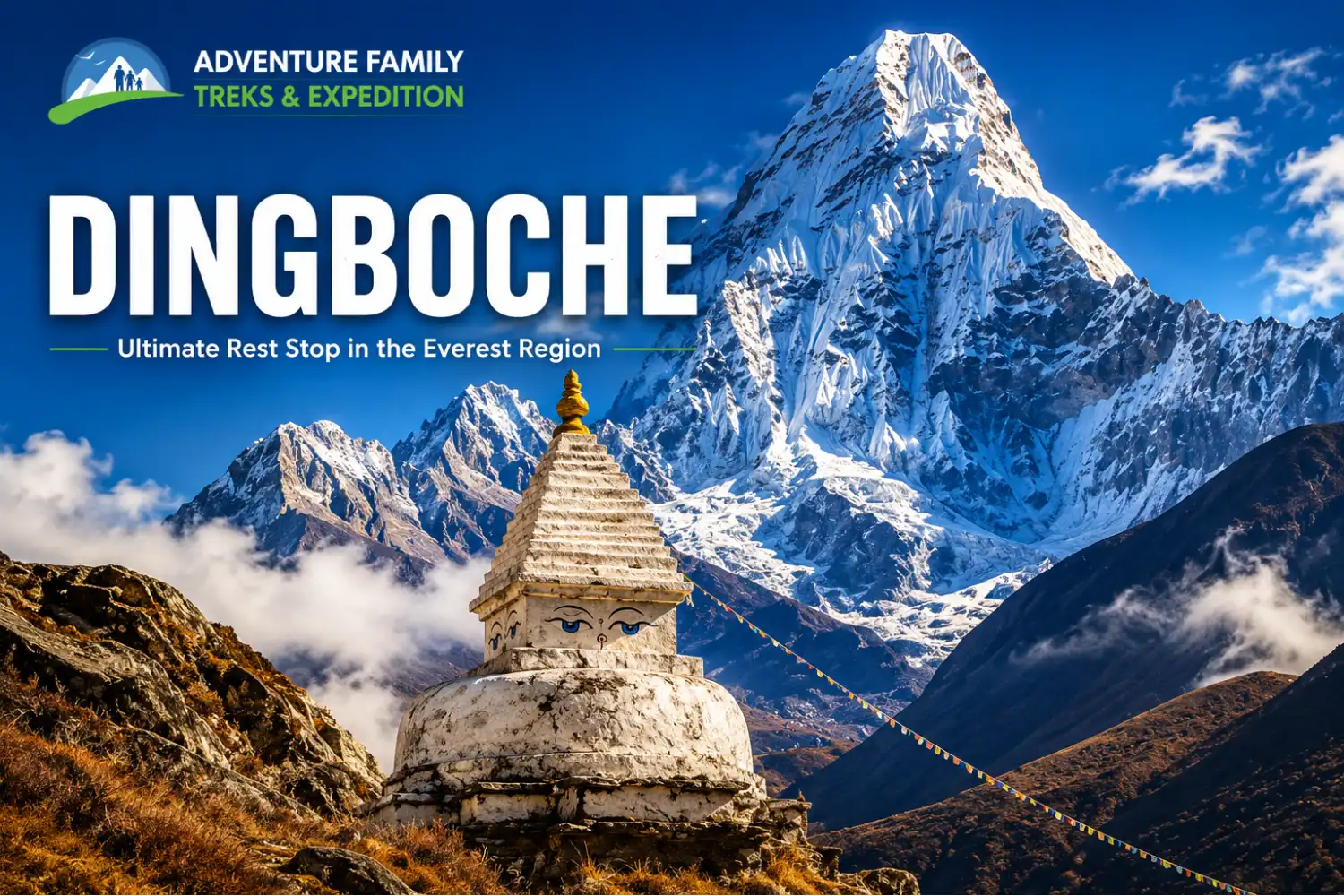
Dingboche is one of the most important villages during the Everest Base Camp Trek and is widely known as the best acclimatization stop in the EBC trek. Located at an altitude of 4,410 meters (14,470 feet) in the Khumbu region of Nepal, Dingboche offers trekkers the perfect combination of Himalayan beauty, Sherpa culture, and high-altitude acclimatization before heading toward Everest Base Camp.
For trekkers doing the Everest Base Camp Trek, acclimatization in Dingboche is essential to safely continue toward Lobuche, Gorakshep, Kala Patthar, and Everest Base Camp. Due to its strategic location, stunning mountain views, and peaceful atmosphere, Dingboche has become a major highlight of the Everest Base Camp trekking route.
Dingboche is a beautiful Sherpa village located in the Khumbu region of northeastern Nepal, inside Sagarmatha National Park, along the famous Everest Base Camp Trek route. It sits at an altitude of 4,410 meters (14,470 feet) above sea level in the scenic Imja Valley.
Dingboche lies between Tengboche and Lobuche on the Everest Base Camp trekking trail:
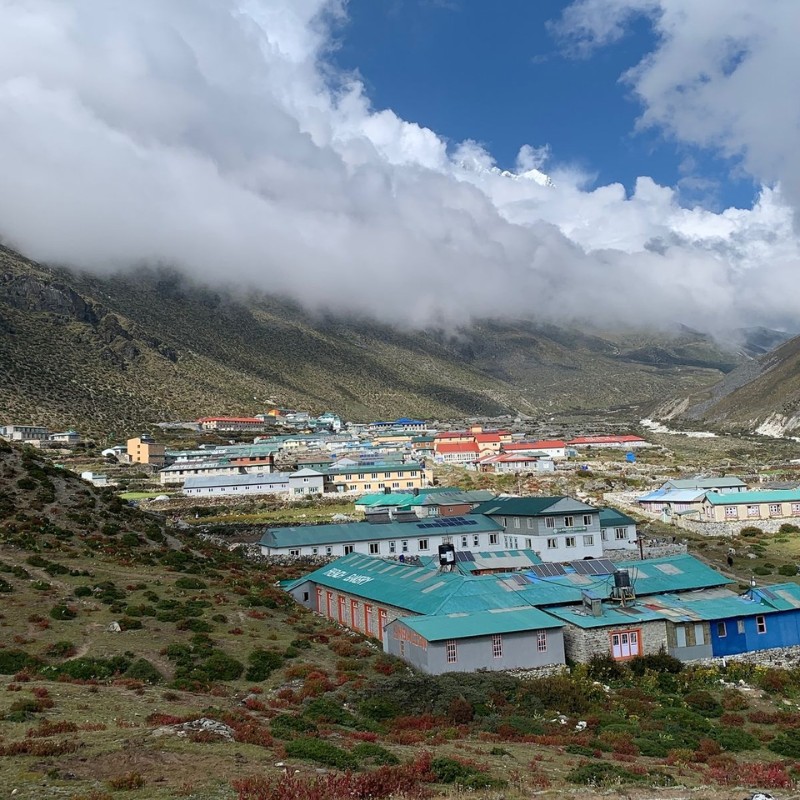
Dingboche settlement in the Everest region of Nepal.
Why Dingboche Is Important for Acclimatization in EBC?
Acclimatization in EBC trekking is extremely important because the oxygen level decreases significantly as trekkers gain altitude. Dingboche serves as the perfect acclimatization village during the Everest Base Camp Trek because it allows trekkers to rest, adapt to the altitude, and prepare their bodies for higher elevations.
Many trekkers spend at least two nights in Dingboche during the Everest Base Camp Trek itinerary. This extra acclimatization day in Dingboche helps prevent Acute Mountain Sickness (AMS), headaches, dizziness, nausea, and fatigue.
The famous trekking rule followed during acclimatization in Dingboche is:
“Climb high, sleep low.”
This is why trekkers hike to higher elevations around Dingboche during the day and return to sleep in Dingboche village at night.
Dingboche Village in the Everest Base Camp Trek
Dingboche village lies in the beautiful Imja Valley and is surrounded by spectacular Himalayan peaks. During the Everest Base Camp Trek, trekkers can enjoy panoramic views of:
Ama Dablam
Mount Everest
Lhotse
Nuptse
Makalu
Island Peak
Dingboche is often considered the last major Sherpa settlement in the Khumbu region before entering the harsher alpine terrain toward Everest Base Camp.
Unlike Pheriche, another acclimatization stop in EBC, Dingboche offers wider views, better sunshine exposure, and a more scenic environment for trekkers.
Dingboche: Gateway to Ama Dablam Base Camp
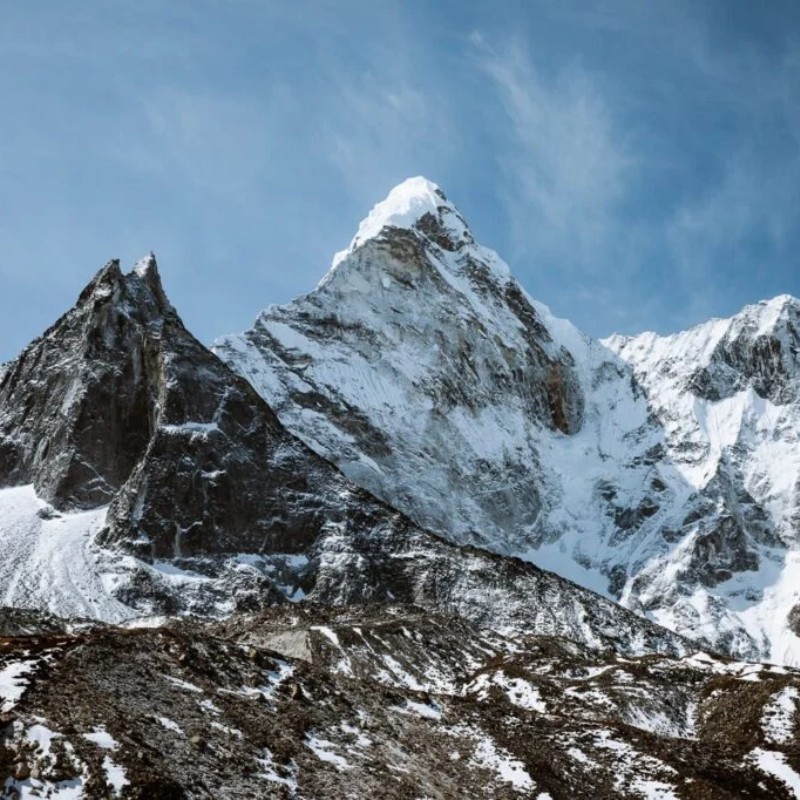
Dingboche is one of the main gateways to Ama Dablam Base Camp, one of the most scenic trekking destinations in the Everest region. Ama Dablam, often called the “Matterhorn of the Himalayas,” dominates the skyline above Dingboche with its striking pyramid-shaped peak.
Trekkers and climbers heading toward Ama Dablam Base Camp usually pass through Dingboche for acclimatization before continuing higher. The trek from Dingboche to Ama Dablam Base Camp offers stunning close-up views of Ama Dablam, Everest, Lhotse, and surrounding Himalayan peaks.
Ama Dablam expeditions also use Dingboche as an important acclimatization and supply point before climbing operations begin.
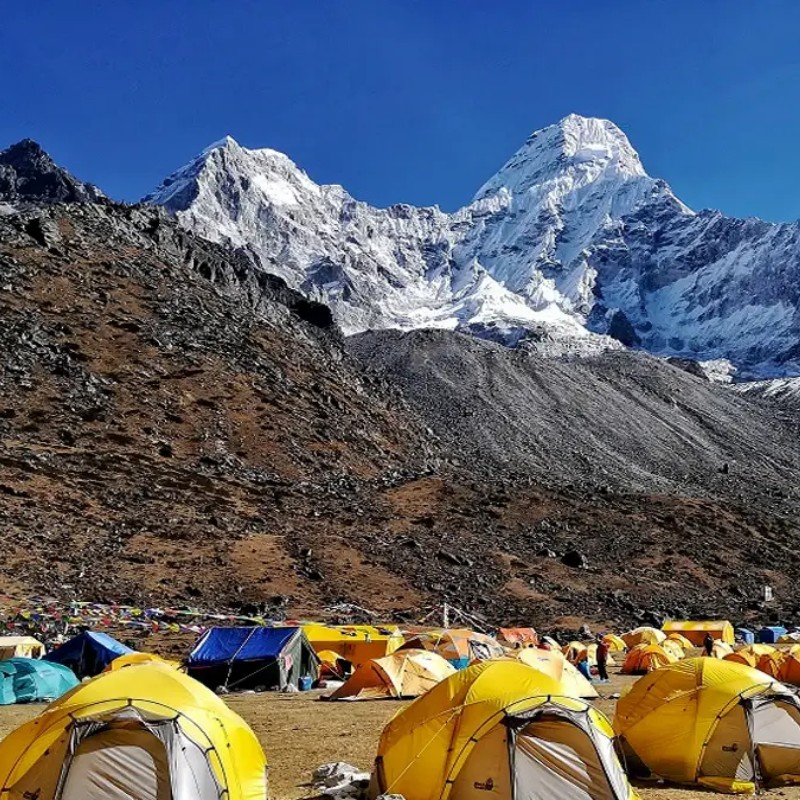
Ama Dablam Base Camp in Nepal’s Everest region.
Dingboche and Island Peak Climbing
Dingboche is the primary acclimatization village for Island Peak Climbing, one of Nepal’s most popular trekking peaks. After acclimatizing in Dingboche, climbers continue toward Chhukung Valley and Island Peak Base Camp.
Island Peak, also known as Imja Tse, stands at 6,189 meters and is considered an ideal beginner-friendly Himalayan climbing peak. The route from Dingboche to Chhukung is filled with incredible views of:
For many climbers, Dingboche becomes the final comfortable village before entering the more rugged alpine climbing terrain.
Dingboche on the Route to Mera Peak
Although Mera Peak lies in the Hinku Valley, many trekkers combine Mera Peak Climbing with the Everest Base Camp Trek and acclimatization in Dingboche.
Trekkers crossing the challenging Amphu Lapcha Pass or doing extended Everest region expeditions often use Dingboche as a major acclimatization point before heading toward Mera Peak routes. Because Dingboche offers better altitude adaptation opportunities, many expedition itineraries include acclimatization days here before attempting high passes and climbing peaks.
This makes Dingboche an important junction for Himalayan trekking and mountaineering adventures in eastern Nepal.
Best Acclimatization Hikes in Dingboche
Nangkartshang Peak Hike
The most popular acclimatization hike in Dingboche is the Nangkartshang Peak hike. Rising to approximately 5,083 meters, this acclimatization viewpoint offers breathtaking views of Everest, Ama Dablam, Makalu, and Lhotse.
The Nangkartshang acclimatization hike usually takes around 4–5 hours round trip and is considered one of the best acclimatization activities in the Everest Base Camp Trek.
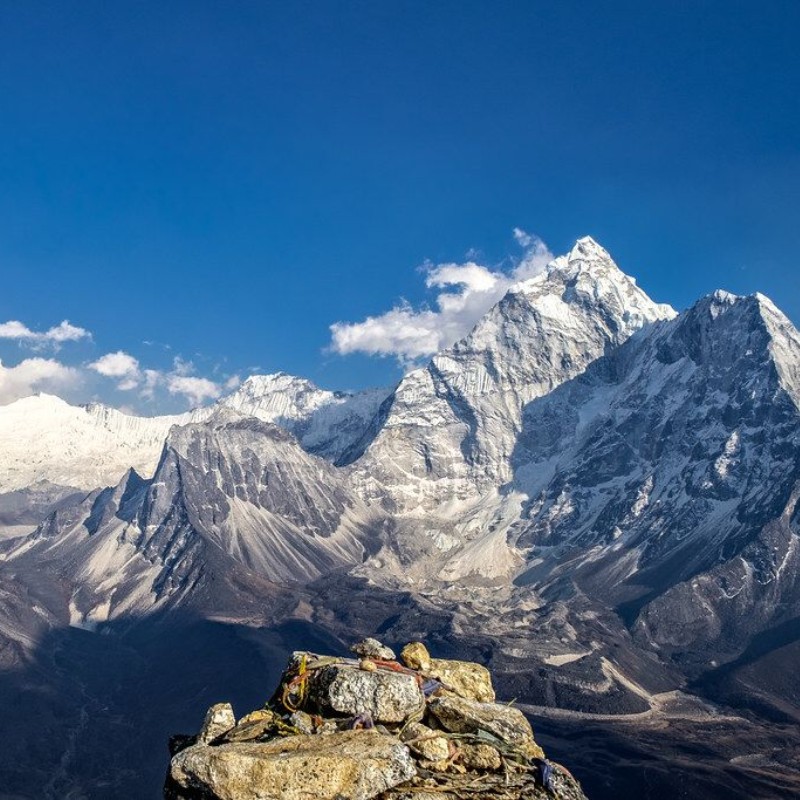
Scenery from Nangkartshang Peak, Dingboche in the Everest region.
Chhukung Valley and Chhukung Ri
Another excellent acclimatization option from Dingboche is the Chhukung Valley trek. Chhukung is a beautiful Himalayan valley located east of Dingboche and serves as the gateway to Island Peak climbing.
Trekkers looking for stronger acclimatization before Everest Base Camp or Island Peak often hike to Chhukung Ri at 5,546 meters. This challenging acclimatization hike rewards trekkers with stunning 360-degree mountain views.
View of Island Peak captured from the famous Chhukung Ri viewpoint in the Everest region.
Accommodation in Dingboche
Dingboche has many teahouses, lodges, bakeries, and trekking accommodations designed for Everest Base Camp trekkers. Even though Dingboche lies in a remote Himalayan region, trekkers can still enjoy comfortable facilities during acclimatization in EBC.
Facilities in Dingboche include:
Comfortable teahouses
Warm dining halls
Wi-Fi and internet cafés
Hot showers
Charging facilities
Bakeries and coffee shops
Trekking gear rental shops
Trekkers staying in Dingboche during the Everest Base Camp Trek can enjoy traditional Sherpa hospitality along with delicious meals such as Dal Bhat, Tibetan bread, noodles, soups, yak cheese, and butter tea.
Best Time for Dingboche Acclimatization in EBC
The best time to visit Dingboche during the Everest Base Camp Trek is during:
Spring (March to May): Spring is one of the most popular trekking seasons in Nepal. Dingboche during spring offers stable weather, moderate temperatures, and crystal-clear mountain views.
Autumn (September to November): Autumn is another ideal season for acclimatization in Dingboche. The skies are usually clear, temperatures remain stable, and trekking conditions are excellent for Everest Base Camp trekkers.
Winter in Dingboche can be extremely cold with heavy snowfall, while monsoon season brings cloudy skies and rain.
Dingboche Weather and Altitude
The weather in Dingboche changes quickly because of its high altitude location. Days are usually sunny, but temperatures can drop below freezing during mornings and nights.
At 4,410 meters, acclimatization in Dingboche becomes critical before ascending to higher places such as Lobuche (4,940m), Gorakshep (5,164m), and Everest Base Camp (5,364m).
Trekkers should stay hydrated, walk slowly, eat properly, and rest well during their Dingboche acclimatization day.
Dingboche: The Heart of Acclimatization in Everest Base Camp Trek
Dingboche is not just another overnight stop during the Everest Base Camp Trek. It is the heart of acclimatization in EBC trekking and one of the most scenic villages in the Everest region.
From incredible Himalayan panoramas to unforgettable acclimatization hikes, Dingboche provides trekkers with everything needed before continuing toward Everest Base Camp. The peaceful environment, warm Sherpa culture, and stunning mountain scenery make Dingboche one of the most loved destinations in the Khumbu region.
Whether you are trekking to Everest Base Camp, climbing Island Peak, or exploring the Himalayas of Nepal, Dingboche acclimatization will become one of the most memorable parts of your adventure.