
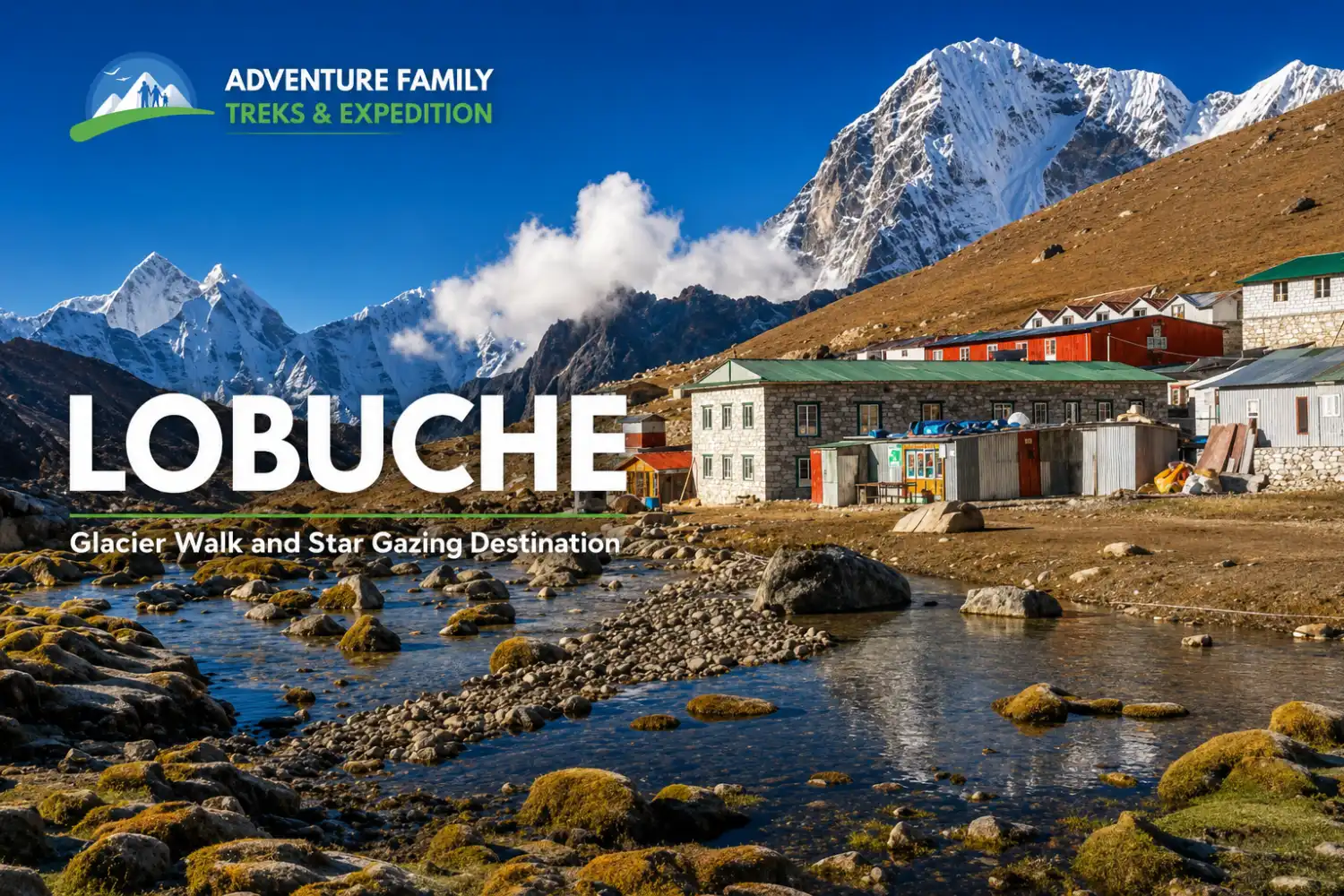
Lobuche is one of the most important villages on the legendary Everest Base Camp Trek. Located high in Nepal’s Khumbu region at an altitude of 4,910 meters (16,109 feet), this small Himalayan settlement serves as a major acclimatization and resting point before trekkers continue toward Gorakshep and Everest Base Camp. Surrounded by towering snow-covered peaks, glaciers, and rugged alpine landscapes, Lobuche offers breathtaking scenery and unforgettable mountain experiences.
For trekkers and climbers heading toward Mount Everest, Lobuche is much more than just a place to sleep. It is a gateway to adventure, a center for acclimatization, and a location where travelers can truly experience the raw beauty of the Himalayas. With stunning views of Nuptse, Pumori, Lobuche Peak, and the Khumbu Glacier, the village has become one of the most iconic stops along the Everest trail.
Lobuche lies within Sagarmatha National Park, a UNESCO World Heritage Site famous for its dramatic Himalayan scenery and Sherpa culture. The village is situated between Dingboche and Gorakshep and is generally reached after several days of trekking from Lukla.
Because of its altitude and strategic location, Lobuche is considered one of the final major settlements before Everest Base Camp. Trekkers often spend a night here to help their bodies adjust to the thinning air before ascending further into the high-altitude wilderness.
Despite its remote location, Lobuche has developed into a bustling stop for trekkers from around the world. During the busy trekking seasons of spring and autumn, the village comes alive with mountaineers, guides, porters, and adventure enthusiasts sharing stories and preparing for the final ascent toward Everest Base Camp.
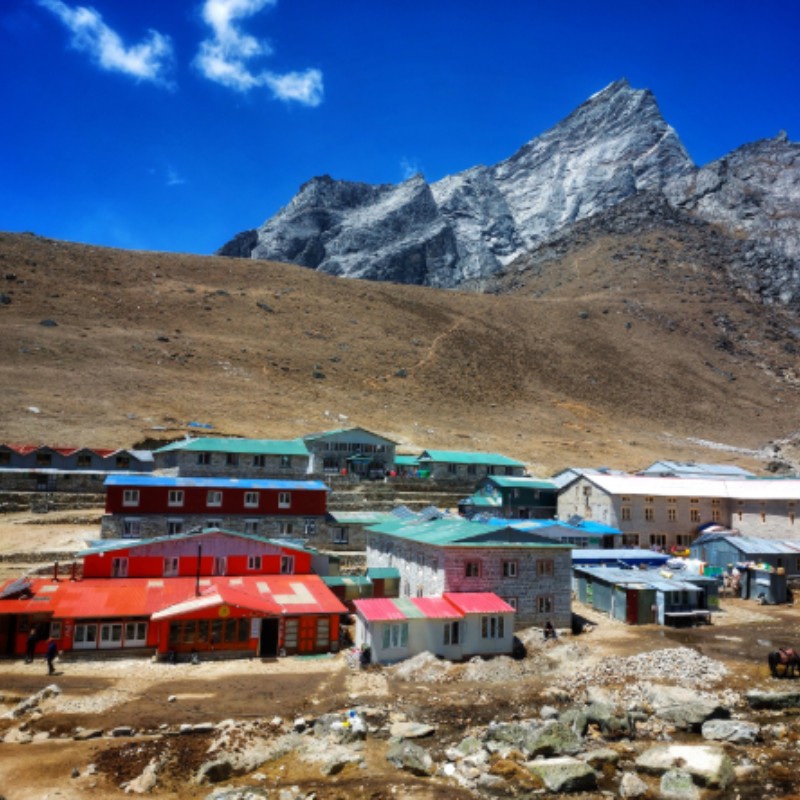
Lobuche is located in the Khumbu Valley of northeastern Nepal near the Khumbu Glacier. The settlement stands at approximately 4,910 meters above sea level, making it one of the highest permanent settlements in the Everest region.
The surrounding landscape is rugged, rocky, and glacial. Massive Himalayan peaks dominate the skyline, creating one of the most dramatic mountain panoramas in Nepal.
Major mountains visible from Lobuche include:
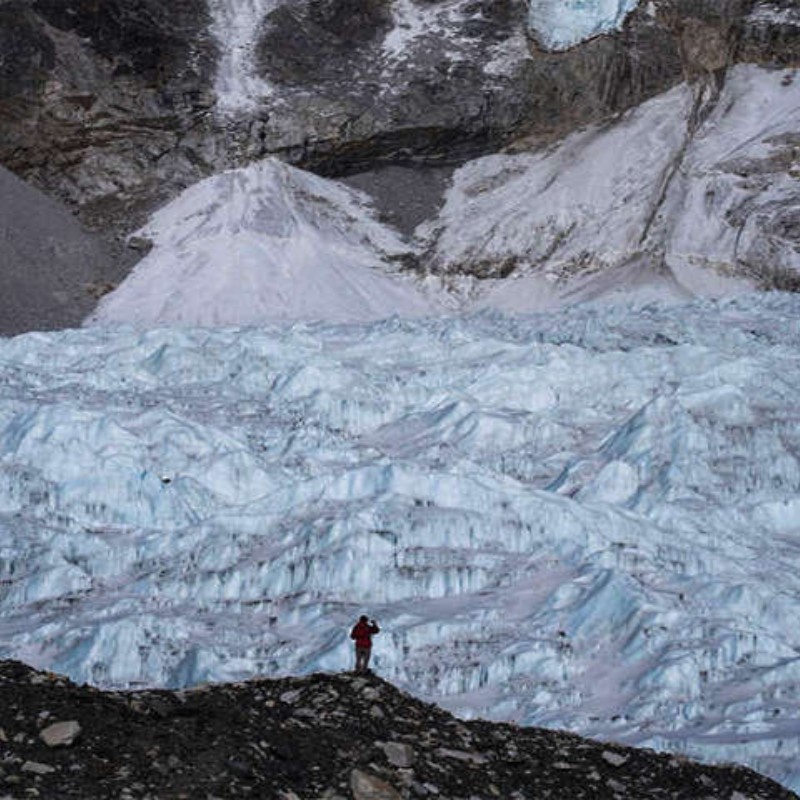
The nearby Khumbu Glacier adds to the beauty of the region. Trekkers can witness enormous ice formations, glacial moraines, and deep crevasses that create an unforgettable alpine environment.
Lobuche has strong ties to Sherpa culture and Himalayan mountaineering history. Originally a small Sherpa settlement, the village became increasingly important after the Everest Base Camp Trek gained global popularity.
The Sherpa people are known for their incredible mountaineering skills, hospitality, and Buddhist traditions. Throughout Lobuche, trekkers will see:
One of the most emotional sites near Lobuche is the Thukla Pass Memorial Area, where memorials honor climbers who lost their lives on Everest expeditions. The site reminds visitors of both the beauty and dangers of the Himalayas.
Lobuche can only be reached on foot. The journey typically begins with a scenic flight from Kathmandu to Lukla.
The standard Everest Base Camp Trek route follows:
Kathmandu → Lukla → Phakding → Namche Bazaar → Tengboche → Dingboche → Lobuche
Most trekkers reach Lobuche after trekking from Dingboche or Pheriche. The trail gradually climbs through rocky terrain and glacier moraines before reaching the village.
Trekkers usually arrive in Lobuche on the 7th or 8th day of the Everest Base Camp Trek.
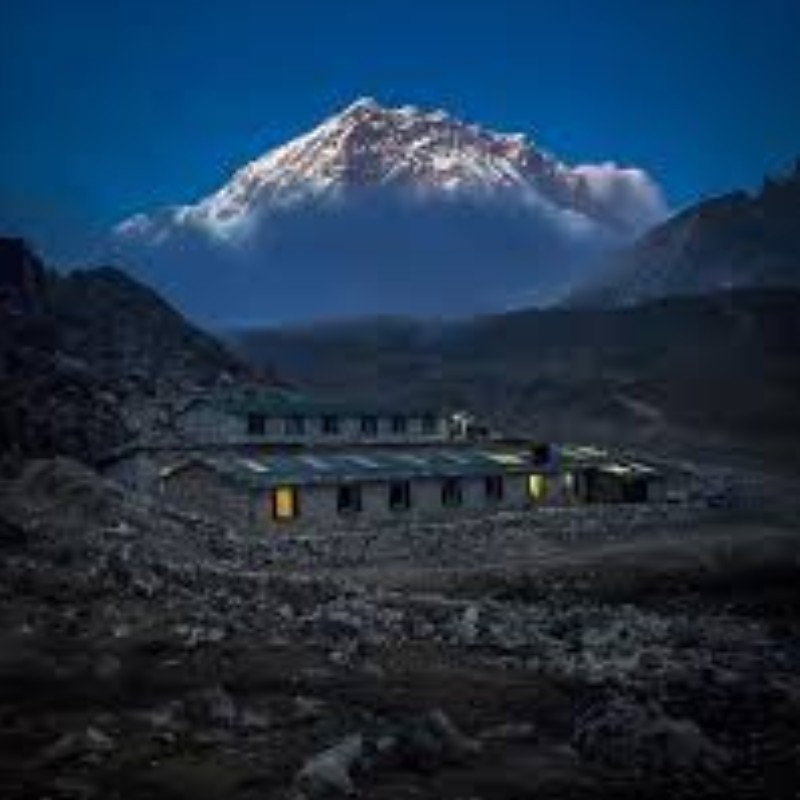
Acclimatization is one of the most important aspects of trekking in the Everest region. At nearly 5,000 meters above sea level, oxygen levels are significantly lower than at sea level.
Staying overnight in Lobuche helps trekkers:
Most guides strongly recommend spending at least one night in Lobuche before continuing to Gorakshep and Everest Base Camp.
1. Khumbu Glacier
The Khumbu Glacier is the largest glacier in Nepal and one of the most breathtaking natural wonders in the Everest region. Located near Lobuche, this massive glacier flows down from the slopes of Mount Everest, creating a dramatic landscape of ice formations, rocky moraines, and deep crevasses surrounded by towering Himalayan peaks like Nuptse, Lhotse, and Pumori. Trekkers passing through Lobuche on the way to Everest Base Camp can witness stunning panoramic views of the glacier and experience the raw beauty of the high Himalayas up close. The glacier’s constantly shifting ice formations, combined with the crisp mountain air and snow-covered scenery, make it one of the most unforgettable highlights of the Everest Base Camp Trek. During sunrise and sunset, the glacier reflects golden hues from the surrounding mountains, creating a spectacular setting for photography, glacier walking, and nature exploration.
2. Lobuche Peak
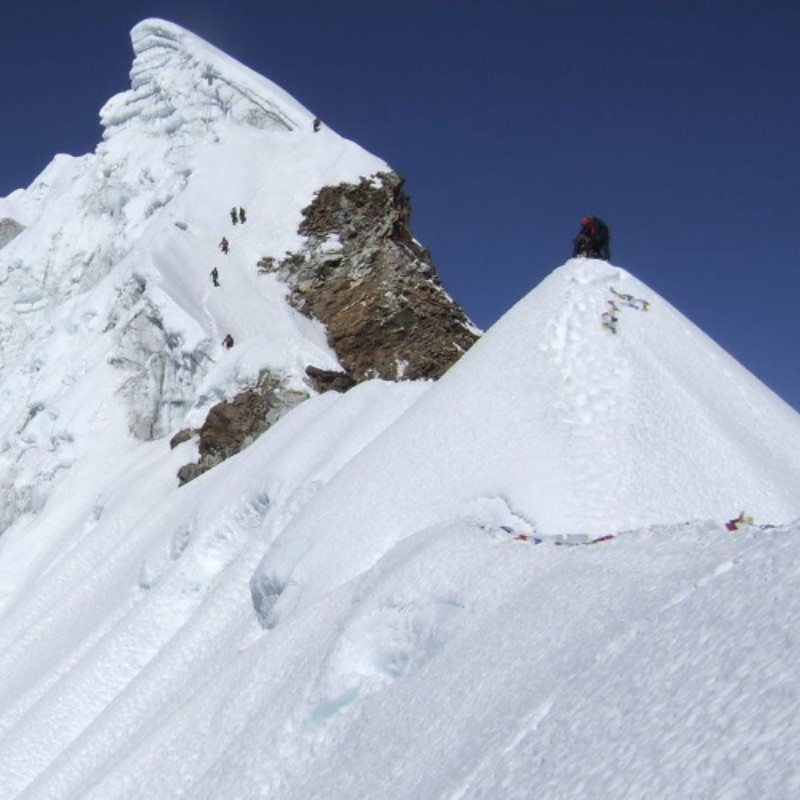
Lobuche Peak is one of the most popular trekking peaks in Nepal and a favorite destination for climbers seeking a thrilling Himalayan mountaineering experience. Rising to an elevation of 6,119 meters, Lobuche East attracts both beginner and experienced climbers who want to experience high-altitude climbing in the Everest region. The peak offers breathtaking panoramic views of Mount Everest, Lhotse, Nuptse, Ama Dablam, and other surrounding Himalayan giants. Because of its technical sections involving ice, snow, and steep ridges, Lobuche Peak is often used as a training climb for mountaineers preparing for bigger Himalayan expeditions. Its close proximity to Everest Base Camp also makes it a perfect combination adventure for trekkers looking to add a climbing experience to their Everest journey.
3. Thukla Pass Memorials
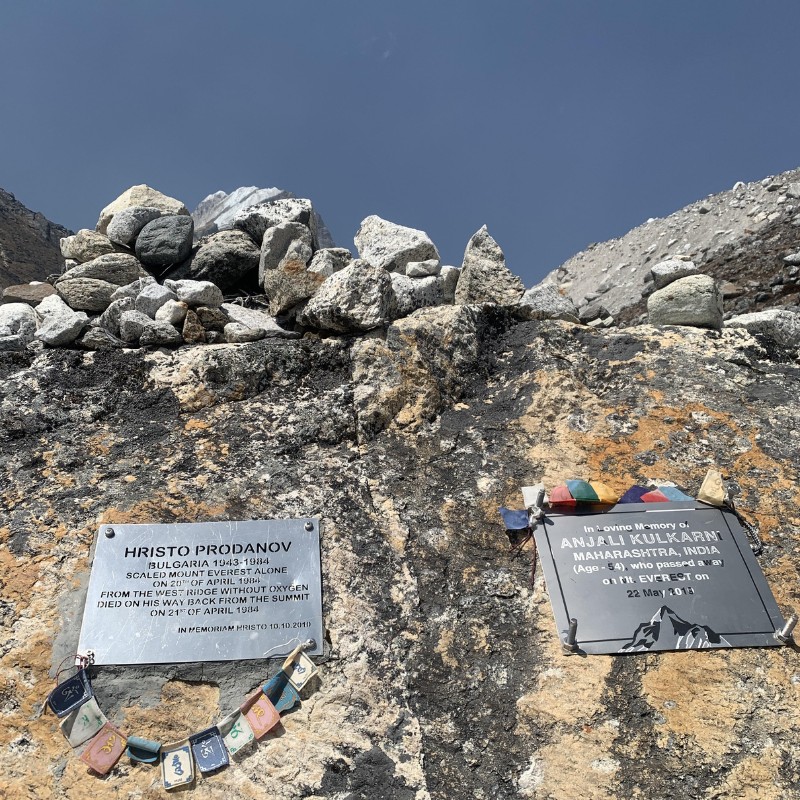
The memorial site near Thukla Pass is one of the most emotional and meaningful landmarks on the Everest Base Camp Trek. Located on a windy ridge below Lobuche, the site honors climbers and Sherpas who lost their lives while attempting to summit Mount Everest and other Himalayan peaks. The area is filled with stone memorials, engraved plaques, colorful prayer flags, and Buddhist chortens that create a peaceful yet powerful atmosphere. As trekkers pass through this sacred place, they are reminded of the courage, determination, and risks associated with high-altitude mountaineering. Surrounded by dramatic mountain scenery and silent Himalayan landscapes, the memorial site offers a moment of reflection, respect, and gratitude for those who dedicated their lives to the mountains.
4. Panoramic Himalayan Views
Lobuche offers some of the most spectacular sunrise and sunset views in the Everest region, making it a paradise for mountain lovers and photographers. As the first rays of sunlight touch the Himalayan peaks, mountains like Everest, Nuptse, Pumori, and Ama Dablam glow in brilliant shades of gold, orange, and pink against the crisp blue sky. During sunset, the dramatic alpine landscape transforms into a breathtaking panorama as the snow-covered peaks reflect warm evening colors before fading into the cold Himalayan night. The peaceful atmosphere, combined with the stunning mountain scenery and glacier-filled valleys, creates an unforgettable experience for trekkers staying in Lobuche on their journey toward Everest Base Camp.
5. Stargazing
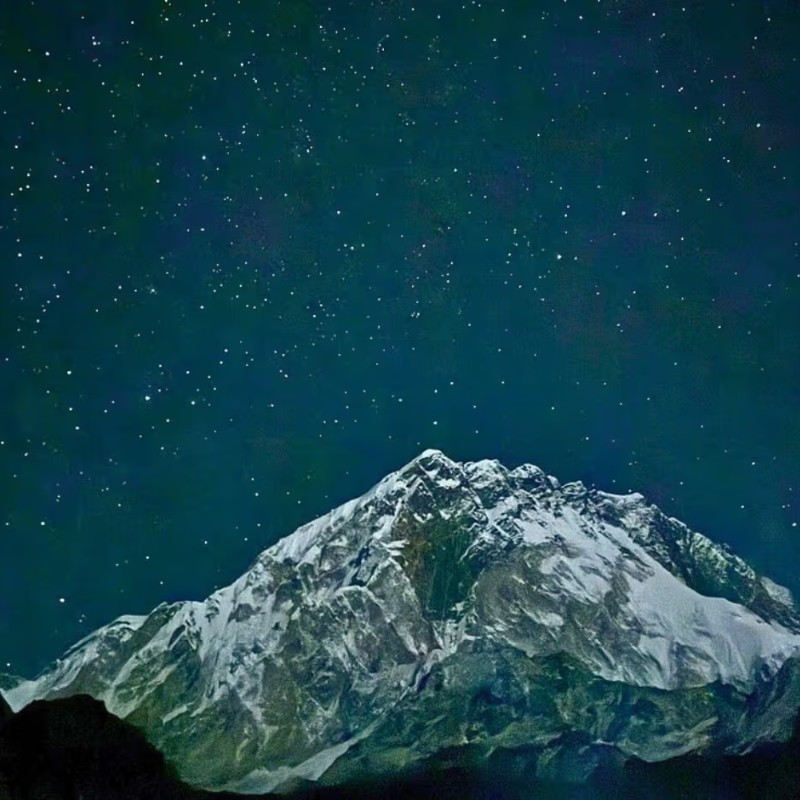
Because of its remote location and the complete absence of light pollution, Lobuche is considered one of the best places in Nepal for stargazing and astrophotography. At an altitude of over 4,900 meters, the crystal-clear Himalayan skies reveal thousands of bright stars, planets, and famous constellations with incredible clarity. On clear nights, trekkers can easily spot well-known constellations such as Orion, Ursa Major (Big Dipper), Cassiopeia, Scorpius, and Taurus shining above the snow-covered peaks. The Milky Way stretches vividly across the dark sky, creating a breathtaking celestial display over mountains like Everest, Nuptse, and Ama Dablam. The peaceful atmosphere, cold mountain air, and dramatic Himalayan backdrop make Lobuche a dream destination for astronomy lovers, photographers, and trekkers seeking a magical high-altitude night sky experience.
Visitors to Lobuche can enjoy several exciting activities:
Trekking: Lobuche is a key stop on the Everest Base Camp Trek and Everest Three Passes Trek.
Peak Climbing: Adventure seekers often attempt Lobuche East Peak climbing.
Photography: The glaciers, mountains, and Sherpa culture make Lobuche a paradise for photographers.
Cultural Exploration: Trekkers can learn about Sherpa traditions and Buddhist practices.
Glacier Walks: Short walks around the Khumbu Glacier provide stunning alpine scenery.
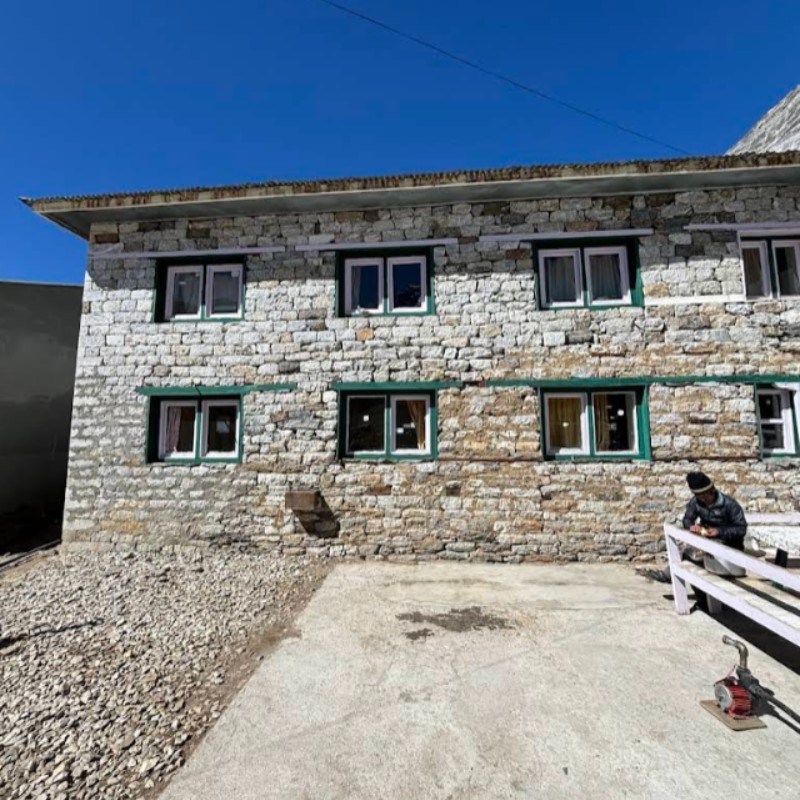
Lobuche offers basic yet comfortable accommodation options for trekkers heading toward Everest Base Camp. The village has several tea houses and lodges specially designed to provide shelter and warmth in the harsh high-altitude environment. Most rooms are simple twin-sharing wooden rooms equipped with basic beds, pillows, and blankets to help trekkers rest after long trekking days. Although the facilities are modest, the welcoming atmosphere and mountain hospitality make the stay enjoyable.
The tea houses in Lobuche serve a variety of hot and energy-rich meals that are ideal for trekking at high altitude. Popular food items include traditional Dal Bhat, noodles, fried rice, soup, pasta, pancakes, tea, and coffee. These meals help trekkers regain energy and stay warm in the cold Himalayan climate. Read more to find out what to eat in everest base camp trek
In terms of utilities, Lobuche provides limited electricity, usually powered by solar energy or generators. Charging electronic devices is available for an additional fee, and basic Wi-Fi services can also be found in some lodges. Most accommodations have shared bathrooms, while hot showers are limited and often cost extra due to the difficulty of transporting water and fuel to such a remote location. Since all supplies are carried by yaks or porters from lower villages, prices in Lobuche are generally higher compared to other trekking stops in the Everest region.
Spring (March to May)
Autumn (September to November)
Winter (December to February)
Weather in Lobuche can change rapidly.
Average temperatures:
Trekkers should prepare for:
Lobuche is famous because:
Lobuche is one of the most unforgettable destinations in Nepal’s Everest region. Located amidst glaciers and towering Himalayan peaks, the village serves as a vital acclimatization point and a gateway to Everest Base Camp.
From dramatic mountain scenery and Sherpa hospitality to glacier landscapes and mountaineering history, Lobuche offers an authentic Himalayan experience unlike anywhere else in the world. Whether you are trekking to Everest Base Camp, climbing Lobuche Peak, or simply exploring the Khumbu region, Lobuche is a place that will leave a lasting impression on every traveler.
1. What is Lobuche famous for?
Lobuche is famous as an important acclimatization stop on the Everest Base Camp Trek.
2. Where is Lobuche located?
Lobuche is located in Nepal’s Khumbu region near the Khumbu Glacier.
3. What is the altitude of Lobuche?
Lobuche sits at 4,910 meters (16,109 feet).
4. Is Lobuche before Everest Base Camp?
Yes, Lobuche is one of the final villages before Everest Base Camp.
5. How far is Lobuche from Everest Base Camp?
It is approximately 8 kilometers away.
6. Can beginners trek to Lobuche?
Yes, beginners with good fitness and proper acclimatization can trek to Lobuche.
7. How cold does Lobuche get?
Temperatures can fall below -10°C at night.
8. Is altitude sickness common in Lobuche?
Yes, altitude sickness can occur due to the high elevation.
9. Are there tea houses in Lobuche?
Yes, several tea houses and lodges operate in Lobuche.
10. Is Wi-Fi available in Lobuche?
Yes, but it is limited and usually paid.
11. Can I charge my phone in Lobuche?
Yes, charging facilities are available for an additional cost.
12. What food is available in Lobuche?
Dal bhat, noodles, soup, rice, pasta, pancakes, and tea are commonly available.
13. Is Lobuche Peak difficult to climb?
Yes, Lobuche Peak requires mountaineering skills and proper equipment.
14. What is the best season to visit Lobuche?
Spring and autumn are the best trekking seasons.
15. How many nights should I stay in Lobuche?
Most trekkers stay one night for acclimatization.
16. Is there electricity in Lobuche?
Yes, electricity is available through solar panels and generators.
17. Can helicopters land in Lobuche?
Yes, helicopters operate for rescue and supply purposes.
18. Are there medical facilities in Lobuche?
Basic medical assistance is available, but serious cases require evacuation.
19. What mountains can be seen from Lobuche?
Everest, Nuptse, Lhotse, Pumori, and Lobuche Peak are visible.
20. Why is Lobuche important on the Everest trek?
It is a crucial acclimatization and resting stop before Everest Base Camp.
