Planning the Everest Base Camp (EBC) trek is about much more than reaching the foot of the world’s tallest mountain. Your experience on the trail is shaped by the tea houses you stay in, the meals you eat, the warmth of dining room fires, and even how well you sleep at high altitude. Nepal’s tea house trekking culture is one of the reasons why the Everest region is so accessible and enjoyable for trekkers from around the world.
This guide explores everything you need to know about tea house accommodation, food, water, internet, showers, charging facilities, and the best lodges along the Everest Base Camp route.
Tea House Accommodation on the Everest Base Camp Trek
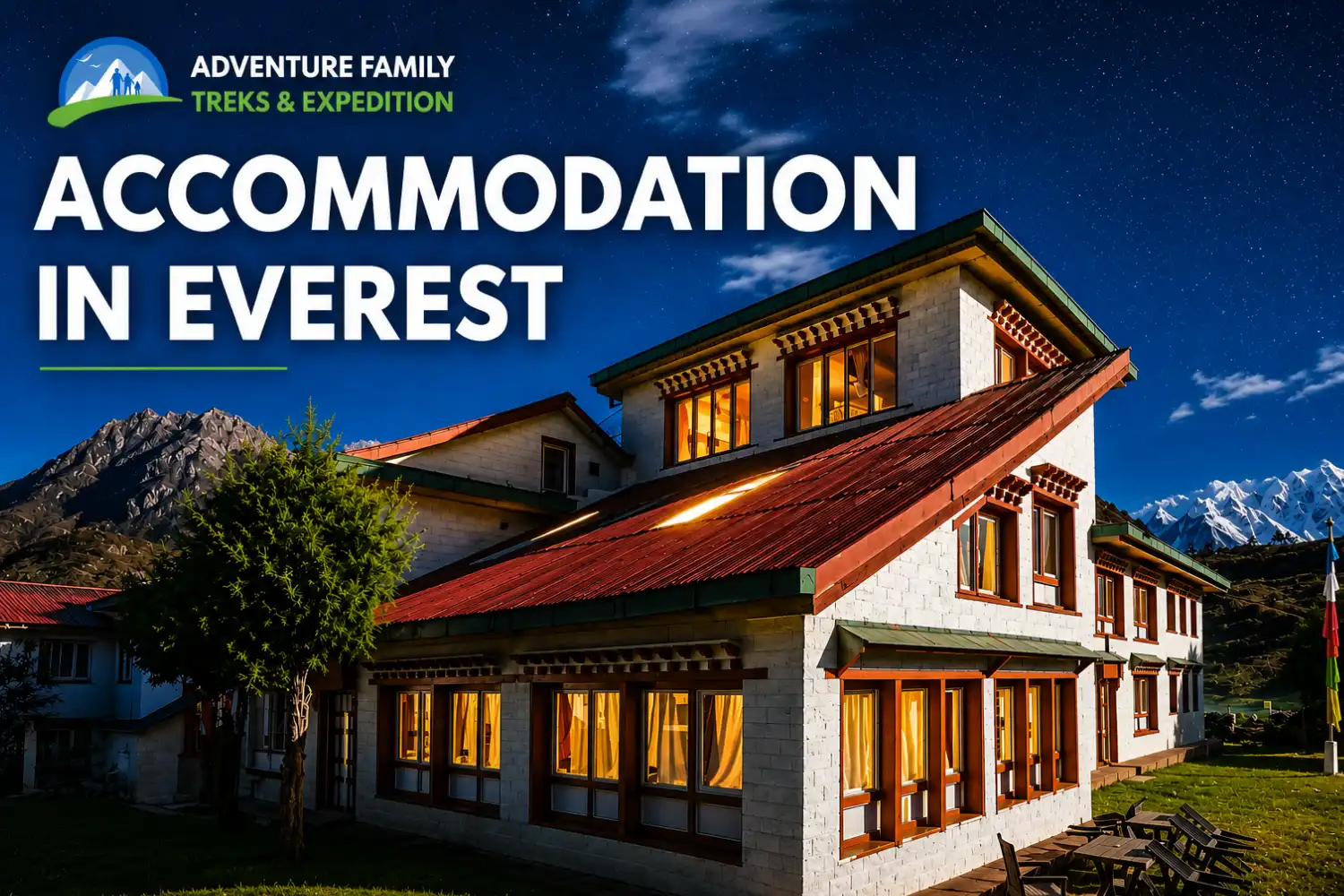
One of the unique aspects of trekking in Nepal is the availability of tea houses even at high altitude. Unlike mountain huts in many other countries, tea houses in the Everest region often provide private rooms, and in some cases, attached bathrooms.
The quality of accommodation on the EBC trek is among the best in Nepal, especially in areas like Namche Bazaar, Deboche, Dingboche, and Gokyo. Luxury-style lodges such as Everest Summit Lodges and Mountain Lodges of Nepal offer surprisingly comfortable stays up to Pheriche. However, conditions become noticeably more basic in Lobuche and Gorak Shep, where altitude and remoteness limit comfort and facilities.
When selecting a room, experienced trekkers often prioritize:
- Attached bathrooms whenever possible
- Rooms away from dining halls and communal toilets
- Corner or end rooms for added quietness
- Upper-floor rooms for better views and warmth
- Early heating in the dining room during cold evenings
Trekkers are also advised to communicate clearly with guides or trekking agencies about accommodation preferences before the trek begins. This helps avoid situations where guides may prefer specific lodges due to personal connections rather than comfort or quality.
Food and Drinks in Everest Tea Houses
Tea houses make most of their income from food rather than room charges, which explains why menus are extensive and meals are generally good. Along the EBC trail, trekkers can enjoy both Nepali and Western dishes, including:
- Dal Bhat
- Fried rice
- Noodles
- Pasta
- Pizza
- Pancakes
- Soups
- Momos
Dal Bhat remains the most popular option because it is nutritious, filling, and usually comes with unlimited refills. Since it takes time to prepare, guides and porters often order ahead for trekking groups.
Although beer and alcoholic drinks are available throughout the trek, they are not recommended until proper acclimatization is achieved. Prices rise steadily with altitude, and even bottled beverages become significantly more expensive in remote villages.
Drinking Water on the EBC Trek
Hydration is critical at altitude, but trekkers should avoid relying heavily on bottled water due to both cost and environmental impact. Plastic waste management remains a challenge in the Himalayas.
Most tea houses provide boiled drinking water for a fee, usually between NPR 100–200 per litre depending on altitude. Many trekkers prefer carrying purification systems such as:
- Steripen UV purifiers
- LifeStraw bottles
- Sawyer filters
- Water filter pumps
UV purification systems are especially popular because they are lightweight and efficient for long treks.
Showers, Charging & Internet
Hot Showers
Most tea houses offer gas or solar-heated showers. Shower prices increase with altitude, with costs around NPR 600–800 in higher villages such as Dingboche and Gokyo. Some trekkers avoid showering during very cold conditions to reduce the risk of illness.
Charging Electronics
Charging phones, cameras, and power banks is available almost everywhere on the trail. Lower-altitude villages often provide free charging, while higher regions charge additional fees. Charging a phone can cost NPR 300 or more in remote villages.
Solar chargers can help reduce costs, though they are not essential for most trekkers.
Internet Connectivity
Internet access is available in most tea houses through Everest Link Wi-Fi services. Trekking packages commonly cost:
- NPR 1,999 for 10 GB
- NPR 2,999 for 20 GB
Mobile data coverage is reliable only in lower sections of the trail, particularly around Namche Bazaar.
Cost of Tea Houses on the Everest Base Camp Trek
Trekkers should budget approximately USD 30 per person per day for:
- Accommodation
- Meals
- Tea and coffee
Additional expenses include:
- Hot showers
- Wi-Fi
- Charging electronics
- Soft drinks and alcohol
It is also wise to carry extra Nepalese rupees in case of delayed Lukla flights or unexpected expenses.
Best Tea Houses on the Everest Base Camp Route
Namche Bazaar
Namche offers some of the best accommodation on the trail. Popular options include:
- AD Friendship Lodge
- Hotel Khangri
Rooms with attached bathrooms generally cost around NPR 2,000.
Khyangjuma
Ama Dablam Lodge is highly regarded for its modern attached bathrooms, mountain views, and excellent terrace. Rooms cost approximately NPR 1,000 including showers and charging.
Deboche
Rivendell Lodge stands out as one of the most comfortable tea houses on the route. Its newer western-style wing includes electric blankets, internet, and hot showers.
Dingboche
Several excellent options exist in Dingboche:
- Hotel Tashi Delek
- Amadablam Lodge
- Peaceful Lodge & Restaurant
- Dingboche Inn
Luxury cabins at Dingboche Inn can cost around USD 150 per night, offering premium comfort at high altitude.
Lobuche
Accommodation in Lobuche is more basic, but recommended options include:
- New EBC Lodge
- 8000 Inn
- Alpine Home
Attached bathrooms are limited and highly sought after.
Gokyo
Gokyo has some of the most scenic lodges in the Everest region. Top recommendations include:
- Gokyo Resort
- Gokyo Thanka Inn
- Cho-Oyu View Lodge
These tea houses combine stunning lake views with relatively comfortable facilities.
Lukla
Choosing a lodge with strong airline connections can be extremely helpful during weather delays. Lukla Numbur Hotel is particularly recommended for comfort and assistance with flight arrangements.
Final Thoughts
Tea houses are an essential part of the Everest Base Camp trekking experience. They provide far more than just shelter — they are places where trekkers rest, socialize, acclimatize, and experience Sherpa hospitality.
While luxury accommodation is increasingly available in lower sections of the trail, conditions become simpler at higher elevations. Proper expectations, smart planning, and careful lodge selection can make a huge difference to your comfort during the trek.
Whether you are seeking cozy lodges with attached bathrooms or simply a warm dining room with good dal bhat, the Everest region offers unforgettable mountain hospitality that enhances every step of the journey.