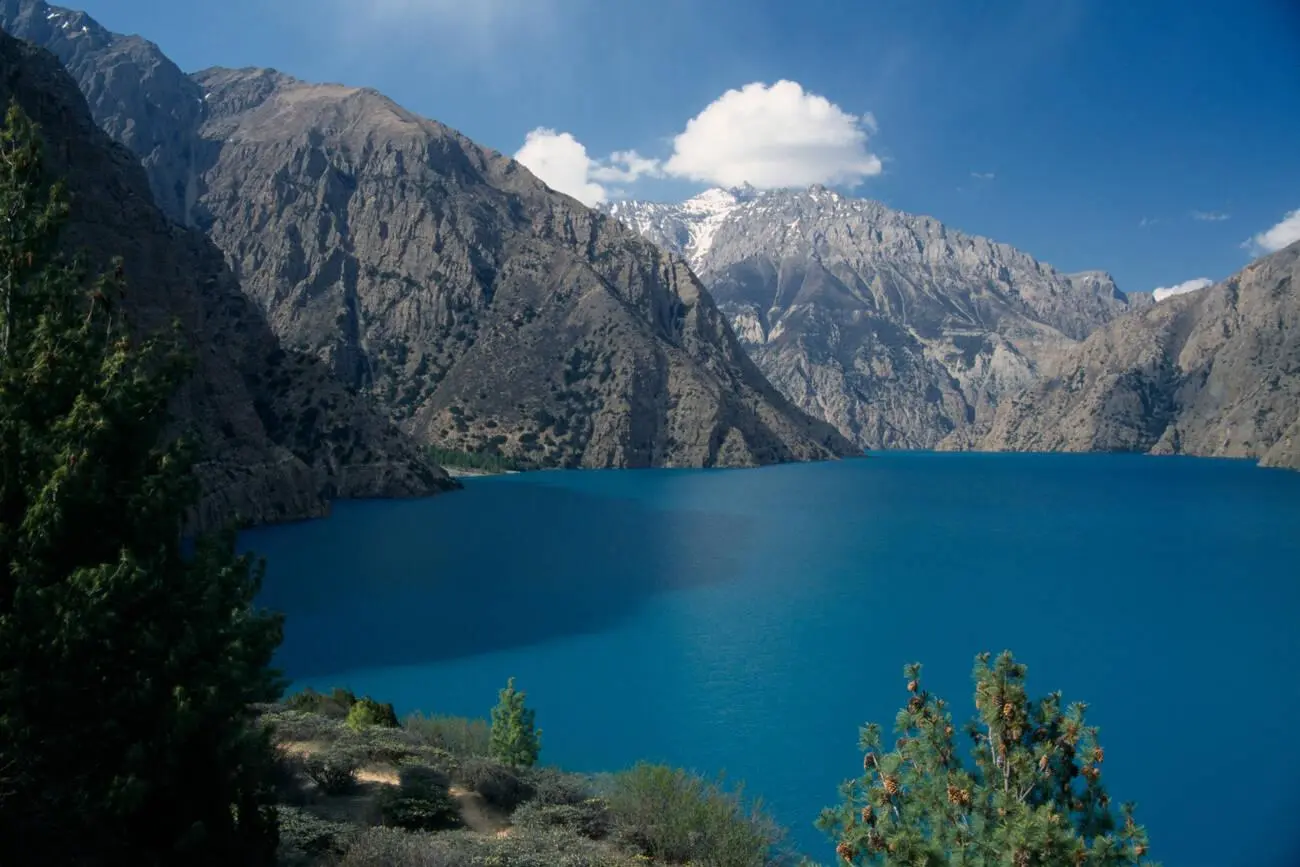
The Lower Dolpo Trek is a journey to one of Nepal’s most remote and untouched regions, situated in the northwestern part of the country. Known for its pristine landscapes, Tibetan-influenced culture, and dramatic mountain scenery, this trek offers adventurers an unparalleled experience away from the bustling tourist trails. Starting from Kathmandu, the route passes through Nepalgunj and Jhupal, before gradually ascending into the Dolpo region, where trekkers encounter traditional villages, high-altitude passes, and sacred lakes. This trek is ideal for those seeking cultural immersion, spiritual experiences, and breathtaking landscapes, including the famous Phoksundo Lake, Nepal’s deepest and one of the most picturesque lakes.
The trek typically spans 18 days, allowing adequate time for acclimatization, exploration, and relaxation. With Adventure Family Treks and Expedition, travelers can expect professional guidance, well-planned itineraries, and local support, ensuring both safety and comfort. The trail combines moderate trekking with challenging high passes like Numa La and Baga La, making it a rewarding journey for fit and adventurous trekkers. Highlights include visits to traditional Tibetan villages such as Dajok Tang and Ringmo, trekking along high-altitude terrains, and experiencing the untouched beauty of the Dolpo region.
Key Points:
The best time to trek in Lower Dolpo is during the spring (March to May) and autumn (September to November) seasons. During spring, the valleys are adorned with blooming rhododendrons, wildflowers, and greenery, while autumn offers clear skies, stunning mountain views, and more stable weather conditions. Summer monsoons (June to August) are not recommended due to heavy rainfall, which can cause landslides, slippery trails, and limited visibility. Winter (December to February) brings extreme cold and snow, making some high passes like Numa La impassable for most trekkers.
Adventure Family Treks and Expedition carefully plans departures during optimal seasons to maximize both safety and scenic experiences. Weather conditions in Lower Dolpo can be unpredictable due to the high-altitude terrain, so proper preparation, warm clothing, and flexible planning are essential. Spring and autumn not only provide favorable trekking conditions but also the opportunity to witness cultural festivals in local villages, which enrich the overall travel experience.
Key Points:
The Lower Dolpo Trek is considered moderate to challenging, mainly due to its high-altitude terrain and long trekking days. The route involves trekking from 1,350m (Kathmandu) up to 4,465m (Numa La Base Camp), crossing high passes and navigating remote trails with minimal facilities. Trekkers need a good level of fitness, endurance, and the ability to adapt to altitude changes. Rest days at places like Do Tarap allow for proper acclimatization, reducing the risk of altitude sickness.
Transportation to the starting point involves multiple flights. Trekkers fly from Kathmandu to Nepalgunj, then to Jhupal in Lower Dolpo. Local jeeps or porters often assist in carrying luggage, as trails are remote and vehicles cannot reach many areas. With Adventure Family Treks and Expedition, all logistics are professionally managed, including flights, local transfers, and porters, ensuring a smooth start to the trek.
Key Points:
Accommodation on the Lower Dolpo Trek ranges from basic teahouses to camping sites in more remote areas. Villages like Dunai, Tarakot, and Ringmo offer simple guesthouses with limited facilities, while high camps near passes require camping with tents provided by trekking agencies. Trekkers should be prepared for modest conditions, as electricity and hot water can be scarce.
Food typically includes Nepali, Tibetan, and simple western meals, such as dal bhat (rice and lentils), noodles, soups, and bread. Adventure Family Treks and Expedition ensures trekkers are provided with hygienic, balanced meals and clean drinking water. Adequate nutrition is essential for energy during long trekking days and high-altitude acclimatization. Carrying small snacks like nuts, energy bars, and chocolate is also recommended for the trail.
Key Points:
Trekking in Lower Dolpo requires special permits, including:
The Dolpo Restricted Area is strictly regulated to protect its fragile ecosystem and culture. Permits are mandatory and can be arranged only through registered trekking agencies like Adventure Family Treks and Expedition, who also provide local liaison and police approvals. Without these permits, entry to the region is prohibited, making the agency’s support crucial for a legal and hassle-free trek.
Key Points:
The Lower Dolpo Trek is perfect for adventurous travelers seeking remoteness, culture, and nature in one journey. Unlike crowded trekking routes, Dolpo remains isolated, offering unspoiled landscapes, unique Tibetan-influenced culture, and serene high-altitude lakes. It is ideal for photographers, cultural enthusiasts, and trekkers looking for a spiritual and scenic experience.
Choosing Adventure Family Treks and Expedition ensures a well-organized trek with experienced guides, porters, and logistical support. Their team provides insights into local culture, safety guidance for high-altitude trekking, and personalized attention to trekkers’ needs. With careful planning and support, the Lower Dolpo Trek becomes not just a trek but a life-enriching adventure, combining physical challenge with cultural discovery.
Key Points:
Today, you will explore the cultural and historic landmarks of Kathmandu. A guided city tour includes visits to UNESCO World Heritage sites such as Swayambhunath (Monkey Temple), Pashupatinath Temple, and the vibrant Durbar Square. After sightseeing, the afternoon will be dedicated to final trekking preparations, including gear checks, purchasing supplies, and confirming permits. Our experienced staff will provide tips on packing, acclimatization, and trekking etiquette, ensuring you are fully ready for the challenging yet rewarding journey ahead. This day combines cultural immersion with essential trek preparation.
After breakfast, you will take an early morning domestic flight from Kathmandu to Nepalgunj, the gateway to western Nepal and Dolpo. Upon arrival, you will be transferred to your hotel for check-in and some rest. Nepalgunj provides a unique glimpse of the Terai region’s diverse culture and bustling market life. During the afternoon, the trekking team will finalize arrangements, and there will be a briefing on the upcoming flights to the remote Dolpo airstrips, ensuring that all luggage, permits, and local logistics are ready for a smooth journey.
This morning, you will board a small plane to Jhupal, a remote Dolpo village nestled in the Himalayan foothills. From Jhupal, the trek begins toward Dunai, passing through quaint villages and scenic landscapes along the Thuli Bheri River. The terrain gradually ascends, offering panoramic views of terraced fields, traditional stone houses, and the rugged hills of Dolpo. Upon arrival in Dunai, you will check into a teahouse or campsite and have time to rest. This first day of trekking allows your body to start adjusting to higher altitudes while taking in Dolpo’s serene beauty.
From Dunai, the trail meanders along the Thuli Bheri River, taking you deeper into Dolpo’s untouched landscapes. You will pass small villages where local people lead traditional agrarian lifestyles, offering glimpses into the region’s culture. The trail includes gentle ascents and descents through forests, past yak pastures, and over small streams. On reaching Tarakot, a historic village with stone-built houses and ancient chortens, you can explore the surroundings before settling for the night. This stage of the trek is a wonderful introduction to the natural and cultural richness of Lower Dolpo.
Today’s trek begins with a steady climb through alpine meadows and pine forests. You will follow trails frequented by local herders and their livestock, enjoying views of terraced fields and distant peaks. Laini is a picturesque village known for its hospitality and stunning scenery. Along the way, you can interact with locals and experience traditional Dolpo life. The trek is moderately challenging, offering both physical exertion and incredible photo opportunities. Arriving in Laini, you will feel the sense of remoteness and tranquility that characterizes the Dolpo region.
Leaving Laini, the trail ascends through high pastures and rocky ridges, gradually introducing the stark landscapes of Dolpo’s higher altitudes. You will cross small streams and encounter herders moving their yaks, often accompanied by prayer flags fluttering in the wind. Nawarpani is a serene village surrounded by snow-capped peaks, offering panoramic views that make the day’s effort worthwhile. The higher elevation begins to test your stamina, but the beauty of the untouched wilderness and the crisp mountain air provide a rewarding trekking experience as you prepare for even higher altitudes in the coming days.
Today’s trek involves a more challenging ascent as you move into the heart of Upper Dolpo. The trail passes rugged terrain, yak pastures, and streams, with occasional small villages where locals practice ancient Tibetan customs. Do Tarap, one of the highest settlements in Dolpo, greets you with its distinctive stone houses and Buddhist monasteries. The dramatic landscape of cliffs, high mountains, and the vast plateau is breathtaking. Reaching Do Tarap will give you a true sense of accomplishment as you prepare for the crucial acclimatization day ahead.
This day is dedicated to acclimatization, allowing your body to adjust to the higher altitude and minimize the risk of altitude sickness. You can explore the village of Do Tarap, interact with local families, and visit ancient Buddhist monasteries perched on rocky slopes. Gentle walks around the village provide spectacular views of the surrounding peaks and valleys. The rest day is essential for preparing for the Numa La pass and Baga La pass, two of the highest points on the trek. Enjoy the serene and remote atmosphere of Upper Dolpo.
Today marks an exciting day as you trek toward the Numa La Base Camp. The trail gradually ascends through high alpine terrain, passing scattered yak herders’ camps and pristine valleys dotted with prayer flags fluttering in the cold mountain breeze. You will notice the landscape becoming increasingly rugged, with rocky outcrops and sparse vegetation signaling the higher altitudes ahead. The Base Camp offers panoramic views of surrounding peaks and glaciers, creating a surreal backdrop for photography and reflection. Reaching Numa La Base Camp, you’ll prepare for the challenging pass crossing the next day, resting well and acclimatizing to the thin mountain air.
This is one of the most rewarding days of the trek as you cross the Numa La Pass, one of the highlights of Lower Dolpo. The ascent to the pass involves rocky slopes, scree fields, and panoramic views of untouched Himalayan peaks. From the top, you will experience sweeping vistas of Dolpo’s remote valleys and high ridges. After descending on the other side, the trail leads to Pelung Tang, a high-altitude campsite surrounded by dramatic cliffs and alpine scenery. The day is physically demanding but offers a profound sense of accomplishment as you immerse yourself in Dolpo’s raw, tranquil wilderness.
Today’s trek takes you across the challenging Baga La Pass, another high mountain pass offering spectacular views of glaciers, ridges, and the vast Dolpo plateau. The trail is steep at points and requires careful navigation across rocky sections, but your effort is rewarded with sweeping vistas of untouched Himalayan landscapes. Descending from the pass, you arrive at Dajok Tang, a scenic campsite surrounded by mountains and occasional yak herder settlements. This day demands endurance but provides an unparalleled sense of remoteness and adventure, allowing trekkers to connect deeply with the serenity and stark beauty of Upper Dolpo.
Today’s trek is shorter but equally scenic as you descend from the high-altitude camps to Ringmo, a traditional village situated near Phoksundo Lake. The trail winds through high pastures, rocky ridges, and occasional streams, offering clear views of surrounding peaks. Ringmo is an important cultural center, with Mani walls, chortens, and Tibetan-style houses reflecting the area’s Buddhist heritage. You will have time to explore the village, interact with locals, and prepare for the hike to the stunning Phoksundo Lake. This day balances relaxation and exploration while continuing your acclimatization to lower altitudes.
Today you trek to the jewel of Upper Dolpo—Phoksundo Lake, famous for its turquoise waters and surrounding cliffs. The trail follows a gentle descent through alpine forests, past waterfalls, and alongside traditional villages. Upon arrival, the lake’s serene beauty and cultural significance will leave a lasting impression. You can explore the lakeshore, visit small chapels, and observe local wildlife such as Himalayan blue sheep or birds unique to the region. Camping or staying in a nearby teahouse allows you to soak in the tranquil atmosphere, making this a highlight of the Lower Dolpo Trek.
Leaving the serene Phoksundo Lake behind, you begin a gradual descent toward Shyanta village. The trail passes through dense forests, terraced fields, and smaller settlements, allowing you to experience the agricultural life of Dolpo’s lower valleys. Along the way, you may encounter locals tending livestock or engaging in traditional crafts. The descent is gentle but long, offering ample opportunity to appreciate the natural beauty of the region, including waterfalls, streams, and birdlife. Reaching Shyanta, you settle in for the night, enjoying a sense of accomplishment after several days of high-altitude trekking.
Today, you trek back toward Jhupal, retracing your steps through the picturesque valleys and traditional villages of Dolpo. The trail passes through terraced fields, yak pastures, and small rivers, with scenic views of surrounding peaks and cliffs. This section of the trek offers an opportunity to reflect on the adventure, enjoy cultural interactions, and capture last glimpses of remote Dolpo life. Upon arrival in Jhupal, you will meet the support team for the flight back to Nepalgunj. The day is relatively moderate, providing a comfortable end to the trekking portion of the journey.
After breakfast, you board a domestic flight from Jhupal to Nepalgunj, followed by a connecting flight to Kathmandu. Back in the capital, you will be transferred to your hotel to rest and freshen up after the long journey. In the evening, you can explore Thamel, shop for souvenirs, and celebrate the successful completion of the Lower Dolpo Trek with your trekking team. This day provides a smooth transition from remote Himalayan wilderness back to urban life while reflecting on the incredible adventure you have experienced.
Today marks the conclusion of your Lower Dolpo Trek with Adventure Family Treks and Expedition. Depending on your flight schedule, you will be transferred to Tribhuvan International Airport for your final departure. This is a time to cherish memories of the untouched landscapes, cultural encounters, and Himalayan adventures you experienced over the past weeks. Our team ensures all logistics are smoothly handled, allowing you to depart with ease, carrying the incredible experiences of Dolpo and the satisfaction of having completed one of Nepal’s most remote and rewarding treks.

Clothing
Handwear
Footwear
Gear
Miscellaneous
The ideal time for the Lower Dolpo Trek is during the spring (March to May) and autumn (September to November) seasons. During these months, the weather is stable, skies are clear, and temperatures are moderate, making trekking safer and more enjoyable. Monsoon months (June to August) are generally avoided due to heavy rainfall, landslides, and leeches in lower regions. Winter months (December to February) can be extremely cold, especially when crossing high passes like Numa La and Baga La.
The Lower Dolpo Trek is considered a moderate to challenging trek due to long trekking days, high-altitude passes, and remote terrain. Hikers should have prior trekking experience in high-altitude regions and be in good physical condition. While acclimatization days are included, trekkers must be prepared for steep ascents, rough trails, and variable weather conditions, especially above 4,000 meters.
Yes, Adventure Family Treks and Expedition has incorporated rest and acclimatization days in the itinerary. For instance, Day 9 at Do Tarap allows trekkers to adjust to higher altitudes. This prevents altitude sickness and gives trekkers the energy needed for challenging passes like Numa La and Baga La, which are above 4,000 meters.
Lower Dolpo is one of the most remote regions in Nepal, with limited infrastructure and long distances between villages. Emergency services are minimal, and flights are dependent on weather conditions. Adventure Family Treks and Expedition ensures safety with experienced guides, proper communication devices, and contingency plans for any emergencies during the trek.
Lower Dolpo offers rich cultural and natural experiences. Trekkers will encounter Tibetan Buddhist monasteries, traditional villages, and unique festivals. Wildlife sightings may include snow leopards, blue sheep, Himalayan tahr, and various birds. Adventure Family Treks and Expedition emphasizes responsible tourism, ensuring you experience local culture while respecting the fragile ecosystem.
Yes, trekking in Lower Dolpo requires special permits. Trekkers need the Restricted Area Permit for Dolpo, which is mandatory, along with the Trekkers’ Information Management System (TIMS) card. Adventure Family Treks and Expedition assists with all permit arrangements, ensuring you have the correct documents before entering this remote region.
Accommodation in Lower Dolpo is primarily basic teahouses or camping depending on the route. Villages like Dunai, Tarakot, and Ringmo offer simple guesthouses, while high-altitude areas may require tented camps. Facilities are modest, with limited electricity and hot showers. Adventure Family Treks and Expedition ensures that all camps are safe, clean, and comfortable while respecting local culture and environment.
Teahouses in villages provide local meals such as dal bhat, noodles, and soups. Trekking routes through remote areas may rely on packed meals or camping arrangements. Trekkers should carry a water purification system or tablets to ensure safe drinking water. Adventure Family Treks and Expedition provides guidance on nutrition and hydration to keep energy levels high throughout the trek.
Trekking days range from 2 to 8 hours, depending on terrain and altitude gain. Early sections like Dunai to Tarakot are moderate, but crossing passes such as Numa La (4,440m/14,568ft) and Baga La (4,080m/13,386ft) are more strenuous. Acclimatization days at Do Tarap help prevent altitude sickness. Adequate preparation, walking poles, and pacing yourself are essential for a successful trek.
Packing should focus on layered clothing, a warm sleeping bag, trekking boots, walking poles, sun protection, and a first-aid kit. High-altitude gear such as down jackets, insulated gloves, and thermal layers are essential for cold nights. Adventure Family Treks and Expedition provides a detailed packing list tailored for the Lower Dolpo Trek, ensuring you are fully prepared for both comfort and safety in remote areas.