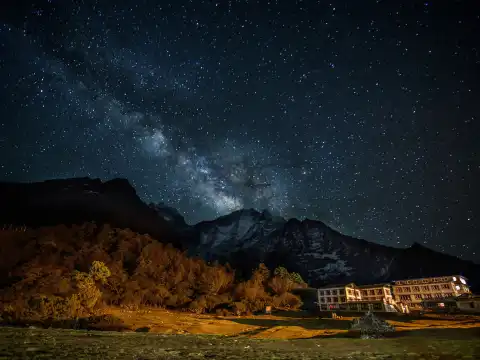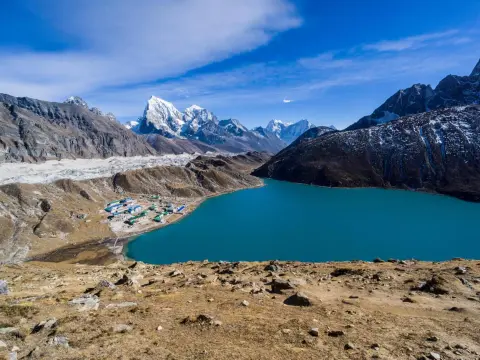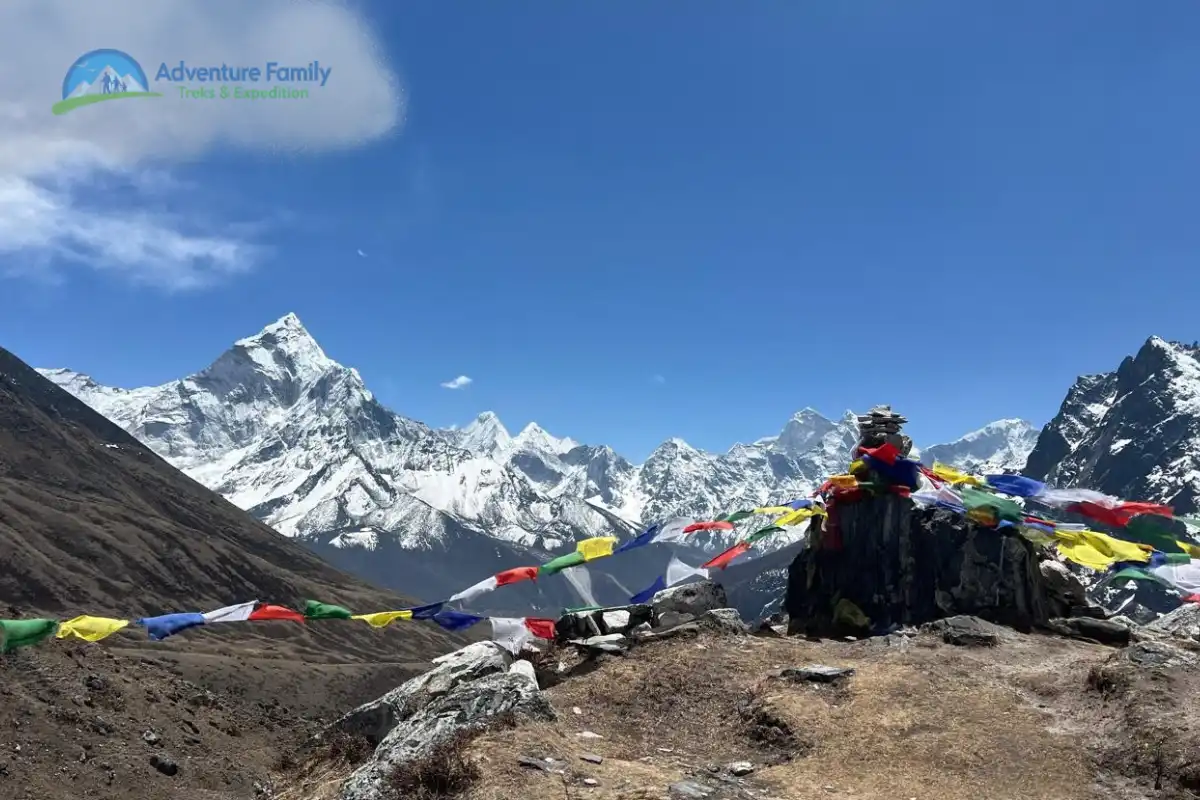
The Everest Three Passes Trek is one of the most iconic and challenging trekking routes in the Everest region of Nepal. This trek uniquely combines three high mountain passes—Kongma La (5,535m), Cho La (5,420m), and Renjo La (5,360m)—offering an unmatched opportunity to experience the dramatic landscapes, cultural richness, and panoramic views of the Himalayas, including Everest itself. Unlike the classic Everest Base Camp trek, this route is more demanding and less frequented, attracting trekkers looking for a thrilling adventure beyond the beaten path.
Starting from Lukla, trekkers gradually ascend through picturesque Sherpa villages such as Namche Bazaar, Tengboche, and Dingboche. The journey crosses high-altitude passes and glacial valleys, passing through sacred monasteries and yak pastures. Along the way, trekkers enjoy breathtaking views of Everest, Lhotse, Makalu, Cho Oyu, and Ama Dablam, enhancing the sense of wonder and accomplishment. This trek perfectly combines natural beauty, physical challenge, and cultural encounters, making it an unforgettable Himalayan experience.
The best time to embark on the Everest Three Passes Trek is during the pre-monsoon (spring) season from March to May and the post-monsoon (autumn) season from late September to November. These periods offer the most stable weather conditions, clear skies, and pleasant temperatures, making trekking safer and more enjoyable.
During spring, the rhododendrons bloom in the lower elevations, adding vibrant colors to the landscape, and the temperatures are relatively moderate. Autumn brings cooler but stable weather and spectacular visibility, providing clear and stunning views of the towering Himalayan peaks. Both seasons avoid the heavy rains of the monsoon, which can cause slippery trails and increased risk of landslides.
Winter trekking is possible but challenging due to extreme cold and heavy snowfalls, while the summer monsoon season is generally not recommended for this trek due to poor weather and trail conditions.
Season highlights:
The Everest Three Passes Trek is considered moderately to highly difficult due to the high altitude, long trekking days, and the physical demand of crossing three passes above 5,300 meters. Trekkers need a good level of fitness, stamina, and experience with high-altitude trekking. Altitude sickness is a risk, so proper acclimatization days are incorporated into the itinerary, such as at Namche Bazaar and Dingboche.
The terrain includes steep ascents, rocky trails, icy patches on passes, and variable weather conditions. Despite the difficulty, the trail is well-marked and supported by teahouses and lodges along the way.
Transportation begins with a scenic flight from Kathmandu to Lukla, known as one of the most thrilling flights due to the mountain runway. From Lukla, the trek starts on foot through the Sagarmatha National Park.
Difficulty and transport summary:
Throughout the Everest Three Passes Trek, trekkers stay in teahouses and lodges that offer basic but comfortable accommodation. These teahouses provide a warm place to rest, with shared or private rooms that typically have simple beds and blankets. Heating is often provided with wood or yak-dung stoves, especially in colder months.
The food available is a mix of traditional Nepali dishes such as dal bhat (lentil soup with rice), momo (dumplings), and noodles, alongside international dishes like pasta and omelets. While the menu becomes more limited at higher elevations, most teahouses cater to trekkers’ dietary needs and preferences, including vegetarian and vegan options.
It is advisable to carry some snacks and energy bars for the trekking days, especially when crossing high passes, as appetite may reduce due to altitude. Staying hydrated and eating regularly are important to maintain energy levels.
Food and lodging highlights:
To undertake the Everest Three Passes Trek, trekkers must obtain certain permits, which are essential for legal entry and conservation of the region. The two main permits are:
Both permits are usually arranged by the trekking company or guides before departure. Additionally, a TIMS (Trekkers’ Information Management System) card may be required to track and manage trekkers in the region.
Permit details:
Choosing Adventure Family Treks and Expedition for the Everest Three Passes Trek guarantees a professional, safe, and personalized trekking experience. With years of experience guiding trekkers through the Himalayas, the company offers expert local guides, well-planned itineraries, and reliable support to ensure your adventure is both rewarding and comfortable.
Adventure Family Treks and Expedition is committed to responsible tourism, supporting local communities, and minimizing environmental impact. Their team ensures that every trekker receives thorough briefings, proper acclimatization schedules, and emergency backup plans, vital for a high-altitude trek.
The company also offers high-quality equipment, comfortable accommodations, and diverse food options along the trek, tailoring services to suit individual preferences and needs. With a focus on safety, cultural immersion, and breathtaking scenery, Adventure Family Treks and Expedition stands out as the perfect partner for an unforgettable Everest Three Passes journey.
Why choose Adventure Family Treks:
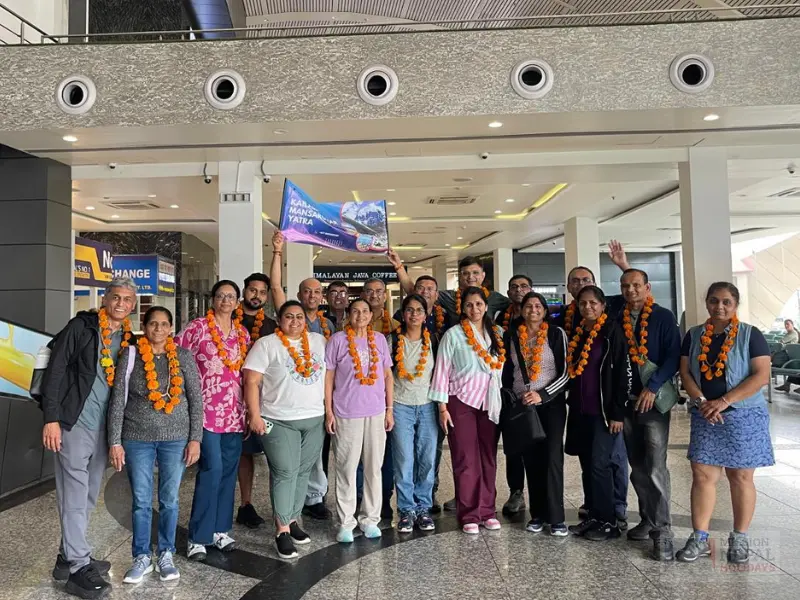


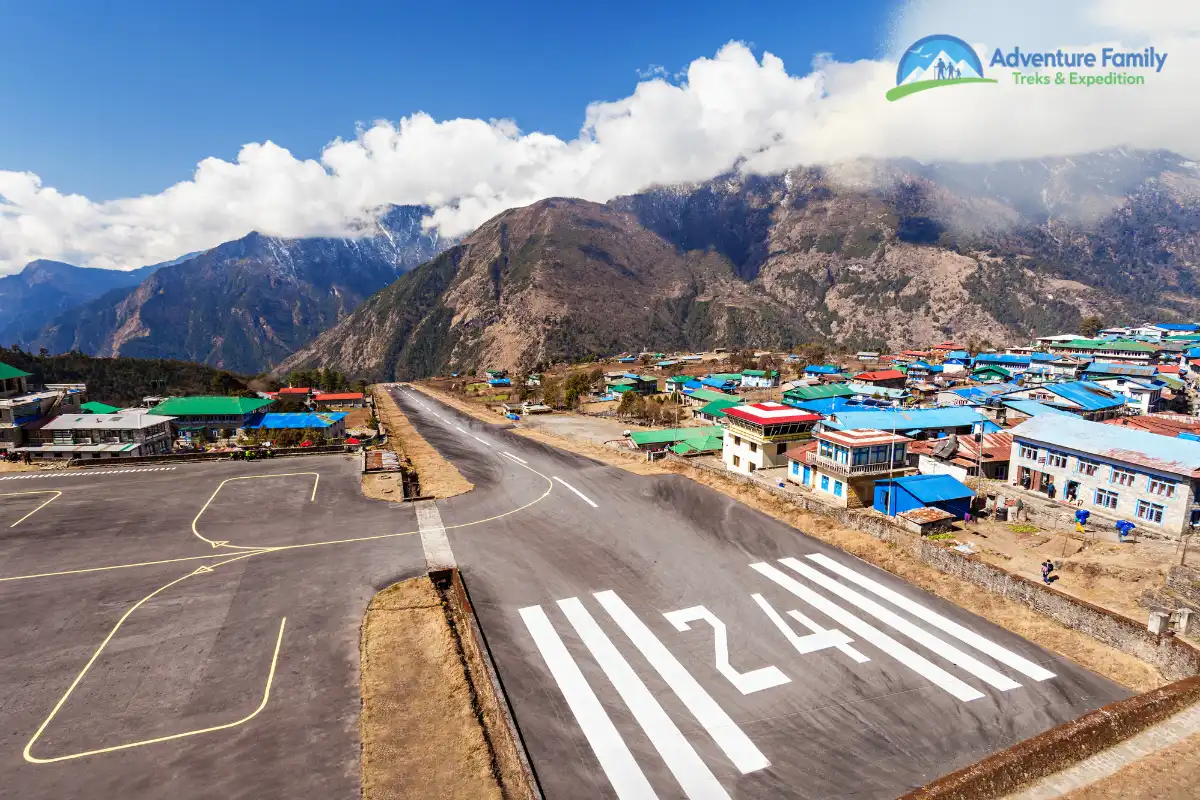
After an early morning scenic flight from Kathmandu to Lukla, the gateway to the Everest region, the trek officially begins. Lukla’s airport, perched on a cliff, offers breathtaking Himalayan views. From Lukla, the trail descends gently alongside the Dudh Koshi River as you trek to Phakding. This first day’s hike helps your body adjust to the altitude while immersing you in Sherpa culture and stunning forest landscapes. Overnight in a cozy teahouse at Phakding.
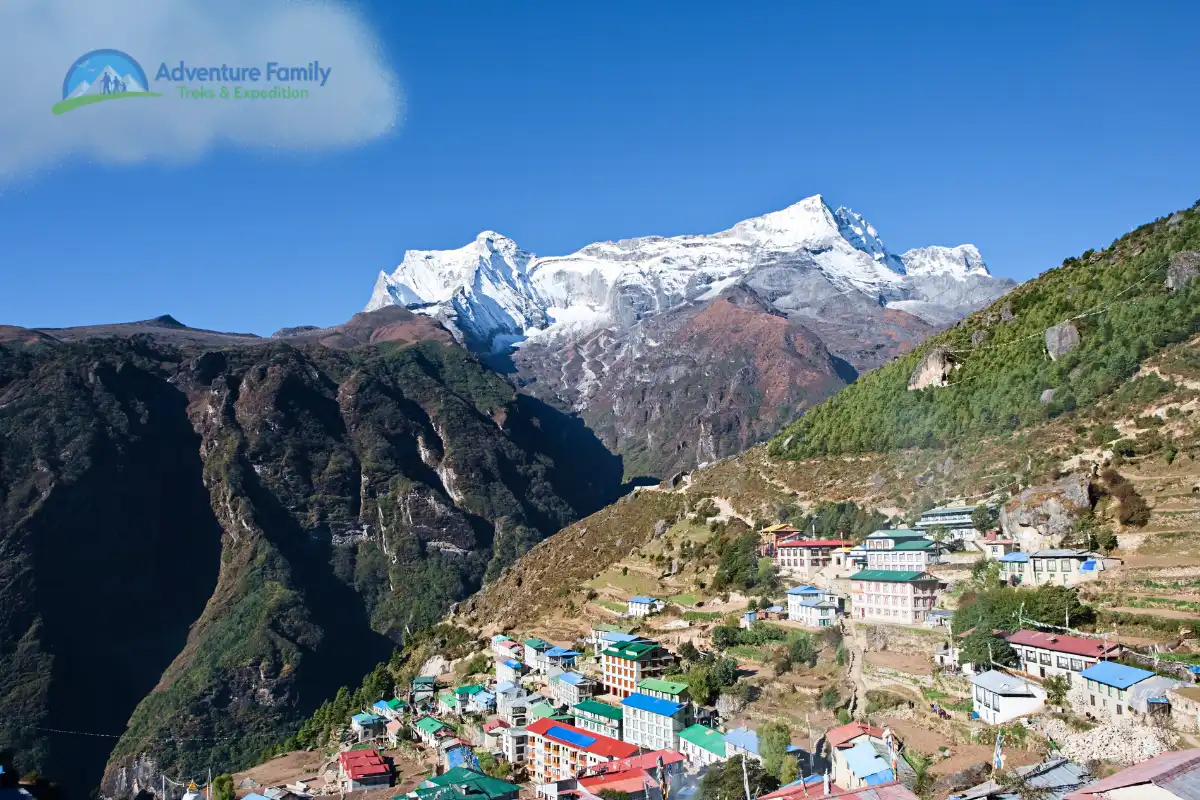
Today’s trek is one of the most spectacular, gradually ascending through pine forests and rhododendron groves. You will cross suspension bridges spanning roaring rivers and pass through traditional Sherpa villages. The highlight is reaching Namche Bazaar, the bustling Sherpa capital, famed for its vibrant market and panoramic Himalayan views, including Everest and Ama Dablam. This cultural hub offers shops, cafes, and a lively atmosphere, perfect for experiencing local life.
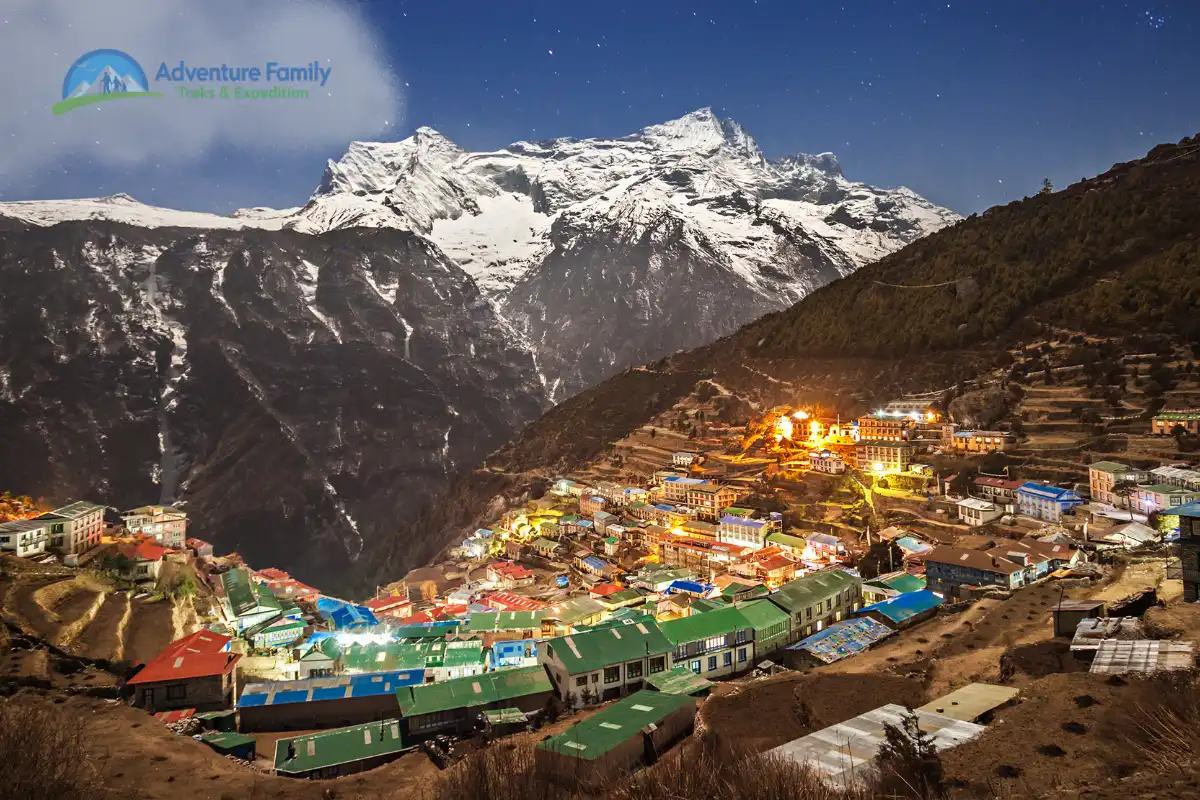
To avoid altitude sickness, today is reserved for acclimatization. You’ll embark on a short, invigorating hike to the Everest View Hotel or Syangboche Airport, both offering incredible vistas of Everest, Lhotse, and Nuptse. Visiting the Sherpa Culture Museum provides fascinating insights into their traditions and mountaineering history. This day allows your body to adjust while enjoying the stunning landscape and vibrant village life.
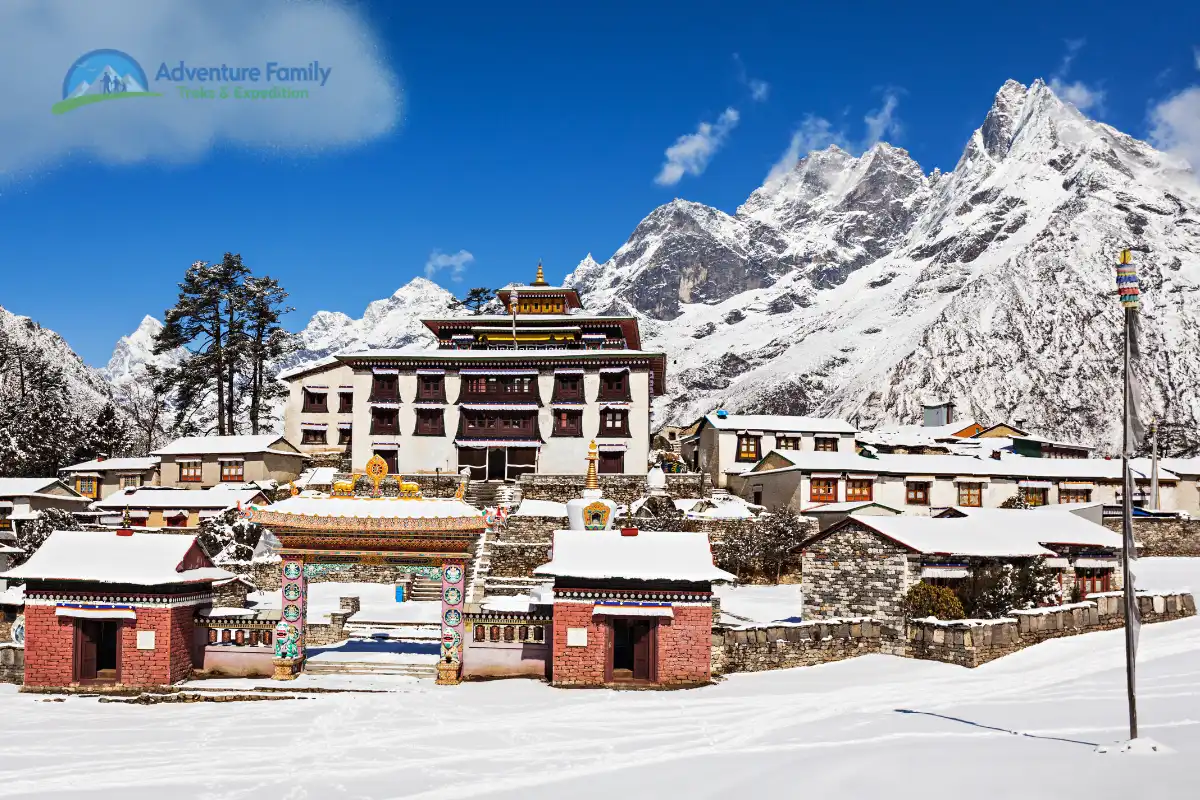
Leaving Namche, the trail climbs steadily through forests of pine and rhododendron, accompanied by views of towering peaks. Tengboche Monastery, the largest and most famous in the region, is a spiritual highlight. You’ll have time to explore the monastery complex and possibly witness monks chanting prayers, surrounded by panoramic views of Everest, Lhotse, and Ama Dablam. The peaceful atmosphere here offers a perfect setting for reflection.
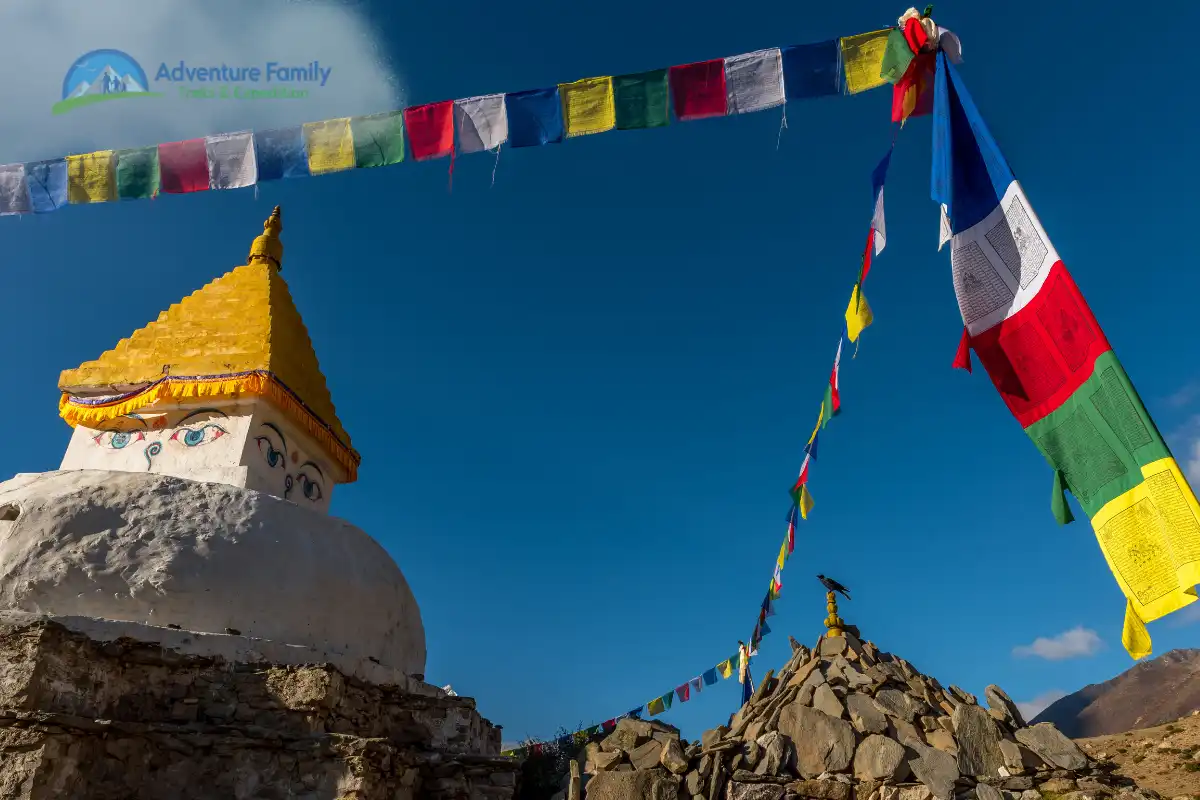
Continuing along the trail, you’ll cross several suspension bridges and pass through small settlements. The trek steadily ascends, bringing you into the heart of the high Himalayas. Dingboche is a traditional Sherpa village set against a dramatic mountain backdrop. The village’s stunning location makes it a perfect base for acclimatization and prepares you for higher passes ahead. Enjoy the fresh mountain air and spectacular views.
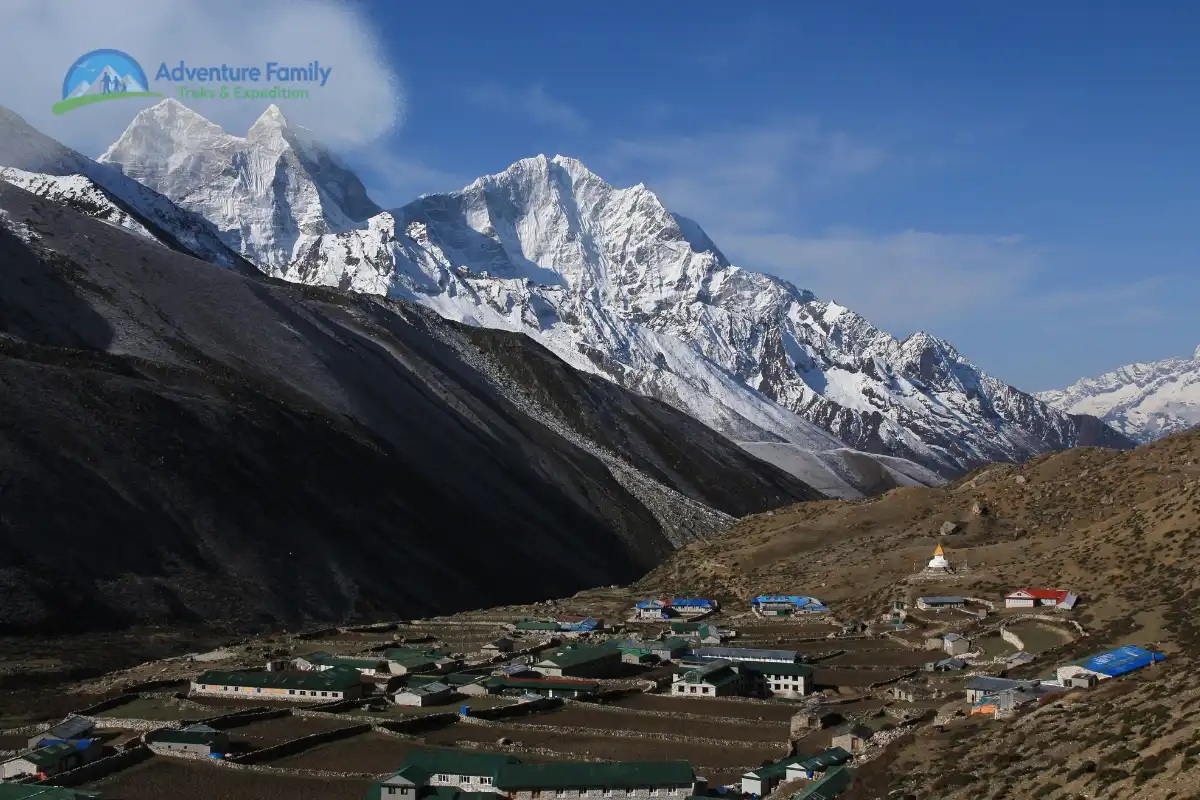
To further aid acclimatization, today is a rest day at Dingboche. You can take an optional hike to Nagarjun Hill, which offers breathtaking views of Makalu, Lhotse, and Ama Dablam, or simply relax and explore the village. This day is crucial for adjusting to the high altitude and building strength for the challenging passes ahead, ensuring a safe and enjoyable trek.
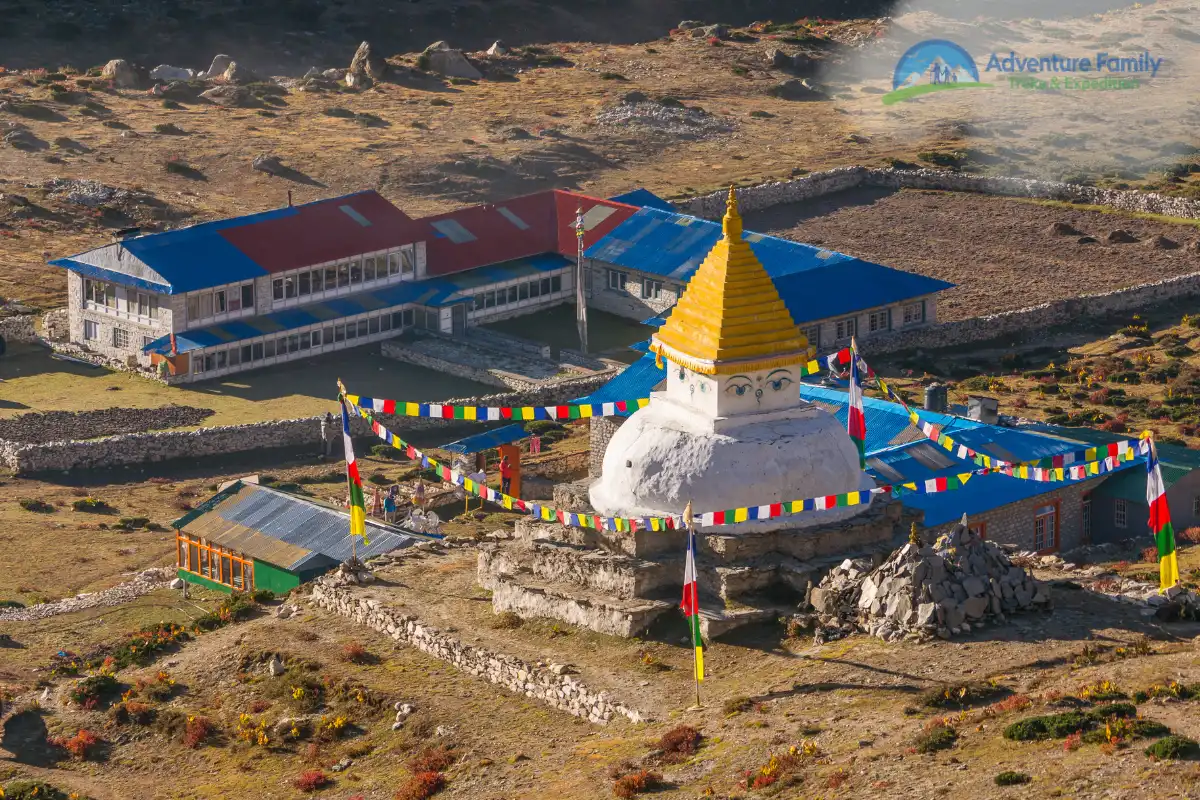
The trail to Chukung takes you higher into the mountains, with stunning vistas of Imja Tse (Island Peak) and surrounding glaciers. Chukung is a small village known as a popular base camp for climbers attempting Island Peak. The landscape here becomes more rugged and alpine, offering a dramatic contrast to the lower forested areas. The quiet village provides a peaceful atmosphere amid the towering peaks.

Today is one of the most challenging yet rewarding days as you cross the highest pass of the trek, Kongma La. The ascent to the pass is steep and requires good stamina, but you’ll be rewarded with breathtaking panoramic views of the Himalayas. After crossing the pass, the trail descends to Lobuche, a small settlement that serves as a gateway to Everest Base Camp. The day’s effort brings a profound sense of accomplishment.
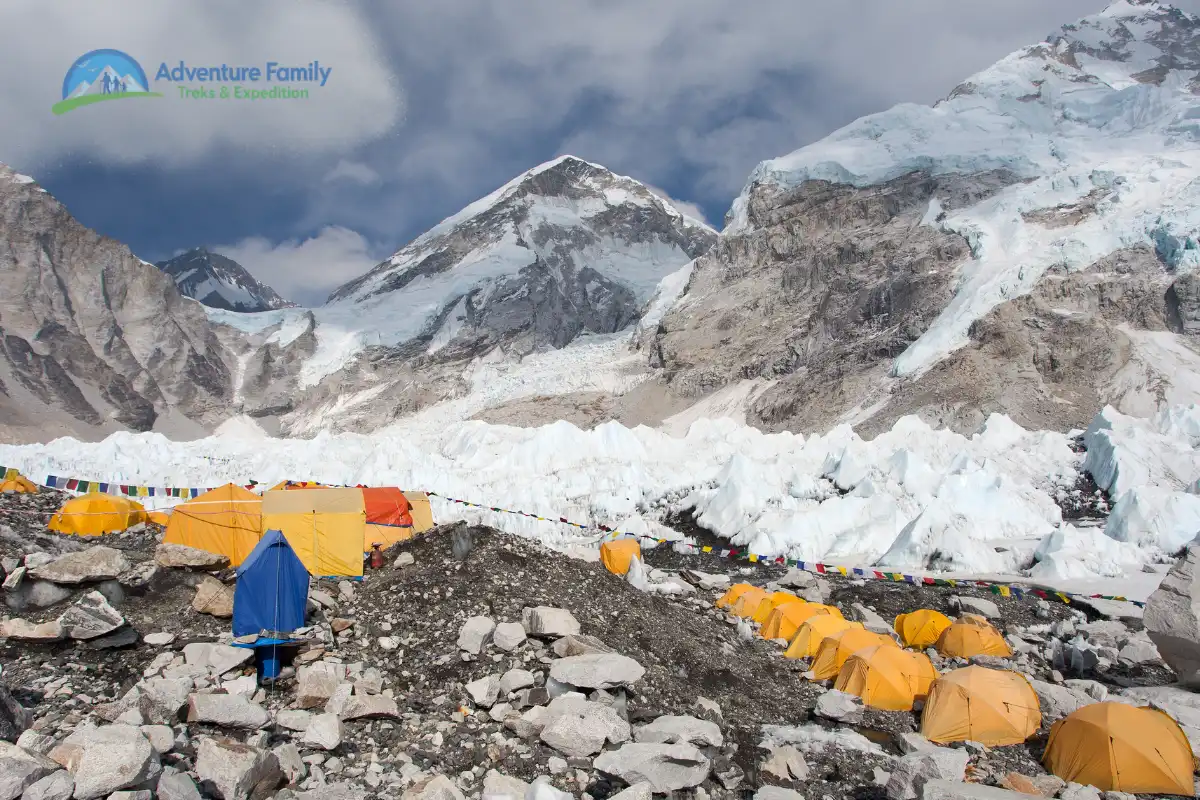
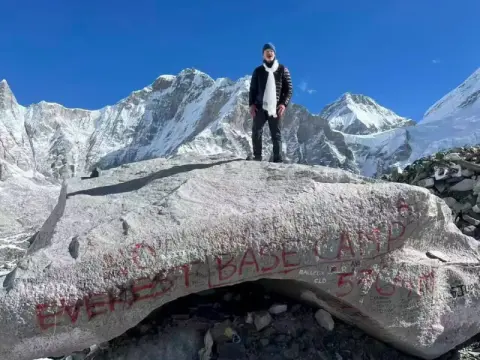
From Lobuche, the trail takes you to the legendary Everest Base Camp. Along the way, you’ll walk past towering glaciers and prayer flags fluttering in the wind. Standing at Base Camp, you’ll witness the massive Khumbu Icefall and surrounding peaks, a truly humbling experience. After soaking in the views, the trek back to Gorak Shep offers some rest before tomorrow’s climb to Kala Patthar.
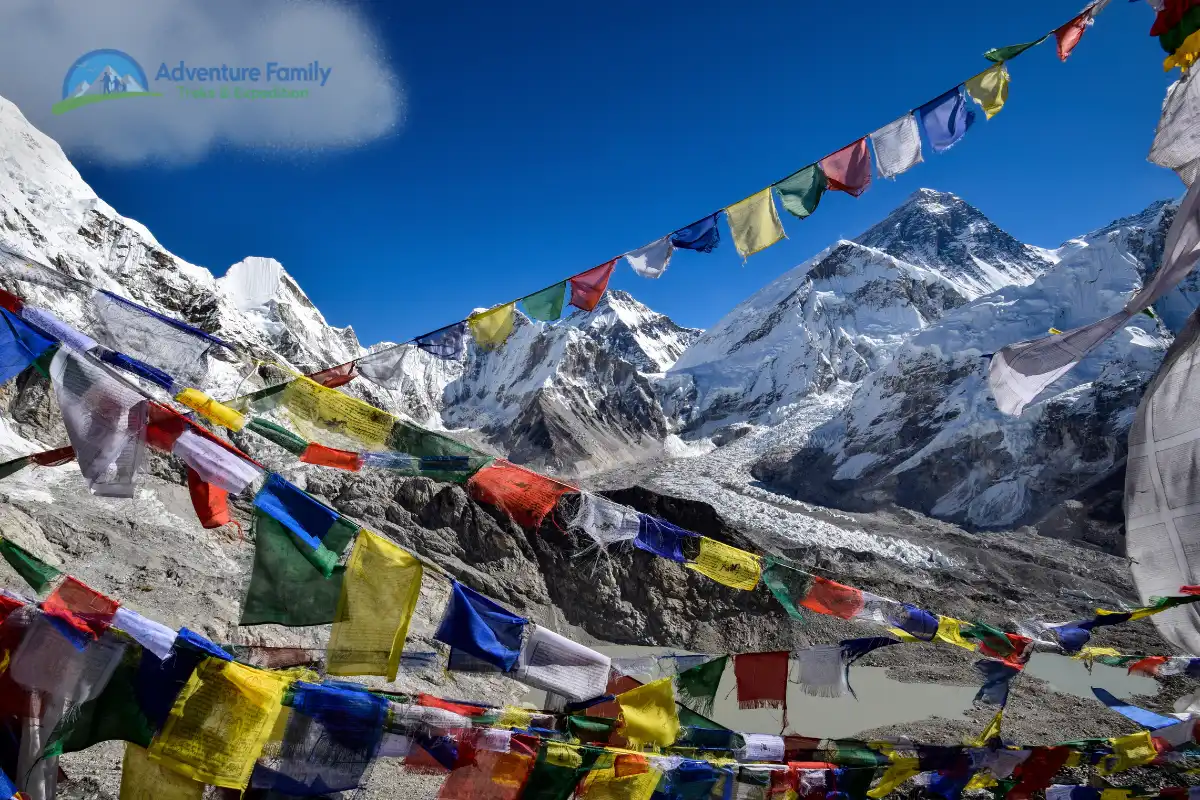
An early morning ascent to Kala Patthar is a trekker’s highlight, offering arguably the best close-up views of Everest and the surrounding giants. The sunrise here is unforgettable, bathing the peaks in golden light. After descending, you’ll trek to Dzongla, crossing rocky trails and alpine landscapes. This journey combines the thrill of high-altitude trekking with serene mountain scenery, leaving lasting memories.
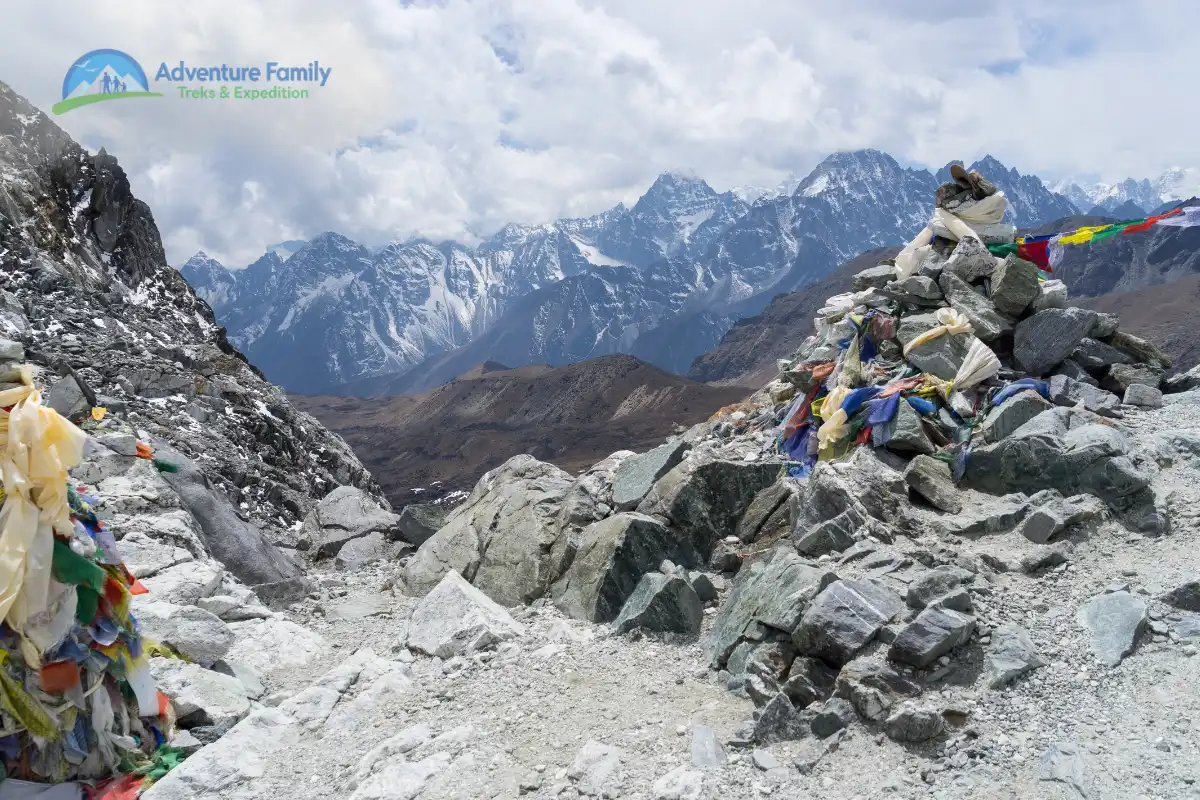
Start early in the morning for a challenging and rewarding trek across Cho La Pass (5,420m), one of the high mountain passes in the Everest region. The trail ascends through rugged terrain, rocky slopes, and glacial landscapes before reaching the pass, where you can enjoy breathtaking views of the surrounding Himalayan peaks. After crossing Cho La, descend carefully toward the beautiful Gokyo Valley (4,700m), passing through dramatic mountain scenery and glacial landscapes. After approximately 8 hours of trekking, arrive in Gokyo and enjoy a well-deserved rest beside the tranquil Gokyo Lakes.
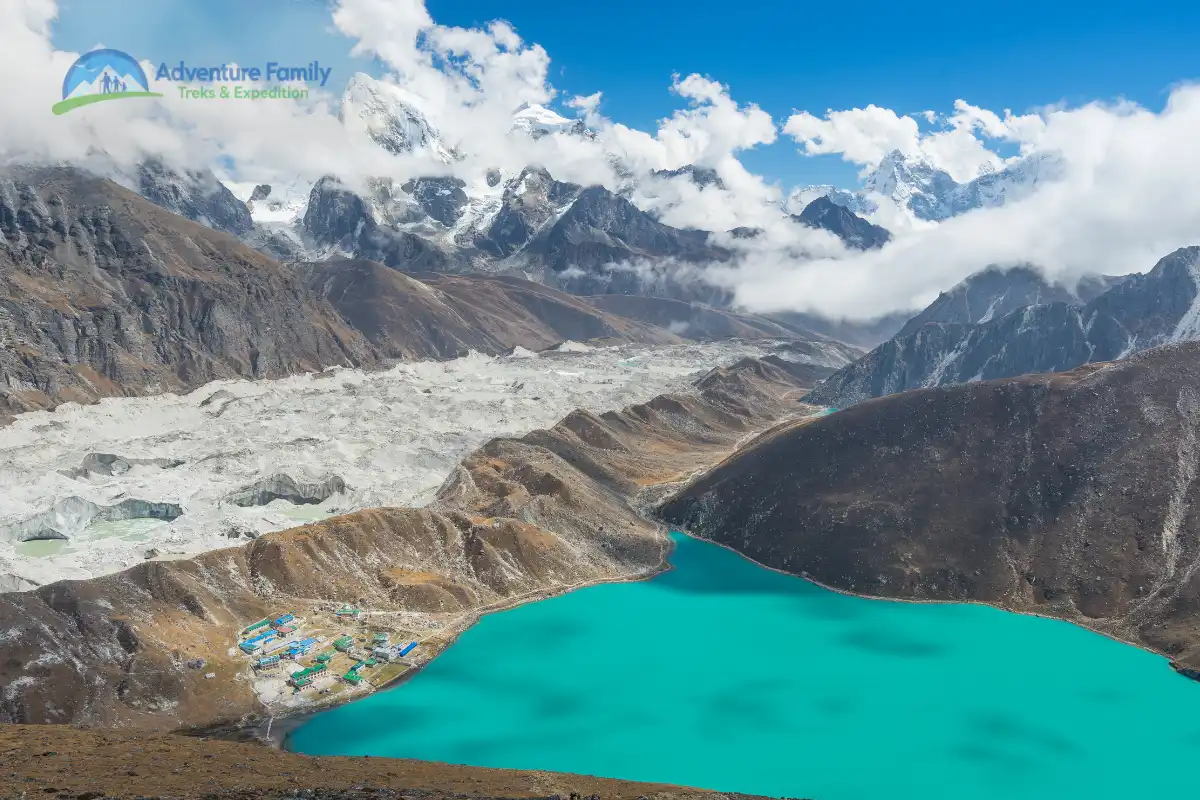
A rest day with a rewarding climb to Gokyo Ri, a nearby peak that provides panoramic views of Everest, Lhotse, Makalu, and Cho Oyu. The climb is moderately challenging but highly rewarding, especially at sunrise or sunset. After returning to Gokyo village, enjoy some well-earned relaxation and reflect on the incredible landscapes you’ve encountered.
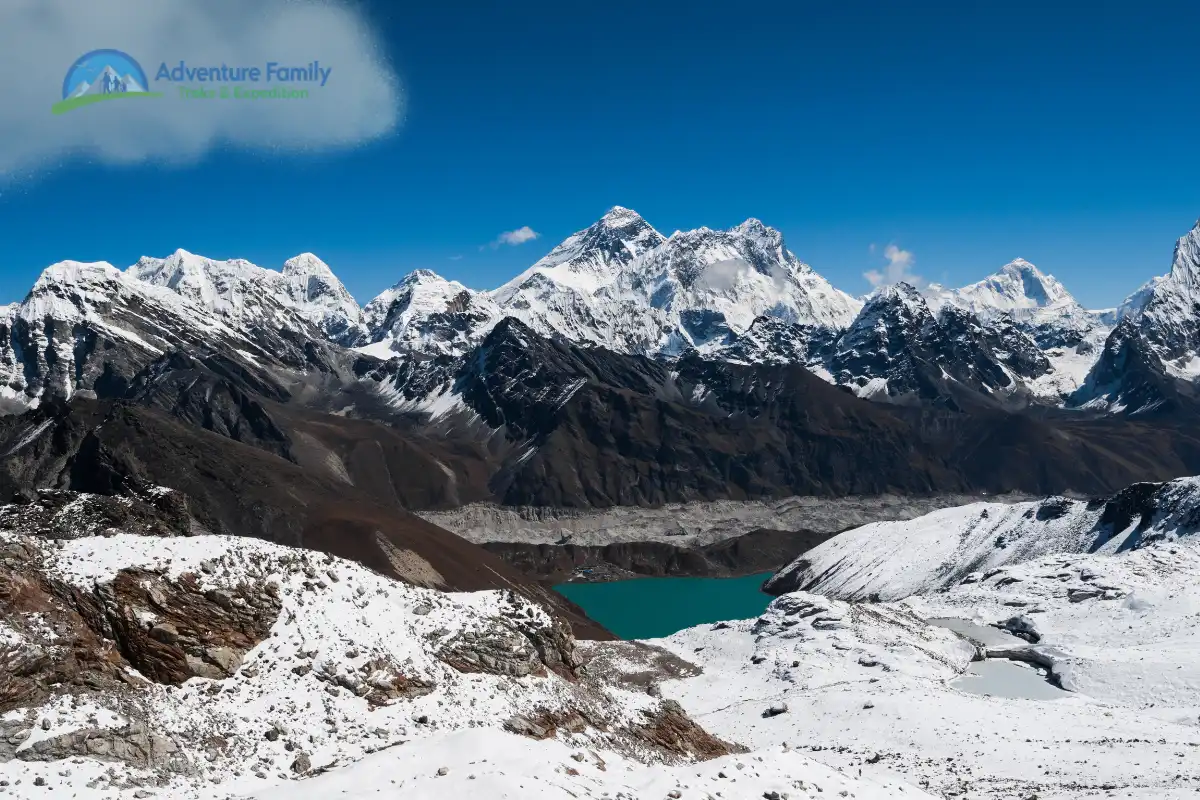
Crossing Renjo La Pass offers more spectacular views of Everest and the surrounding peaks. The trail descends into a lush valley, leading to Lungden, a remote and peaceful village. This route is less frequented by trekkers, offering a sense of solitude and immersion in the pristine environment. The descent is easier after the challenging pass, allowing you to soak in the natural beauty.
After breakfast, begin your trek from Lungden to Namche Bazaar (3,440m), following the scenic trail through the remote landscapes of the Khumbu region. The route passes through traditional Sherpa villages, alpine forests, and beautiful mountain scenery as you gradually descend toward the Dudh Koshi Valley. After approximately 7 hours of trekking, arrive at Namche Bazaar, the vibrant gateway to the Everest region. Check into your lodge and relax after the rewarding journey.
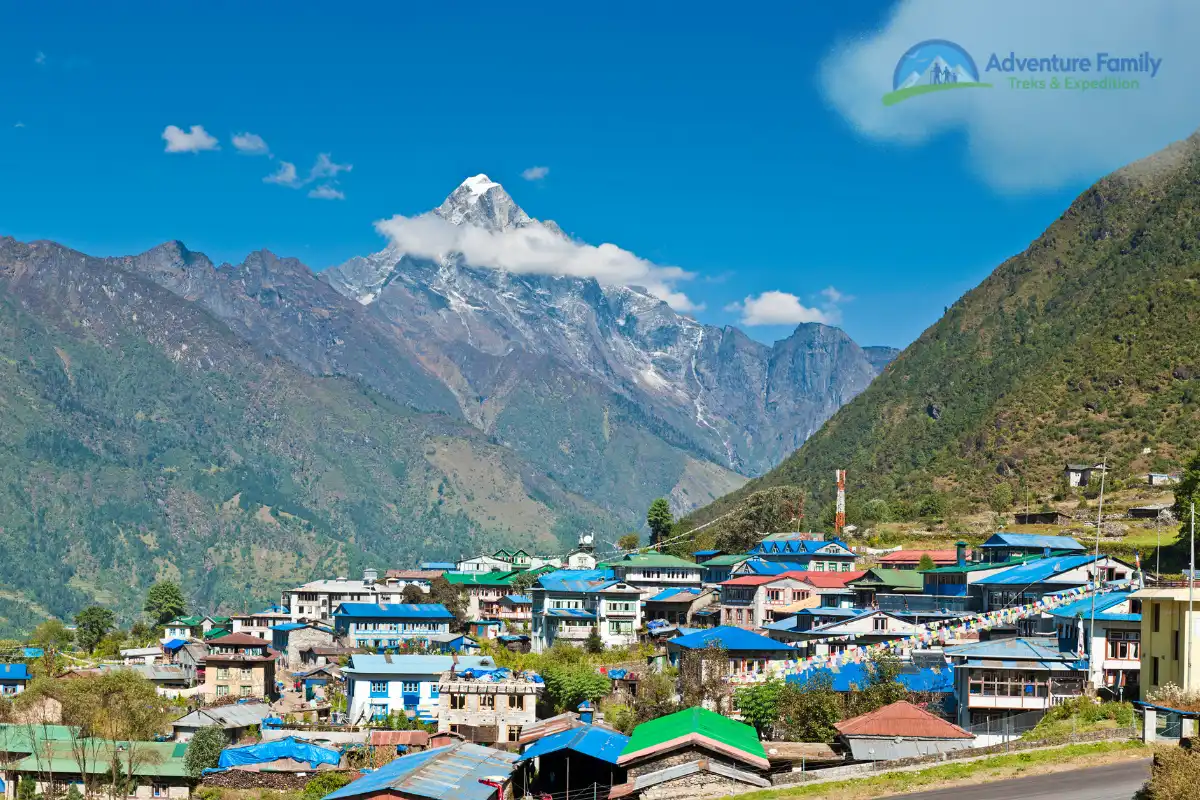
After breakfast, begin your final trekking day from Namche Bazaar to Lukla (2,860m). Follow the scenic trail through lush forests, Sherpa villages, and suspension bridges, gradually descending along the Dudh Koshi Valley. Enjoy the beautiful Himalayan scenery along the way as you retrace the trail toward Lukla. After approximately 7 hours of trekking, arrive in Lukla and transfer to your lodge for an overnight stay and a well-deserved rest.
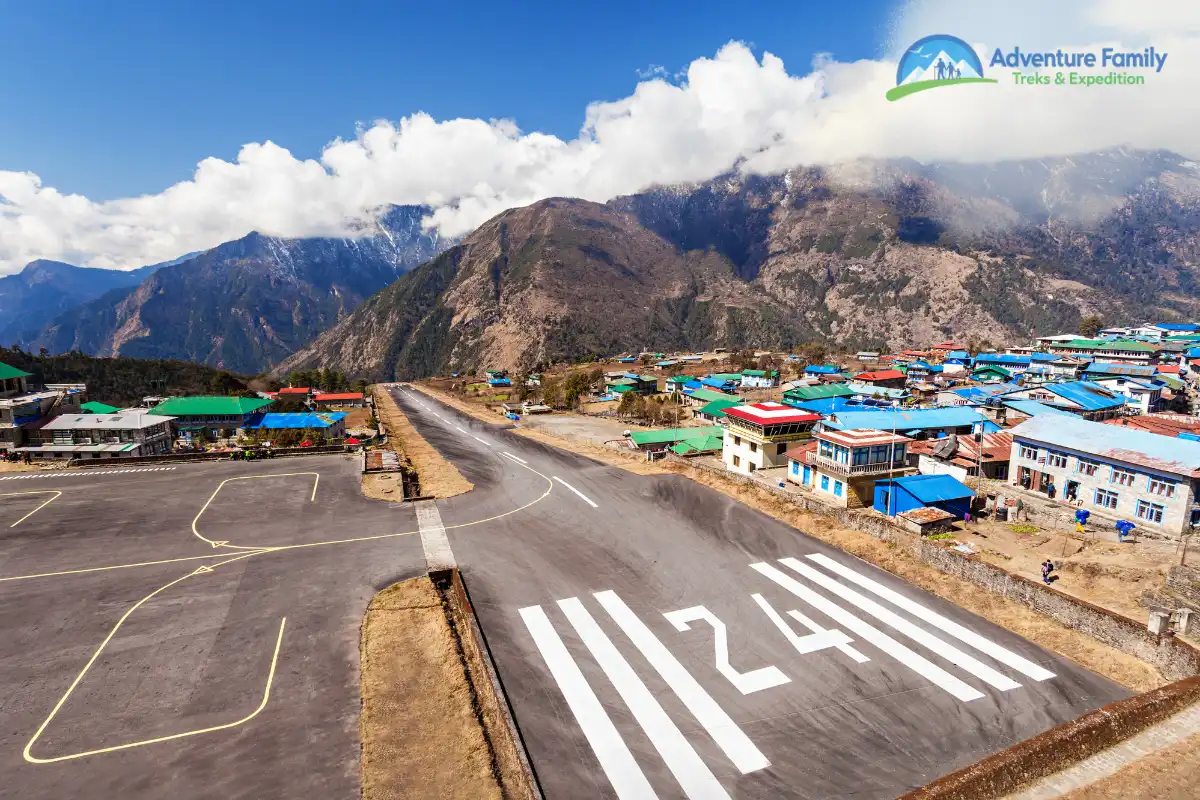
After an early morning flight back to Kathmandu, you’ll have the afternoon free to explore, shop for souvenirs, or relax at your hotel. This day provides a gentle transition from the remote Himalayas back to city life. You might choose to enjoy a spa, visit a local café, or take a leisurely stroll around Thamel, Kathmandu’s bustling tourist district.
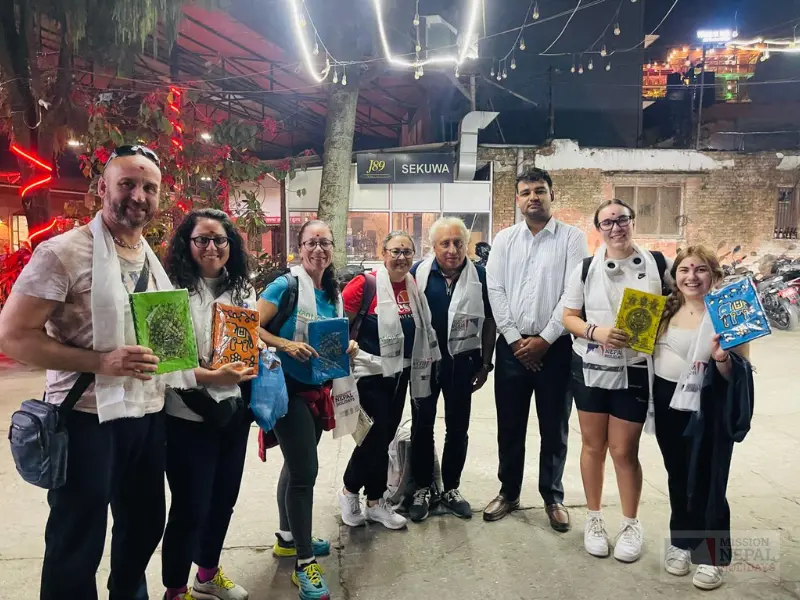


Complimentary Trip Gifts & Souvenirs
Clothing
Handwear
Footwear
Gear
Miscellaneous
The Everest Three Passes Trek is an adventurous and challenging route in the Everest region that crosses three high mountain passes—Kongma La, Cho La, and Renjo La. This trek offers trekkers the opportunity to explore stunning landscapes, traditional Sherpa villages, and iconic Himalayan peaks, including close-up views of Everest. Adventure Family Treks and Expedition organizes this trek with a focus on safety, acclimatization, and cultural immersion, making it suitable for experienced trekkers looking for a unique challenge.
The full itinerary for the Everest Three Passes Trek with Adventure Family Treks and Expedition spans 21 days. This includes arrival in Kathmandu, acclimatization days, trekking between villages, crossing the three passes, and ample rest days for acclimatization. The trek covers various elevations from 1,350 meters to over 5,600 meters, providing a comprehensive Everest region experience.
Yes, Adventure Family Treks and Expedition offers flexible trekking packages, allowing trekkers to customize the itinerary based on their interests, fitness level, and time constraints. Whether you want additional rest days, side excursions, or a shorter trek, the company can tailor the experience while maintaining safety and quality.
Due to its high altitude and demanding terrain, the Everest Three Passes Trek requires good physical fitness and prior trekking experience at high altitudes. Trekking for several hours daily, often on steep and rocky paths, demands stamina and endurance. Adventure Family Treks and Expedition recommends a thorough preparation involving cardiovascular exercise, strength training, and previous trekking experience above 3,000 meters to fully enjoy the trek and minimize altitude sickness risk.
Yes, altitude sickness is a potential risk since the trek reaches elevations above 5,000 meters. Adventure Family Treks and Expedition prioritizes gradual acclimatization by incorporating rest days at key points such as Namche Bazaar and Dingboche. Guides are trained to recognize symptoms of altitude sickness and have protocols in place, including descent and medical evacuation if necessary, to ensure trekkers’ safety.
The ideal seasons for the Everest Three Passes Trek are pre-monsoon (March to May) and post-monsoon (late September to November). During these periods, the weather is generally clear, offering spectacular views of the Himalayan peaks. Adventure Family Treks and Expedition advises avoiding the monsoon season (June to August) due to heavy rains and slippery trails, and the harsh winter months (December to February) because of extreme cold and snow.
Throughout the Everest Three Passes Trek, trekkers stay in basic teahouses or lodges that provide simple rooms with shared or private bathrooms, depending on availability. Meals typically include traditional Nepali dishes such as dal bhat, momos, and soups, along with some Western options. Adventure Family Treks and Expedition ensures quality meals and clean accommodations, emphasizing hygiene and nutrition to keep trekkers energized during the journey.
Proper gear is essential for the Everest Three Passes Trek due to varying weather and temperatures. Trekkers should bring layered clothing, including thermal base layers, fleece jackets, waterproof outer layers, sturdy trekking boots, gloves, hats, and sunglasses. Adventure Family Treks and Expedition provides a detailed gear list before departure to help trekkers prepare adequately for the cold nights and high-altitude sun exposure.
Adventure Family Treks and Expedition employs highly experienced local guides and support staff who are well-versed in the Everest region’s terrain, culture, and safety procedures. Their guides are trained in first aid and altitude sickness management, ensuring that trekkers receive expert assistance and enriching cultural insights throughout the trek.
To trek in the Everest region and cross the three passes, permits such as the Sagarmatha National Park Permit and the TIMS (Trekkers’ Information Management System) card are mandatory. Adventure Family Treks and Expedition handles all necessary permit arrangements and paperwork, ensuring a smooth and hassle-free trekking experience for clients from arrival to departure.
| No of people | Price per person |
|---|---|
| 1 - 1 | $1,750 |
| 2 - 5 | $1,399 |
| 6 - 9 | $1,300 |
| 10 - 15 | $1,250 |
| 16 - 20 | $1,200 |