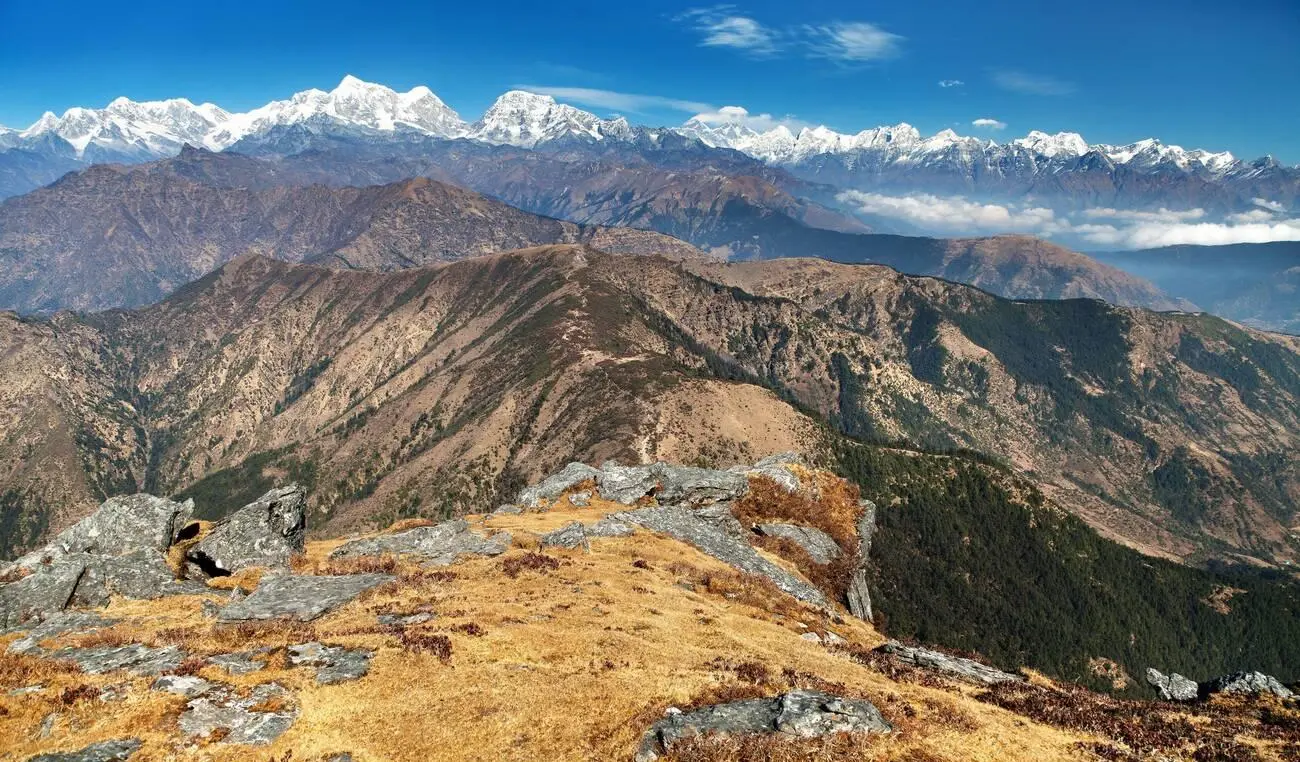
The Pikey Peak Trek is a moderately challenging trekking adventure located in the Solu-Khumbu region of eastern Nepal. Unlike the more crowded Everest Base Camp Trek, Pikey Peak offers tranquility, authentic Sherpa culture, and panoramic views of the Himalayas, including the majestic Mt. Everest, Kanchenjunga, and other Himalayan peaks. The trek usually begins with an exciting drive from Kathmandu to Dhap Bazaar, which is a journey through the lush hills, terraced landscapes, and traditional villages of eastern Nepal. Each day of the trek takes travelers through forests of rhododendron, pine, and oak, as well as small Sherpa settlements that provide a glimpse into local traditions, daily life, and religious practices.
Adventure Family Treks and Expedition ensures that trekkers experience both the natural and cultural richness of this trail. The highlight is the ascent to Pikey Peak (4,065 meters), where trekkers are rewarded with stunning panoramic views of snow-capped Himalayan peaks at sunrise or sunset. This trek is perfect for nature enthusiasts, photography lovers, and travelers seeking an authentic Himalayan experience without the heavy crowds of more popular trekking routes.
Key Points:
The best season to undertake the Pikey Peak Trek is either spring (March to May) or autumn (September to November). During spring, the trail is vibrant with blooming rhododendrons and other Himalayan flora, creating a colorful and lively trekking experience. The weather is generally mild, with clear skies offering breathtaking views of Everest, Kanchenjunga, and Makalu. Autumn, on the other hand, is known for its stable weather, crisp air, and panoramic mountain vistas, making it the most popular trekking season.
While winter (December to February) is an option, it is far colder, especially at higher altitudes, and snow can make trails slippery. The monsoon season (June to August) is usually avoided due to heavy rainfall, slippery paths, and limited visibility, which can obscure the stunning mountain views. Adventure Family Treks and Expedition customizes each trek based on the season to ensure safety, comfort, and maximum enjoyment of the natural beauty.
Short Points:
The Pikey Peak Trek is considered a moderate-level trek, suitable for individuals with basic fitness and some trekking experience. The trail involves gradual ascents and descents, with the most challenging section being the final climb to Pikey Peak at 4,065 meters. Trekkers need stamina for long walking days, especially at higher altitudes, but the trek is achievable for those willing to pace themselves. The altitude is moderate compared to Everest Base Camp or Annapurna Circuit, but proper acclimatization is essential to prevent altitude sickness.
Transportation to the trailhead is convenient. Most trekkers begin with a scenic drive from Kathmandu to Dhap Bazaar, which usually takes 8–10 hours and passes through picturesque landscapes, small villages, and forests. On the return journey, trekkers drive back from Phaplu to Kathmandu, avoiding long trekking on the way down. Adventure Family Treks and Expedition provides private or shared vehicles depending on group size, ensuring comfort, reliability, and safety throughout the journey.
Short Points:
During the Pikey Peak Trek, trekkers enjoy a mix of traditional Nepali meals and Western-style food, typically served at tea houses and lodges along the trail. Breakfast usually includes porridge, eggs, toast, or local options such as sel roti. Lunch is often a light meal such as noodle soup, rice with vegetables, or dal bhat (traditional lentil curry with rice). Dinner is more substantial and often includes vegetable curry, rice, and sometimes meat dishes depending on the availability. Adventure Family Treks and Expedition ensures that all food options are hygienic, nutritious, and balanced to support energy levels for trekking.
Accommodation along the trail consists mostly of tea houses or lodges, offering basic yet comfortable rooms with shared or private bathrooms. Facilities may be simple, but the warm hospitality of local families makes the stay enjoyable. At higher elevations, lodges may have limited electricity or hot water, so trekkers are encouraged to carry headlamps and layered clothing. In some remote areas, Adventure Family Treks and Expedition arranges special accommodations to ensure comfort and safety, giving trekkers peace of mind during the journey.
Short Points:
Trekking in Nepal requires certain permits to ensure that visitors are legally allowed to explore the region and that conservation efforts are supported. For the Pikey Peak Trek, the main permits required are the TIMS (Trekkers’ Information Management System) card and the Sagarmatha National Park Permit if the trek enters the park’s boundaries. These permits are usually obtained in Kathmandu before the trek begins. Adventure Family Treks and Expedition assists all trekkers in obtaining the necessary permits efficiently, ensuring a smooth start to the journey.
Permits also help regulate tourism and support local communities, making sure that trekking contributes positively to the region. Carrying your permits at all times is essential, as local authorities or police checkpoints may request them along the trail. For international trekkers, Adventure Family Treks and Expedition ensures that all paperwork is correctly filed, reducing the risk of complications or delays during the trek.
Short Points:
The Pikey Peak Trek is an ideal choice for travelers seeking a peaceful, scenic, and culturally rich trekking experience in Nepal. Unlike the heavily crowded Everest Base Camp trek, Pikey Peak offers solitude, authentic interactions with Sherpa communities, and unspoiled Himalayan landscapes. Trekkers are rewarded with stunning panoramic views of Mt. Everest, Kanchenjunga, Makalu, and other Himalayan peaks from the summit, which remains relatively uncrowded even during peak trekking seasons.
Adventure Family Treks and Expedition specializes in providing customized trekking experiences that balance adventure, comfort, and safety. With experienced guides, proper logistics, and careful attention to health and acclimatization, the trek becomes enjoyable for both first-time trekkers and seasoned adventurers. Beyond the natural beauty, travelers also explore monasteries, interact with local communities, and witness authentic Sherpa culture. This combination of scenery, culture, and well-planned logistics makes the Pikey Peak Trek a unique and unforgettable Himalayan journey.
Short Points:
Today is dedicated to exploring Kathmandu’s cultural and historical treasures while completing trek preparations. You will visit UNESCO World Heritage sites such as Swayambhunath Stupa (Monkey Temple), Pashupatinath Temple, and the ancient Durbar Squares of Kathmandu. Each site offers insight into Nepalese culture, religion, and history. In the afternoon, the team will assist with trekking gear checks, distribute permits, and give a detailed briefing about the Pikey Peak Trek. This day balances cultural immersion with practical preparations, ensuring a smooth start to your trekking adventure.
After breakfast, you will embark on a scenic drive from Kathmandu to Dhap Bazaar. The journey takes you through lush valleys, terraced fields, and picturesque villages, offering your first glimpses of the Himalayan foothills. Arriving in Dhap Bazaar, you will be greeted by stunning views of the surrounding hills and mountains. This vibrant village is known for its welcoming locals and tranquil environment, making it a perfect starting point for the trek. In the evening, enjoy a hearty dinner and rest, preparing for the trekking days ahead.
The trek begins with a gradual ascent through forests of pine and rhododendron, interspersed with traditional Sherpa villages. Along the trail, you will pass small streams and wooden bridges, immersing yourself in the natural beauty of the Solukhumbu region. The village of Jhapre, perched amidst terraced fields, offers panoramic views of distant peaks and a warm, hospitable local community. Overnight in Jhapre gives you the chance to experience authentic mountain life, enjoying the crisp air and starry night skies.
Today, the trek intensifies as you climb steadily toward Pikey Peak Base Camp. The path winds through dense forests, traditional villages, and prayer-flag-lined trails. Along the way, you may spot local wildlife and encounter friendly villagers going about their daily routines. Arriving at the base camp, you will be treated to breathtaking vistas of Everest, Kanchenjunga, and Makalu. The camp is serene and invigorating, setting the perfect scene for the summit attempt the following day. Evening at the base camp is peaceful, ideal for stargazing and reflection.
An early morning trek takes you to the summit of Pikey Peak, where a 360-degree panoramic view of the Himalayan range awaits. From here, you can see Everest, Makalu, Lhotse, and other majestic peaks shimmering in the sunrise light. After capturing memories and soaking in the incredible scenery, the descent begins toward Jasmane Bhanjyang. The path meanders through forests and small settlements, allowing you to experience the serenity of the high-altitude landscape. Overnight at Jasmane Bhanjyang offers rest and a chance to recount the thrill of conquering the summit.
Descending toward Junbesi, the trail gradually winds through rhododendron forests and terraced fields, offering stunning vistas of the surrounding peaks. Junbesi, a charming Sherpa village, is known for its ancient monasteries and warm hospitality. This trek day is less strenuous, giving your body time to recover while allowing deeper cultural engagement with local life. You can explore the village, visit traditional homes, and interact with locals to learn about Sherpa culture and traditions. Evening relaxation provides a gentle transition from high-altitude trekking to village life.
A well-deserved rest day in Junbesi allows time to explore the area’s cultural and natural attractions. You may visit the famous Thuptenchholing Monastery, an important spiritual center of the region, or opt for a short hike to a nearby viewpoint offering exceptional Everest panoramas. This day provides an opportunity to reflect on your trek, enjoy local cuisine, and interact with the friendly Sherpa community. The relaxed pace prepares your body for the final trekking segment while enriching your understanding of Himalayan culture.
The trek continues through gentle descents along picturesque trails lined with forests, streams, and terraced fields. Along the way, you will pass several small villages, experiencing authentic rural life and local hospitality. Phaplu, your destination for the day, is a quiet town with an airstrip connecting it to Kathmandu. Arrival in Phaplu marks the end of the trekking adventure. You will have time to relax, explore the town, and enjoy your final evening amidst the tranquil scenery of the Solukhumbu region.
A scenic drive or short flight from Phaplu returns you to Kathmandu, offering a final chance to admire the beautiful landscapes of eastern Nepal. Upon arrival, you will check into your hotel and have time to rest or explore Kathmandu at leisure. This is an excellent opportunity for souvenir shopping, enjoying local cuisine, or visiting any remaining attractions. The evening concludes with a farewell dinner organized by Adventure Family Treks and Expedition, celebrating the successful completion of the Pikey Peak Trek with your fellow trekkers.
After breakfast, the team will transfer you to Tribhuvan International Airport for your onward journey. This marks the conclusion of your Pikey Peak Trek experience. The memories of Himalayan vistas, cultural encounters, and the thrill of trekking will remain with you long after departure. Adventure Family Treks and Expedition ensures a smooth and comfortable departure, leaving you with lasting impressions of Nepal’s natural beauty and warm hospitality.

Clothing
Handwear
Footwear
Gear
Miscellaneous
The best time to trek Pikey Peak is during the spring (March to May) and autumn (September to November) seasons. These periods offer clear skies, moderate temperatures, and excellent views of the Himalayas, including Everest and Kanchenjunga. Winter can be very cold with heavy snowfall at higher altitudes, while the monsoon season brings rain and slippery trails, making trekking more challenging and less enjoyable.
The Pikey Peak Trek is considered a moderate trek. It is suitable for individuals with reasonable fitness levels and some prior trekking experience. The trek includes gradual ascents and descents, with the highest point being Pikey Peak at 4,065 meters. While altitude sickness is a possibility, proper acclimatization, as scheduled during the trek, helps minimize risks.
Trekking preparation should include regular cardio exercises, leg strengthening, and endurance training. Hiking with a backpack before the trek helps your body adjust to carrying weight on long walking days. Adventure Family Treks and Expedition offers pre-trek guidance and tips to help clients build stamina and minimize fatigue during the journey.
The Pikey Peak Trek generally takes 11 days, starting from Kathmandu. The trek involves a combination of driving and trekking, with key stops including Dhap Bazaar, Jhapre, Pikey Peak Base Camp, Jasmane Bhanjyang, Junbesi, and Phaplu. The trek allows for rest days and optional visits to monasteries or additional Everest viewpoints. Adventure Family Treks and Expedition provides a detailed itinerary ensuring a balance of adventure and acclimatization.
The Pikey Peak Trek can be suitable for older children and physically fit elderly trekkers, provided they maintain a moderate pace and follow the itinerary carefully. Proper acclimatization and rest days are essential. Adventure Family Treks and Expedition provides guidance on fitness preparation and pace adjustments to accommodate different age groups.
Yes, trekkers are required to have the necessary permits for the Pikey Peak region. This includes a TIMS (Trekkers’ Information Management System) card and entry permits for certain restricted areas, which our company, Adventure Family Treks and Expedition, arranges for all clients to ensure a hassle-free experience.
Accommodation on the Pikey Peak Trek is mostly in tea houses and lodges along the trail. Rooms are typically simple, clean, and provide basic amenities. While facilities may be limited compared to hotels in Kathmandu, they offer a cozy place to rest. Adventure Family Treks and Expedition carefully selects lodges to ensure comfort and hygiene for trekkers.
Tea houses along the trail serve a variety of meals including local Nepali dishes, such as dal bhat (rice and lentils), noodles, soups, and vegetarian options. Packaged snacks and energy bars are also recommended for long trekking days. Adventure Family Treks and Expedition ensures that meals are nutritious and sufficient to meet the energy demands of trekking.
Key items include warm layered clothing, trekking boots, a down jacket, gloves, hat, sunglasses, a sleeping bag, water bottles, and trekking poles. Personal medications and basic toiletries are also recommended. Adventure Family Treks and Expedition provides a detailed packing list to ensure trekkers are fully prepared for varying weather conditions and high-altitude trekking.
Altitude sickness can occur above 3,000 meters, and Pikey Peak reaches 4,065 meters at the summit. Our itinerary includes gradual ascents, rest days, and acclimatization stops to minimize risks. Adventure Family Treks and Expedition guides are trained to recognize symptoms and provide advice on prevention, ensuring the safety and well-being of all trekkers throughout the journey.