
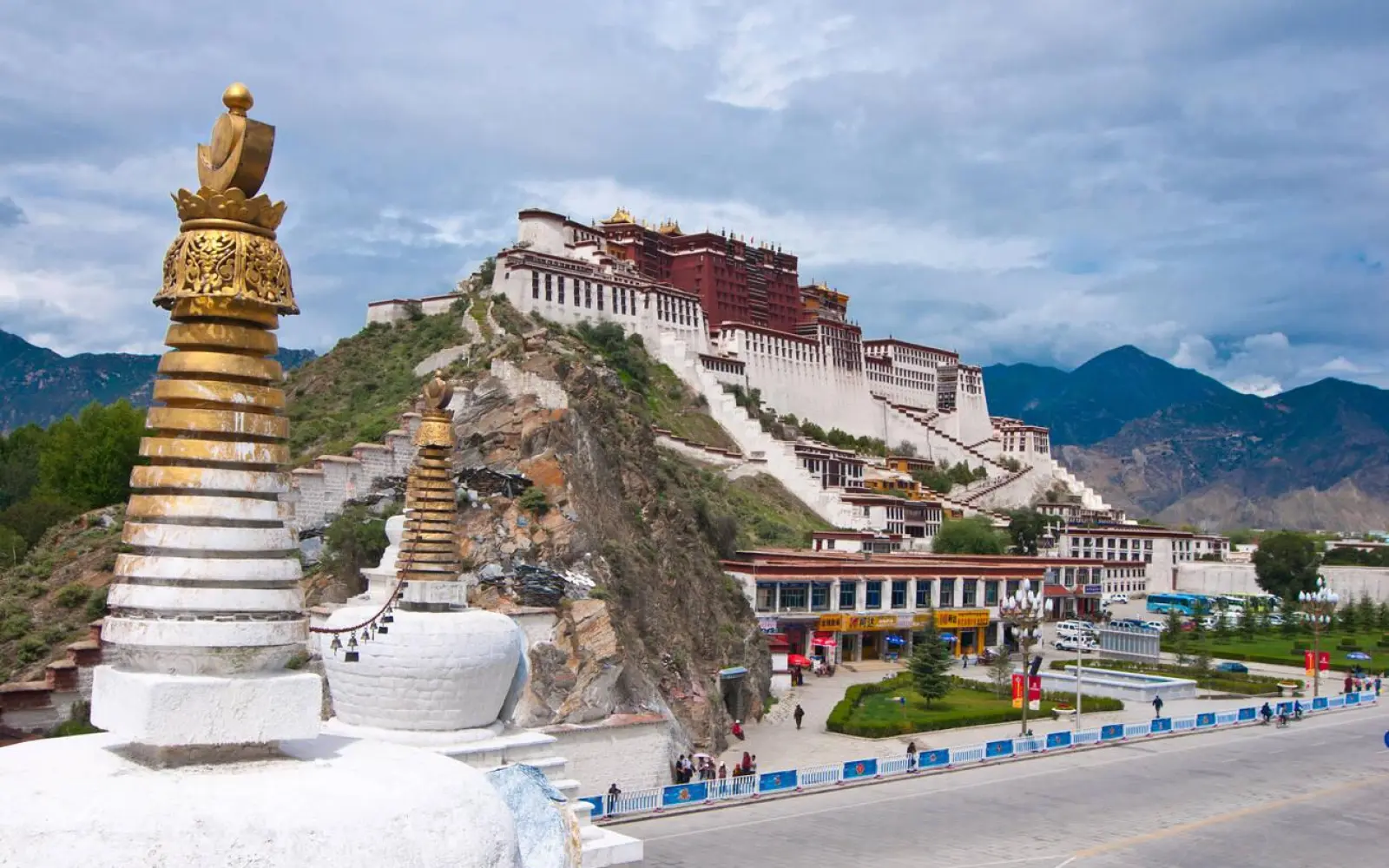
Tibet, often called the “Roof of the World,” is a mesmerizing destination known for its breathtaking landscapes, rich Buddhist culture, and unique high-altitude lifestyle. Visitors are drawn to Tibet not only for its stunning natural scenery, including the Himalayas, vast plateaus, and sacred lakes, but also for its spiritual heritage reflected in monasteries, temples, and traditional festivals. Traveling to Tibet offers a combination of adventure, cultural immersion, and serene natural beauty, making it a once-in-a-lifetime experience.
Adventure Family Treks and Expedition specializes in curated travel experiences in Tibet, ensuring that travelers explore both popular landmarks, such as Lhasa’s Potala Palace, and hidden gems off the beaten path. Our itineraries are designed to balance adventure, culture, and relaxation while providing guidance for high-altitude travel.
Key Highlights:
Tibet is deeply rooted in Buddhist traditions, which influence daily life, architecture, festivals, and social interactions. Respect for monasteries, religious symbols, and local customs is paramount. Visitors are encouraged to dress modestly when entering temples and to remove shoes and hats as a sign of respect. Photography inside monasteries often requires permission, and touching sacred objects should be avoided.
Adventure Family Treks and Expedition emphasizes cultural immersion as a key part of travel in Tibet. Participating in local festivals, observing religious rituals, and interacting with residents respectfully helps travelers gain a deeper appreciation of Tibetan culture. Understanding local etiquette, such as using the right hand when giving or receiving items and avoiding pointing feet at sacred objects, ensures a positive and respectful experience.
Cultural & Customs Tips:
Tibet is home to some of the most vibrant and spiritually significant festivals in the world. Festivals are often centered around Tibetan Buddhism and reflect centuries-old traditions. Losar, the Tibetan New Year, is celebrated with colorful dances, rituals, and family gatherings. The Shoton Festival, known as the Yogurt Festival, showcases Tibetan opera performances and is a great way for travelers to immerse themselves in local culture. Adventure Family Treks and Expedition offers guided festival tours that allow visitors to witness these unique cultural events safely and respectfully.
Mount Everest, locally called Chomolungma, is another major highlight of Tibet. The Tibetan side provides breathtaking views of the north face and is less crowded than the Nepalese side. Base camp visits, trekking, and photography expeditions allow travelers to experience the majesty of the world’s tallest mountain in a safe and organized way. Our team ensures proper acclimatization and high-altitude safety for Everest expeditions, making it accessible even for non-professional climbers.
Festival & Everest Highlights:
Tibet is a land of breathtaking natural beauty, spiritual significance, and cultural richness. Key attractions include Potala Palace, the historic winter palace of the Dalai Lama, and Jokhang Temple, the spiritual heart of Lhasa. Travelers can also explore Yamdrok Lake and Namtso Lake, two stunning turquoise lakes framed by the snow-capped mountains of the Tibetan plateau. For spiritual and adventure seekers, Mount Kailash and Lake Mansarovar are considered sacred and offer once-in-a-lifetime pilgrimage and trekking experiences. Adventure Family Treks and Expedition designs itineraries that combine sightseeing, cultural immersion, and outdoor adventures to create a truly memorable journey.
Activities in Tibet cater to a wide range of interests. Trekkers and adventurers can explore routes like Ganden to Samye, Everest Base Camp, and Nyangtri Valley, while culture enthusiasts can visit monasteries, experience Tibetan festivals, and participate in local rituals. Photography, birdwatching, and spiritual retreats provide additional ways to connect with Tibet’s unique environment and traditions. Whether seeking adventure, culture, or relaxation, Tibet offers experiences for every type of traveler.
Top Attractions & Activities:
Tibet’s high-altitude terrain and remote landscapes make transportation an important part of the travel experience. Major Tibetan cities like Lhasa, Shigatse, and Gyantse are connected by flights, trains, and roads. Lhasa Gonggar Airport serves as the primary gateway, with flights linking Tibet to cities such as Beijing, Chengdu, Xi’an, and Kathmandu in Nepal. Travelers from Nepal have two main options: a scenic flight from Kathmandu to Lhasa, offering spectacular views of the Himalayas, or an overland route via the Rasuwagadhi border crossing into Kyirong town, Tibet, which provides a unique cultural and scenic journey through the mountains.
The overland route from Nepal is increasingly popular among travelers seeking a more adventurous experience. From Rasuwagadhi, Nepal, the journey crosses the border into Kyirong, Tibet, followed by a drive through the Tibetan plateau to major cities like Lhasa. This route allows travelers to experience rural landscapes, local Tibetan villages, and traditional customs along the way. Once in Tibet, transportation options include private vehicles, guided tour buses, and public buses for shorter distances. Adventure Family Treks and Expedition arranges all transportation to ensure comfort, safety, and efficiency. For remote or high-altitude destinations such as Everest Base Camp, Mount Kailash, and Nyangtri Valley, specialized 4x4 vehicles navigate challenging terrain to provide a smooth and stress-free experience.
The Qinghai-Tibet Railway is another excellent option for travelers entering via China. The scenic train route provides breathtaking views of the plateau and allows gradual acclimatization to high altitudes, which is particularly helpful for first-time visitors. Combining flights, overland travel, and local transportation options ensures that travelers can explore Tibet efficiently while enjoying its unique landscapes and culture.
Transportation Tips:
Traveling to Tibet requires both a valid Chinese visa and a Tibet Travel Permit. Foreign travelers must first obtain a Chinese visa from their home country, which allows entry into China. After arriving in China, the Tibet Tourism Bureau issues the Tibet Travel Permit, which is mandatory for all foreign visitors traveling to Tibet. Adventure Family Treks and Expedition assists travelers with all necessary paperwork, including travel permits and itineraries, ensuring a smooth and hassle-free process.
It’s important to note that independent travel is restricted in Tibet, and all foreign visitors must travel with a licensed tour operator. Permits must be obtained in advance, and additional permits may be required for specific regions such as Mount Everest Base Camp or military-controlled areas. Proper planning ensures travelers comply with regulations and can explore Tibet safely and legally.
Passport & Visa Tips:
Tibet’s climate is classified as high-altitude plateau, which brings distinct weather conditions depending on the season. Summers (May to September) are mild and warm, with daytime temperatures averaging 15–20°C (59–68°F), making it the ideal time for trekking and sightseeing. Nights can be chilly, even in summer, so layered clothing is essential. Winters (October to April) are harsh, with temperatures often dropping below freezing and snow covering many higher-altitude areas.
The high altitude means the air is thin, UV radiation is strong, and weather conditions can change rapidly. Travelers are advised to prepare for sudden temperature shifts and occasional strong winds. Rainfall is mostly concentrated in the summer months, particularly July and August, but it usually falls in short bursts, leaving the landscape refreshed and vibrant.
Quick Climate Tips:
Traveling in Tibet requires careful attention to health and safety due to high altitudes, remote areas, and limited medical facilities in some regions. Acute Mountain Sickness (AMS) is common, so gradual acclimatization, hydration, and avoiding overexertion are critical. It is recommended to consult a doctor for high-altitude medications before your trip.
Basic precautions include drinking bottled or boiled water, eating freshly cooked meals, and protecting against strong sunlight and cold weather. Travelers should also carry personal medical kits with essentials like painkillers, bandages, and altitude sickness medication. Adventure Family Treks and Expedition ensures that all trips include trained guides and emergency support to handle any unforeseen situations, making safety a top priority for all travelers.
Essential Health & Safety Tips:
Tibetan cuisine reflects the region’s harsh climate and Buddhist traditions, offering hearty meals to fuel travelers in high-altitude conditions. Popular dishes include Tsampa (roasted barley flour), Momo (steamed dumplings filled with meat or vegetables), and Thukpa (noodle soup). Butter tea, made from yak butter and salt, is a unique local drink that helps maintain energy and warmth in cold conditions.
Adventure Family Treks and Expedition encourages travelers to sample local delicacies at traditional eateries and monasteries, providing a taste of authentic Tibetan culture. Vegetarian options are widely available, influenced by Buddhist dietary practices. Food in Tibet is not only nourishing but also a cultural experience that connects travelers to centuries-old traditions.
Must-Try Foods & Drinks:
Tibet offers a variety of accommodation options that cater to different traveler preferences, from basic guesthouses to luxury hotels. In major cities like Lhasa, Shigatse, and Gyantse, travelers can find comfortable hotels with modern amenities, warm heating, and even internet access. For those seeking a more local experience, traditional Tibetan guesthouses and homestays provide an opportunity to stay with local families and immerse themselves in Tibetan daily life.
Adventure Family Treks and Expedition carefully selects accommodations that are safe, clean, and culturally authentic. On trekking routes or remote regions, simple lodges, tea houses, and tented camps are used, allowing travelers to experience Tibet’s natural beauty while resting comfortably at the end of the day. Booking in advance is recommended, especially during peak travel seasons from May to October, as availability can be limited.
Accommodation Highlights:
The official currency in Tibet is the Chinese Yuan (CNY or RMB), and most transactions in larger towns accept cash, debit cards, and credit cards. However, in rural areas, remote trekking regions, or small shops, cash is often the only accepted form of payment. ATMs are available in major cities like Lhasa but can be scarce outside urban areas, so travelers should plan accordingly.
It is also important to note that foreign credit and debit cards may not always work in Tibet, making cash the most reliable option. Adventure Family Treks and Expedition advises carrying sufficient cash for daily expenses, souvenirs, and tips. Budgeting in advance helps ensure travelers are prepared for transportation, meals, and trekking permits without unnecessary stress.
Money & Finance Tips:
Packing for Tibet requires careful planning due to its high-altitude climate, remote locations, and variable weather. Layered clothing is essential, as temperatures can swing dramatically from day to night. Warm jackets, thermal wear, and waterproof outer layers are highly recommended. Good trekking boots, gloves, hats, and sunglasses are also crucial, particularly for those exploring mountains or remote areas.
Adventure Family Treks and Expedition recommends including a basic medical kit, sunscreen, lip balm, and water purification tablets. For cultural visits, modest clothing is advised to show respect at monasteries and temples. Additionally, personal items such as camera gear, power banks, and high-energy snacks can make long journeys more comfortable. Proper packing ensures safety, comfort, and a more enjoyable Tibet experience.
Packing Essentials:
Tibet is truly a land of wonder, where breathtaking landscapes, rich spiritual heritage, and vibrant cultural traditions come together to create an unforgettable travel experience. From the snow-capped peaks of the Himalayas and serene turquoise lakes to the grandeur of monasteries and bustling local festivals, every moment in Tibet offers a chance to connect with nature, history, and spirituality. Traveling with a knowledgeable and reliable operator like Adventure Family Treks and Expedition ensures that your journey is safe, well-organized, and deeply immersive, allowing you to experience Tibet at its fullest.
Whether trekking to Mount Everest Base Camp, exploring Lhasa’s iconic landmarks like Potala Palace and Jokhang Temple, or participating in colorful Tibetan festivals, careful planning, cultural awareness, and proper acclimatization are essential to making the most of your trip. With the right preparation, Tibet can be experienced in comfort, adventure, and awe-inspiring beauty, leaving travelers with memories that last a lifetime.
Key Takeaways:
Tibet is more than just a destination—it is an experience of the heart and soul. With careful planning, cultural sensitivity, and expert guidance from Adventure Family Treks and Expedition, your journey to the “Roof of the World” can be transformative, inspiring, and truly unforgettable.
