Langtang, Gosaikunda, and Helambu Trek Overview
The Langtang, Gosaikunda, and Helambu Trek is a spectacular journey through some of Nepal's most enchanting and less-crowded trekking regions. This trek combines stunning mountain vistas, rich cultural experiences, and pristine alpine landscapes, offering trekkers a perfect blend of adventure and natural beauty. Starting from the bustling city of Kathmandu, trekkers gradually ascend through terraced fields, dense rhododendron forests, and traditional Tamang villages, immersing themselves in local culture and breathtaking scenery.
Adventure Family Treks and Expedition’s itinerary is carefully designed to cover three distinct regions: the lush Langtang Valley, the sacred Gosaikunda Lake, and the culturally rich Helambu region. This route offers a unique mix of Tibetan-influenced monasteries, high-altitude alpine lakes, and tranquil villages, making it a fantastic option for trekkers seeking an off-the-beaten-path experience. The trek balances challenging days with acclimatization periods, allowing adventurers to enjoy both physical exertion and meaningful cultural interactions.
The ideal seasons for trekking the Langtang, Gosaikunda, and Helambu regions are during the pre-monsoon (spring) and post-monsoon (autumn) periods. These seasons offer the most stable weather conditions and the clearest mountain views.
Spring (March to May): During spring, the rhododendron forests burst into vibrant bloom, blanketing the hillsides in red and pink flowers. The temperatures are moderate, and the skies are generally clear, making it an excellent time for photographers and nature lovers. Wildlife activity also increases during this season.
Autumn (September to November): Autumn offers the best overall trekking conditions, with crisp air, dry trails, and spectacular views of the Himalayan peaks. The weather is stable, and the temperature is comfortable for trekking, though it can get chilly at higher elevations, especially in the mornings and evenings.
Winter (December to February) is less recommended due to colder temperatures and potential snowfall, which can make the higher passes challenging. However, some trekkers still prefer winter for solitude and clear skies if they are prepared for the cold.
This trek is categorized as moderate in difficulty. It involves several days of hiking at varying altitudes, including some steep ascents and descents. Trekking elevations range from about 1,400 meters in Kathmandu to 4,700 meters at the Laurebina Pass, which requires good physical fitness and acclimatization to avoid altitude sickness.
Transportation starts with a scenic drive from Kathmandu to Syabrubesi, a gateway to the Langtang region. This journey offers views of the terraced hills and local life along the way. The trek itself involves walking on well-marked trails, passing through forests, river valleys, and mountain ridges.
Trekking Difficulty:
Transportation:
Throughout the trek, food and accommodation are basic but comfortable, with a focus on warmth and cleanliness. Most accommodations are traditional teahouses or lodges that offer simple rooms with shared bathrooms. Heating facilities are limited but usually available in common dining areas.
The food during the trek includes a mix of local Nepalese cuisine such as dal bhat (lentil soup with rice), momos (dumplings), noodles, and soups. Adventure Family Treks and Expedition ensures trekkers have access to nutritious meals, with options for vegetarians and non-vegetarians alike. Hydration and energy intake are prioritized to help trekkers cope with altitude and exertion.
Accommodation:
Food:
To trek in these regions, several permits are required to ensure environmental protection and regulate tourism. Adventure Family Treks and Expedition assists trekkers in obtaining all necessary permits before departure.
Permits include:
These permits contribute to conservation efforts and support local communities, making trekking sustainable and responsible.
Choosing Adventure Family Treks and Expedition for the Langtang, Gosaikunda, and Helambu Trek ensures a seamless and enriching experience guided by experts familiar with the region’s terrain, culture, and history. This company is committed to responsible tourism, prioritizing safety, comfort, and cultural respect throughout your journey.
Their experienced guides provide deep insights into the local lifestyle and natural environment, enriching your trek with authentic stories and ensuring you navigate the trails safely. Adventure Family Treks and Expedition also emphasizes acclimatization and well-planned itineraries to make the trek enjoyable without unnecessary strain.
Reasons to Choose:
Today, you'll undertake on a guided exploration of the Kathmandu Valley's rich cultural heritage. Visit iconic UNESCO World Heritage Sites such as Pashupatinath Temple, Boudhanath Stupa, and Kathmandu Durbar Square. Each site offers a glimpse into Nepal’s history, spirituality, and artistry. After the sightseeing, return to the hotel for a detailed briefing and preparation session for the trek. Here, you’ll meet your trekking guide and porters, review gear, and ensure you’re fully equipped and informed for the adventure.
The journey to Syabrubesi begins early with a scenic drive that takes approximately 7 to 8 hours. The road winds through terraced fields, quaint villages, and dense forests, gradually leading into the Langtang region. Syabrubesi is a charming village known as the gateway to Langtang National Park. Upon arrival, settle into a guesthouse, enjoy a warm meal, and take in the fresh mountain air. This rest day is crucial for acclimatization and final preparations before the trek truly begins.
Starting your trek, you will follow the Langtang River through rhododendron forests and traditional Tamang villages. The path is well-maintained but steadily climbs as you approach Lama Hotel. Along the way, you’ll encounter suspension bridges, friendly locals, and panoramic views of the surrounding mountains. Lama Hotel is a popular stopover known for its hospitality and scenic setting. Spend the evening relaxing and preparing for the higher altitude trek ahead.
Today’s trek leads you deeper into the Langtang Valley, gradually gaining altitude. The trail meanders alongside the river and passes through dense forests, with frequent sightings of wildflowers and birds. Langtang Village, nestled in a stunning alpine setting, offers breathtaking views of snow-capped peaks. This village, known for its resilient Tamang culture, has a welcoming community. Spend the night here absorbing the tranquil atmosphere and resting before continuing to higher altitudes.
The trek to Kyangin Gompa today is shorter but involves a significant altitude gain. You will pass through beautiful forests, cross wooden bridges, and see traditional mani walls. Kyangin Gompa is a remote Buddhist monastery located on a ridge with sweeping views of the Langtang Himalayas. This peaceful setting provides an ideal place to acclimatize and absorb the spiritual ambiance of the region. Evening offers a chance to explore the monastery and meet resident monks.
To help your body adjust to the high altitude, today is reserved for acclimatization. Take gentle walks around Kyangin Gompa to explore nearby trails and enjoy panoramic mountain views. Visit the monastery, interact with the monks, and learn about Tibetan Buddhist culture. This day allows you to rest, hydrate well, and prepare physically and mentally for the challenging trek ahead, especially the ascent towards the Langtang Lirung base or further into the Helambu region.
Today you begin your descent back to Lama Hotel, retracing your path through forests and along the river. The trek down offers a different perspective of the landscape with more opportunity to observe flora and fauna. The longer trek today also helps to further acclimatize your body. Upon reaching Lama Hotel, enjoy the comforts of the guesthouse and reflect on the serene mountain environment before continuing your journey towards Helambu.
Descending slightly in altitude, the trail to Thulo Syabru takes you through terraced fields, small villages, and lush forested areas. Thulo Syabru is a quiet village with stone houses and traditional farms. Here, you’ll experience the unique cultural blend of Tamang and Sherpa communities. The trail is relatively gentle today, providing a perfect balance between trekking and cultural immersion, and allows time to interact with villagers and learn about their way of life.
From Thulo Syabru, you ascend towards Sing Gompa, a small settlement near the Helambu region. The trail offers spectacular views of surrounding ridges and snow-capped peaks. Sing Gompa is notable for its peaceful monastery and rich cultural traditions. The shorter trekking time today gives you the chance to acclimatize further, relax at the guesthouse, and prepare for the more strenuous part of the trek leading to the holy lakes of Gosaikunda.
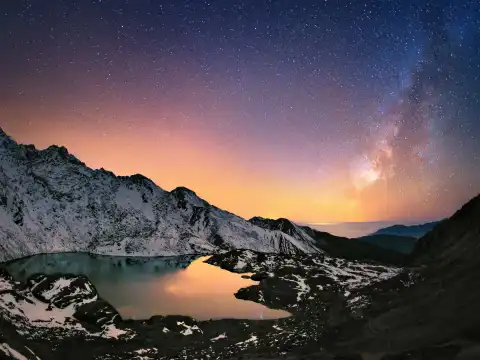
Today’s trek is one of the highlights, as you ascend to the sacred alpine lakes of Gosaikunda. The path climbs steadily through rhododendron forests and alpine meadows. Gosaikunda is revered in Hindu and Buddhist traditions and attracts pilgrims every year during the Janai Purnima festival. At this high altitude, the crisp air and stunning turquoise lakes surrounded by towering peaks offer an unforgettable experience. Overnight here provides an incredible opportunity to witness starry skies and peaceful mountain serenity.
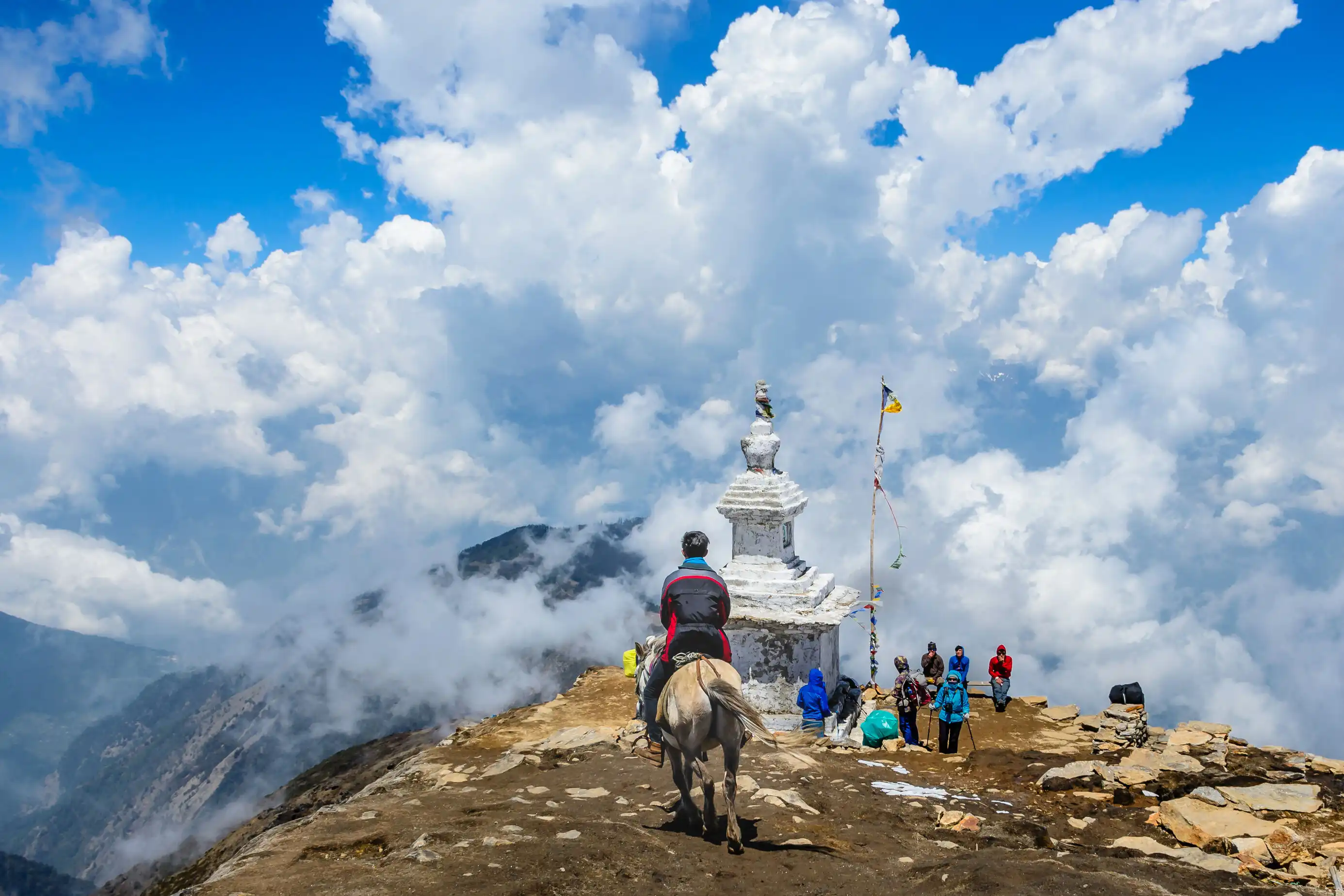
This is one of the most challenging yet rewarding days of the trek. You’ll cross the high Laurebina Pass, which stands at 4,700 meters, providing spectacular panoramic views of the Langtang and Ganesh Himal ranges. The descent to Ghopte is long but scenic, passing through open valleys and scattered yak pastures. Ghopte is a small settlement where you can relax and recount your successful crossing of the pass, enjoying the alpine tranquility of this remote location.
Descending further today, the trail winds through forests of pine and fir, alongside rivers and cascading waterfalls. Melamchi Gaon is a traditional village inhabited mostly by the indigenous Tamang community. Here, you can experience authentic rural Nepalese culture and hospitality. The trek today is scenic and less strenuous, giving you a chance to rest your legs and immerse yourself in the peaceful village atmosphere while preparing for the next stage of the trek.
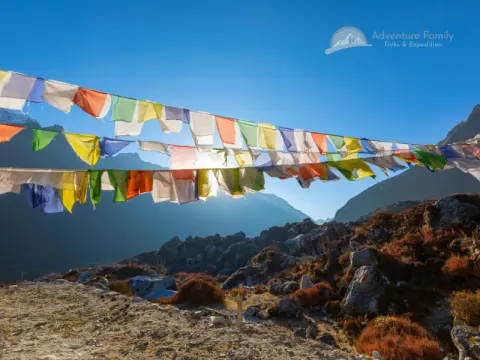
The trail to Tarkegyang passes through dense forests and charming villages, crossing several streams and small suspension bridges. Tarkegyang is known for its beautiful surroundings and traditional Newari culture. As you trek through the Helambu region, you’ll see terraced farming fields, prayer flags fluttering in the wind, and friendly villagers going about their daily life. The day offers a perfect balance between nature and culture, with plenty of photo opportunities.
Today’s trek is moderate and scenic, taking you deeper into the Helambu region, known for its warm hospitality and beautiful landscapes. Sermanthang is a picturesque village surrounded by dense forest and rich biodiversity. You’ll have the chance to interact with local families, learn about their customs, and enjoy traditional meals. The slow pace today allows you to soak in the serene environment and get ready for the final descent towards the Melamchi Bazaar.
The last trekking day is a gentle descent through subtropical forests and terraced farms leading to Melamchi Bazaar. After completing the trek, you will board a vehicle for the drive back to Kathmandu, which takes approximately 5 to 6 hours. The drive passes through beautiful river valleys and scenic villages, providing a final glimpse of Nepal’s diverse landscape. Upon arrival in Kathmandu, you will be transferred to your hotel to rest and celebrate the successful completion of your trek.
On your last day, depending on your flight schedule, you can enjoy some last-minute shopping or sightseeing in Kathmandu. Our team from Adventure Family Treks and Expedition will assist with your airport transfer, ensuring a smooth departure. Reflect on your incredible journey through the Langtang, Gosaikunda, and Helambu regions, taking with you unforgettable memories of Nepal’s natural beauty, culture, and warm hospitality. Safe travels and we hope to see you again soon!


Clothing
Handwear
Footwear
Gear
Miscellaneous
The ideal time to trek this route is during the spring (March to May) and autumn (September to November) seasons. These periods offer clear skies, moderate temperatures, and vibrant landscapes. The weather is generally stable, allowing trekkers to enjoy panoramic Himalayan views and the blooming rhododendrons in spring or the crisp autumn air. Winter is colder and the trail might be snowbound, while the monsoon season can be slippery and prone to landslides.
This trek is moderately challenging and suitable for trekkers with a reasonable level of fitness and some prior trekking experience. The itinerary involves multiple days of walking with significant elevation changes, reaching up to 4,700 meters at Laurebina Pass. Trekkers should be prepared for long hiking days, varying terrain, and altitude acclimatization to minimize the risk of altitude sickness.
Safety is our top priority. We provide experienced guides trained in first aid and altitude sickness recognition. Our itineraries include acclimatization days to reduce altitude-related risks. We monitor weather conditions closely and maintain communication with base teams in Kathmandu. Our team carries emergency oxygen and evacuation plans are in place if necessary, ensuring trekkers’ wellbeing throughout the journey.
Physical preparation should focus on building endurance and leg strength through regular cardio activities like hiking, jogging, or cycling. Carrying a backpack on practice hikes will also help. Mentally, prepare for varying weather, basic living conditions, and occasional physical fatigue. A positive mindset and readiness to adapt to changing circumstances enhance the trekking experience.
The trek starts at around 1,400 meters in Kathmandu and ascends gradually, with the highest point being Laurebina Pass at 4,700 meters. Acclimatization days are built into the itinerary, such as the stop at Kyangin Gompa, allowing trekkers to adapt to altitude gradually. Hydration, pacing, and proper rest are essential components of safe acclimatization.
Accommodation typically consists of teahouses and lodges along the trail, offering basic but comfortable rooms with warm bedding. Facilities may include shared bathrooms and limited hot water. In major stops like Langtang Village and Gosaikunda, amenities improve slightly, with options for simple meals, charging devices, and rest spaces. It is advisable to bring personal toiletries and any preferred snacks.
Most meals during the trek are included in the package provided by Adventure Family Treks and Expedition. The teahouses serve a mix of local Nepali cuisine like dal bhat (lentil soup with rice), momos (dumplings), and noodles, alongside some continental dishes. Vegetarian options are widely available, and our guides can accommodate dietary restrictions with advance notice.
Permits required include the Langtang National Park Permit and the Annapurna Conservation Area Permit (ACAP) for sections overlapping with protected zones. Additionally, a Trekkers’ Information Management System (TIMS) card is necessary. Adventure Family Treks and Expedition handles all permit arrangements, saving you time and hassle, so you can focus on enjoying the trek.
The trek begins with a drive from Kathmandu to Syabrubesi, which takes about 7 to 8 hours over rough but scenic roads. The return includes a trek down to Melamchi Bazaar and a drive back to Kathmandu. Transportation is arranged by Adventure Family Treks and Expedition using reliable vehicles, ensuring comfort and safety during transfers.
Yes, this trek is suitable for families and beginners who have a basic level of fitness and a spirit of adventure. Our guides provide personalized support, adjust the pace as needed, and offer educational insights about local culture and nature. We ensure that every member, regardless of age or experience, enjoys a rewarding and safe trekking experience.
| No of people | Price per person |
|---|---|
| 1 - 1 | $1,050 |
| 2 - 5 | $950 |
| 6 - 10 | $920 |
| 11 - 15 | $900 |
| 16 - 20 | $850 |