
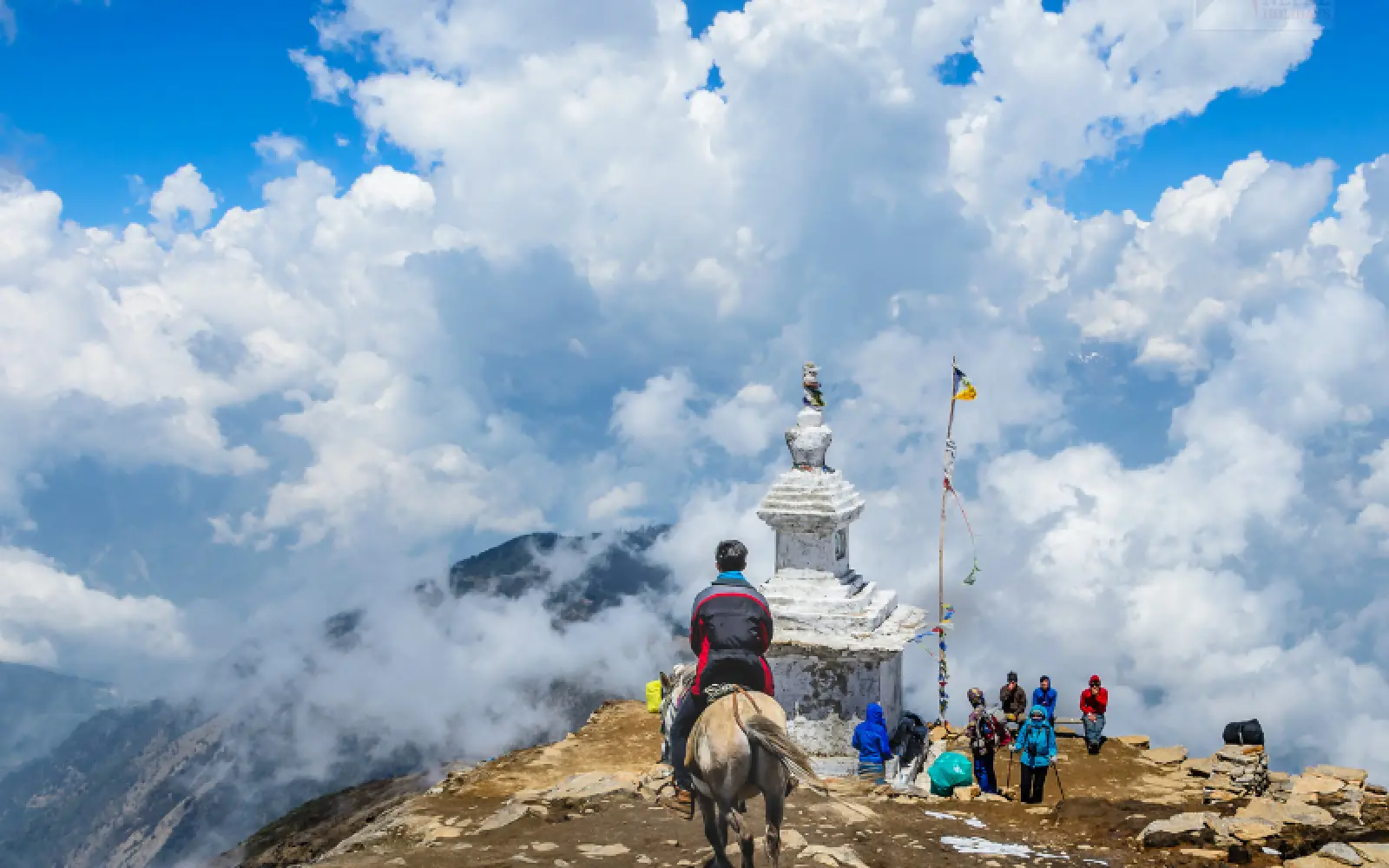
Nepal, often called the “Land of Himalayas,” is one of the world’s most unique and diverse travel destinations. Its tourism industry thrives on the blend of natural beauty, rich cultural heritage, and adventure activities. Tourists are drawn to Nepal for trekking, mountaineering, wildlife safaris, and spiritual experiences. Adventure Family Treks and Expedition specializes in providing personalized travel experiences, ensuring travelers explore Nepal safely and meaningfully.
Nepal’s tourism is not only an economic driver but also a gateway to understanding the traditions, customs, and lifestyles of its people. With a range of activities suitable for solo travelers, families, and adventure enthusiasts, Nepal offers something for everyone—from serene mountain landscapes to vibrant cultural festivals.
Key Highlights:
Nepal is a small landlocked country in South Asia, bordered by China to the north and India to the south, east, and west. Despite its size, it is renowned for its extraordinary biodiversity and topographical variety, ranging from the lowland Terai plains to the towering peaks of the Himalayas, including Mount Everest, the world’s highest mountain. The country’s population is culturally diverse, comprising over 120 ethnic groups, each with its own language, traditions, and festivals.
Adventure Family Treks and Expedition highlights Nepal as an all-season destination. Spring and autumn are considered the best times for trekking and mountaineering due to the clear skies and moderate temperatures. Meanwhile, the Terai region and cultural tours are accessible year-round, offering travelers a deep dive into Nepal’s unique heritage.
Key Highlights:
Tourism in Nepal has long played a vital role in the country’s economy, leveraging its natural beauty, cultural richness, and spiritual significance. Over the decades, Nepal has become globally known for its Himalayan peaks (including Everest), its sacred Buddhist and Hindu pilgrimage sites like Lumbini and Pashupatinath, and its warm, hospitable communities. This combination of adventure, spirituality, and culture makes Nepal a magnet for travelers from Asia, Europe, the Americas, Australia, and even Africa.
With the liberalization of Nepal in the mid-20th century and the opening of the country to foreign tourists, the tourism industry gradually developed. It expanded significantly in the 1970s and 1980s with the promotion of trekking and mountaineering. As infrastructure improved (roads, airports, accommodation) and global interest in adventure travel grew, Nepal’s tourism gained momentum. Over time, this sector has not only brought in visitors but also created employment, supported local businesses, and become a cornerstone of the national economy.
Visitor Statistics & Trends
Economic Contribution & Impact
Significance for Adventure Family Treks and Expedition
Key Takeaways (in bullet points)
Nepal boasts a variety of tourist destinations that cater to different interests. From the bustling streets of Kathmandu and Patan to serene lakes like Pokhara’s Phewa Lake, every corner offers a distinct experience. Lumbini, the birthplace of Lord Buddha, draws spiritual travelers, while Chitwan National Park attracts wildlife enthusiasts with its rare species like the Bengal tiger and one-horned rhinoceros.
Adventure Family Treks and Expedition provides customized tours to these iconic sites, combining cultural immersion with comfort and adventure. Visitors can enjoy guided city tours, nature walks, and photography trips that capture the essence of Nepal’s natural and cultural treasures.
Key Highlights:
Trekking and mountaineering are at the heart of Nepal’s tourism. Home to eight of the world’s fourteen highest peaks, including Mount Everest (8,848m), Nepal attracts adventurers from around the globe. Popular trekking routes include the Everest Base Camp Trek, Annapurna Circuit, Langtang Valley, and Manaslu Circuit. Each trek offers stunning landscapes, cultural interactions, and unforgettable experiences in remote Himalayan villages.
Adventure Family Treks and Expedition ensures trekkers are well-prepared and safe, providing experienced guides, porters, and customized itineraries. Beyond the popular trails, the company also offers off-the-beaten-path treks for travelers seeking solitude and a deeper connection with nature.
Key Highlights:
Cultural Heritage and Temples
Nepal’s rich cultural heritage is reflected in its ancient temples, monuments, and festivals. The Kathmandu Valley alone is home to seven UNESCO World Heritage Sites, including Pashupatinath Temple, Swayambhunath Stupa (Monkey Temple), and Bhaktapur Durbar Square. Each site showcases intricate architecture, religious practices, and centuries-old traditions. Festivals like Dashain, Tihar, and Holi offer travelers a vibrant insight into local customs.
Adventure Family Treks and Expedition offers cultural tours that combine historical exploration with community interaction. Visitors can participate in local rituals, learn traditional crafts, and experience authentic Nepali cuisine, making their trip not just a sightseeing journey but a deeply immersive cultural experience.
Key Highlights:
Nepal is home to a rich variety of wildlife and offers numerous national parks that showcase its biodiversity. From the dense jungles of Chitwan National Park to the alpine regions of Sagarmatha National Park, visitors can witness rare species in their natural habitats. Chitwan is famous for its Bengal tigers, one-horned rhinoceroses, and marsh crocodiles, while Bardia National Park offers a quieter experience with similar wildlife. Birdwatchers also flock to Nepal, which hosts over 850 species of birds.
Adventure Family Treks and Expedition organizes guided safaris, jungle walks, and wildlife photography tours, ensuring both safety and an immersive experience. The company emphasizes responsible tourism, helping travelers appreciate nature while respecting the fragile ecosystems of these parks.
Key Highlights:
Nepal is a paradise for adventure enthusiasts, offering activities ranging from high-altitude trekking to white-water rafting. Beyond trekking, travelers can enjoy paragliding in Pokhara, zip-lining, mountain biking, rock climbing, and canyoning. Rivers like Trishuli and Bhote Koshi are popular for rafting and kayaking, while the snowy slopes attract mountaineers from around the world.
Adventure Family Treks and Expedition provides tailored adventure packages, combining thrills with safety and local expertise. Their trained guides and professional equipment ensure that adventure seekers of all ages and skill levels can experience Nepal’s landscapes in an exciting yet secure way.
Key Highlights:
Nepal’s festivals and traditions offer travelers a window into its diverse culture. Major festivals include Dashain, Tihar, Holi, and Indra Jatra, each celebrated with unique rituals, music, dance, and colorful attire. Local traditions vary by region and ethnic group, providing an enriching experience for visitors who participate or observe these ceremonies.
Adventure Family Treks and Expedition integrates cultural experiences into travel itineraries, allowing tourists to witness festivals, interact with local communities, and understand traditional customs. This approach ensures a deeper connection with Nepal beyond just sightseeing.
Key Highlights:
Nepali cuisine is a reflection of its cultural diversity, blending flavors from the Himalayas, Terai, and neighboring regions. Staples include dal bhat (lentil soup with rice), momo (dumplings), and gundruk (fermented leafy greens). Street food is also popular, with snacks like chatamari and sel roti widely enjoyed. Nepali cuisine emphasizes fresh ingredients and aromatic spices, offering both vegetarian and non-vegetarian options.
Adventure Family Treks and Expedition introduces travelers to authentic local food through culinary tours, cooking demonstrations, and traditional meals in villages. This not only enhances the travel experience but also allows visitors to engage directly with Nepali culture.
Key Highlights:
The best time to visit Nepal depends on the traveler’s interests. Spring (March to May) and autumn (September to November) are ideal for trekking, sightseeing, and festivals due to clear skies and pleasant temperatures. Summer (June to August) brings monsoon rains, which can limit trekking but enhance greenery and waterfall scenery. Winter (December to February) is colder but perfect for visiting lower regions and enjoying cultural tours.
Adventure Family Treks and Expedition helps travelers plan trips according to the season, ensuring optimal weather, crowd management, and adventure opportunities. Customized itineraries allow visitors to experience Nepal fully, whether for trekking, wildlife, or cultural exploration.
Key Highlights:
Traveling in Nepal requires some preparation to ensure safety and comfort. Trekkers should acclimatize properly to avoid altitude sickness, carry adequate clothing for changing weather, and follow local customs and regulations. Vaccinations, travel insurance, and reliable guides are highly recommended. Local transportation varies from buses and taxis to flights in mountainous regions.
Adventure Family Treks and Expedition provides complete support for safe travel, including experienced guides, transportation arrangements, and emergency services. Their focus on safety, responsible travel, and cultural respect ensures that tourists have a worry-free and enriching experience in Nepal.
Key Highlights:
