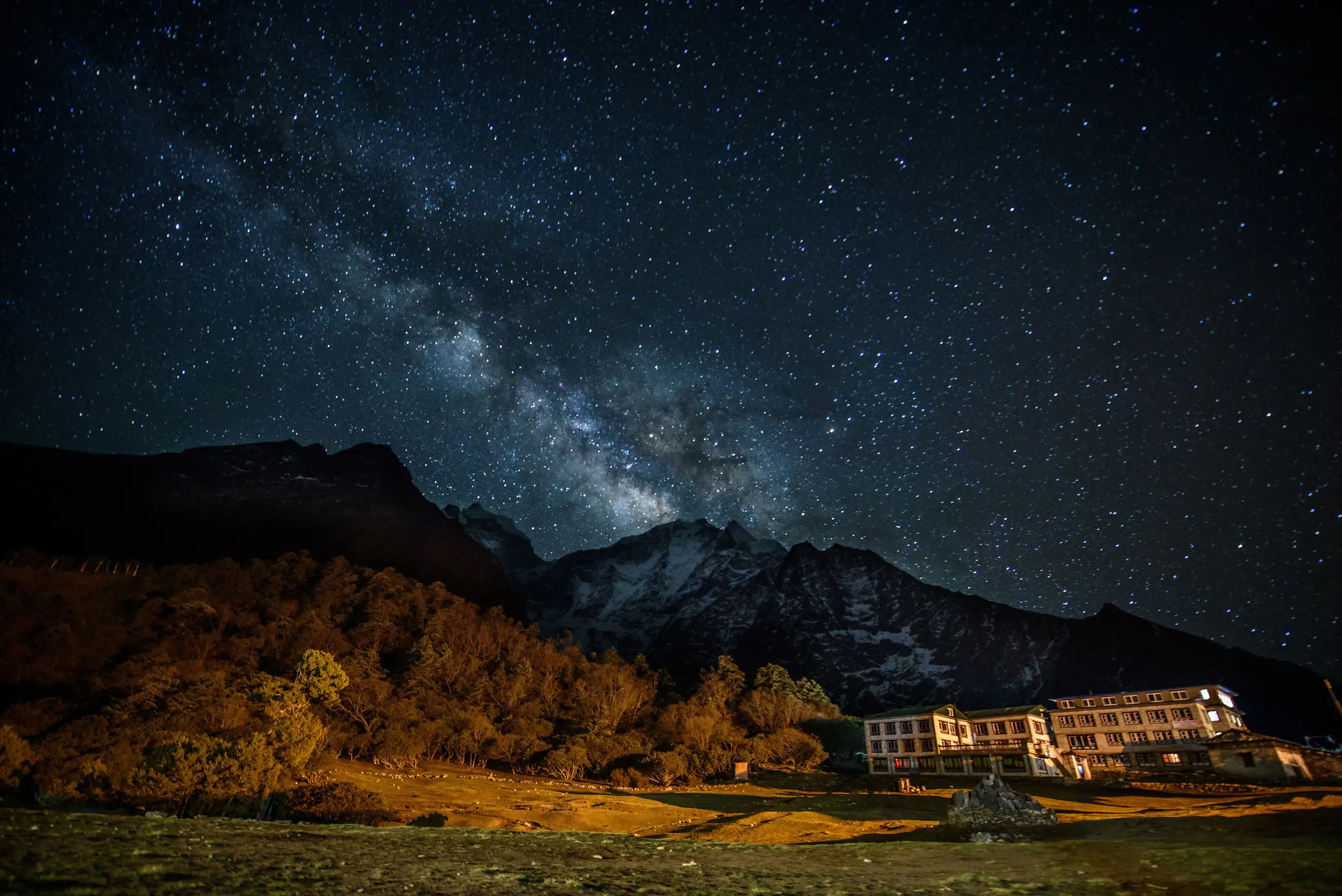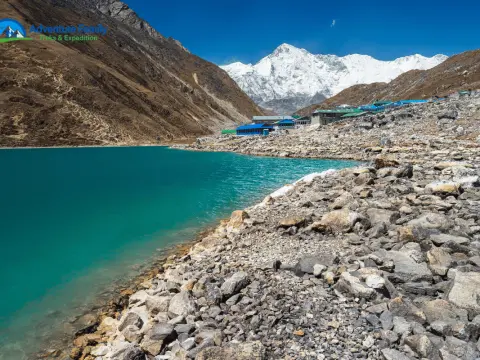
The Everest Panorama Trek is a scenic and culturally rich short trek in the Everest region of Nepal, ideal for trekkers who want to experience the grandeur of the Himalayas without going all the way to Everest Base Camp. This 11-day journey, organized by Adventure Family Treks and Expedition, blends adventure, culture, and nature in a well-paced itinerary that allows participants to enjoy the awe-inspiring vistas of Everest, Lhotse, Ama Dablam, Thamserku, and other Himalayan giants.
The trek begins with your arrival in Kathmandu, followed by a thrilling flight to Lukla, one of the world’s most iconic mountain airstrips. From Lukla, the trail winds through charming Sherpa villages such as Phakding, Namche Bazaar, Tengboche, and Khumjung, offering rich cultural interactions and views that seem to come straight out of a postcard. The highlight of the trip is the visit to Tengboche Monastery, the spiritual heart of the Khumbu region, framed by the backdrop of majestic peaks. With manageable walking hours and an elevation not exceeding 3,867m, this trek is suitable for beginners and families alike.
Choosing the right time of year is crucial to make the most of your Everest Panorama Trek. The best seasons are spring (March to May) and autumn (September to November). During these periods, the skies are generally clear, the mountain views are stunning, and the weather is stable and pleasant. Spring brings blooming rhododendrons and vibrant wildflowers, adding color to the landscapes, while autumn provides crisp air and spectacular visibility following the monsoon rains.
Trekking during spring means walking under blue skies with temperatures that are neither too cold nor too hot. You'll witness nature at its finest, with blossoming flora and active wildlife. In autumn, the atmosphere is refreshed after the monsoon, offering some of the clearest views of the Himalayas. This season is particularly favored by photographers and nature lovers.
Off-season trekking is possible during winter (December to February) or monsoon (June to August), but it comes with challenges such as snow, rain, or flight delays. However, winter treks can offer a quieter trail and a serene snow-covered landscape.
Ideal Trekking Seasons:
The Everest Panorama Trek is considered a moderate trek, making it accessible for beginners, families, and trekkers of average fitness. The maximum altitude reached is 3,867 meters at Tengboche, which significantly reduces the risk of acute mountain sickness compared to higher treks like Everest Base Camp. Daily walking hours range from 4 to 6 hours, with a rest and acclimatization day at Namche Bazaar to ensure your body adjusts properly.
Although it's not physically demanding in comparison to longer high-altitude treks, preparation is still important. Trekkers should be in good health, have basic hiking experience, and be mentally prepared for continuous walking in mountainous terrain. The trails include stone-paved paths, forested sections, suspension bridges, and moderate ascents.
Transportation for the trek involves a domestic flight from Kathmandu to Lukla, which is a 30- to 35-minute scenic journey. This flight itself is an adventure, offering bird’s eye views of the Himalayas. Adventure Family Treks and Expedition ensures safety and punctuality by managing all transport logistics, including airport transfers and Lukla flight bookings. On the trail, travel is on foot, supported by experienced guides and porters.
Trek Difficulty & Logistics:
During the Everest Panorama Trek, trekkers stay in comfortable teahouses or mountain lodges, offering basic yet cozy accommodations. Rooms are typically twin-sharing with shared bathrooms. Adventure Family Treks and Expedition selects reliable teahouses with clean bedding, warm blankets, and access to hot meals. In larger villages like Namche Bazaar, accommodation options are more diverse and even include hot showers and Wi-Fi (at an extra cost).
Meals are a mix of traditional Nepali dishes, like dal bhat (lentils and rice), and international cuisine such as pasta, pancakes, omelets, fried rice, and spaghetti. While the variety decreases with altitude, the meals are nutritious and energy-boosting. Clean drinking water is available at lodges, and trekkers are advised to carry water purification tablets or buy boiled/filtered water.
Vegetarian options are widely available and fresh ingredients are used whenever possible. Adventure Family Treks and Expedition ensures that all food served during the trek adheres to hygiene standards and accommodates dietary restrictions if notified in advance.
Food & Accommodation Highlights:
To trek in the Everest region, specific permits are mandatory. These include the Sagarmatha National Park Entry Permit and the Khumbu Pasang Lhamu Rural Municipality Permit. Adventure Family Treks and Expedition takes care of all permit arrangements as part of your trek package, ensuring you are legally and safely registered with the local authorities.
The Sagarmatha National Park Entry Permit costs around NPR 3,000 for foreign nationals and is essential for conservation purposes. The local permit, introduced by the Khumbu Pasang Lhamu Municipality, costs NPR 2,000 and is used for community development in the region. These permits are checked at various checkpoints along the trekking route.
Travelers are required to carry passport-sized photos and a valid passport copy for documentation. Adventure Family Treks and Expedition will guide you through the entire process before the trek begins and ensure that all legal formalities are completed efficiently.
Required Permits:
The Everest Panorama Trek is perfect for those wanting a taste of the Everest experience without the strenuous demands of a longer, high-altitude journey. It offers panoramic views of Everest, Lhotse, and Ama Dablam, without ascending beyond 4,000 meters. This makes it an ideal option for families, senior citizens, beginners, or anyone on a tight schedule who still wants a breathtaking Himalayan adventure.
Unlike more intense treks, this route offers ample time for cultural immersion in the rich Sherpa heritage. The trek includes monastery visits, scenic hikes, and the bustling atmosphere of Namche Bazaar, the gateway to Everest. You get all the mountain magic without the physical exhaustion or risk of altitude sickness. Plus, the trek provides an intimate look at the life and spirituality of the high-altitude communities.
When you travel with Adventure Family Treks and Expedition, you're in safe hands. With over two decades of experience in Himalayan trekking, they prioritize safety, sustainability, and customer satisfaction. Their experienced guides, personalized service, and attention to detail ensure that even first-time trekkers feel confident and cared for throughout the journey.
Reasons to Choose This Trek:
Today is dedicated to exploring the rich cultural and historical heritage of the Kathmandu Valley. After breakfast, a professional city guide will lead you on a tour of UNESCO World Heritage Sites including Pashupatinath Temple, the sacred Hindu temple complex; Boudhanath Stupa, one of the largest Buddhist stupas in the world; and the ancient Swayambhunath Stupa (Monkey Temple), offering panoramic views of the valley. You’ll also visit Kathmandu Durbar Square, a living museum of medieval Nepalese architecture. The evening is reserved for final trek preparations and any necessary gear checks before flying to the mountains.
An early morning scenic flight takes you from Kathmandu to Lukla, the gateway to the Everest region. The 30-minute flight offers breathtaking views of the Himalayan range. Upon landing at Lukla’s famous airstrip, you’ll meet the rest of the trekking crew and begin your trek. The trail today is a gentle walk through beautiful Sherpa villages, lush forests, and along the Dudh Koshi River. After about 4 hours, you’ll arrive in Phakding, a peaceful riverside village. After checking into a local teahouse, you can explore the area or simply rest in preparation for the days ahead.
Today’s trek takes you deeper into the Khumbu region, ascending gradually alongside the Dudh Koshi River. You’ll cross several suspension bridges, pass through pine forests, and walk through traditional Sherpa settlements like Monjo, where the entrance to Sagarmatha National Park lies. The final stretch is a challenging uphill climb, but as you reach the bustling mountain town of Namche Bazaar, the effort pays off. Set in a natural amphitheater with views of Kongde Ri, Namche is the cultural and economic hub of the Everest region. You'll settle into a cozy teahouse and enjoy the vibrant mountain atmosphere.
Acclimatization is essential for trekking at higher altitudes, and today is devoted to letting your body adjust. You’ll take a short hike to Everest View Hotel, located at 3,880 meters, offering a spectacular panoramic view of Everest, Lhotse, Ama Dablam, and other peaks. Along the way, you’ll pass by the Syangboche airstrip and visit Khunde and Khumjung villages, known for their rich Sherpa culture and the Hillary School. After returning to Namche, you can explore the local market, visit the Sherpa museum, or relax at a café with mountain views. This day ensures you're well-prepared for the days ahead.
Leaving Namche behind, the trail winds along scenic ridgelines with frequent views of Everest and Ama Dablam. After a steady descent to the Dudh Koshi River, you’ll cross a suspension bridge and climb through beautiful rhododendron forests to reach Tengboche. This village is home to the iconic Tengboche Monastery, the largest in the Khumbu region. Set against a dramatic Himalayan backdrop, the monastery offers a serene and spiritual atmosphere. If you're lucky, you may witness a Buddhist prayer ceremony in the late afternoon. The night is spent in a nearby teahouse, with the sounds of chanting monks echoing through the valley.
Today’s trek is relatively moderate, descending through forests and then making a gradual climb to Khumjung, one of the largest Sherpa villages in the region. The trail offers continued views of the surrounding peaks, and you’ll pass small hamlets and chortens along the way. Khumjung is notable for its connection to Sir Edmund Hillary, who established the Hillary School here in the 1960s. You may also visit the Khumjung Monastery, which intriguingly houses what is said to be a yeti scalp. The village offers a true cultural immersion experience, far from the busier trekking hubs.
Retracing your steps, you’ll descend from Khumjung back to Namche Bazaar, where you’ll have a short break to soak in the atmosphere or shop for souvenirs. From there, the trail drops steeply back to the Dudh Koshi River and continues through pine forests, suspension bridges, and friendly villages before reaching Monjo. Located just outside the national park boundary, Monjo is a quiet and peaceful place to spend the night. The lower altitude brings a welcome increase in oxygen levels, and you’ll likely feel more energetic. It’s a perfect place to reflect on your journey before heading back to Lukla.
The final day of trekking takes you from Monjo back to Lukla. Though the trail is mostly downhill, there are a few short climbs along the way. The familiar path leads you through Phakding and several other Sherpa villages, where you’ll have one last chance to enjoy the hospitality and scenery of the Everest region. Upon arrival in Lukla, you’ll check into a comfortable lodge and celebrate the completion of your trek with your team. This is a great time to thank your guides and porters from Adventure Family Treks and Expedition for their support and companionship.
Weather permitting, you’ll take an early morning flight back to Kathmandu, once again enjoying breathtaking aerial views of the Himalayas. After landing, you’ll be transferred to your hotel, where you can enjoy a well-deserved hot shower and some rest. The afternoon is yours to spend as you like—explore the lively streets of Thamel for some last-minute shopping, visit a spa, or relax in a garden café. In the evening, Adventure Family Treks and Expedition may host a farewell dinner where you can celebrate the success of your journey with your fellow trekkers and guides.
Your Everest Panorama Trek comes to an end today. After breakfast, a representative from Adventure Family Treks and Expedition will transfer you to Tribhuvan International Airport for your flight home or onward destination. As you leave Nepal, you’ll carry with you not only photographs and souvenirs but also lasting memories of Sherpa culture, Himalayan landscapes, and the camaraderie of your trekking team. Whether this was your first Himalayan adventure or one of many, the experience is sure to remain a cherished chapter in your life’s story. Safe travels and hope to see you again!


We booked with Tilak -Everest View Point Trek, and I cannot recommend it enough for families! If you are worried about trekking in the Himalayas with kids, this is the perfect route—and having the right guide made all the difference. The true soul of our trip was our guide. From the moment we landed in Lukla, he was super organized, handling every permit, flight detail, and lodge booking seamlessly so we could just focus on the views. If you are considering a family trek in Nepal, do not hesitate. It is a life-changing experience for children. We highly recommend booking through a reputable local agency—having a guide who understands the nuances of trekking with a family is the difference between a "hike" and a "lifetime memory.
Clothing
Handwear
Footwear
Gear
Miscellaneous
The Everest Panorama Trek offered by Adventure Family Treks and Expedition is a shorter, scenic alternative to the full Everest Base Camp trek. It’s ideal for those who want to experience the culture, views, and excitement of the Everest region without the demands of high-altitude trekking to base camp. This 11-day trip is suitable for beginners, families, and older trekkers who are in good health and capable of walking for 4–6 hours per day.
The trekking package typically includes airport transfers, hotel accommodation in Kathmandu, domestic flights (Kathmandu–Lukla), all meals and lodging during the trek, the services of licensed guides and porters, and necessary permits (like Sagarmatha National Park and TIMS Card). The company aims to provide a hassle-free and all-inclusive experience, allowing trekkers to focus solely on enjoying the journey.
This trek is considered moderate in difficulty, with manageable daily walking distances and altitude gains. The highest point is Tengboche Monastery at 3,867 meters, making it lower risk for altitude sickness than the Everest Base Camp trek. With proper acclimatization days built in, such as in Namche Bazaar, the itinerary by Adventure Family Treks and Expedition ensures a safe and enjoyable journey for most participants with a reasonable fitness level.
Altitude sickness is a possibility above 2,500 meters, but the risk is significantly lower on this trek compared to more strenuous Himalayan routes. The itinerary includes acclimatization at Namche Bazaar (3,440 m) and a gradual ascent profile. Adventure Family Treks and Expedition guides are trained to monitor symptoms of Acute Mountain Sickness (AMS) and will adjust the itinerary if needed to prioritize your safety.
While the Everest Panorama Trek is not overly strenuous, a moderate level of fitness is essential. It is advisable to start preparing 4–6 weeks in advance by doing cardio exercises (like hiking, jogging, or cycling) and incorporating stair climbing and strength training. The team at Adventure Family Treks and Expedition can offer pre-trip guidance and fitness recommendations tailored to your current fitness level and trekking goals.
Yes, comprehensive travel insurance is mandatory for all participants. It should cover trip cancellations, medical expenses, and emergency helicopter evacuation up to 4,000 meters. Though the trek is relatively low-risk, emergencies can happen in remote mountain regions. Adventure Family Treks and Expedition requires proof of insurance before the trek begins and can recommend trusted providers if needed.
The best seasons for the Everest Panorama Trek are spring (March to May) and autumn (late September to November). During these periods, the weather is generally clear and dry, offering the best views of Everest and surrounding peaks. The team at Adventure Family Treks and Expedition monitors seasonal conditions closely and schedules treks accordingly to ensure the best experience and safety for clients.
Accommodations during the Everest Panorama Trek range from comfortable hotels in Kathmandu to cozy tea houses and lodges along the trail. In trekking villages like Phakding, Namche, and Tengboche, trekkers stay in traditional lodges that offer basic but clean rooms and hearty meals. Adventure Family Treks and Expedition ensures that all lodgings are safe, friendly, and well-located for scenic and cultural value.
Essential gear includes layered clothing for temperature changes, a warm down jacket, a sleeping bag (rated for -10°C), hiking boots, a daypack, sun protection, water purification tablets, and personal medications. Adventure Family Treks and Expedition provides a detailed packing list and also offers gear rental assistance in Kathmandu if needed. Porters will carry your main bag, so you’ll only need a light daypack during the trek.
Absolutely. Adventure Family Treks and Expedition employs highly experienced, government-licensed guides and reliable porters who are familiar with the Everest region. Guides are trained in first aid, altitude sickness response, and local culture, ensuring not only your safety but also a more enriching experience. Porters are fairly treated and follow responsible trekking practices, which the company strongly supports.
| No of people | Price per person |
|---|---|
| 1 - 1 | $1,750 |
| 2 - 5 | $1,399 |
| 6 - 9 | $1,300 |
| 10 - 15 | $1,250 |
| 16 - 20 | $1,200 |
| No of people | Price per person |
|---|---|
| 1 - 2 | $2,575 |
| 3 - 6 | $2,421 |
| 7 - 12 | $2,265 |
| 13 - 20 | $2,185 |
| 21 - 30 | $2,096 |