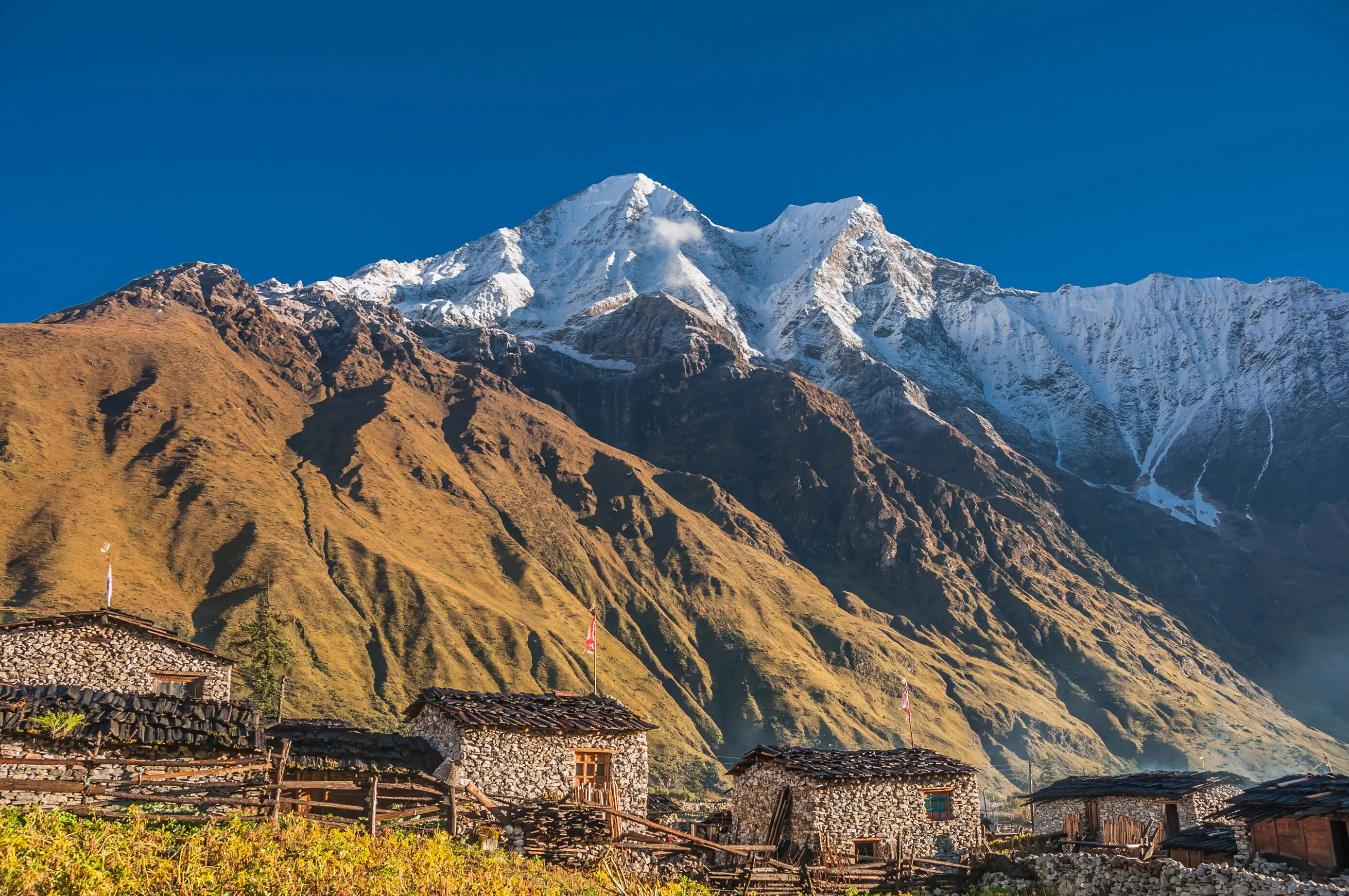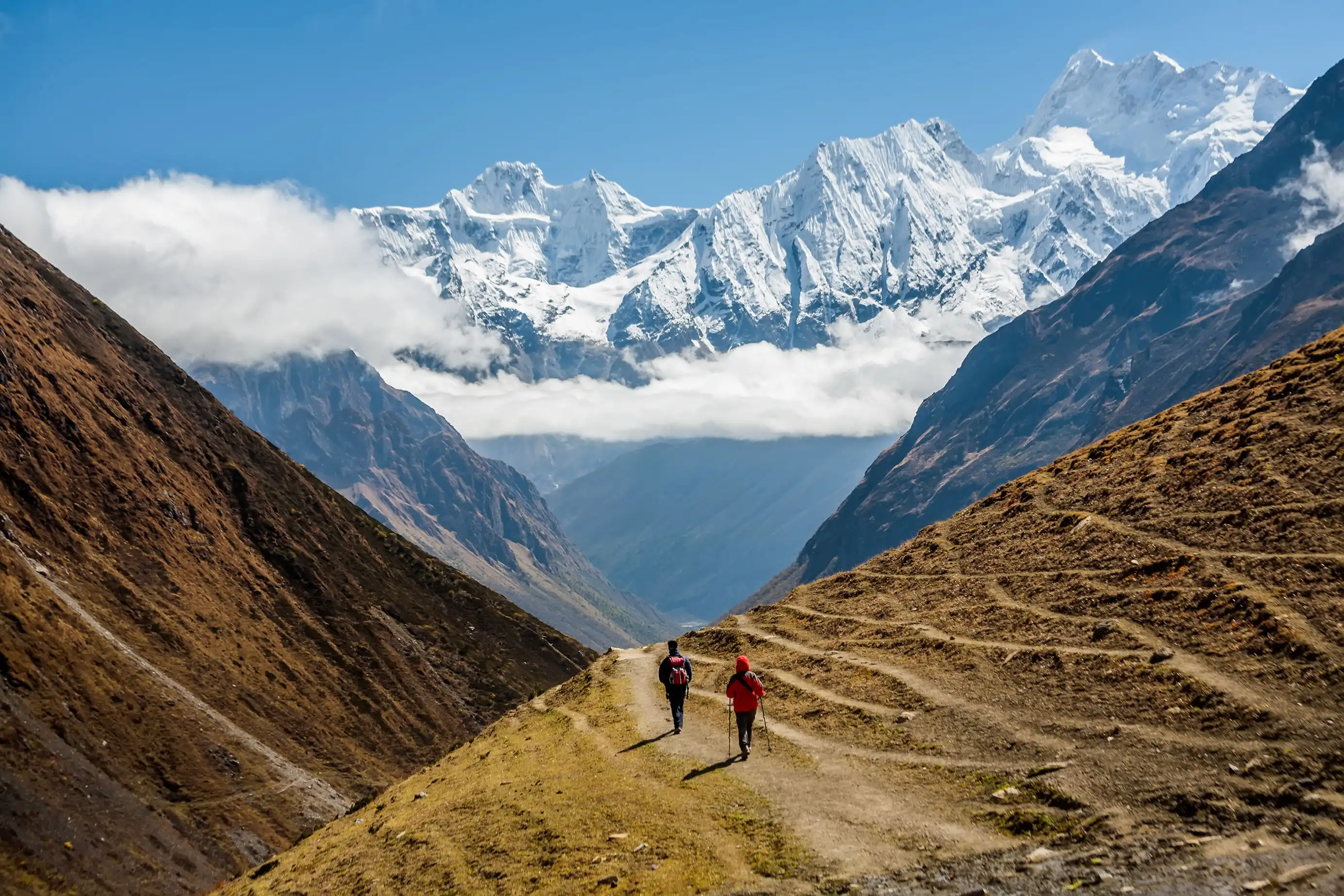
The Tsum Valley and Manaslu Circuit Trek is an extraordinary journey into one of Nepal’s most remote and culturally rich regions. Nestled in the lap of the Himalayas, this trek combines the rugged beauty of the Manaslu massif with the spiritual charm of the Tsum Valley. Tsum Valley, often referred to as the "Hidden Valley," was restricted to foreigners until 2008, preserving its unique Tibetan Buddhist culture, ancient monasteries, and traditional villages. The Manaslu Circuit, circling the world’s eighth-highest peak, Mount Manaslu (8163m), offers spectacular mountain vistas, thrilling high passes like the Larkya La Pass (5160m), and an authentic trekking experience away from the crowded trails of the Annapurna and Everest regions.
This trek typically spans about 19 days, beginning with a drive from Kathmandu to Machha Khola, followed by an immersive trek through diverse landscapes, from lush subtropical forests to alpine meadows and glacial moraines. Along the way, trekkers experience the serene Tibetan culture, stunning monasteries such as Rachen Gompa, and breathtaking views of peaks like Manaslu, Himalchuli, and Ganesh Himal. The trek also includes an acclimatization day, allowing adventurers to adjust to the high altitude and explore landmarks like Birendra Lake or Manaslu Base Camp.
The ideal times to undertake the Tsum Valley and Manaslu Circuit Trek are spring (March to May) and autumn (September to November). During these seasons, the weather is most stable, with clear skies, mild temperatures, and breathtaking mountain views. Springtime brings vibrant rhododendron blooms, making the trek even more picturesque. Autumn offers the clearest visibility, perfect for photographers and nature lovers wanting to capture the majestic peaks and vibrant local festivals.
While winter (December to February) is cold with potential snowfall on high passes, it is suitable for experienced trekkers prepared for harsh conditions. The monsoon season (June to August) is generally avoided due to heavy rains, slippery trails, and increased risk of landslides, which can make trekking dangerous. However, the monsoon season does bring lush greenery and fewer tourists, but the risks often outweigh the benefits.
Best Seasons at a Glance:
The trek is classified as moderate to challenging due to its length, altitude, and the demanding crossing of Larkya La Pass (5160m). Trekkers should have good physical fitness and some prior trekking experience to comfortably manage long walking days, steep ascents and descents, and variable weather conditions. Altitude sickness is a concern at higher elevations, so proper acclimatization days and hydration are crucial.
Transportation to and from the trek begins with a scenic drive from Kathmandu to Machha Khola, where the trek officially starts. The journey involves navigating winding mountain roads, which can be rough and bumpy but add to the adventure. After completing the trek, travelers return by road to Kathmandu. Adventure Family Treks and Expedition ensures reliable vehicles and experienced drivers for a safe and comfortable transfer experience.
Difficulty and Transport Summary:
During the trek, food and accommodation vary from basic tea houses and lodges to more comfortable guesthouses in larger villages. The teahouses serve traditional Nepali meals such as dal bhat (lentils and rice), momos (dumplings), soups, and simple Western dishes. Fresh vegetables, eggs, and meats like chicken or yak are available, depending on location. Staying hydrated and eating nutritious food is essential for energy and acclimatization.
Accommodation is generally simple but clean, with shared or private rooms and shared bathrooms. Heating may be limited, so carrying a good sleeping bag is recommended, especially at higher altitudes where temperatures drop significantly at night. Adventure Family Treks and Expedition prioritizes comfort and hygiene, selecting the best available lodges and ensuring trekkers have access to hot meals and safe drinking water throughout the journey.
Food and Accommodation Highlights:
To trek in the Tsum Valley and Manaslu Circuit, specific permits are required due to the region’s proximity to the Tibetan border and protected national park areas. Trekkers need a Restricted Area Permit (RAP) for the Manaslu region and the Tsum Valley, which helps protect the environment and local culture. Additionally, a Manaslu Conservation Area Permit (MCAP) is necessary.
These permits are carefully managed by the Nepalese government, and trekking with an organized company like Adventure Family Treks and Expedition simplifies the process. The company handles all the paperwork and ensures compliance with local regulations. Permits also help support conservation efforts and local communities, preserving the area’s natural beauty and cultural heritage for future visitors.
Permit Requirements:
Choosing Adventure Family Treks and Expedition for your Tsum Valley and Manaslu Circuit adventure ensures a safe, well-organized, and culturally enriching experience. With extensive local knowledge, experienced guides, and a strong commitment to responsible tourism, the company offers personalized service tailored to your trekking pace and preferences. Their focus on safety, comfort, and cultural immersion allows trekkers to explore this remote region with confidence.
Adventure Family Treks and Expedition also emphasizes sustainable travel, supporting local communities by hiring local staff and promoting environmental awareness. Their passion for Nepal’s diverse cultures and landscapes shines through in every trek, providing meaningful interactions and unforgettable memories. Whether you’re an experienced trekker or new to Himalayan adventures, they offer comprehensive packages, including transportation, permits, accommodation, and meals, making your journey hassle-free.
Reasons to Choose Adventure Family Treks:
Today marks the beginning of your trek with a scenic drive from Kathmandu to Machha Khola. The journey takes approximately 7-8 hours, traversing winding mountain roads and crossing beautiful rivers, terraced fields, and traditional villages. Along the way, you’ll witness the stunning blend of natural beauty and rural Himalayan culture. Arriving in Machha Khola, a small riverside village, you’ll meet your trekking crew and get a final check on your equipment. The lower altitude and fresh mountain air here are perfect for setting the pace for the upcoming trek.
The trek officially begins as you follow the Budhi Gandaki River upstream. The trail ascends gradually through dense forests of bamboo, rhododendron, and pine. You will cross suspension bridges that sway gently over roaring rivers, offering breathtaking views of the valley below. The path is dotted with small villages where locals welcome trekkers warmly. Reaching Jagat by late afternoon, you’ll settle into a cozy teahouse, enjoy a hearty meal, and rest. This first day of trekking helps your body adjust to the gradual increase in altitude.
Today’s trek is more challenging, with a steady ascent through lush landscapes and terraced fields. The trail weaves through remote villages where the traditional lifestyle remains untouched by modern influences. Along the way, you will pass mani walls and chortens (Buddhist prayer structures), enriching your cultural experience. The views of snow-capped peaks start to come into focus, inspiring you to push on. Arriving at Lokpa, a quiet village at 2240 meters, you will enjoy the serene atmosphere, perfect for unwinding after a long day.
The trail today takes you deeper into the Tsum Valley, entering a sacred Himalayan sanctuary known for its unique Tibetan Buddhist culture. You’ll notice the architecture shift to more Tibetan-style homes and monasteries. The valley is renowned for its unspoiled nature and spiritual aura. As you walk through dense forests and alongside crystal-clear streams, the chance to spot wildlife like red pandas or blue sheep adds excitement. Arriving in Chumling, a vibrant village with traditional Gompas (monasteries), you’ll be immersed in the local culture, with opportunities to meet monks and learn about their daily rituals.
This segment is one of the highlights of the Tsum Valley trek. The path ascends steeply towards Rachen Gompa, a remote and ancient monastery perched on a ridge. The journey is physically demanding but rewarding with spectacular views of surrounding peaks and the valley below. At Rachen Gompa, you’ll feel the profound tranquility of this spiritual retreat, surrounded by prayer flags fluttering in the mountain breeze. Staying here overnight provides a rare chance to experience the quiet life of Tibetan Buddhist monks and the stunning Himalayan sunrise.
Today’s trek takes you further into high-altitude territory. From Rachen Gompa, the trail leads you to Nile, a small village offering panoramic views of the snow-clad Himalayas. Continuing upwards, you will reach Mu Gompa, a sacred and isolated monastery nestled at 3700 meters. The monastery is a spiritual hub for the region, and its remote location creates a sense of peace and reverence. The crisp mountain air and dramatic landscape provide a perfect backdrop for reflection and appreciation of the trek’s cultural and natural significance.
After soaking in the high-altitude serenity, today you descend back to Chumling. The descent is easier but requires caution to protect your knees on the steep trail. This day allows time to revisit the village, interact more deeply with the locals, and perhaps explore nearby monasteries. The contrast between the higher alpine environment and the warmer valley gives you a broader sense of the region’s diversity. You’ll arrive in Chumling refreshed and ready for the next phase of the journey towards the Manaslu Circuit.
Leaving the Tsum Valley, the trail now heads south towards Deng, a village situated on the border of the Tsum Valley and the Manaslu region. The descent from Chumling is gentle, passing through terraced farmland and lush forests. Deng is a lively village, serving as an important stopover for trekkers transitioning to the Manaslu Circuit. The local culture here is a fascinating mix of Tibetan and Nepalese traditions. Evening is spent relaxing and enjoying local hospitality, with stunning mountain views setting the scene for the days ahead.
Today, the trek becomes more strenuous with a steady climb towards Namrung. The trail meanders through deep valleys and crosses several rivers, often by suspension bridges that provide thrilling glimpses of rushing water below. Namrung is a large village with traditional stone houses and Mani walls, reflecting strong Tibetan Buddhist influences. This area is renowned for its natural beauty and cultural richness. The higher altitude starts to be felt, and the air becomes crisper, preparing you for the more challenging sections ahead.
Ascending from Namrung to Lho, the trail climbs through alpine forests and rocky paths. The village of Lho is picturesque, with stunning views of Manaslu and the surrounding Himalayan peaks. Lho is culturally significant, home to several monasteries and a hub for local festivals. Here, trekkers often get a deeper insight into the local way of life. The altitude increases steadily, and the landscape becomes more rugged and dramatic, signaling that you are entering the heart of the Manaslu region.
The route today climbs gently but steadily to Samagaon, a charming village nestled beneath the towering Manaslu peak. Samagaon is a major stop on the circuit, with several guesthouses and monasteries. This village offers stunning views of Manaslu and provides a perfect base for acclimatization. Here, trekkers can explore the Pungen Gompa, one of the largest monasteries in the region, or relax and enjoy the serene atmosphere. The blend of natural beauty and spiritual culture makes Samagaon a highlight of the trek.
This rest day is dedicated to acclimatization and exploration. You have options to hike to Birendra Lake, a peaceful alpine lake surrounded by towering peaks, or visit the ancient Pungen Monastery to experience local Buddhist traditions. For the more adventurous, a day trek to the Manaslu Base Camp is possible, offering close-up views of the mighty Manaslu summit. The acclimatization helps prepare your body for the high passes ahead, while allowing you to soak in the stunning natural and cultural heritage of the region.
Leaving Samagaon, you trek upwards to Samdo, a remote Tibetan-style village situated near the Tibetan border. The landscape becomes more barren and alpine, with rocky terrain and fewer trees. Samdo’s high-altitude environment and traditional culture offer a unique glimpse into life on the edge of the Tibetan plateau. The village is known for its hospitality and local crafts. Trekking at this altitude demands careful pacing and hydration, but the rewarding views of Manaslu and surrounding peaks make the effort worthwhile.
Today is a tough but exciting day as you make your way towards Larkya Phedi, the base camp for the famous Larkya La Pass. The trail involves a steady ascent, navigating rocky terrain and high alpine meadows. This day is physically demanding, but the spectacular vistas of glaciers, rugged peaks, and remote landscapes create a sense of accomplishment. Reaching Larkya Phedi means you are well-prepared for tomorrow’s big challenge: crossing the highest point of the trek.
The highlight of the Manaslu Circuit, crossing the Larkya La Pass, begins early this morning. The climb to the pass is steep and challenging, with thin air at over 5,000 meters altitude. Trekking poles and good physical preparation are essential. Upon reaching the pass, you will be rewarded with panoramic views of Manaslu, Himalchuli, and other towering peaks. After savoring the moment and taking photographs, the trail descends to Bimthang, a tranquil alpine meadow perfect for rest and recovery after a strenuous day.
The descent continues from Bimthang through rhododendron forests and terraced fields as you return towards lower altitudes. Today’s trail passes through several small villages, allowing you to witness the diverse cultures of the Manaslu region. Dharapani is a larger village and an important stopover, providing comfortable lodges and services for trekkers. The lower altitude means warmer temperatures and a more relaxed pace. This day serves as a gentle cooldown after the high-altitude crossing.
After completing your trek, you will enjoy a scenic drive back to Kathmandu. The journey offers final views of the Himalayan foothills and rural Nepalese countryside. Arriving in Kathmandu, you can rest at your hotel or explore the city’s cultural landmarks such as Boudhanath Stupa or Durbar Square. Tonight, a farewell dinner with your trekking team from Adventure Family Treks and Expedition provides a chance to share stories, celebrate your achievement, and say goodbye to new friends.
On the last day, you will be transferred to Tribhuvan International Airport for your onward flight. Depending on your schedule, you may have time for last-minute shopping or sightseeing in Kathmandu. Our team will assist you with airport formalities and wish you a safe journey home, hoping that the memories of the Tsum Valley and Manaslu Circuit trek with Adventure Family Treks and Expedition stay with you forever.


Clothing
Handwear
Footwear
Gear
Miscellaneous
The ideal trekking seasons for the Tsum Valley and Manaslu Circuit are spring (March to May) and autumn (September to November). During these periods, the weather is generally stable, skies are clear, and the views of the Himalayan peaks are spectacular. While winter trekking is possible, colder temperatures and heavy snowfall may make the trails more challenging. Summer monsoons bring heavy rains and slippery paths, so it is best avoided for safety reasons.
This trek is considered moderately strenuous to challenging due to the long trekking days, high altitudes (up to 5160m at Larkya La Pass), and varied terrain. Good physical fitness and stamina are necessary to enjoy the trek comfortably. Proper acclimatization days are included, such as at Samagaon, to help trekkers adjust to altitude and reduce the risk of altitude sickness.
While the trek is generally safe, it is recommended that solo trekkers hire a guide for added security and support. The region is remote with limited cell coverage and medical facilities. Our guides are trained in first aid and emergency evacuation procedures. Adventure Family Treks and Expedition prioritizes your safety and can arrange trekking companions or group tours if preferred.
Yes, trekking in the Tsum Valley and Manaslu region requires special permits. You will need a Manaslu Restricted Area Permit (RAP) and a TIMS card (Trekkers’ Information Management System). Adventure Family Treks and Expedition will assist you with all the necessary permits and paperwork, ensuring a smooth process before your trek begins.
Accommodations along the Tsum Valley and Manaslu Circuit mostly consist of basic teahouses and lodges. These provide simple rooms with beds, shared bathrooms, and basic amenities. In some remote areas, facilities may be more rustic, but the hospitality is warm and friendly. Adventure Family Treks and Expedition ensures that you stay in comfortable and safe lodges, prioritizing cleanliness and comfort wherever possible.
Acclimatization is vital to prevent altitude sickness, especially since the trek reaches elevations above 5000 meters. The itinerary includes rest and acclimatization days, such as the day at Samagaon, where you can explore nearby attractions like Birendra Lake or Manaslu Base Camp at a slower pace. These breaks help your body adjust gradually to the reduced oxygen levels and minimize health risks.
Food along the trail consists mainly of traditional Nepali dishes such as dal bhat (lentils and rice), momos (dumplings), noodles, soups, and simple vegetarian options. Many teahouses also offer continental meals to cater to international trekkers. Adventure Family Treks and Expedition ensures your dietary needs are communicated in advance, including vegetarian, vegan, or any other special requests, so you can enjoy nutritious meals throughout the journey.
Packing appropriately is crucial for a successful trek. Essentials include layered clothing for varying temperatures, a warm sleeping bag, sturdy trekking boots, rain gear, a hat and sunglasses for sun protection, trekking poles, and a daypack. It’s also wise to bring personal medications, a water purification method, and some snacks. Adventure Family Treks and Expedition will provide a detailed packing list and advice tailored to the season of your trek.
Yes, hiring experienced guides and porters is highly recommended for safety, navigation, and convenience. Our guides are knowledgeable about the local culture, environment, and emergency procedures, ensuring your trek is both enjoyable and secure. Porters help carry heavy luggage, allowing you to trek more comfortably and focus on the experience. Adventure Family Treks and Expedition prides itself on employing professional, ethical guides and porters who are fairly compensated.
The trek begins with a drive from Kathmandu to Machha Khola, which takes approximately 7–8 hours through scenic mountain roads. At the end of the trek, you will return to Dharapani and then drive back to Kathmandu. Adventure Family Treks and Expedition organizes all transportation logistics, ensuring timely and comfortable transfers, allowing you to focus fully on the trekking experience.
| No of people | Price per person |
|---|---|
| 1 - 1 | $1,490 |
| 2 - 5 | $1,350 |
| 5 - 10 | $1,299 |
| 11 - 15 | $1,250 |
| 16 - 20 | $1,199 |