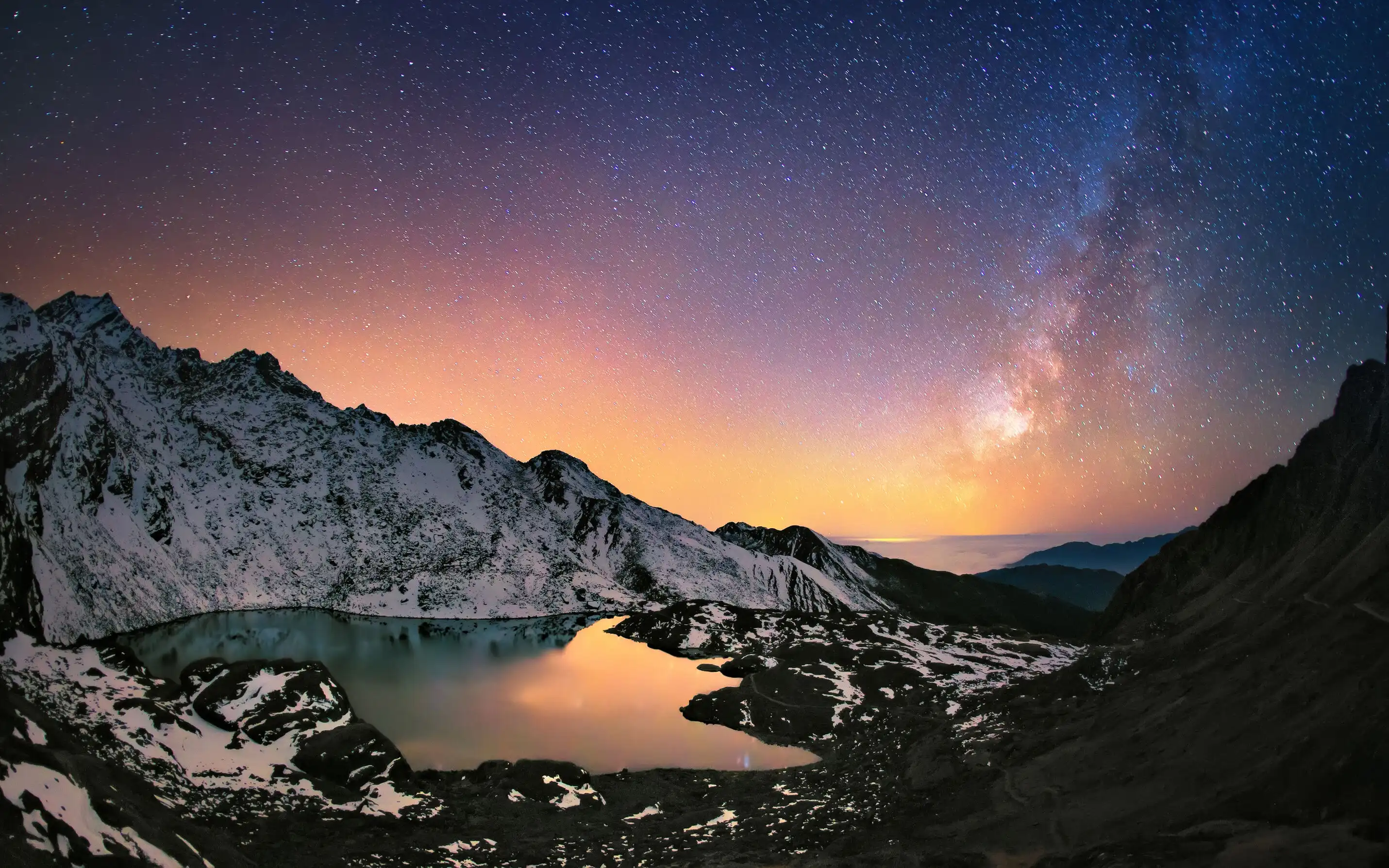
The Langtang Gosaikunda Trek is one of Nepal’s most rewarding and culturally rich trekking experiences. Combining the beauty of the Langtang Valley and the sacred alpine lakes of Gosaikunda, this 14-day journey offers stunning views of snow-capped peaks, deep forests, glacial valleys, and unique Tibetan-influenced culture. This trek takes you through charming villages like Langtang Village, Kyanjin Gompa, and Thulo Syabru, and leads you to the serene Gosaikunda Lake, a sacred pilgrimage site for both Hindus and Buddhists.
Operated by Adventure Family Treks and Expedition, this trek is designed for trekkers who want to experience both natural beauty and cultural depth. Along the way, you’ll pass through Langtang National Park, home to red pandas, Himalayan black bears, and a variety of birds. The trek also includes an exhilarating hike to Tserko Ri (5,000m), offering panoramic views of Langtang Lirung, Dorje Lakpa, and more. Whether you're a nature lover, spiritual seeker, or adventure enthusiast, this trek delivers an unforgettable Himalayan experience.
Choosing the right season can make a significant difference in your trekking experience. The best seasons for the Langtang Gosaikunda Trek are spring (March to May) and autumn (September to November). During these months, the weather is generally stable, skies are clear, and mountain views are breathtaking. Spring brings blooming rhododendrons, magnolias, and other alpine flowers, while autumn offers crisp air and excellent visibility after the monsoon.
While trekking is still possible in winter (December to February), expect snow and colder conditions, particularly at Gosaikunda Lake and higher altitudes. The monsoon season (June to August) brings heavy rain, slippery trails, and leech-infested paths, especially in forested areas—so it's usually not recommended unless you’re an experienced trekker ready for a challenge.
Best Trekking Seasons:
The Langtang Gosaikunda Trek is considered a moderate to challenging trek, suitable for trekkers with a basic level of fitness and some prior hiking experience. The trail includes daily ascents and descents through rugged terrain, forests, and alpine landscapes. The highest point is Tserko Ri (5,000m) and Gosaikunda Lake (4,380m), where altitude-related symptoms can affect some trekkers, so acclimatization is crucial.
Although the trek doesn’t require technical climbing skills, you’ll be hiking for 5–7 hours a day on average. The path includes steep sections and stone staircases, particularly between Syabrubesi, Lama Hotel, and Gosaikunda. The well-paced itinerary designed by Adventure Family Treks and Expedition includes acclimatization days and gradual altitude gain, making it manageable for most physically fit individuals.
Transportation:
Difficulty Level:
Accommodation on the Langtang Gosaikunda Trek is primarily in teahouses, which offer basic but comfortable lodging with shared rooms and simple amenities. These family-run lodges provide a warm, authentic experience of the local culture. You can expect clean beds, warm blankets, and communal dining areas. The accommodation becomes more basic at higher altitudes, especially around Kyanjin Gompa and Gosaikunda Lake.
As for food, teahouses serve a range of local and international meals. The staple Dal Bhat (lentil soup with rice and vegetables) provides the energy needed for trekking. Other options include Tibetan bread, momos (dumplings), pasta, pancakes, eggs, and noodles. Adventure Family Treks and Expedition ensures hygienic food and encourages trekkers to stay hydrated and eat adequately for energy.
Food Options:
Accommodation:
To trek in the Langtang and Gosaikunda region, trekkers must obtain specific permits that allow access to protected areas. The required permits are arranged either through a trekking agency like Adventure Family Treks and Expedition or directly in Kathmandu.
The two main permits required for this trek are:
TIMS Card (Trekkers’ Information Management System):
Langtang National Park Entry Permit:
These permits help fund conservation and tourism infrastructure and ensure a safe and regulated trekking environment. Always carry your permits, as there are several checkpoints along the trail.
Permit Checklist:
The Langtang Gosaikunda Trek is ideal for trekkers looking for a less-crowded, yet deeply scenic and spiritual journey in the Himalayas. Unlike the busier Everest or Annapurna regions, Langtang offers raw beauty, untouched villages, and intimate encounters with local culture. The trek also holds significant spiritual value, especially with the pilgrimage to Gosaikunda Lake, a sacred destination believed to be created by Lord Shiva.
This trek gives you the chance to combine natural beauty with cultural immersion. With Adventure Family Treks and Expedition, you’ll benefit from a well-organized itinerary, experienced local guides, and personalized support. The company focuses on responsible tourism, safety, and sustainability, making your journey both memorable and meaningful.
Reasons to Choose This Trek:
Our trekking adventure begins as we leave Syabrubesi and follow the trail along the Langtang Khola (river). The path winds through lush forests of oak, bamboo, and rhododendron, home to red pandas and langur monkeys. We cross suspension bridges and pass scattered Tamang villages, gradually gaining elevation. The ascent is steady and rewards us with tranquil natural beauty and river views throughout. After 6-7 hours of trekking, we reach Lama Hotel, a small settlement nestled in the forest, where we rest for the night surrounded by the sounds of the river and forest.
Today’s trek takes us deeper into the Langtang Valley, ascending steadily through enchanting forests and past waterfalls and prayer wheels. As we climb higher, the forest opens up, revealing stunning views of Langtang Lirung (7,227m) and other towering peaks. We pass through Ghodatabela, where the landscape begins to change from dense forest to alpine meadows and scattered yak pastures. The trail also offers insight into the devastation from the 2015 earthquake and the resilient spirit of the people. After about 6 hours, we reach Langtang Village, a traditional Tamang settlement rebuilt with renewed strength and pride.
The trail from Langtang to Kyanjin Gompa is one of the most scenic sections of the trek. As we move higher, the vegetation becomes sparse, and wide glacial valleys open before us. We pass through yak herding villages and several mani walls and chortens, signifying the region's strong Buddhist influence. After 3–4 hours of trekking, we reach the beautiful village of Kyanjin Gompa, home to an ancient monastery and a government-run cheese factory. Surrounded by stunning peaks, including Langtang Lirung, the village is a serene place to rest and acclimatize in preparation for tomorrow’s ascent.
Today is a challenging yet highly rewarding day as we take an early morning hike to Tserko Ri, the highest point of our trek. The steep climb takes around 4-5 hours, but each step brings breathtaking panoramic views of the Langtang Himalayan range, including Yala Peak, Dorje Lakpa, and Langtang Lirung. The sight of sunlit mountains and wide glacial valleys is unforgettable. After enjoying the summit views and capturing memorable photographs, we carefully descend back to Kyanjin Gompa for lunch and a relaxing afternoon. This day also aids in acclimatization and deepens your appreciation for the region’s grandeur.
After soaking in the high Himalayan environment, we retrace our steps back to Lama Hotel. The descent is easier but still requires steady footing as we navigate down through alpine meadows and lush forests. The return journey allows for different perspectives of the landscapes we passed on the ascent. As the oxygen levels rise, you’ll feel more energized, making the walk pleasant and reflective. After about 6 hours of trekking, we arrive back at Lama Hotel, where the familiar comforts of the teahouse and warm meals await.
Leaving the river valley behind, we take a different trail toward the village of Thulo Syabru. This scenic route involves a steady ascent through forests rich with wildlife and occasional clearings that offer great views of Ganesh Himal. The trail undulates as we climb through terraced hillsides and charming Tamang settlements, giving us a deeper cultural experience of the region. Thulo Syabru is a larger village perched on a ridge, providing a stunning panorama of the surrounding landscapes. We rest here for the night, enjoying the warm hospitality of the locals.
Today’s trek takes us on a gradual but steady uphill trail to Sing Gompa, also known as Chandanbari. The path is scenic, winding through forests of pine, hemlock, and rhododendron. We may encounter herds of yaks grazing along the trail and, if lucky, catch glimpses of wild animals like Himalayan thar or red panda. After about 5–6 hours of trekking, we reach Sing Gompa, a peaceful village known for its ancient monastery and yak cheese factory. The serene surroundings and spiritual ambiance make this a perfect place to rest and prepare for the journey to Gosaikunda.
Today is one of the highlights of the entire trek as we ascend toward the sacred alpine lakes of Gosaikunda. The trail climbs steeply, offering breathtaking views of snow-capped peaks and deep valleys. As we gain altitude, the landscape becomes more rugged and dramatic. The final approach to Gosaikunda features a series of beautiful glacial lakes, with the main Gosaikunda Lake shimmering in a serene setting surrounded by rocky cliffs. Revered by Hindus and Buddhists alike, this sacred site holds mythological significance. We spend the night near the lake, immersed in its spiritual and natural beauty.
After a peaceful morning exploring the tranquil shores of Gosaikunda Lake and soaking in the spiritual atmosphere, we begin our descent back toward Sing Gompa. The downward journey retraces our steps along the ridge, giving us a different perspective of the breathtaking mountain views and terrain. We reach Chandanbari (Sing Gompa) by late afternoon, where we can rest and, if interested, visit the cheese factory again or the nearby monastery. This day allows us to reflect on the spiritual and physical journey we’ve experienced in the high Himalayas.
Today marks the final day of trekking as we descend through dense forests and traditional Tamang settlements on our way to Dhunche. The trail winds through rhododendron and pine forests, alive with birds and wildlife. As we lose altitude, the warmer climate and increased vegetation offer a fresh contrast to the alpine terrain. After 4-5 hours of trekking, we reach Dhunche, the administrative center of Rasuwa District. It’s a bustling town where we’ll spend our last night in the Langtang region, reminiscing about the unforgettable journey with Adventure Family Treks and Expedition.
We say goodbye to the Langtang region today as we drive back to Kathmandu via the same winding road that brought us here. The 6–7 hour journey allows one last opportunity to enjoy the beautiful landscapes of hills, rivers, and rural life in Nepal. Upon arrival in Kathmandu, you’ll be transferred to your hotel where you can unwind, take a hot shower, or enjoy some shopping in Thamel. In the evening, a farewell dinner can be arranged with the team at Adventure Family Treks and Expedition to celebrate the successful completion of your trek.
Your Langtang Gosaikunda adventure comes to a close today. Depending on your flight schedule, you may have some free time to explore or relax. A representative from Adventure Family Treks and Expedition will transfer you to the airport for your departure. As you board your flight, you’ll take with you cherished memories of Himalayan landscapes, cultural richness, and personal achievement. We hope to see you again for another adventure in Nepal.


Clothing
Handwear
Footwear
Gear
Miscellaneous
The Langtang Gosaikunda Trek is a stunning combination of two iconic trekking regions in Nepal—Langtang Valley and the sacred Gosaikunda Lake. This 14-day journey offers a unique blend of cultural immersion, high alpine scenery, and religious significance. With picturesque Tamang villages, serene forests, glacial rivers, and breathtaking views of the Langtang Himalayan range, it’s perfect for those seeking a relatively less-crowded yet incredibly rewarding trekking experience. Adventure Family Treks and Expedition ensures a well-guided and culturally enriching journey throughout.
Absolutely. Adventure Family Treks and Expedition caters to both solo trekkers and group bookings. Solo travelers are often grouped with others to reduce costs and enhance the social experience, though private treks are also available. Group sizes typically range from 2 to 10 people, ensuring personalized attention from guides. Whether you're traveling alone or with friends, we ensure a safe, friendly, and culturally immersive experience in the Himalayas.
This trek is considered moderate to strenuous, suitable for trekkers with a decent level of fitness and prior hiking experience. You’ll be ascending to an altitude of 5,000 meters at Tserko Ri and crossing high-altitude areas like Gosaikunda Lake. The trails include steep climbs and descents, so good physical preparation is recommended. Adventure Family Treks and Expedition offers proper acclimatization schedules and experienced guides to make your trekking experience safe and manageable.
Yes, altitude sickness is a possible concern, especially when trekking above 3,000 meters. The highest point on this trek is Tserko Ri at 5,000 meters, and the Gosaikunda Lake also lies at a high altitude (4,380m). Adventure Family Treks and Expedition takes every precaution to minimize the risk by including acclimatization days, monitoring health conditions, and training our guides to handle altitude-related issues effectively. Drinking plenty of water and ascending gradually is key to prevention.
Safety is our top priority. Our guides are trained in first aid and altitude-related illness protocols. We carry a basic medical kit, keep daily health checks, and use a well-paced itinerary with acclimatization days. In the rare case of emergencies, we can arrange helicopter evacuations or coordinate with local medical facilities. With 25+ years of experience, Adventure Family Treks and Expedition is committed to responsible trekking, traveler safety, and high-quality service from start to finish.
The best seasons for the Langtang Gosaikunda Trek are spring (March to May) and autumn (September to November). During these periods, the weather is generally stable, skies are clear, and mountain views are at their best. Rhododendron forests bloom beautifully in spring, while autumn offers crisp views and a festive atmosphere. Adventure Family Treks and Expedition operates treks during both these seasons, ensuring optimal timing for scenic beauty and trekking conditions.
Accommodation during the Langtang Gosaikunda Trek is primarily in teahouses—local lodges that offer basic rooms, mostly with twin beds and shared bathrooms. While the facilities are simple, they are comfortable enough for trekkers, and meals are available in the dining areas. Adventure Family Treks and Expedition carefully selects clean and hospitable teahouses to ensure a good night’s rest after each trekking day. In Kathmandu, you will stay in a comfortable hotel arranged by the company.
Yes, trekkers require two main permits for this trek: the Langtang National Park Entry Permit and the Trekking Information Management System (TIMS) card. Both are mandatory and checked at various points along the trail. Adventure Family Treks and Expedition handles all the necessary permit arrangements for you, so you won’t need to worry about paperwork. Your guide will carry all permits during the trek for inspections, ensuring a smooth journey without bureaucratic hassles.
Essential items include proper trekking boots, layered clothing (for both warm and cold weather), a good sleeping bag, trekking poles, gloves, sun protection, a headlamp, and a refillable water bottle. Rain gear is advisable in case of unexpected weather. Adventure Family Treks and Expedition provides a detailed packing checklist in advance and can assist with equipment rental in Kathmandu if needed. Our team also helps ensure your bag is appropriately packed for porter-carrying or personal use.
While it’s technically possible to trek without a guide, we highly recommend hiring both a licensed guide and a porter, especially for safety, navigation, and cultural insight. Our guides speak English and have in-depth knowledge of the region, while our porters help carry your load, making the trek more enjoyable. Adventure Family Treks and Expedition employs experienced, insured, and fairly paid local staff to enhance your trekking experience while contributing to the local economy.
| No of people | Price per person |
|---|---|
| 1 - 1 | $1,050 |
| 2 - 5 | $950 |
| 6 - 10 | $920 |
| 11 - 15 | $900 |
| 16 - 20 | $850 |