
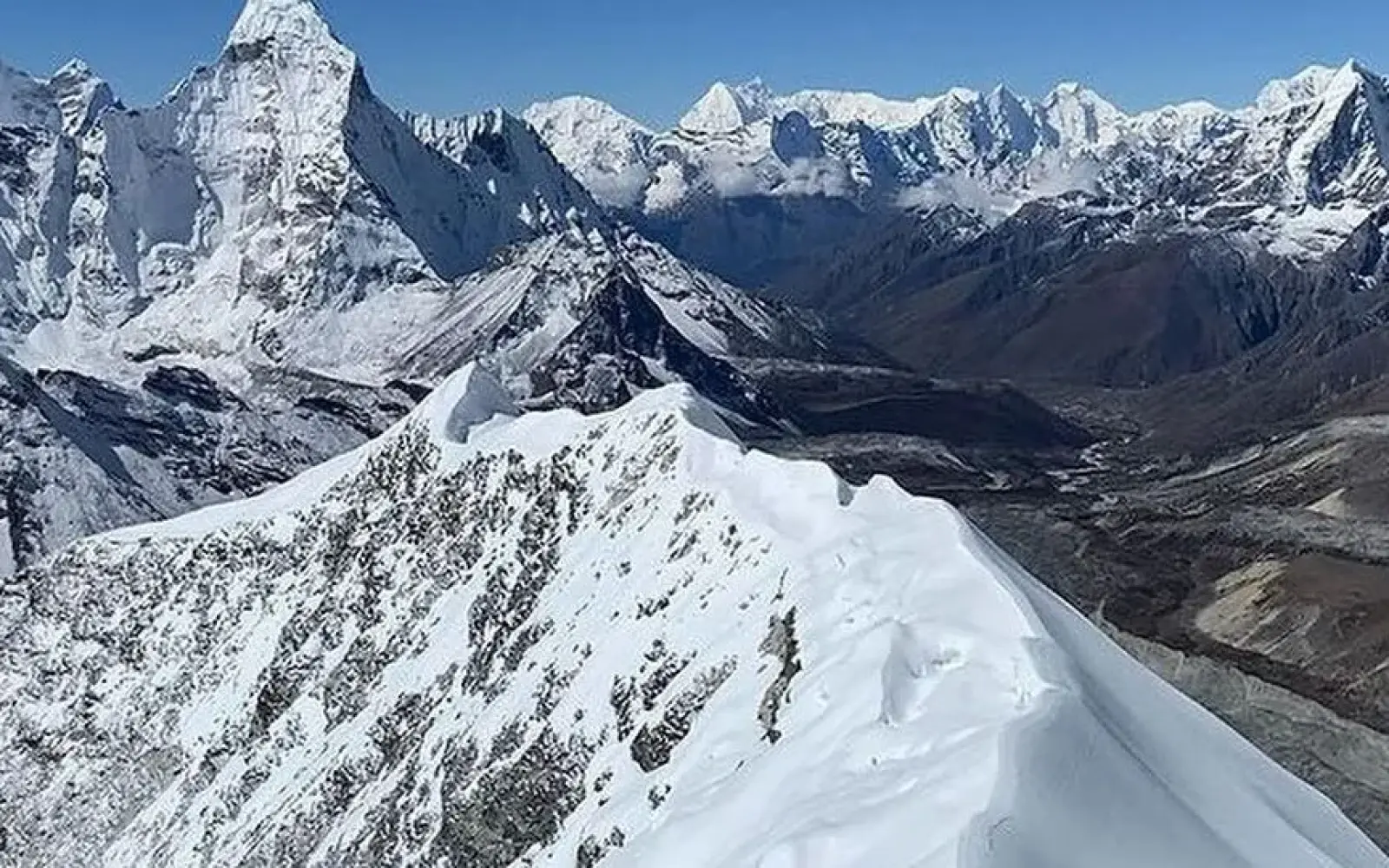
Nepal, a land of breathtaking landscapes, rich culture, and adventure, is one of the most popular travel destinations in South Asia. Nestled between India and China, it is home to the majestic Himalayas, including the world’s highest peak, Mount Everest. Nepal offers a diverse range of experiences—from trekking and mountaineering to cultural tours and wildlife safaris. For travelers seeking adventure or spiritual exploration, Nepal is an ideal destination.
Adventure Family Treks and Expedition specializes in curating personalized travel experiences in Nepal, ensuring that every journey is safe, enjoyable, and memorable. Whether you are looking for a short cultural trip or a long trekking expedition, our team is ready to guide you through the wonders of Nepal.
Short bullet points:
Nepal is a small yet incredibly diverse country, covering an area of 147,516 square kilometers. Despite its size, it is home to a wide variety of climates, cultures, and languages. From the tropical Terai plains to the snow-capped Himalayan peaks, Nepal’s landscapes are stunning and varied. The capital city, Kathmandu, is a cultural hub, rich with UNESCO World Heritage Sites, ancient temples, and bustling markets.
Nepal is also known for its warm and hospitable people. Visitors can explore ethnic villages, traditional festivals, and local cuisine while experiencing the country’s deep-rooted traditions. Adventure Family Treks and Expedition ensures travelers experience both the natural beauty and cultural richness of Nepal safely and comfortably.
Short bullet points:
Traveling in Nepal requires some preparation to ensure a smooth experience. Weather conditions, terrain, and local customs should be kept in mind when planning your trip. Carry appropriate clothing for both warm lowlands and cold mountainous regions, and pack essential items such as sturdy trekking shoes and a first-aid kit.
Cultural sensitivity is important in Nepal; always respect local customs, dress modestly when visiting religious sites, and be polite to locals. Adventure Family Treks and Expedition provides practical advice and local guidance to help travelers navigate Nepal safely and enjoyably.
Short bullet points:
Visitors to Nepal must have a valid passport with at least six months of validity from the date of arrival. Passport holders from most countries can obtain a tourist visa upon arrival or apply online in advance. Always check your country’s specific requirements before traveling to Nepal.
Adventure Family Treks and Expedition assists travelers in understanding visa procedures, ensuring paperwork is complete, and guiding you through entry requirements to avoid any hassles upon arrival.
Short bullet points:
Visa Requirements
Nepal offers tourist visas ranging from 15 days to 90 days. The visa on arrival can be obtained at Tribhuvan International Airport in Kathmandu or land border points. Required documents include a valid passport and a passport-sized photo. Payment is accepted in USD, Euros, or local currency (NPR).
For longer stays or special purposes, travelers must apply for visas in advance. Adventure Family Treks and Expedition provides clear guidance on the visa type best suited for your travel plans and helps with all paperwork.
Short bullet points:
Entry and Exit Procedures
Upon arrival in Nepal, visitors go through immigration and customs checks. Fill out arrival forms, present your visa or approval letter, and declare any items as required. Airports and land border points are generally efficient, but minor delays can occur during peak seasons.
For departure, make sure to check your airline schedules and allow ample time for airport security checks. Adventure Family Treks and Expedition helps organize airport transfers and ensures all travelers understand local entry and exit protocols.
Short bullet points:
Nepal’s diverse environment means health risks vary by region. While urban areas have good medical facilities, remote trekking regions may have limited access to healthcare. Common travel-related issues include altitude sickness, stomach problems, and minor injuries. Travelers should plan for basic health care needs and carry necessary medications.
Adventure Family Treks and Expedition emphasizes safety by providing guidance on local medical facilities, emergency contacts, and recommended travel insurance coverage.
Short bullet points:
Recommended Vaccinations
Before traveling to Nepal, it is advisable to update routine vaccinations, including measles, mumps, rubella (MMR), diphtheria-tetanus-pertussis (DTP), and polio. Additionally, hepatitis A, typhoid, and rabies vaccinations are recommended, especially for trekking or rural travel. Malaria prophylaxis may be advised in Terai lowlands.
Adventure Family Treks and Expedition can provide up-to-date vaccination advice and connect travelers with reliable travel health clinics before departure.
Short bullet points:
Health Precautions
Maintaining good hygiene, drinking safe water, and avoiding street food are essential to prevent common illnesses in Nepal. Acclimatization is crucial when trekking in high-altitude regions to avoid altitude sickness. Carry a first-aid kit, stay hydrated, and follow your guide’s advice for safe trekking.
Adventure Family Treks and Expedition provides detailed health and safety guidelines, including high-altitude trekking tips, emergency protocols, and access to medical resources during your journey.
Short bullet points:
Nepal’s high-altitude regions, including trekking areas like Everest Base Camp, Annapurna Circuit, and Langtang, pose a risk of altitude sickness (also called Acute Mountain Sickness or AMS). Altitude sickness occurs when the body struggles to adjust to lower oxygen levels at high elevations. Symptoms can range from mild to severe, including headaches, nausea, dizziness, fatigue, and shortness of breath. In extreme cases, it can lead to High Altitude Pulmonary Edema (HAPE) or High Altitude Cerebral Edema (HACE), both of which are life-threatening.
Travelers should monitor their symptoms carefully while trekking or traveling in high-altitude areas. Adventure Family Treks and Expedition provides guidance on safe trekking itineraries, acclimatization schedules, and emergency protocols to minimize the risks of altitude sickness.
Short bullet points:
Causes of Altitude Sickness
Altitude sickness is caused primarily by reduced oxygen levels at higher elevations. As you ascend, the body receives less oxygen, which affects breathing, circulation, and overall energy levels. Rapid ascents without proper acclimatization are the main trigger. Other contributing factors include dehydration, physical overexertion, and pre-existing health conditions.
Adventure Family Treks and Expedition ensures that all treks are planned with gradual altitude gain, sufficient rest days, and expert guidance. Understanding the causes allows travelers to take preventive measures and enjoy high-altitude trekking safely.
Short bullet points:
Prevention and Treatment
Preventing altitude sickness involves gradual acclimatization, staying hydrated, eating well, and avoiding alcohol or smoking at high altitudes. Medications like acetazolamide may be prescribed for travelers prone to AMS. For mild symptoms, rest and slow ascent are usually sufficient, while severe cases require immediate descent to lower altitudes and medical attention.
Adventure Family Treks and Expedition incorporates acclimatization days and offers health advice throughout your trekking journey. Our guides are trained to recognize symptoms early and take necessary precautions to ensure a safe experience.
Short bullet points:
Nepal’s growing tourism and urbanization have contributed to environmental challenges, including air, water, and plastic pollution. Cities like Kathmandu experience high levels of air pollution, particularly during winter months, affecting both locals and visitors. Littering, deforestation, and waste management issues in trekking regions also threaten natural beauty and biodiversity.
Adventure Family Treks and Expedition promotes responsible tourism, encouraging travelers to minimize waste, avoid single-use plastics, and respect local ecosystems. By choosing eco-friendly practices, visitors can enjoy Nepal’s pristine landscapes while preserving them for future generations.
Short bullet points:
Air and Water Quality
Air pollution in urban areas, especially Kathmandu Valley, is primarily caused by vehicle emissions, brick kilns, and industrial activity. Water pollution in rivers and streams may result from untreated sewage or agricultural runoff. Travelers should monitor air quality reports, avoid prolonged exposure during peak pollution, and use water purification methods.
Adventure Family Treks and Expedition advises travelers on safe drinking water, proper sanitation practices, and avoiding polluted areas. Carrying a reusable water bottle and water purification tablets is recommended for trekking in remote regions.
Short bullet points:
Responsible Travel Practices
Responsible travel in Nepal involves respecting local customs, supporting local businesses, and minimizing environmental impact. Avoid littering, stay on designated trails, and use local guides and services. Travelers should also dress modestly, ask permission before photographing people, and participate in community-based tourism programs.
Adventure Family Treks and Expedition integrates responsible travel practices into every tour and trek. We educate travelers about ethical trekking, wildlife protection, and cultural sensitivity to ensure sustainable tourism.
Short bullet points:
Nepali cuisine is a flavorful mix of Indian, Tibetan, and Southeast Asian influences. Traditional meals are hearty and nutritious, often including rice, lentils (dal), vegetables, and meat. Popular regional specialties highlight local ingredients, spices, and cooking methods, giving travelers a diverse culinary experience.
Adventure Family Treks and Expedition encourages travelers to sample authentic Nepali cuisine while providing guidance on hygiene and safe eating practices to avoid foodborne illnesses during travel and trekking.
Short bullet points:
Popular Dishes
Some popular Nepali dishes include Dal Bhat (lentil soup with rice), Momo (steamed or fried dumplings), Thukpa (Tibetan noodle soup), and Sel Roti (traditional rice flour bread). Each region offers unique variations, reflecting local culture and ingredients. Street food is common in cities, offering inexpensive and flavorful snacks, but travelers should exercise caution to avoid foodborne illnesses.
Adventure Family Treks and Expedition helps travelers identify safe and authentic food experiences while trekking or visiting cities, ensuring a delightful and hygienic culinary journey.
Short bullet points:
Eating Safely
To avoid foodborne illnesses in Nepal, travelers should drink bottled or filtered water, avoid raw vegetables or unpasteurized dairy, and eat freshly cooked meals. Hand hygiene and careful selection of street food vendors can prevent stomach issues. Travelers with sensitive stomachs or dietary restrictions should plan accordingly.
Adventure Family Treks and Expedition provides tips on safe eating, access to hygienic restaurants, and emergency contacts for health concerns, especially in remote trekking areas.
Short bullet points:
Nepal offers a wide range of accommodations, from luxury hotels and boutique lodges to budget guesthouses and homestays. In urban areas like Kathmandu and Pokhara, modern hotels provide comfortable amenities, while trekking regions feature teahouses and lodges catering to trekkers’ basic needs.
Adventure Family Treks and Expedition helps travelers choose accommodations suited to their comfort level and budget. We ensure bookings are safe, reliable, and conveniently located for both sightseeing and trekking.
Short bullet points:
Hotels and Guesthouses
Hotels in cities often include amenities such as Wi-Fi, hot water, restaurants, and guided tours. Guesthouses or teahouses in trekking areas provide simple rooms, meals, and local hospitality. These offer an authentic experience of Nepali culture while allowing travelers to rest between trekking stages.
Adventure Family Treks and Expedition pre-selects reputable hotels and lodges, ensuring cleanliness, safety, and comfort, whether in the city or on a mountain trail.
Short bullet points:
Booking Tips
Booking in advance is recommended for peak tourist seasons (spring and autumn) to secure accommodations and trekking permits. Travelers should compare prices, read reviews, and confirm services such as meals, Wi-Fi, and transport. Flexible bookings are useful for high-altitude treks, as weather or health conditions may affect schedules.
Adventure Family Treks and Expedition handles all booking logistics, including hotels, permits, and trekking arrangements, to ensure a hassle-free travel experience.
Short bullet points:
Nepal offers various transportation options for domestic travel, each suited to different regions and purposes. In cities like Kathmandu, Pokhara, and Chitwan, taxis, ride-sharing apps, buses, and microbuses are commonly used for short trips. For longer journeys, domestic flights connect major cities and remote regions, saving hours on road travel through mountainous terrain. Trekking areas are generally accessed by a combination of road travel and footpaths, with trails ranging from easy hikes to multi-day treks.
Adventure Family Treks and Expedition provides comprehensive guidance on transportation logistics, including arranging domestic flights, private vehicles, and local guides for treks. By planning travel carefully, visitors can maximize comfort and minimize travel time while exploring Nepal safely.
Short bullet points:
Domestic Travel Options / Road / Trek / Hike
Traveling within Nepal often requires flexibility due to the country’s mountainous terrain. Roads connect major cities, but many rural areas require travel by jeep or bus on winding, sometimes rough roads. Trekkers will often combine road travel with hiking trails or multi-day treks through scenic valleys and high-altitude regions. Adventure tourism, such as rafting, mountain biking, or jungle safaris, may require specialized vehicles or guides.
Adventure Family Treks and Expedition specializes in planning customized itineraries that combine road travel, hiking, and trekking. Our team ensures that all travel routes are safe, reliable, and efficient, with local knowledge to avoid delays or hazards.
Short bullet points:
Luggage Limit and Restrictions
Domestic flights within Nepal generally have luggage restrictions, typically around 15–20 kg for checked baggage and 5–7 kg for hand luggage. Excess baggage may incur additional fees. For trekking and hiking, lightweight packing is essential, as porters or guides often carry heavier loads. Travelers should also be mindful of restricted items such as weapons, drones, or certain foods.
Adventure Family Treks and Expedition advises travelers on appropriate packing, airline limits, and trekking equipment. We ensure clients are prepared to comply with all transport regulations for a smooth journey.
Short bullet points:
Nepal experiences diverse weather due to its varied topography. Lowland areas are warm and humid, while high-altitude regions are cold, with snow common above 4,000 meters. Sudden weather changes are typical in mountainous areas, including rain, fog, and temperature drops. Travelers should always be prepared for rapid weather shifts, particularly while trekking.
Adventure Family Treks and Expedition provides weather updates, advice on appropriate clothing and gear, and recommendations for seasonal travel. Preparedness ensures safety and comfort in Nepal’s varying climates.
Short bullet points:
Seasonal Variations
Nepal’s climate varies with altitude and season. Spring (March–May) and autumn (September–November) are the most popular times to visit, with mild temperatures, clear skies, and excellent trekking conditions. Summer (June–August) is the monsoon season, bringing heavy rainfall, landslides, and reduced visibility. Winter (December–February) can be cold in high-altitude regions but is pleasant in the lowlands.
Adventure Family Treks and Expedition plans itineraries according to seasonal variations, ensuring that travelers experience safe and optimal conditions for sightseeing, trekking, or adventure activities.
Short bullet points:
Climate Overview
Nepal’s climate is largely influenced by altitude. The Terai plains have a tropical climate, hills have subtropical and temperate weather, and high Himalayas experience alpine conditions. Temperature, precipitation, and humidity vary greatly depending on location and season, requiring travelers to pack accordingly.
Adventure Family Treks and Expedition helps visitors understand climate variations to prepare for safe and comfortable travel. Proper clothing, equipment, and travel timing are emphasized for each region.
Short bullet points:
Nepal experiences four main seasons: spring, summer, autumn, and winter. Spring (March–May) features blooming rhododendrons and moderate temperatures, while summer (June–August) brings monsoon rains and high humidity. Autumn (September–November) offers clear skies, ideal for trekking and sightseeing, and winter (December–February) is cold with occasional snowfall in the mountains. Each season presents unique travel opportunities and challenges.
Adventure Family Treks and Expedition designs seasonal itineraries to maximize comfort, safety, and enjoyment. We advise travelers on the best regions to visit depending on the season, from trekking routes to wildlife areas.
Short bullet points:
Monsoon and Dry Seasons
The monsoon season (June–August) brings heavy rain, landslides, and river flooding, making travel and trekking in certain regions challenging. The dry season, particularly autumn and spring, offers stable weather, clear skies, and minimal rainfall, ideal for outdoor activities and high-altitude treks. Travelers should plan accordingly, avoiding high-risk regions during the monsoon.
Adventure Family Treks and Expedition carefully schedules travel and trekking itineraries to avoid the hazards of the monsoon and optimize the benefits of dry-season conditions.
Short bullet points:
Best Times to Visit
The best times to visit Nepal are spring (March–May) and autumn (September–November). During these periods, the weather is pleasant, skies are clear, and trekking routes are accessible. Wildlife viewing, cultural tours, and adventure activities are also optimal during these seasons. Winter is suitable for lowland travel and cultural exploration but less ideal for high-altitude trekking.
Adventure Family Treks and Expedition tailors itineraries to match optimal travel times, ensuring travelers experience the best of Nepal’s scenery, culture, and adventure activities.
Short bullet points:
Nepal’s official currency is the Nepalese Rupee (NPR). Major banks and exchange counters are available in cities and airports, offering currency exchange services. ATMs are widely accessible in urban areas, but may be limited in rural or trekking regions. Travelers are advised to carry sufficient cash for remote areas and small purchases.
Adventure Family Treks and Expedition assists travelers with currency exchange, provides tips on safely using ATMs, and advises on cash requirements for trekking or rural travel.
Short bullet points:
Currency Exchange
Currency can be exchanged at airports, banks, and authorized money changers. Major currencies like USD, Euro, and GBP are commonly accepted for exchange. Travelers should compare rates, avoid unofficial money changers, and keep small denominations for tips or local purchases.
Adventure Family Treks and Expedition provides guidance on safe and efficient currency exchange, ensuring travelers can access funds without issues.
Short bullet points:
Using ATMs Safely
ATMs are generally safe in urban areas, but travelers should exercise caution. Avoid using ATMs at night, cover the keypad while entering your PIN, and check for card skimming devices. Carry multiple cards if possible and keep emergency bank contacts handy.
Adventure Family Treks and Expedition advises travelers on the safest ATMs, mobile banking options, and precautions to avoid financial issues during trips, especially in remote trekking areas.
Short bullet points:
Packing appropriately is crucial for a comfortable and safe trip to Nepal, particularly for trekking and high-altitude adventures. Travelers should consider weather, altitude, and the type of activities planned. Essential items include clothing for layering, sturdy footwear, personal hygiene products, and important travel documents. Packing light but efficiently is recommended, especially for treks where porters or guides may carry heavier items.
Adventure Family Treks and Expedition provides detailed packing guidelines tailored to your itinerary, including recommendations for seasonal gear, cultural considerations, and trekking necessities. Proper preparation ensures travelers can enjoy Nepal’s diverse environments without discomfort or inconvenience.
Short bullet points:
Essential Items for Travelers
Travelers should carry identification, a valid passport, trekking permits, travel insurance, cash, and credit/debit cards. In addition, items like a reusable water bottle, sunscreen, insect repellent, and a basic first-aid kit are highly recommended. For trekking, headlamps, trekking poles, and durable backpacks are essential.
Adventure Family Treks and Expedition ensures clients have a checklist of all essential items before departure, helping avoid last-minute stress and ensuring preparedness for all conditions.
Short bullet points:
Trekking Gear
Trekking in Nepal requires specific gear, including high-quality hiking boots, thermal clothing, waterproof jackets, trekking poles, and sleeping bags (for high-altitude treks). Sunglasses, gloves, and hats are essential to protect against sun and cold. Packing gear for altitude, rain, and variable temperatures ensures safety and comfort throughout the trek.
Adventure Family Treks and Expedition provides advice on trekking gear suitable for each route, with options to rent or purchase equipment locally. Our guides also help ensure that gear is properly used for maximum safety and efficiency.
Short bullet points:
Nepal has reasonable mobile network coverage in urban areas and popular trekking routes, though some remote regions may have limited signal. International roaming is available, but local SIM cards are often more affordable and reliable. Internet access is widely available in hotels and cafes in cities, with slower speeds in rural or high-altitude areas.
Adventure Family Treks and Expedition advises travelers on communication options, including recommended local SIM cards, portable Wi-Fi devices, and staying connected in remote trekking regions for safety and convenience.
Short bullet points:
SIM Cards and Coverage
Nepali SIM cards can be purchased at airports, mobile shops, or telecom offices with a valid passport. Major providers include Ncell and Nepal Telecom, offering data and voice services. While coverage is strong in urban and trekking hubs, some high-altitude areas may have intermittent service. Travelers should purchase SIM cards in advance for convenience.
Adventure Family Treks and Expedition assists travelers with SIM card registration, data packages, and coverage advice for trekking routes and remote regions.
Short bullet points:
Internet Access
Most hotels, guesthouses, and cafes provide Wi-Fi, although speeds may vary. Internet is reliable in cities but limited or slow on remote treks. Satellite or portable Wi-Fi devices can help maintain connectivity. Social media, emails, and basic communications are generally accessible, but video streaming may be challenging in remote regions.
Adventure Family Treks and Expedition ensures travelers understand connectivity limitations and provides solutions for maintaining communication while trekking or visiting rural areas.
Short bullet points:
Nepal is generally safe for tourists, though travelers should stay informed about local political events, protests, and natural hazards such as landslides or flooding. Urban areas may have petty crime, while trekking regions require awareness of altitude and weather conditions. Understanding local customs and laws is also important for safety.
Adventure Family Treks and Expedition monitors safety conditions and provides real-time updates and guidance to ensure travelers can make informed decisions during their visit.
Short bullet points:
Current Safety Guidelines
Travelers should follow government travel advisories, stay connected with local authorities, and maintain emergency contacts. During trekking, it is important to trek with guides, adhere to established trails, and acclimatize properly to avoid altitude sickness. In urban areas, secure belongings and avoid isolated areas after dark.
Adventure Family Treks and Expedition provides updated safety guidelines, emergency protocols, and trained guides to ensure a secure travel experience in all regions of Nepal.
Short bullet points:
Political Stability Considerations
Nepal has experienced political changes in the past, but the current situation is generally stable. Large demonstrations or strikes can occur in cities, potentially disrupting transport or businesses. Travelers should remain informed through news and local contacts to avoid areas of unrest.
Adventure Family Treks and Expedition keeps travelers updated on political developments, ensuring routes and activities are adjusted to maintain safety and continuity of travel plans.
Short bullet points:
Nepal is famous for its vibrant festivals reflecting Hindu, Buddhist, and local traditions. Festivals are an integral part of Nepalese culture, offering tourists the opportunity to experience music, dance, rituals, and community celebrations. Major festivals include Dashain, Tihar, Holi, Buddha Jayanti, and Teej.
Adventure Family Treks and Expedition organizes itineraries to coincide with festival dates, providing cultural insight and safe access to celebrations. Participating in festivals can enrich your travel experience and understanding of Nepalese culture.
Short bullet points:
Major Cultural Festivals
Dashain is the longest festival, celebrating victory and family unity, usually in September/October. Tihar (Festival of Lights) follows, honoring animals, siblings, and wealth. Holi, the festival of colors, is celebrated in spring with vibrant public festivities. Buddha Jayanti commemorates Buddha’s birth, and Teej is a women’s festival focusing on fasting and prayer.
Adventure Family Treks and Expedition provides festival schedules, cultural background, and tips for tourists to participate respectfully and safely.
Short bullet points:
Dates and Celebrations
Nepali festivals follow the lunar calendar, so dates may vary each year. Dashain typically spans 15 days, Tihar lasts 5 days, and Holi is celebrated in March. Travelers should check annual calendars to plan visits around major cultural events, while being prepared for potential transport delays or crowding in festival areas.
Adventure Family Treks and Expedition advises travelers on festival timing, transport adjustments, and best ways to enjoy celebrations without disruptions.
Short bullet points:
Travel insurance is essential for Nepal, covering medical emergencies, accidents, trekking-related incidents, and trip cancellations. Policies should include high-altitude trekking coverage and helicopter evacuation in remote areas. Accidents, altitude sickness, and natural hazards are the primary risks requiring insurance.
Adventure Family Treks and Expedition recommends comprehensive travel insurance, guiding travelers on coverage options and ensuring they are protected throughout their journey.
Short bullet points:
Recommended Coverage
Insurance should cover medical emergencies, hospitalization, emergency evacuation, trip cancellation, lost baggage, and trekking-specific incidents. Policies from recognized providers that operate in Nepal are recommended. Ensure coverage matches planned activities, especially high-altitude trekking or adventure sports.
Adventure Family Treks and Expedition helps travelers select appropriate insurance providers and policies that fully cover trekking routes and activities.
Short bullet points:
Insurance Providers
Several international and Nepali insurers offer travel insurance for tourists, including World Nomads, Allianz, and local providers such as Nepal Life Insurance. Choose providers with good reputations, responsive customer service, and coverage for high-altitude trekking.
Adventure Family Treks and Expedition provides guidance on reliable insurance providers and policy selection to ensure comprehensive protection for all travelers.
Short bullet points:
Nepal is world-renowned for trekking, offering routes for all skill levels. Popular treks include the Everest Base Camp, Annapurna Circuit, and Langtang Valley. Each trek showcases stunning landscapes, from terraced hills and lush forests to snow-capped peaks. Trekkers can also experience cultural villages, interact with local communities, and explore monasteries and temples along the trails.
Beyond trekking, Nepal offers adventure sports such as white-water rafting, paragliding, mountain biking, bungee jumping, and rock climbing. Adventure Family Treks and Expedition provides customized itineraries, combining trekking and adventure activities with professional guides, safety measures, and equipment, ensuring a balanced and thrilling experience.
Short bullet points:
Nepal has a rich biodiversity, with protected areas like Chitwan National Park, Bardia National Park, and Sagarmatha National Park. Visitors can see endangered species such as tigers, rhinos, snow leopards, and various bird species. National parks also offer jungle safaris, elephant rides, and guided nature walks.
Adventure Family Treks and Expedition emphasizes responsible wildlife tourism, ensuring minimal disturbance to natural habitats. Our guides educate travelers about local flora, fauna, and conservation efforts while providing safe and immersive wildlife experiences.
Short bullet points:
Nepal offers itineraries ranging from short cultural tours to extended trekking expeditions. A typical 7–10 day itinerary may include Kathmandu sightseeing, Pokhara exploration, and a short trek in the Annapurna region. Longer itineraries (14–21 days) can cover Everest Base Camp or multi-day circuits with acclimatization days and adventure activities.
Adventure Family Treks and Expedition creates tailored itineraries based on fitness, interests, and travel duration. We ensure a balance of cultural exposure, natural beauty, and adventure, with contingency plans for weather or health emergencies.
Short bullet points:
Nepal is generally safe, but travelers should remain alert to natural hazards, altitude sickness, and petty crime. Always trek with certified guides, follow marked trails, and acclimatize properly at high altitudes. In cities, secure belongings, avoid isolated areas at night, and follow local laws and customs. Travelers should also be aware of weather conditions, seasonal risks like monsoon landslides, and political developments.
Adventure Family Treks and Expedition ensures safety with trained guides, first-aid kits, communication devices, and real-time updates. Emergency plans, travel insurance, and responsible travel practices are integral to every itinerary.
Short bullet points:
Responsible travel companies prioritize sustainability, environmental protection, and ethical tourism. They support local communities, reduce environmental impact, and provide culturally respectful experiences. Choosing responsible operators helps preserve Nepal’s heritage and natural beauty for future generations.
Adventure Family Treks and Expedition follows eco-friendly practices, supports local communities, and provides sustainable trekking and travel experiences. We ensure that tourism benefits both travelers and local populations.
Short bullet points:
Eco-friendly and Ethical Options
Eco-friendly travel includes using reusable water bottles, minimizing plastic waste, respecting wildlife, and staying in environmentally conscious lodges. Ethical tourism emphasizes fair wages for guides and porters, cultural sensitivity, and community support.
Adventure Family Treks and Expedition incorporates eco-friendly practices in all itineraries, promoting responsible travel that protects Nepal’s natural and cultural heritage.
Short bullet points:
Booking Tips
Booking in advance is recommended, especially during peak seasons (spring and autumn). Travelers should confirm accommodations, trekking permits, flights, and guides ahead of time. Look for reviews, eco-friendly options, and companies with strong safety records. Flexible bookings are beneficial for trekking itineraries affected by weather.
Adventure Family Treks and Expedition handles all bookings, permits, and logistics, ensuring a smooth, safe, and well-planned journey through Nepal.
Short bullet points:
