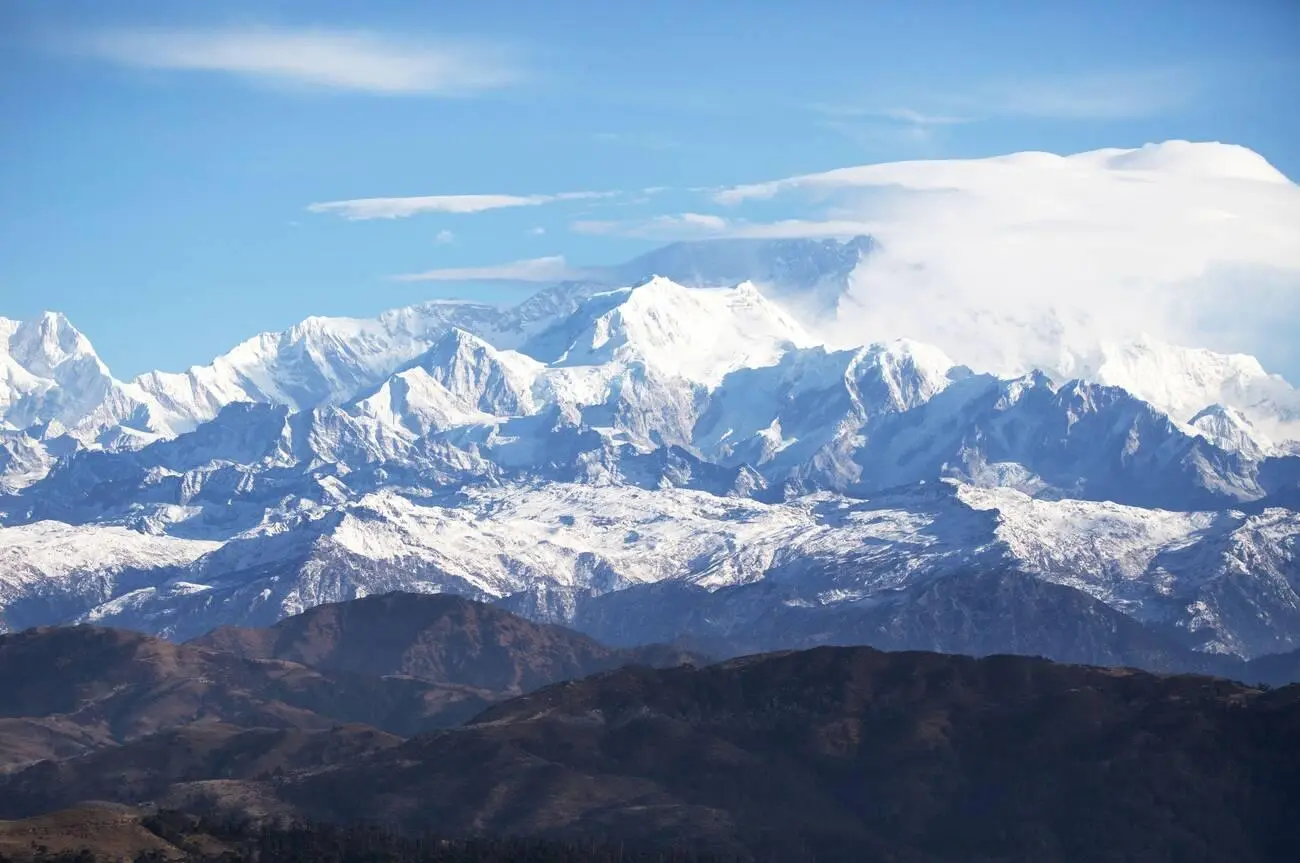
The Kanchenjunga Circuit Trek, offered by Adventure Family Treks and Expedition, is one of Nepal’s most remote and spectacular trekking routes. This trek circles the world’s third-highest mountain, Kanchenjunga (8,586m), situated in the eastern Himalayas. Unlike the more frequented Everest or Annapurna regions, this trek offers an off-the-beaten-path experience with pristine landscapes, authentic local cultures, and breathtaking mountain vistas. Trekkers pass through dense rhododendron forests, high-altitude meadows, and traditional Sherpa and Limbu villages, giving a rare glimpse into untouched Himalayan life.
The journey usually begins in Kathmandu, where travelers prepare for permits and flights to eastern Nepal, gradually ascending through lush valleys, terraced hills, and remote settlements. Key highlights include Ghunsa, Kambachen, Lonak, and the North Base Camp of Kanchenjunga, offering close-up views of the snow-capped peaks. This trek also incorporates acclimatization days to help trekkers adjust to high altitudes safely, ensuring a balanced mix of adventure and comfort. The Kanchenjunga Circuit is not just about trekking—it’s about immersing yourself in the serenity and majesty of the Himalayas while experiencing the warm hospitality of local communities.
Key Highlights:
The best time for the Kanchenjunga Circuit Trek is during the spring (March to May) and autumn (September to November) seasons. During spring, the region blooms with vibrant rhododendrons and wildflowers, creating stunning landscapes along the trekking routes. Temperatures are moderate, making trekking comfortable while providing clear mountain views. Autumn offers the clearest skies and the most stable weather conditions, which are ideal for photographers and trekkers aiming for uninterrupted mountain panoramas.
Winter trekking is generally not recommended because heavy snowfall can block trails, especially at high-altitude passes like Sele La. Summer (June to August) is the monsoon season, bringing heavy rainfall, slippery trails, and potential landslides, which can make trekking risky and less enjoyable. Therefore, spring and autumn remain the most reliable windows for trekking this circuit safely while enjoying optimal scenery and weather.
Season Overview:
The Kanchenjunga Circuit is considered a challenging trek, suitable for physically fit and moderately experienced trekkers. The route involves long days of trekking, steep ascents and descents, and high-altitude passes exceeding 4,200 meters. Proper acclimatization is crucial to prevent altitude sickness, with rest days strategically placed in locations like Ghunsa. Trekkers should be prepared for variable terrain including suspension bridges, rocky paths, and dense forest trails.
Transportation to the trek’s starting point involves a combination of flights and drives. Most trekkers fly from Kathmandu to Bhadrapur and then drive to Taplejung or Sekathum, where the trekking journey begins. The return route usually retraces part of the trail or descends to road-accessible areas like Ilam, followed by a flight back to Kathmandu. Adventure Family Treks and Expedition ensures safe transportation arrangements for all transfers and coordinates with local airlines and vehicles to provide a seamless experience.
Key Points:
Trekking in the Kanchenjunga region offers basic yet comfortable food and accommodation options. Lodges and teahouses along the trail provide hearty meals such as dal bhat (rice and lentils), noodles, soups, and local delicacies. While menu options may be limited in higher settlements like Lonak or Ramche, trekkers are assured of hot meals and tea/coffee, which are essential after long trekking days.
Accommodation primarily consists of simple teahouses or guesthouses with shared rooms and basic facilities. Showers may be limited, particularly at higher altitudes, but trekking staff often assist in providing hot water when available. Adventure Family Treks and Expedition carefully selects clean and safe lodging throughout the route, ensuring trekkers have rest stops that balance comfort with authentic local experiences.
Summary:
Trekking in the Kanchenjunga region requires special permits. Trekkers need the Kanchenjunga Conservation Area Permit (KCAP) and the Trekkers’ Information Management System (TIMS) card. These permits ensure responsible trekking practices, conservation of the region, and support local communities. Adventure Family Treks and Expedition assists in securing all necessary permits in Kathmandu, helping trekkers avoid bureaucratic delays.
Permit costs may vary depending on nationality and the trekking season. Additional fees may be required for local guides or porters, who are highly recommended for safety and navigation in this remote region. With permits in place, trekkers gain legal access to restricted areas, ensuring a smooth and hassle-free experience throughout the circuit.
Permit Details:
The Kanchenjunga Circuit Trek is ideal for trekkers seeking solitude, adventure, and authenticity. Unlike crowded trekking regions in Nepal, this trek allows travelers to explore unspoiled landscapes, rare flora and fauna, and vibrant cultural traditions. For photographers and nature enthusiasts, the journey offers breathtaking views of Kanchenjunga, Jannu, and other towering peaks, alongside encounters with Himalayan wildlife.
Choosing Adventure Family Treks and Expedition ensures a safe, well-organized, and enriching trekking experience. The company provides professional guides, porters, and personalized itineraries tailored to individual fitness levels and preferences. Beyond logistics, their expertise guarantees that trekkers immerse fully in local culture, cuisine, and landscapes, creating memories that last a lifetime. This trek is not just a physical journey—it’s a cultural, spiritual, and visual exploration of one of the Himalayas’ most majestic and hidden corners.
Reasons to Choose This Trek:
Today is dedicated to obtaining trekking permits, including the Kanchenjunga Restricted Area Permit and TIMS card, which are essential for the trek. Alongside permit formalities, the day also includes a sightseeing tour of Kathmandu’s cultural landmarks, such as the historic Swayambhunath Stupa, Pashupatinath Temple, and the medieval streets of Kathmandu Durbar Square. This day serves as a gentle introduction to Nepal’s rich culture and heritage while providing a chance to check your trekking gear and meet your fellow trekkers, ensuring a smooth start to your journey.
After an early breakfast, you will take a domestic flight from Kathmandu to Bhadrapur, a gateway town for eastern Nepal trekking. The flight offers aerial views of the lower Himalayan ranges and lush green Terai landscapes. Upon arrival, you will be transferred to a local hotel. Depending on your arrival time, you may explore Bhadrapur town, interact with locals, and prepare for the upcoming drive to Taplejung. This gentle descent in altitude allows your body to adjust and prepares you for the gradual climb over the coming days.
Today begins with a scenic drive from Bhadrapur to Taplejung, passing through lush tea gardens, dense forests, and rivers. The journey takes several hours and offers glimpses of local life in eastern Nepal’s remote villages. Taplejung, nestled at the foot of the Kanchenjunga region, is a vibrant market town and the last major settlement before entering the high Himalayas. On arrival, check into a local lodge and spend the evening organizing trekking essentials, meeting your trekking guides, and enjoying the fresh mountain air as you prepare for the first day of trekking.
The journey today involves a combination of jeep ride and exploration of rural villages as you move towards Sekathum, a picturesque village surrounded by terraced fields and traditional Lepcha and Limbu settlements. Along the way, you will witness the changing landscape as the road winds through forested hillsides and sparkling rivers. Sekathum is a quaint village that offers a perfect introduction to rural Himalayan life. In the evening, enjoy a warm meal with your trekking team and learn about local customs, providing a cultural immersion before the trekking truly begins.
Your trekking adventure officially begins today as you follow well-marked trails through dense forests, terraced fields, and bamboo groves. The gradual ascent leads you to Amjilasa, offering panoramic views of surrounding hills and glimpses of the Kanchenjunga peaks. The trail passes through charming villages where you can observe traditional lifestyles and interact with locals. Today’s trek is moderately challenging, helping your body acclimatize to higher altitudes while providing numerous opportunities for photography. After arriving at Amjilasa, relax at the teahouse, savoring local dishes and the serenity of the Himalayan landscape.
Continuing along the Kanchenjunga Circuit, today’s trek leads through lush rhododendron and oak forests while gradually ascending to Gyabla. You will cross several suspension bridges and streams, enjoying the sound of rushing water and birdsong. Villages along the route reflect the ethnic diversity of the region, offering a glimpse into the Lepcha and Sherpa way of life. Gyabla provides breathtaking mountain vistas, including distant views of Kanchenjunga’s eastern faces. Evenings are spent in cozy teahouses where trekkers can mingle, share stories, and prepare for the more demanding sections ahead.
Today’s trek takes you higher into the mountains, gradually approaching Ghunsa, one of the major villages in the Kanchenjunga region. The trail winds through rhododendron forests and terraced fields, offering spectacular views of snow-capped peaks. Ghunsa is a picturesque village with a rich cultural heritage, where you can observe traditional Buddhist monasteries and stone carvings. Reaching Ghunsa provides a sense of accomplishment as you gain significant altitude while acclimatizing. In the evening, enjoy a warm meal, engage with locals, and rest in preparation for the upcoming acclimatization and trekking days.
An important day for acclimatization, today you will explore the surrounding areas of Ghunsa. A short hike to Ghunsa Ree or nearby viewpoints allows your body to adjust to higher altitudes while offering spectacular vistas of Kanchenjunga and nearby peaks. This day also provides time to rest, hydrate, and experience local culture, including visits to monasteries and interacting with villagers. The acclimatization day helps prevent altitude sickness while allowing trekkers to take stunning photographs and immerse themselves in the serene Himalayan environment, building energy for the higher camps ahead.
Today is a challenging yet rewarding trek as you ascend through rugged trails, rocky terrain, and high alpine meadows to Kambachen. The trail offers increasingly panoramic views of Kanchenjunga and neighboring peaks, with opportunities to spot Himalayan wildlife. Kambachen serves as a major stopping point for trekkers heading towards the high base camps, providing essential teahouse facilities. Reaching this altitude marks a significant milestone, and the evening is spent resting, hydrating, and preparing for the trek to Lonak. The sunset over the peaks from Kambachen is often mesmerizing.
The trek today involves a steep climb through rocky paths, glaciers, and high-altitude meadows to reach Lonak, one of the highest points on the circuit. Trekkers experience stunning close-up views of Kanchenjunga North and other towering peaks. Due to the significant altitude gain, pacing and frequent breaks are essential. Lonak offers basic but warm accommodations in traditional teahouses. The surrounding environment feels pristine and remote, giving a sense of isolation in the high Himalayas. Evenings are quiet, ideal for reflection and acclimatization before the journey to the Kanchenjunga North Base Camp.
Today marks the pinnacle of your Kanchenjunga adventure as you trek to the North Base Camp, standing at 5143 meters. The trail traverses moraines, glaciers, and high alpine terrain, with sweeping vistas of Kanchenjunga’s majestic north face. This day requires strong stamina due to altitude and steep paths, but the reward is breathtaking views of pristine snowfields and glacial formations. Upon arrival, you can explore the base camp, take photographs, and feel the extraordinary accomplishment of standing in one of the most remote regions of the Himalayas.
After the awe-inspiring experience at the base camp, you begin your descent back to Ghunsa. Descending is easier physically but requires caution due to steep paths and loose rocks. Today’s trek allows reflection on your journey so far and an opportunity to enjoy panoramic views from different perspectives. As you approach Ghunsa, the environment becomes more forested, and the air warmer. Reaching Ghunsa is a welcome relief, and the village offers comfortable lodging for a restorative evening after the challenging high-altitude trekking.
The trek today ascends once again towards Sele La Camp, crossing high ridges and alpine terrain. The trail is dotted with small streams, prayer flags, and occasional yak herds. Trekkers are rewarded with spectacular views of Kanchenjunga and surrounding peaks from elevated vantage points. The camp provides basic accommodations, and the evening is spent preparing for the next day’s trek to Cheram. The crisp mountain air and stunning scenery make this day challenging yet incredibly rewarding for photography and nature appreciation.
Today, the trail descends gently towards Cheram, crossing high alpine meadows and glacial streams. Cheram is a small settlement offering insights into traditional high Himalayan life. The descent allows trekkers to relax muscles slightly while enjoying outstanding views of Kanchenjunga and surrounding peaks. The village is serene and quiet, with basic tea houses providing warmth and comfort. Evenings are perfect for reflection, journaling, and sharing trekking experiences with fellow adventurers, preparing for the next ascent to Ramche.
The trek today involves a steep ascent to Ramche, one of the more remote high camps in the circuit. The trail passes through rocky ridges, glaciers, and narrow passes, offering panoramic views of towering peaks and glacial valleys. Reaching Ramche provides a sense of accomplishment, as it is a less-traveled part of the Kanchenjunga region. The camp consists of rustic teahouses, and evenings are spent acclimatizing, resting, and enjoying the quiet majesty of the high Himalayas. The sky at night is particularly stunning due to minimal light pollution.
A short but rewarding trek takes you to Oktang Viewpoint, offering breathtaking views of Kanchenjunga’s eastern faces and surrounding glaciers. The viewpoint is an excellent spot for photography, capturing sunrise or snow-capped peaks. After enjoying the vistas, you return to Ramche for rest and acclimatization. This day allows both physical exertion and contemplative moments, appreciating the pristine beauty of one of the most remote areas in Nepal. Returning to Ramche ensures comfort and preparation for the longer descent in the coming days.
Today begins the gradual descent towards Tortang, moving through alpine meadows, ridges, and forested valleys. Descending allows your body to recover from high-altitude exertion while enjoying a change in scenery, including warmer weather and more vegetation. Tortang is a charming settlement that provides basic accommodation and a chance to interact with local communities. Evenings are spent resting and reflecting on the trek’s highlights, with stunning mountain views serving as a backdrop.
The trek continues descending through terraced fields, rivers, and small villages, finally reaching Sekathum. Today’s journey highlights rural life, traditional farming practices, and colorful landscapes. Reaching Sekathum is an emotional milestone, as it marks a return to lower altitudes and civilization after weeks in the high Himalayas. The village provides a comfortable stop with warm meals, showers, and the opportunity to celebrate the successful completion of the toughest sections of the trek with your team.
After trekking, you will drive from Sekathum to Ilam, known for its lush tea gardens and gentle rolling hills. Ilam offers a beautiful contrast to the rugged mountains, with a mild climate and green landscapes. The drive is scenic, passing through tea plantations, rivers, and charming villages. In Ilam, enjoy fresh tea, local cuisine, and interact with the friendly locals. The evening is leisurely, offering time to relax and rejuvenate after weeks of trekking, while reflecting on the journey through the Kanchenjunga Circuit.
Today begins with a scenic drive back to Bhadrapur, where you will take a domestic flight to Kathmandu. The flight offers aerial views of the lower Himalayas and lush Terai plains, giving one last glimpse of the landscapes traversed during the trek. Upon arrival in Kathmandu, transfer to your hotel and enjoy an evening of leisure. This is an ideal opportunity to shop for souvenirs, enjoy a celebratory dinner, and share stories with fellow trekkers while reflecting on the incredible adventure.
After breakfast, depending on your flight schedule, you will be transferred to Tribhuvan International Airport for your departure. With hearts full of memories, photographs, and experiences from the Kanchenjunga Circuit, you bid farewell to Nepal. This marks the conclusion of an unforgettable journey organized by Adventure Family Treks and Expedition, leaving you with the lasting impression of the Himalayas’ majesty, the warmth of local culture, and a deep sense of personal accomplishment.

Clothing
Handwear
Footwear
Gear
Miscellaneous
The best time for the Kanchenjunga Circuit Trek is during the pre-monsoon (March to May) and post-monsoon (late September to November) seasons. During these periods, the weather is stable, the skies are clear, and you get the best views of Kanchenjunga and the surrounding peaks. Adventure Family Treks and Expedition recommends avoiding the monsoon season due to heavy rainfall, leeches, and slippery trails. Winter months are extremely cold with heavy snowfall, making some parts inaccessible.
This trek is considered strenuous and is suitable for experienced trekkers or fit beginners who are comfortable with long days of walking at high altitudes. The itinerary involves trekking up to 5143 meters at the Kanchenjunga North Base Camp and several acclimatization days. Adventure Family Treks and Expedition ensures proper acclimatization days to minimize altitude sickness risks and provides guidance on pacing, hydration, and health precautions.
A moderate to high level of fitness is recommended. Trekkers should be comfortable walking 5–8 hours daily, often on steep and uneven terrain. Adventure Family Treks and Expedition suggests practicing cardio exercises, stair climbing, and carrying a backpack prior to departure to prepare your body for the demands of high-altitude trekking.
Yes, the Kanchenjunga Circuit is generally safe with proper preparation. Adventure Family Treks and Expedition ensures safety by providing experienced guides, porters, and first-aid equipment. The company monitors weather conditions and altitude-related risks, including potential altitude sickness, and adjusts itineraries if necessary. Trekkers are advised to follow the guide’s instructions at all times.
Altitude sickness can occur above 3,000 meters, and since the trek reaches 5143 meters, there is a risk. Adventure Family Treks and Expedition incorporates acclimatization days and gradual ascent profiles to reduce this risk. Guides are trained to recognize symptoms early and take immediate action, which may include descending or giving medical support. Proper hydration, pacing, and rest are essential.
Yes, trekking in the Kanchenjunga region requires multiple permits, including the Kanchenjunga Conservation Area Permit (KCAP) and TIMS (Trekkers’ Information Management System) card. Adventure Family Treks and Expedition handles all permit arrangements for trekkers in advance, ensuring a smooth and hassle-free experience without last-minute bureaucratic issues.
The complete Kanchenjunga Circuit Trek typically takes 22 days, including arrival in Kathmandu, domestic flights, drives, trekking days, rest days, and the final departure. The trek covers a range of altitudes from 91 meters in Bhadrapur to 5143 meters at Kanchenjunga North Base Camp. Adventure Family Treks and Expedition customizes itineraries to suit your pace, ensuring a comfortable and safe journey.
Yes, Adventure Family Treks and Expedition offers flexible trekking itineraries based on your preferences, fitness level, and schedule. Some trekkers may prefer shorter or longer treks, additional rest days, or alternative routes for scenic viewpoints. The company works closely with trekkers to ensure a personalized, memorable, and safe adventure while following local regulations and respecting the natural environment.
Accommodation on the Kanchenjunga Circuit Trek varies from basic tea houses to lodges in villages. While higher altitude areas may have simpler facilities with limited hot water, Adventure Family Treks and Expedition ensures comfortable stays wherever possible and arranges tents in more remote areas when needed. The company prioritizes cleanliness, safety, and local cultural experiences.
Trekkers should pack layers of warm clothing, waterproof jackets, trekking boots, gloves, hats, and sunglasses. Sleeping bags are essential for high-altitude nights. Adventure Family Treks and Expedition provides a detailed packing list and can arrange trekking gear rental in Kathmandu if needed, ensuring you are fully prepared for varying temperatures and weather conditions.