[{"name":"Everest Base Camp Trek","duration":"14","image_url":"https:\/\/www.adventurefamilytreks.com\/public\/storage\/trip-galleries\/1\/thumb_267f7609e190738f5789263f4581ee8c.webp","offer_price":1399,"url":"https:\/\/www.adventurefamilytreks.com\/public\/trips\/everest-base-camp-trek"},{"name":"Everest Three Passes Trek","duration":"18","image_url":"https:\/\/www.adventurefamilytreks.com\/public\/storage\/trip-galleries\/2\/thumb_0e53861c05eacf22be83d712ebc8262e.webp","offer_price":2549,"url":"https:\/\/www.adventurefamilytreks.com\/public\/trips\/everest-three-passes-trek"},{"name":"Gokyo Lake Trek","duration":"12","image_url":"https:\/\/www.adventurefamilytreks.com\/public\/storage\/trip-galleries\/3\/thumb_e391b4c86379cf4923fdf2c4b19c6627.webp","offer_price":1325,"url":"https:\/\/www.adventurefamilytreks.com\/public\/trips\/gokyo-lake-trek"},{"name":"Everest Panorama Trek","duration":"11","image_url":"https:\/\/www.adventurefamilytreks.com\/public\/storage\/trip-galleries\/4\/thumb_95bcd76d71f2ed77080cc7103aff9eee.webp","offer_price":1255,"url":"https:\/\/www.adventurefamilytreks.com\/public\/trips\/everest-panorama-trek"},{"name":"Annapurna Base Camp Trek","duration":"9","image_url":"https:\/\/www.adventurefamilytreks.com\/public\/storage\/trip-galleries\/5\/thumb_178547896b3136459b4f87627a3a3a6e.webp","offer_price":950,"url":"https:\/\/www.adventurefamilytreks.com\/public\/trips\/annapurna-base-camp-trek"},{"name":"Annapurna Circuit Trek","duration":"17","image_url":"https:\/\/www.adventurefamilytreks.com\/public\/storage\/trip-galleries\/6\/thumb_764d91bdecc6fe371510b4fe6759c5c1.webp","offer_price":1360,"url":"https:\/\/www.adventurefamilytreks.com\/public\/trips\/annapurna-circuit-trek"},{"name":"Ghorepani Poon Hill Trek","duration":"8","image_url":"https:\/\/www.adventurefamilytreks.com\/public\/storage\/trip-galleries\/7\/thumb_ac00562c98cb449924bab4c2a6127b2f.webp","offer_price":499,"url":"https:\/\/www.adventurefamilytreks.com\/public\/trips\/ghorepani-poon-hill-trek"},{"name":"Mardi Himal Trek","duration":"9","image_url":"https:\/\/www.adventurefamilytreks.com\/public\/storage\/trip-galleries\/8\/thumb_cfa64840203bfceedc7bc13315f48167.webp","offer_price":950,"url":"https:\/\/www.adventurefamilytreks.com\/public\/trips\/mardi-himal-trek"},{"name":"Manaslu Circuit Trek","duration":"16","image_url":"https:\/\/www.adventurefamilytreks.com\/public\/storage\/trip-galleries\/9\/thumb_25a43c369c14da548a5c1060511db8af.webp","offer_price":1350,"url":"https:\/\/www.adventurefamilytreks.com\/public\/trips\/manaslu-circuit-trek"},{"name":"Tsum Valley and Manaslu Circuit Trek","duration":"19","image_url":"https:\/\/www.adventurefamilytreks.com\/public\/storage\/trip-galleries\/10\/thumb_75785836f8c5b616ca1089209b5c9114.webp","offer_price":2395,"url":"https:\/\/www.adventurefamilytreks.com\/public\/trips\/tsum-valley-and-manaslu-circuit-trek"},{"name":"Langtang Valley Trek","duration":"10","image_url":"https:\/\/www.adventurefamilytreks.com\/public\/storage\/trip-galleries\/11\/thumb_45fec48f749f7de3de7796f7b990d9c6.webp","offer_price":950,"url":"https:\/\/www.adventurefamilytreks.com\/public\/trips\/langtang-valley-trek"},{"name":"Langtang Valley and Gosainkunda Trek","duration":"14","image_url":"https:\/\/www.adventurefamilytreks.com\/public\/storage\/trip-galleries\/12\/thumb_5a9fdc7afecc2a40e55de88b5fa91354.webp","offer_price":1090,"url":"https:\/\/www.adventurefamilytreks.com\/public\/trips\/langtang-valley-and-gosainkunda-trek"},{"name":"Langtang Gosaikunda and Helambu Trek","duration":"17","image_url":"https:\/\/www.adventurefamilytreks.com\/public\/storage\/trip-galleries\/13\/thumb_31bf05eceaad7335ecc7d6c1d4f82894.webp","offer_price":1105,"url":"https:\/\/www.adventurefamilytreks.com\/public\/trips\/langtang-gosaikunda-and-helambu-trek"},{"name":"Tamang Heritage Trail Trek","duration":"10","image_url":"https:\/\/www.adventurefamilytreks.com\/public\/storage\/trip-galleries\/14\/thumb_e2111974173f92e4b73dfd6cb0a71028.webp","offer_price":795,"url":"https:\/\/www.adventurefamilytreks.com\/public\/trips\/tamang-heritage-trail-trek"},{"name":"Lower Mustang Trek","duration":"10","image_url":"https:\/\/www.adventurefamilytreks.com\/public\/storage\/trip-galleries\/15\/thumb_0331ace1dc2a0b2ce5cd70ef9d111a0c.webp","offer_price":1085,"url":"https:\/\/www.adventurefamilytreks.com\/public\/trips\/lower-mustang-trek"},{"name":"Upper Mustang Overland Tour","duration":"12","image_url":"https:\/\/www.adventurefamilytreks.com\/public\/storage\/trip-galleries\/16\/thumb_6efa991d81256b1e2bdc4c7697d75b76.webp","offer_price":1470,"url":"https:\/\/www.adventurefamilytreks.com\/public\/trips\/upper-mustang-overland-tour"},{"name":"Upper Mustang Trek","duration":"16","image_url":"https:\/\/www.adventurefamilytreks.com\/public\/storage\/trip-galleries\/17\/thumb_ef4cc4eabad957d6fce177afa2467fda.webp","offer_price":1749,"url":"https:\/\/www.adventurefamilytreks.com\/public\/trips\/upper-mustang-trek"},{"name":"Jomsom Muktinath Trekking","duration":"7","image_url":"https:\/\/www.adventurefamilytreks.com\/public\/storage\/trip-galleries\/18\/thumb_459abc824710ec143d3d1b4ac4e9ca2f.webp","offer_price":880,"url":"https:\/\/www.adventurefamilytreks.com\/public\/trips\/jomsom-muktinath-trekking"},{"name":"Everest Base Camp Trek via Gokyo Lake","duration":"18","image_url":"https:\/\/www.adventurefamilytreks.com\/public\/storage\/trip-galleries\/19\/thumb_ed0cd8e82d19354d7648f4567d292ea4.webp","offer_price":1550,"url":"https:\/\/www.adventurefamilytreks.com\/public\/trips\/everest-base-camp-trek-via-gokyo-lake"},{"name":"Pikey Peak Trek","duration":"11","image_url":"https:\/\/www.adventurefamilytreks.com\/public\/storage\/trip-galleries\/20\/thumb_f6c4c9d7fa961381a7ebb39b261ad479.webp","offer_price":795,"url":"https:\/\/www.adventurefamilytreks.com\/public\/trips\/pikey-peak-trek"},{"name":"Annapurna Circuit with Tilicho Lake Trek","duration":"18","image_url":"https:\/\/www.adventurefamilytreks.com\/public\/storage\/trip-galleries\/21\/thumb_42f46fd430bcd10b82b08fa84172a695.webp","offer_price":1420,"url":"https:\/\/www.adventurefamilytreks.com\/public\/trips\/annapurna-circuit-with-tilicho-lake-trek"},{"name":"Kanchenjunga Circuit Trek","duration":"22","image_url":"https:\/\/www.adventurefamilytreks.com\/public\/storage\/trip-galleries\/22\/thumb_57b4698a87bd68798f3b8d19bda7c051.webp","offer_price":2755,"url":"https:\/\/www.adventurefamilytreks.com\/public\/trips\/kanchenjunga-circuit-trek"},{"name":"Lower Dolpo Trek","duration":"18","image_url":"https:\/\/www.adventurefamilytreks.com\/public\/storage\/trip-galleries\/23\/thumb_5f44bdb1e3a48466c738966e98116a90.webp","offer_price":2395,"url":"https:\/\/www.adventurefamilytreks.com\/public\/trips\/lower-dolpo-trek"},{"name":"Upper Dolpo Trek","duration":"24","image_url":"https:\/\/www.adventurefamilytreks.com\/public\/storage\/trip-galleries\/24\/thumb_358dce4b51923768bd638a409a6a2d65.webp","offer_price":3140,"url":"https:\/\/www.adventurefamilytreks.com\/public\/trips\/upper-dolpo-trek"},{"name":"Rara Lake Trek","duration":"15","image_url":"https:\/\/www.adventurefamilytreks.com\/public\/storage\/trip-galleries\/25\/thumb_eb5f3d47ec26a85d1c6df91a05a9d152.webp","offer_price":2299,"url":"https:\/\/www.adventurefamilytreks.com\/public\/trips\/rara-lake-trek"},{"name":"Kathmandu Pokhara Lumbini Chitwan Tour","duration":"10","image_url":"https:\/\/www.adventurefamilytreks.com\/public\/storage\/trip-galleries\/26\/thumb_de043396bb4ce7cea6902ddf4e59a9fe.webp","offer_price":1155,"url":"https:\/\/www.adventurefamilytreks.com\/public\/trips\/kathmandu-pokhara-lumbini-chitwan-tour"},{"name":"Kathmandu Pokhara Lumbini Tour","duration":"8","image_url":"https:\/\/www.adventurefamilytreks.com\/public\/storage\/trip-galleries\/27\/thumb_a73a2b91734ef7fd18d9e3b8b4b250c3.webp","offer_price":1070,"url":"https:\/\/www.adventurefamilytreks.com\/public\/trips\/kathmandu-pokhara-lumbini-tour"},{"name":"Kathmandu Pokhara Chitwan Tour","duration":"8","image_url":"https:\/\/www.adventurefamilytreks.com\/public\/storage\/trip-galleries\/28\/thumb_711054ccb4283af4b1b972714e4a5f41.webp","offer_price":1040,"url":"https:\/\/www.adventurefamilytreks.com\/public\/trips\/kathmandu-pokhara-chitwan-tour"},{"name":"Kathmandu Pokhara Tour","duration":"7","image_url":"https:\/\/www.adventurefamilytreks.com\/public\/storage\/trip-galleries\/29\/thumb_013e25b67e0e0dc65a0bade481e76896.webp","offer_price":890,"url":"https:\/\/www.adventurefamilytreks.com\/public\/trips\/kathmandu-pokhara-tour"},{"name":"Kathmandu Chitwan Tour","duration":"6","image_url":"https:\/\/www.adventurefamilytreks.com\/public\/storage\/trip-galleries\/30\/thumb_019a401ba1cb7c3b960009367df3e163.webp","offer_price":790,"url":"https:\/\/www.adventurefamilytreks.com\/public\/trips\/kathmandu-chitwan-tour"},{"name":"Nepal Highlight Tour","duration":"10","image_url":"https:\/\/www.adventurefamilytreks.com\/public\/storage\/trip-galleries\/31\/thumb_c3749ca10c1940ae9943c8fecc621e75.webp","offer_price":1340,"url":"https:\/\/www.adventurefamilytreks.com\/public\/trips\/nepal-highlight-tour"},{"name":"Nagarkot Sunrise View and Changunarayan Hike","duration":"1","image_url":"https:\/\/www.adventurefamilytreks.com\/public\/storage\/trip-galleries\/32\/thumb_8a77f44e597a8e0499b9ce0e21f53634.webp","offer_price":75,"url":"https:\/\/www.adventurefamilytreks.com\/public\/trips\/nagarkot-sunrise-view-and-changunarayan-hike"},{"name":"Chitwan Jungle Safari Tour","duration":"3","image_url":"https:\/\/www.adventurefamilytreks.com\/public\/storage\/trip-galleries\/33\/thumb_bca35529a62e84527dfc1e699e7edffb.webp","offer_price":305,"url":"https:\/\/www.adventurefamilytreks.com\/public\/trips\/chitwan-jungle-safari-tour"},{"name":"Chitwan Wildlife Adventure Tour","duration":"4","image_url":"https:\/\/www.adventurefamilytreks.com\/public\/storage\/trip-galleries\/34\/thumb_9fb0d6f7644726d75597b3080333d378.webp","offer_price":445,"url":"https:\/\/www.adventurefamilytreks.com\/public\/trips\/chitwan-wildlife-adventure-tour"},{"name":"Bardia National Park Tour","duration":"7","image_url":"https:\/\/www.adventurefamilytreks.com\/public\/storage\/trip-galleries\/35\/thumb_0c1f6dd7e950d1aa9a8cac473953f4b1.webp","offer_price":945,"url":"https:\/\/www.adventurefamilytreks.com\/public\/trips\/bardia-national-park-tour"},{"name":"Hindu Pilgrimage Tour in Nepal","duration":"10","image_url":"https:\/\/www.adventurefamilytreks.com\/public\/storage\/trip-galleries\/36\/thumb_476a3de7ae7d6d2bc5ff518dcddbde33.webp","offer_price":1455,"url":"https:\/\/www.adventurefamilytreks.com\/public\/trips\/hindu-pilgrimage-tour-in-nepal"},{"name":"Buddhist Pilgrimage Tour in Nepal","duration":"8","image_url":"https:\/\/www.adventurefamilytreks.com\/public\/storage\/trip-galleries\/37\/thumb_b0d4276fe307d8ae8be112a481af8f03.webp","offer_price":1050,"url":"https:\/\/www.adventurefamilytreks.com\/public\/trips\/buddhist-pilgrimage-tour-in-nepal"},{"name":"Rara Lake Tour","duration":"9","image_url":"https:\/\/www.adventurefamilytreks.com\/public\/storage\/trip-galleries\/38\/thumb_60fb6ddcc9c7c7cd5ace271c7c8f505b.webp","offer_price":1895,"url":"https:\/\/www.adventurefamilytreks.com\/public\/trips\/rara-lake-tour"},{"name":"Kathmandu Sightseeing Tour","duration":"1","image_url":"https:\/\/www.adventurefamilytreks.com\/public\/storage\/trip-galleries\/39\/thumb_2bb48f23851d0c66d8621872b3cf557c.webp","offer_price":50,"url":"https:\/\/www.adventurefamilytreks.com\/public\/trips\/kathmandu-sightseeing-tour"},{"name":"Everest Base Camp Heli Tour","duration":"1","image_url":"https:\/\/www.adventurefamilytreks.com\/public\/storage\/trip-galleries\/40\/thumb_7b8742eecb74aa7162dd5fd5171ec4e5.webp","offer_price":1435,"url":"https:\/\/www.adventurefamilytreks.com\/public\/trips\/everest-base-camp-heli-tour"},{"name":"Annapurna Base Camp Heli Tour","duration":"1","image_url":"https:\/\/www.adventurefamilytreks.com\/public\/storage\/trip-galleries\/41\/thumb_6e6ff98ec81da8fa61da935637f3c219.webp","offer_price":830,"url":"https:\/\/www.adventurefamilytreks.com\/public\/trips\/annapurna-base-camp-heli-tour"},{"name":"Trishuli River Rafting","duration":"1","image_url":"https:\/\/www.adventurefamilytreks.com\/public\/storage\/trip-galleries\/42\/thumb_e656b3999f28167b8bffb437ad918740.webp","offer_price":65,"url":"https:\/\/www.adventurefamilytreks.com\/public\/trips\/trishuli-river-rafting"},{"name":"Bhote Koshi Bungee Jumping","duration":"1","image_url":"https:\/\/www.adventurefamilytreks.com\/public\/storage\/trip-galleries\/43\/thumb_af71f5edbeff20a6327a3bf0380cacc2.webp","offer_price":235,"url":"https:\/\/www.adventurefamilytreks.com\/public\/trips\/bhote-koshi-bungee-jumping"},{"name":"Paragliding in Pokhara","duration":"1","image_url":"https:\/\/www.adventurefamilytreks.com\/public\/storage\/trip-galleries\/44\/thumb_8a419c3b30480c7e9743cc151538b363.webp","offer_price":70,"url":"https:\/\/www.adventurefamilytreks.com\/public\/trips\/paragliding-in-pokhara"},{"name":"Mera Peak Climbing","duration":"18","image_url":"https:\/\/www.adventurefamilytreks.com\/public\/storage\/trip-galleries\/45\/thumb_183ba6fe9e41d06d63baee8fdf5bea1f.webp","offer_price":2625,"url":"https:\/\/www.adventurefamilytreks.com\/public\/trips\/mera-peak-climbing"},{"name":"Island Peak Climbing","duration":"18","image_url":"https:\/\/www.adventurefamilytreks.com\/public\/storage\/trip-galleries\/46\/thumb_eaef9ff982186ea8a11e136e1fb7983e.webp","offer_price":2210,"url":"https:\/\/www.adventurefamilytreks.com\/public\/trips\/island-peak-climbing"},{"name":"Lobuche Peak Climbing","duration":"17","image_url":"https:\/\/www.adventurefamilytreks.com\/img\/default.gif","offer_price":2250,"url":"https:\/\/www.adventurefamilytreks.com\/public\/trips\/lobuche-peak-climbing"},{"name":"Pisang Peak Climbing","duration":"17","image_url":"https:\/\/www.adventurefamilytreks.com\/img\/default.gif","offer_price":2150,"url":"https:\/\/www.adventurefamilytreks.com\/public\/trips\/pisang-peak-climbing"},{"name":"Tibet Lhasa Tour","duration":"8","image_url":"https:\/\/www.adventurefamilytreks.com\/public\/storage\/trip-galleries\/49\/thumb_b98422dd8eb5c47c26c54f8ee0d73f08.webp","offer_price":2275,"url":"https:\/\/www.adventurefamilytreks.com\/public\/trips\/tibet-lhasa-tour"},{"name":"Kailash Mansarovar Overland Yatra","duration":"13","image_url":"https:\/\/www.adventurefamilytreks.com\/public\/storage\/trip-galleries\/50\/thumb_07faf7a76a0c1cd05cdc5dbac1fe104d.webp","offer_price":2550,"url":"https:\/\/www.adventurefamilytreks.com\/public\/trips\/kailash-mansarovar-overland-yatra"},{"name":"Best Bhutan Tour","duration":"9","image_url":"https:\/\/www.adventurefamilytreks.com\/public\/storage\/trip-galleries\/51\/thumb_4d3c108e80aadaf9f7869b7d58146e69.webp","offer_price":2355,"url":"https:\/\/www.adventurefamilytreks.com\/public\/trips\/best-bhutan-tour"},{"name":"Bhutan Tour from Nepal","duration":"13","image_url":"https:\/\/www.adventurefamilytreks.com\/public\/storage\/trip-galleries\/52\/thumb_6cbc3ac907f7b9f2f04c1142d69f9a8e.webp","offer_price":2585,"url":"https:\/\/www.adventurefamilytreks.com\/public\/trips\/bhutan-tour-from-nepal"},{"name":"Best Of Bhutan Tour","duration":"5","image_url":"https:\/\/www.adventurefamilytreks.com\/public\/storage\/trip-galleries\/53\/thumb_5d8bf7a8e09f0e322ea04ec257fc58b5.webp","offer_price":1785,"url":"https:\/\/www.adventurefamilytreks.com\/public\/trips\/best-of-bhutan-tour"},{"name":"Bhutan Cultural Tour-6 Days","duration":"6","image_url":"https:\/\/www.adventurefamilytreks.com\/public\/storage\/trip-galleries\/55\/thumb_0cf6ea9c199c83529e1ec4f7f9e3ef1e.webp","offer_price":2195,"url":"https:\/\/www.adventurefamilytreks.com\/public\/trips\/bhutan-cultural-tour-6-days"},{"name":"Incredible Bhutan Tour","duration":"8","image_url":"https:\/\/www.adventurefamilytreks.com\/public\/storage\/trip-galleries\/56\/thumb_e85bdd981c795f54d0d8b637fcef4c57.webp","offer_price":2450,"url":"https:\/\/www.adventurefamilytreks.com\/public\/trips\/incredible-bhutan-tour"},{"name":"Kailash Mansarovar Inner Kora","duration":"15","image_url":"https:\/\/www.adventurefamilytreks.com\/img\/default.gif","offer_price":2650,"url":"https:\/\/www.adventurefamilytreks.com\/public\/trips\/kailash-mansarovar-inner-kora"},{"name":"Best of Tibet Tours","duration":"13","image_url":"https:\/\/www.adventurefamilytreks.com\/public\/storage\/trip-galleries\/58\/thumb_8ae3f9dda6019a9584ad2a5b85c31941.webp","offer_price":3265,"url":"https:\/\/www.adventurefamilytreks.com\/public\/trips\/best-of-tibet-tours"},{"name":"Kailash Mansarovar Yatra via Lhasa","duration":"13","image_url":"https:\/\/www.adventurefamilytreks.com\/public\/storage\/trip-galleries\/59\/thumb_bd177e3aa1a94da0b224d8d74d828e2c.webp","offer_price":3130,"url":"https:\/\/www.adventurefamilytreks.com\/public\/trips\/kailash-mansarovar-yatra-via-lhasa"},{"name":"Damodar Kunda Yatra","duration":"10","image_url":"https:\/\/www.adventurefamilytreks.com\/public\/storage\/trip-galleries\/60\/thumb_15fb4316d3c4850cd146a104255a3c49.webp","offer_price":1599,"url":"https:\/\/www.adventurefamilytreks.com\/public\/trips\/damodar-kunda-yatra"}]
Exploring on the Everest Base Camp Trek with Adventure Family Treks and Expedition is more than just a physical journey—it's a transformative adventure into the heart of the Himalayas. This legendary trek brings you face-to-face with some of the tallest peaks on Earth, including the mighty Mount Everest (Sagarmatha), standing proud at 8,848 meters. The trail takes you through the majestic Khumbu Valley, home to breathtaking scenery, vibrant Sherpa culture, ancient monasteries, and hospitable mountain communities. Each day of the trek reveals new vistas—snow-capped peaks, glacial rivers, and rhododendron forests that seem untouched by time.
But beyond the scenery, the Everest Base Camp Trek is about endurance, connection, and awe. The route, typically 12 to 14 days, reaches an altitude of 5,364 meters at the base camp. The journey demands physical stamina and mental resilience, but the reward is incomparable. Trekking with Adventure Family Treks and Expedition, you gain not just a guide but a team of experienced professionals deeply connected with the region. You’ll be fully supported every step of the way with safety, logistics, and comfort top-of-mind. Whether you're a seasoned trekker or a first-time high-altitude explorer, expect a meticulously planned, culturally immersive experience that redefines adventure. From tea-house stays to panoramic Himalayan sunrises, the Everest Base Camp Trek offers memories that will last a lifetime.
Introduction: Why Trek to Everest Base Camp?
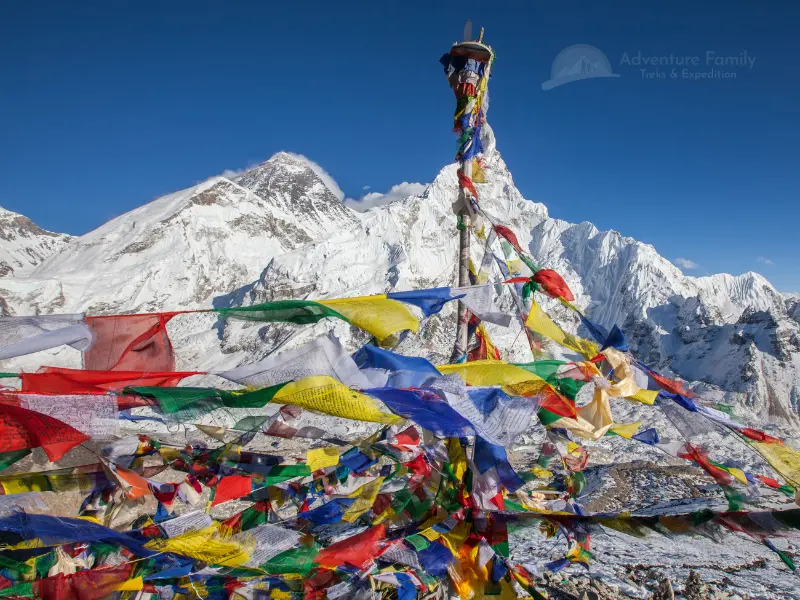
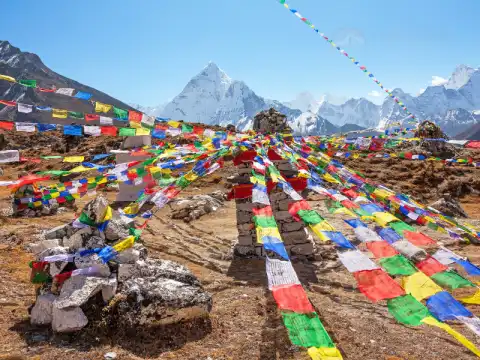
The Everest Base Camp Trek has long held a sacred place in the hearts of adventurers around the world. This iconic trek offers more than just a glimpse of Everest—it offers a deeply personal encounter with the Himalayas, the Sherpa people, and the rich traditions that make this region so captivating. For many, it's a dream that symbolizes the ultimate challenge and a tribute to human spirit and exploration. But beyond the towering presence of Everest, the trek is a journey into the soul of Nepal. As you walk the ancient trails, you’ll pass through prayer-flag-lined paths, centuries-old monasteries, and villages where tradition still shapes daily life.
Choosing to trek with Adventure Family Treks and Expedition ensures you experience the trail with authenticity, safety, and respect for local culture. Their expert guides, many of whom are native to the Khumbu region, provide invaluable insights into Sherpa customs, Buddhist traditions, and the natural history of the Himalayas. With every step, you connect not just with nature, but with stories of resilience, spirituality, and community. Whether you’re drawn by the call of Everest, the allure of the world's most famous trekking route, or the inner quest for challenge and self-discovery, the Everest Base Camp Trek offers a compelling reason to explore—and Adventure Family Treks and Expedition makes that journey unforgettable.
When is the Best Time to Go?
Timing your Everest Base Camp Trek is crucial for maximizing the experience, and understanding Nepal’s distinct seasons helps in planning the perfect adventure. The two most popular windows for trekking are spring (March to May) and autumn (late September to November). During these months, the weather is relatively stable, skies are clear, and temperatures are manageable. In spring, the trails are adorned with blooming rhododendrons and mountain flora, while autumn offers crystal-clear views and post-monsoon freshness in the air. These seasons also offer the best chances for a successful and safe trek, as snow is less likely to disrupt higher-altitude trails.
However, each season brings its own charm and considerations. Winter (December to February) sees fewer trekkers and offers solitude and peace—but frigid temperatures and snow-covered passes can make the journey more challenging. The monsoon season (June to early September), although lush and less crowded, poses risks like landslides, flight delays, and leeches along the lower trails. That said, Adventure Family Treks and Expedition helps you navigate these choices with expert planning, weather tracking, and guidance on gear and preparation. Their deep understanding of seasonal variations ensures that your trek is scheduled during a time that balances safety, scenery, and personal preference. Whether you prefer the lively trails of spring or the serene paths of early winter, your Everest Base Camp experience can be tailor-made to suit your ideal conditions.
Getting There: From Kathmandu to Lukla
The gateway to the Everest Base Camp Trek is the small mountain town of Lukla, accessible primarily by a dramatic 30-minute flight from Kathmandu. Known as one of the most thrilling air journeys in the world, the flight to Lukla offers heart-stopping views of the Himalayan range and a landing at Tenzing-Hillary Airport—a short runway perched on a mountainside at 2,860 meters. For many trekkers, this flight marks the official start of the adventure. While exciting, it requires flexibility and patience, as weather conditions can affect schedules. Flights are often early morning departures to avoid afternoon cloud buildup, and Adventure Family Treks and Expedition handles all the logistics, ensuring smooth coordination and safety.
In recent years, due to congestion at Kathmandu’s Tribhuvan International Airport and frequent weather disruptions, many flights have shifted to depart from Ramechhap Airport—a 4-5 hour drive from Kathmandu. Though this adds a bit more travel time, Adventure Family Treks and Expedition ensures comfortable ground transport and seamless transitions, minimizing stress for trekkers. Whether flying from Kathmandu or Ramechhap, the approach to Lukla is nothing short of exhilarating. Upon arrival, trekkers are greeted by crisp mountain air, rugged peaks, and the unmistakable energy of the Himalayas. From here, the trail begins, winding through forested ridges, suspension bridges, and Sherpa villages. The journey to Lukla is a reminder that every part of the Everest trek is an adventure—and with the right team, it’s one you can embrace with confidence.
Trek Itinerary Overview: Day-by-Day Highlights
The Everest Base Camp Trek unfolds over a well-paced 12- to 14-day itinerary, allowing trekkers to gradually ascend into the heart of the Himalayas while adjusting to the altitude. With Adventure Family Treks and Expedition, every step of the journey is carefully planned to maximize scenic beauty, cultural immersion, and physical safety. Your adventure begins with a dramatic flight to Lukla (2,860m), the gateway to the Khumbu region. From there, the first few days involve trekking through lush pine forests and crossing suspension bridges to reach Namche Bazaar (3,440m), the bustling Sherpa town and trading hub. This is also where trekkers spend their first acclimatization day—crucial for adjusting to the thinner air.
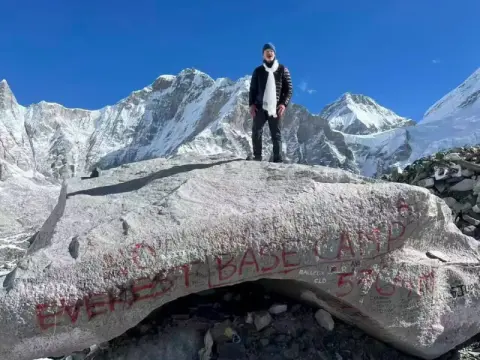
As the journey continues, each day brings higher elevations and more stunning panoramas. You’ll pass iconic stops like Tengboche Monastery (3,867m), where prayer flags flutter in the wind against a backdrop of Everest, Ama Dablam, and Thamserku. Further on, Dingboche (4,410m) and Lobuche (4,910m) prepare your body for the final push to base camp. The highlight, of course, is reaching Everest Base Camp (5,364m)—a dream realized as you stand at the foot of the world’s highest peak. On the descent, a hike to Kala Patthar (5,545m) offers perhaps the best panoramic view of Everest at sunrise. Each stop is more than just a waypoint—it’s a chance to connect with nature, locals, and fellow trekkers. With expert guidance from Adventure Family Treks and Expedition, every day is an unforgettable chapter in a story of perseverance, awe, and discovery.
Accommodation and Food on the Trail
Despite trekking through one of the world’s most remote regions, the Everest Base Camp route is well-supported with a network of teahouses—local lodges that provide meals and accommodation to trekkers. While comfort levels vary, Adventure Family Treks and Expedition partners with clean, reliable teahouses offering the best options in each village. Most teahouses provide twin rooms with shared bathrooms, basic bedding, and communal dining areas where warmth and camaraderie flourish after a day’s trek. As you ascend, facilities become more basic due to remoteness, but the simplicity of mountain life is part of the charm.
When it comes to food, trekkers can expect a variety of options, though mostly carb-rich meals designed to fuel your journey. Traditional Nepali dal bhat (lentils, rice, and vegetable curry) is a staple, known for its endless refills and nutritional value. Menus also include pasta, fried rice, Tibetan bread, soups, and occasionally western dishes like pancakes or spaghetti. While meat is available in lower elevations, Adventure Family Treks and Expedition advises eating vegetarian above Namche Bazaar, as meat is carried in without refrigeration. Hot drinks like ginger tea, lemon honey tea, and coffee are widely available and help with hydration in the dry mountain air. The company also ensures dietary needs are communicated in advance and helps you make wise choices that support acclimatization and energy. In a place where luxuries are limited, hearty food and warm hospitality become part of the unforgettable trekking experience.
Physical Fitness and Training Tips
The Everest Base Camp Trek is accessible to anyone with determination and preparation, but it’s not a walk in the park. The trail involves long days of hiking—often 5 to 8 hours a day—with frequent ascents and descents, some at altitudes over 5,000 meters. While technical climbing skills aren’t required, good cardiovascular endurance, muscular strength, and mental resilience are essential. With Adventure Family Treks and Expedition, you’re supported by experienced guides and a carefully paced itinerary, but your preparation beforehand plays a critical role in how enjoyable and successful your trek will be.
A solid training program should begin at least 8 to 12 weeks before departure. Focus on aerobic exercises such as hiking, walking on inclined terrain, running, cycling, or stair climbing to build endurance. Add strength training to target your legs, core, and back—especially since you’ll be carrying a daypack. Simulate trekking conditions by doing long weekend hikes with a loaded backpack, ideally on trails with elevation gain. Flexibility and balance training, like yoga, can also be beneficial. Equally important is mental preparation: be ready for the physical strain, basic amenities, and altitude-related discomfort. Adventure Family Treks and Expedition offers pre-trip consultations and training advice, helping you enter the Himalayas with confidence. Their professional team ensures that once you're on the trail, your pace is supported, your health is monitored, and your goals are within reach.
Altitude and Acclimatization: Staying Safe
One of the most critical aspects of the Everest Base Camp Trek is adjusting to high altitude, where oxygen levels drop significantly. Trekking above 3,000 meters introduces the risk of Altitude Mountain Sickness (AMS), which can affect anyone regardless of fitness level. Symptoms like headache, nausea, fatigue, and shortness of breath are common, especially if your body doesn’t have time to adapt. That’s why Adventure Family Treks and Expedition prioritizes a gradual ascent and builds acclimatization days into the itinerary—usually in Namche Bazaar (3,440m) and Dingboche (4,410m)—to give your body the best chance to adjust.
Understanding the signs of altitude sickness and responding appropriately can mean the difference between a successful trek and a dangerous one. The professional guides at Adventure Family Treks and Expedition are trained in altitude safety, first aid, and emergency response. They monitor your health daily, ensuring that symptoms are caught early and managed appropriately. They also advise on hydration, diet, pacing, and medication like Diamox, which can aid in acclimatization. Trekking with an experienced company means you’re not alone in assessing your condition or making tough decisions—such as whether to descend if needed. With the right precautions, most trekkers complete the journey without serious issues. Acclimatization isn’t just a safety protocol; it’s a built-in time to enjoy the landscape, absorb the culture, and allow your body to grow stronger before pushing to greater heights. With the right strategy and support, you’ll stand at base camp feeling healthy, proud, and exhilarated.
What to Pack for the EBC Trek
Packing smart is crucial for the Everest Base Camp Trek. The right gear can be the difference between a comfortable, enjoyable trek and a challenging one. With the help of Adventure Family Treks and Expedition, you’ll receive a detailed packing checklist customized to the season and your specific itinerary. The goal is to travel light but prepared, as you’ll be carrying a daypack while porters handle the heavier loads. Weather in the Himalayas is highly variable, so layered clothing is essential. This includes a moisture-wicking base layer, an insulating mid-layer (like a fleece or down jacket), and a waterproof, wind-resistant outer shell. Warm hats, gloves, trekking pants, and thermal underwear are also vital, especially for colder nights at higher altitudes.
Sturdy, broken-in hiking boots, a few pairs of good-quality socks, and trekking poles are highly recommended. Sunglasses with UV protection, sunscreen, and lip balm are must-haves to protect against intense mountain sun. For overnight stays, a sleeping bag rated to -10°C or lower is ideal, though many teahouses provide blankets. A basic first-aid kit, headlamp, water purification tablets or filters, quick-dry towel, and personal hygiene items should be included. Don’t forget your documents: passport, several passport-sized photos, travel insurance that covers high-altitude trekking, and your permits, which Adventure Family Treks and Expedition will help organize. Keeping gear organized in waterproof stuff sacks or packing cubes is helpful, and having a few energy bars or snacks for the trail is always a good idea. With thoughtful preparation and expert guidance, you’ll be well-equipped for the challenges and beauty of the EBC trail.
Costs and Permits: Budgeting for the Trek
Understanding the costs and necessary permits for the Everest Base Camp Trek helps you budget wisely and avoid surprises. While prices can vary based on services, season, and preferences, trekking with Adventure Family Treks and Expedition offers a transparent and inclusive approach. A well-organized trek typically ranges from $1,300 to $2,000 USD, depending on group size and additional services. This price often includes domestic flights (Kathmandu–Lukla round trip), accommodation, meals on the trail, a licensed guide, porter service, permits, and transportation.
Two main permits are required for the EBC trek: the Sagarmatha National Park Entry Permit (around NPR 3,000) and the Khumbu Pasang Lhamu Rural Municipality Permit (NPR 2,000). Both are mandatory and checked at multiple points along the trail. Adventure Family Treks and Expedition handles the paperwork, sparing you the hassle. Optional costs include renting gear in Kathmandu, purchasing snacks or extra beverages on the trail, charging electronics, hot showers, and tipping your guide and porters (a common and appreciated practice). It's wise to carry Nepali rupees in cash, as ATMs are scarce and unreliable beyond Namche Bazaar. Travel insurance covering emergency evacuation and high-altitude trekking is a non-negotiable must.
By trekking with Adventure Family Treks and Expedition, you not only get fair pricing but also gain peace of mind. Their long-standing reputation and transparent policies ensure there are no hidden fees, just quality service and unforgettable experiences, all within your budget.
Culture and Etiquette in the Khumbu Region
The Khumbu region isn’t just home to the world’s highest peaks—it’s a living, breathing center of Sherpa culture, spirituality, and Himalayan hospitality. Trekking through this area with Adventure Family Treks and Expedition gives you a front-row seat to centuries-old traditions, Buddhist heritage, and a way of life shaped by resilience and respect for nature. The Sherpa people are known worldwide for their mountaineering prowess, but their cultural depth goes far beyond that. You’ll pass colorful mani walls, prayer wheels, and stupas, all integral to local beliefs. Monasteries like Tengboche offer insight into Tibetan Buddhism, where daily rituals, chants, and festivals bring spiritual life to the fore.
Understanding and respecting local etiquette is key to a positive cultural exchange. Always walk clockwise around religious monuments, don’t step over prayer stones or flags, and ask for permission before photographing people. Dress modestly—even though trekking attire is practical, covering shoulders and avoiding tight or revealing clothing is appreciated in villages and religious sites. Greeting locals with a respectful “Namaste” and a smile goes a long way. Adventure Family Treks and Expedition fosters cultural sensitivity by briefing trekkers about local customs and arranging meaningful encounters, such as tea in a Sherpa home or participation in a village puja.
Engaging with Khumbu’s culture isn’t just respectful—it enriches your journey. It turns a trek into an experience of human connection, reminding you that the Himalayas are not just landscapes, but lived-in lands, full of stories, spirit, and soul.
Wildlife and Scenery to Look Out For
The Everest Base Camp Trek offers a front-row seat to some of the most stunning natural beauty on Earth. From the soaring peaks of Everest, Lhotse, and Ama Dablam, to deep gorges and ancient glaciers, the landscape transforms each day. The Sagarmatha National Park, a UNESCO World Heritage Site, is rich in biodiversity and scenic wonder. With Adventure Family Treks and Expedition, you’ll be guided through terrain that moves from rhododendron forests in the lower valleys to alpine deserts at higher elevations. The dramatic changes in landscape also mean a diverse range of flora and fauna.
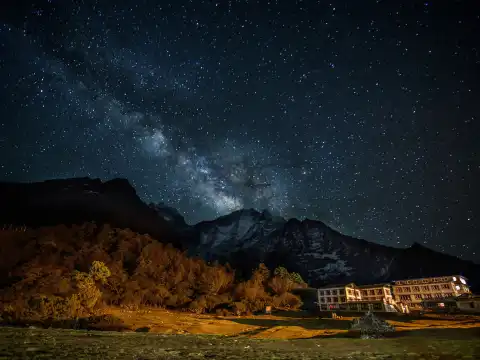
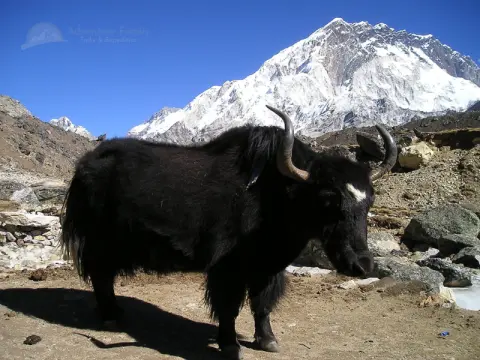
Keep an eye out for wildlife, especially in the early morning hours. You may spot Himalayan tahrs (a wild goat species), musk deer, or Himalayan monals—Nepal’s national bird, known for its colorful plumage. Lucky trekkers sometimes see the elusive snow leopard or the red panda, though these are rare sightings. Closer to villages, you'll encounter yaks and dzopkyos (yak-cow hybrids), essential to mountain life and transport. The visual grandeur is equally captivating—sunrises over snowy peaks, starry skies unobstructed by pollution, and the surreal beauty of Khumbu Glacier near base camp. With Adventure Family Treks and Expedition’s local guides, your awareness of the natural world deepens. Their insights help you spot and understand the ecological richness that most might miss.
This trek is a moving postcard, one that changes with each step and surprises you with quiet beauty in even the harshest environments. You’re not just walking through the Himalayas—you’re walking through a living, breathing natural wonder.
Final Thoughts: Is the Everest Base Camp Trek Worth It?
For many, the Everest Base Camp Trek is a once-in-a-lifetime goal—something dreamed about for years. But is it truly worth the effort, the time, the altitude, and the physical demand? In a word: absolutely. The trek offers more than just a view of Everest. It’s a profound journey that challenges your body, rewards your spirit, and fills your soul with wonder. Every step through the Khumbu region takes you deeper into the Himalayas and into yourself. The highs are literal and emotional—watching sunrise from Kala Patthar, hearing chants echo from a mountain monastery, or sharing stories with fellow trekkers over hot tea in a cold teahouse.
Trekking with Adventure Family Treks and Expedition makes this dream not only possible but deeply enriching. Their local expertise, attention to detail, and heartfelt hospitality transform a challenging journey into a life-affirming one. You are not just another tourist on a trail—you are part of a legacy of adventurers, welcomed with care, guided with wisdom, and supported every step of the way. For those willing to take on the challenge, Everest Base Camp is not the end goal, but a marker of what’s possible when you dare to follow your dreams into the mountains.
So, is it worth it? If you value personal growth, breathtaking natural beauty, cultural depth, and unforgettable memories, the answer is yes—resoundingly yes. Let Adventure Family Treks and Expedition guide you to the base of the world’s highest mountain—and beyond.