12 Things to Pack for Kailash Yatra
21 Apr 2026
Packing wrong is the #1 mistake on the Kailash Yatra. From merino wool to oxygen canisters, here are 12 absolute essentials you must bring for a safe pilgrimage.

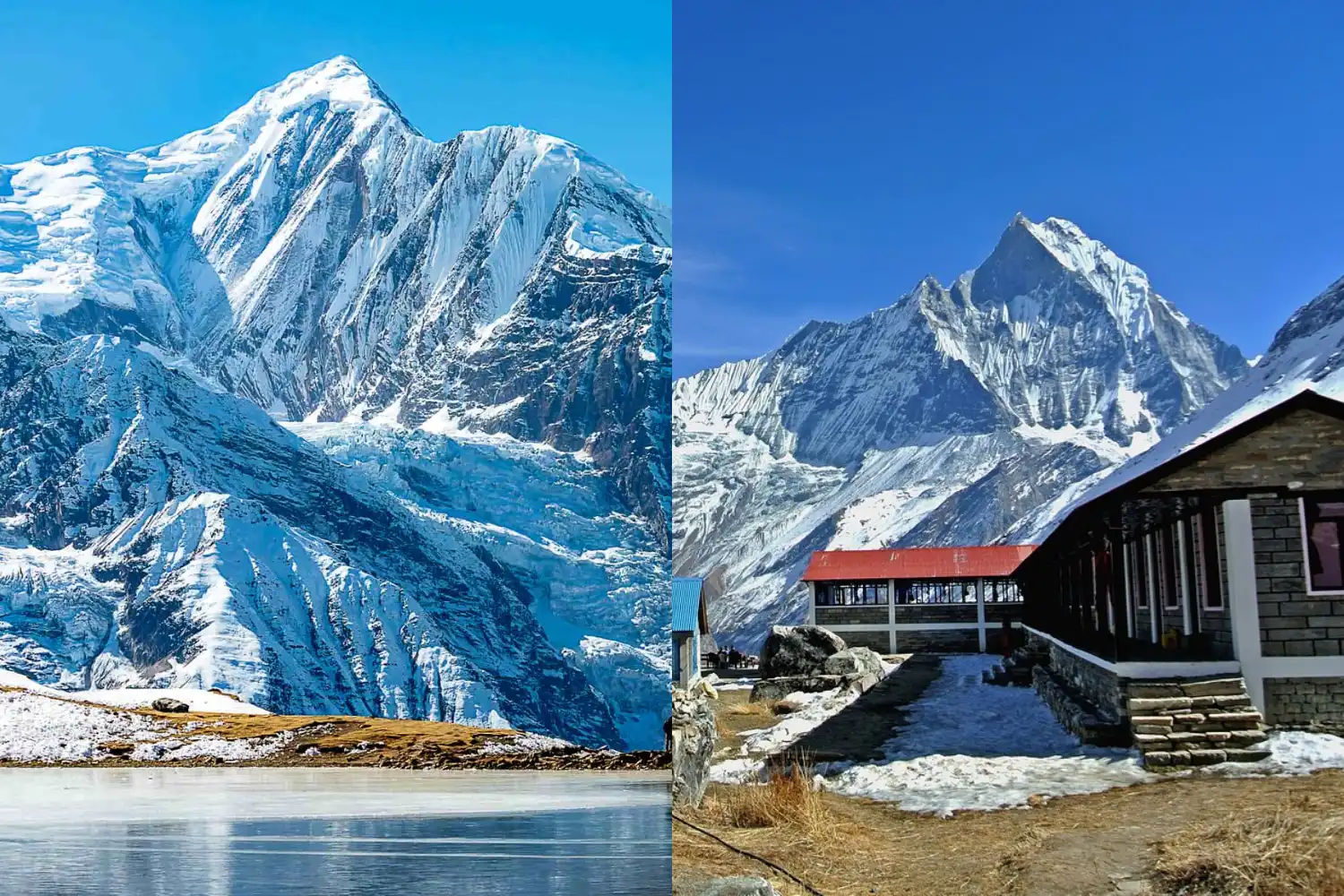
Choosing between the Annapurna Base Camp Trek and the Annapurna Circuit Trek is one of the most common dilemmas for anyone planning a Himalayan adventure in Nepal. Both routes explore the Annapurna region, but they offer very different experiences in terms of duration, difficulty, scenery, and commitment.
This guide breaks down the key differences — route, altitude, duration, culture, and cost — so you can decide which trek fits your fitness level, schedule, and travel goals.
| Feature | Annapurna Base Camp (ABC) | Annapurna Circuit |
|---|---|---|
| Route type | Out-and-back into the Annapurna Sanctuary | Loop around the Annapurna Massif |
| Duration | Typically 7–12 days | Typically 12–21 days |
| Max altitude | 4,130m (Annapurna Base Camp) | 5,416m (Thorong La Pass) |
| Difficulty | Moderate | Moderate to challenging |
| Starting point | Nayapul / Pokhara | Besisahar or Bhulbhule |
| Ending point | Pokhara | Pokhara or Jomsom |
| Best for | First-timers, shorter trips | Experienced trekkers, longer trips |
The biggest structural difference between these two treks is the shape of the route itself.
The Annapurna Base Camp Trek is an out-and-back route: you walk directly into the Annapurna Sanctuary, a glacial basin ringed by peaks, and return along largely the same trail. It's a shorter, more focused journey centered on reaching one dramatic destination.
The Annapurna Circuit, by contrast, is a loop trek that circles the entire Annapurna Massif. You start on one side of the range and finish on the other, passing through dramatically different landscapes — from subtropical forest to high alpine desert — along the way.
The ABC trek typically takes 7 to 12 days, making it a realistic option for travelers with a single week or two available. The Annapurna Circuit is considerably longer, typically running 12 to 21 days depending on the starting point, pace, and whether you include side trips like Tilicho Lake.
If your trip is time-limited, this alone may be the deciding factor between the two.
Both treks are generally rated moderate, involving 5–7 hours of walking per day on non-technical trails. But the intensity differs significantly at their highest points.
The ABC trek reaches a maximum altitude of 4,130 metres at Annapurna Base Camp. While some sections — particularly the stone staircases around Chhomrong — are tiring, the risk of serious altitude sickness is comparatively lower.
The Annapurna Circuit crosses Thorong La Pass at 5,416 metres, one of the highest trekking passes in the world. At this elevation, oxygen levels are significantly lower, and altitude sickness becomes a more serious consideration. The Circuit also covers considerably more distance — roughly 160–230 km depending on the exact route — requiring stronger overall endurance and more days spent at high elevation.
In short: ABC is the more approachable trek for first-timers, while the Circuit is a bigger physical and logistical undertaking, better suited to trekkers with prior high-altitude experience or a strong fitness base.
Both treks deliver spectacular Himalayan scenery, but the character of that scenery differs.
The ABC trek builds toward a single, breathtaking payoff: standing inside the Annapurna Sanctuary, surrounded on nearly all sides by Annapurna I, Machapuchare, Hiunchuli, and Gangapurna. The trail itself moves through rhododendron forest, terraced fields, and river valleys along the way.
The Annapurna Circuit offers more variety over its longer distance, crossing from lush subtropical forest and rice terraces near Besisahar to the high alpine desert of the Mustang region beyond Thorong La. Trekkers often highlight this dramatic landscape shift — from green valleys to arid, Tibetan-like plateaus — as one of the Circuit's biggest draws.
The ABC trek passes primarily through Gurung and Magar villages, offering a focused look at one regional culture, along with well-known stops like Ghandruk and Chhomrong.
The Annapurna Circuit passes through a wider range of communities, including Gurung, Thakali, and Tibetan-influenced villages, along with cultural landmarks like the sacred Muktinath Temple near Jomsom. For trekkers interested in cultural diversity as much as scenery, the Circuit generally offers a broader cross-section of the Annapurna region's ethnic groups and traditions.
Both treks follow the same general cost structure: permits, guide and/or porter fees, teahouse accommodation, meals, and transport. Because the Annapurna Circuit takes considerably longer and covers more remote terrain, it typically involves higher overall costs simply due to more trekking days and, in some sections, higher lodge prices in remote areas.
Exact costs vary with the season, group size, and current permit and transport pricing, so it's best to check current rates with a trekking agency or the Nepal Tourism Board before booking either trek.
Both treks require the same core permits, since both pass through the Annapurna Conservation Area:
Permit regulations and any additional requirements can change, so confirm current rules before departure, particularly if you're combining either trek with a restricted-area extension like Nar Phu or Tilicho Lake.
Both the ABC trek and the Annapurna Circuit share similar ideal trekking windows:
Winter and monsoon travel are possible on both routes with the right preparation, though conditions — especially around Thorong La Pass in winter — can be significantly more challenging on the Circuit.
It is possible to combine the two into what's sometimes called the "Complete" Annapurna Circuit, adding a visit to Annapurna Base Camp onto the end of a Circuit itinerary. In practice, this requires significantly more time and is only realistic for trekkers with an extended travel schedule, since it essentially means doing both treks back to back.
Choose Annapurna Base Camp if you:
Choose the Annapurna Circuit if you:
Which is harder: Annapurna Base Camp or Annapurna Circuit? The Annapurna Circuit is considered more physically demanding, mainly due to its greater length, higher maximum altitude at Thorong La Pass (5,416m), and more days spent at elevation.
Which trek is better for beginners? Annapurna Base Camp is generally the better choice for first-time trekkers, thanks to its shorter duration, lower maximum altitude, and moderate difficulty rating.
How long does each trek take? The Annapurna Base Camp Trek typically takes 7–12 days, while the Annapurna Circuit typically takes 12–21 days, depending on the itinerary and starting point.
Do both treks need the same permits? Yes. Both require an ACAP permit and a TIMS card, since both pass through the Annapurna Conservation Area.
Which trek has better mountain views? Both offer exceptional views, but the ABC trek builds to a single dramatic payoff inside the Annapurna Sanctuary, while the Circuit offers a wider variety of landscapes across its longer route.
Can I do both treks in one trip? Yes, by combining the Annapurna Circuit with an extension to Annapurna Base Camp, sometimes called the "Complete" Annapurna Circuit — though this requires significantly more time.
Is altitude sickness a bigger risk on the Circuit? Yes. Because the Annapurna Circuit crosses Thorong La Pass at 5,416 metres — over 1,000 metres higher than Annapurna Base Camp — the risk of altitude sickness is generally higher and requires more careful acclimatization.
Which trek is more affordable? Costs vary by season and operator, but the Annapurna Base Camp Trek is generally less expensive overall simply because it takes fewer days to complete than the longer Annapurna Circuit.
Both the Annapurna Base Camp Trek and the Annapurna Circuit offer world-class Himalayan experiences, but they suit different travelers. If you're short on time or new to high-altitude trekking, Annapurna Base Camp delivers incredible mountain views in a shorter, more manageable package. If you have more time and want a bigger physical challenge with greater cultural and landscape variety, the Annapurna Circuit is hard to beat. Whichever you choose, both routes showcase why the Annapurna region remains one of Nepal's most beloved trekking destinations. Ready to start planning? Explore our detailed guides to each trek or get in touch with our team to help you decide.
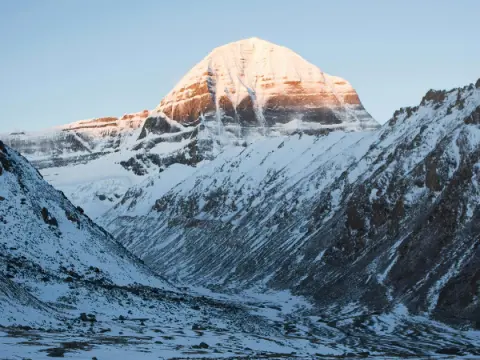
Packing wrong is the #1 mistake on the Kailash Yatra. From merino wool to oxygen canisters, here are 12 absolute essentials you must bring for a safe pilgrimage.
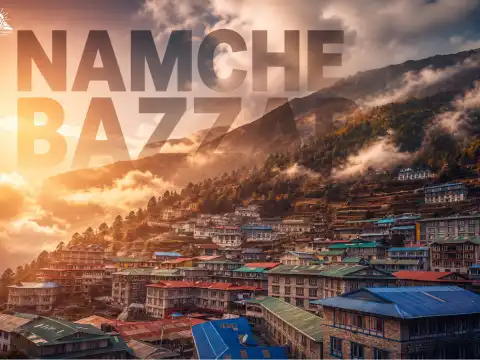
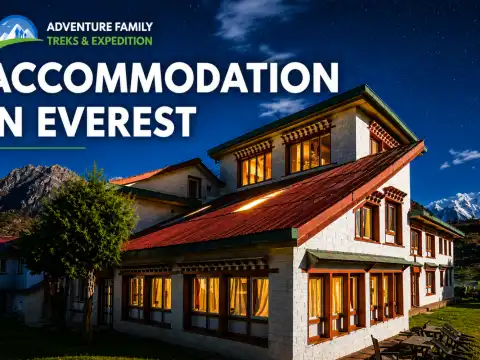
Discover everything you need to know about Everest Base Camp tea houses, including accommodation, food, drinking water, internet, showers, charging facilities, and the best lodges along the EBC trekking route. Learn practical tips for choosing comfortable tea houses and planning a successful Everest Base Camp adventure.

Ama Dablam is one of the most beautiful mountains in the Himalayas. Known as the Matterhorn of the East, this stunning peak dominates the Everest region with its pyramid-shaped summit, rich Sherpa heritage, and world-class climbing routes.
