Solo Female Trekker's Guide to Annapurna Base Camp
24 Sep 2026

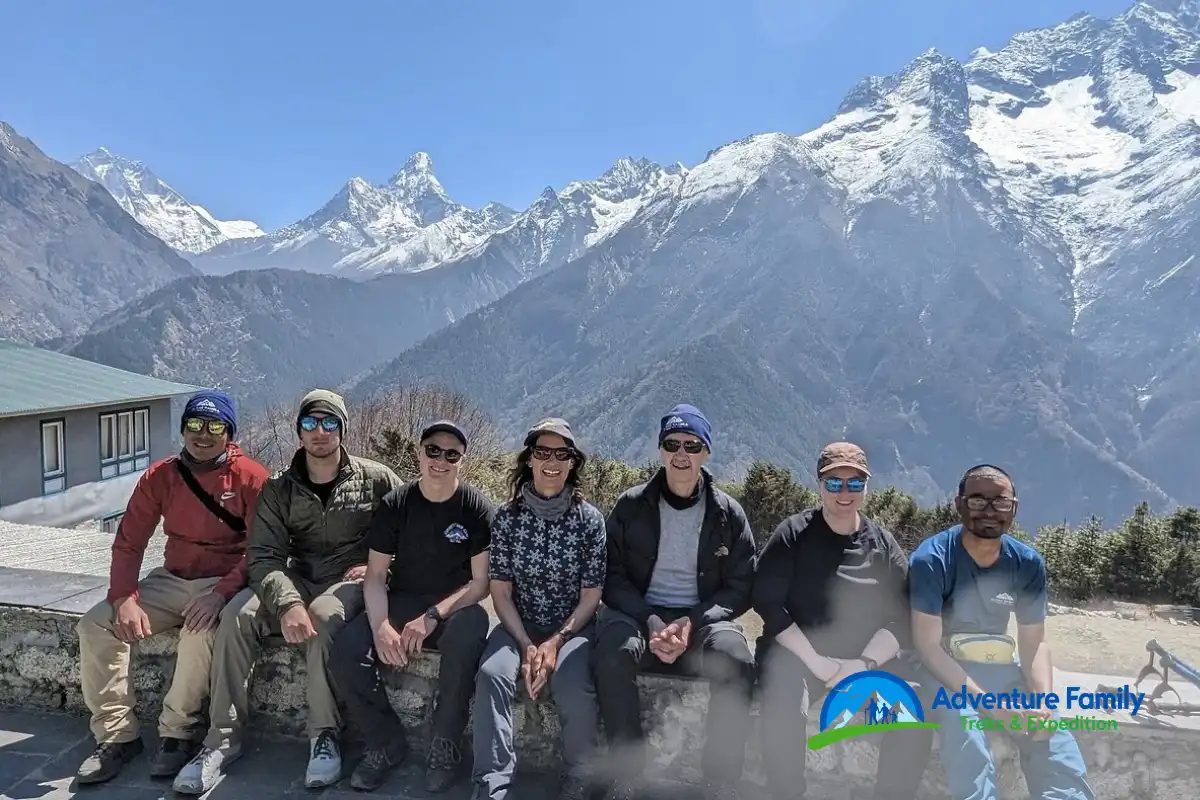
The Everest Base Camp Trek is one of the most iconic trekking adventures in the world, attracting travelers who dream of walking through the Himalayas, exploring Sherpa villages, visiting ancient monasteries, and standing beneath the world's highest mountain, Mount Everest (8,848.86 m). Located in Nepal's Khumbu region, this trek combines spectacular mountain scenery, cultural experiences, and the personal achievement of reaching Everest Base Camp at approximately 5,364 meters.
One of the first questions travelers ask before planning this adventure is: How much does it cost to trek to Everest Base Camp?
The total cost depends on several factors, including your trekking style, trip duration, accommodation preferences, flights to Lukla, guide and porter services, meals, permits, travel insurance, and the time of year you choose to visit. Independent trekkers, budget-conscious travelers, and those looking for a more comfortable guided experience can all find options to suit their needs.
In this comprehensive guide, Adventure Family Treks & Expedition explains the estimated Everest Base Camp Trek cost for 2026 and 2027, including the major expenses, optional services, practical budgeting advice, and ways to plan your Himalayan adventure.
The following budget ranges are planning estimates for international travelers visiting Nepal in 2026–2027. Actual prices depend on the trekking agency, group size, service level, season, and flight arrangements.
| Trekking style | Estimated cost per person |
|---|---|
| Budget trek with basic services | US$800–1,200 |
| Independent-style trek with tea houses | US$900–1,400 |
| Guided group trek | US$1,200–1,800 |
| Private guided trek | US$1,500–2,500 |
| Comfort or luxury trekking package | US$2,500–4,500+ |
These are indicative budgets for the trekking portion and associated local expenses, not guaranteed package quotations. International flights, personal shopping, and some optional services may be additional.
For many travelers, a guided Everest Base Camp Trek costs approximately US$1,200–1,800 per person when organized through a local trekking company with a guide, tea-house accommodation, meals, permits, and domestic transport included.
Choosing a package based only on the lowest advertised price can be misleading. Before booking, check whether the price includes Lukla flights, airport transfers, accommodation in Kathmandu, meals on the trail, guide and porter wages, emergency arrangements, and applicable permits.


Your international airfare is usually one of the first expenses to consider. Most international visitors arrive at Tribhuvan International Airport in Kathmandu.
The cost depends on your departure country, airline, travel dates, baggage allowance, and booking time. Travelers arriving from India or other nearby Asian countries may have different airfare costs from those traveling from Europe, Australia, or North America.
As a broad planning estimate, international return flights may cost approximately US$300–1,500 or more, depending on the route and season.
Money-saving tip: Book international flights early, compare baggage allowances, and leave sufficient time between your international arrival and your Lukla flight. Avoid arranging a tight connection on the day you land in Kathmandu.
The standard Everest Base Camp route begins with a flight to Lukla. The small mountain airstrip serves as the starting point for most trekkers.
A return flight between Kathmandu and Lukla may cost approximately US$300–450 per person, although prices and operating arrangements vary by season. During busy trekking periods, flights may operate from Ramechhap/Manthali instead of Kathmandu, depending on the prevailing aviation arrangements.
If you need to travel from Kathmandu to Ramechhap, allow an additional budget for road transport, and possibly an overnight stay.
Weather conditions can delay or cancel flights. You should therefore plan extra days and keep emergency funds available for additional accommodation, transport changes, or alternative arrangements.
Trekkers entering the Everest region must budget for the required entry permits.
For foreign visitors, the commonly applicable charges include:
| Permit | Indicative fee |
|---|---|
| Sagarmatha National Park entry permit | NPR 3,000 |
| Khumbu Pasang Lhamu Rural Municipality permit | NPR 3,000 |
| Estimated combined total | NPR 6,000 |
The Nepal Tourism Board lists the Sagarmatha National Park entry fee for foreign nationals at NPR 3,000, while the Khumbu Pasang Lhamu Rural Municipality publishes its local trekking-card fee separately.
National Park Entry permit fee
+2
Permit requirements and fees can change. Confirm the latest charges and applicable arrangements before departure, particularly if you hold a SAARC-country passport or Nepali citizenship.
Tea houses and mountain lodges provide the main accommodation along the Everest Base Camp trail. Rooms are generally simple, with twin beds, mattresses, blankets, and shared bathroom facilities in many locations.
Estimated nightly accommodation costs may be:
These are planning estimates rather than fixed rates. Prices depend on the lodge, season, room availability, and whether accommodation is purchased separately or as part of a package.
A basic room may appear inexpensive, but meals, hot showers, device charging, Wi-Fi, and other services can add considerably to your daily expenses. Some lodges offer private bathrooms or upgraded rooms at additional cost.
Food is an important part of your trekking budget. Most trekkers eat breakfast, lunch, and dinner at tea houses along the route.
Common meals include dal bhat, noodles, fried rice, soups, potatoes, pasta, eggs, porridge, pancakes, and Tibetan-style bread. Dal bhat is a popular choice because it provides carbohydrates and other nutrients useful for long walking days.
A realistic daily food budget is approximately US$25–40 per person, depending on altitude, appetite, and food choices. Prices generally increase farther along the trail because supplies must be transported into remote mountain communities.
Drinking water also adds to the budget. Carry a reusable bottle and consider a suitable purification method. Bottled water, boiled water, and hot drinks may cost more at higher elevations.
When comparing trekking packages, confirm whether breakfast, lunch, dinner, and drinking water are included. Some packages cover all standard meals, while others include only breakfast or exclude meals entirely.
Hiring a qualified guide can help you navigate the route, understand local culture, organize accommodation, and respond to itinerary changes. Porters can carry part of your luggage, allowing you to trek with a lighter daypack.
Indicative daily costs may include:
Actual costs vary according to experience, language skills, employment arrangements, insurance, equipment, and whether meals and accommodation are included in the rate.
For a 12–14-day trekking itinerary, guide and porter costs can represent a substantial part of the total budget. When traveling in a group, the guide's cost can often be shared among participants, reducing the individual expense.
Before hiring staff, clarify luggage weight limits, daily responsibilities, insurance coverage, emergency procedures, and whether tips are included. Respectful treatment and fair compensation for trekking staff are important parts of responsible tourism in Nepal.
A guided trekking package is a convenient option for travelers who want assistance with logistics, accommodation, meals, permits, and route planning.
For 2026–2027, a typical 12–14-day guided Everest Base Camp Trek package may cost approximately US$1,200–1,800 per person for a standard group departure. Private departures, upgraded accommodation, and additional services may increase the price.
Here is an example of how a standard guided package budget might be structured.
| Expense category | Estimated cost per person |
|---|---|
| Return Lukla flights | US$300–450 |
| Trekking permits | US$45 |
| Guide and porter services | US$250–450 |
| Tea-house accommodation | US$100–200 |
| Meals during trekking | US$300–450 |
| Airport transfers and logistics | US$50–100 |
| Illustrative total | US$1,045–1,695 |
The figures are approximate. Package prices may allocate expenses differently, and the total does not automatically include Kathmandu hotels, travel insurance, international flights, equipment, tips, or contingency expenses. Some items may already be included in an agency's quoted package.
A reputable trekking company should provide a clear list of inclusions and exclusions. Ask whether the package includes accommodation in Kathmandu, airport pickup, a pre-trek briefing, staff insurance, meals, domestic flights, and assistance in case of delays.
When comparing quotations, check the service level rather than relying exclusively on the final price.
Travelers often compare independent-style trekking with organized packages before making a booking decision.
An independent-style trek allows you to arrange your own flights, accommodation, meals, and daily walking schedule. You may stay in basic tea houses and pay for services as you go.
This approach can offer flexibility, but it requires careful preparation, awareness of permit requirements, and the ability to manage weather delays and changes in the itinerary.
Even if you arrange the trip independently, you should budget for all essential expenses rather than calculating only accommodation and meals.
A guided group trek is arranged by a trekking company, usually with a fixed itinerary, guide, accommodation plan, and coordinated transport.
Advantages include:
Private trekking allows you to travel with your own guide and, if requested, porter support. You can discuss walking pace, rest days, accommodation preferences, and the overall schedule with the company.
This option may suit couples, families, friends, and travelers who prefer a more personalized experience. It generally costs more than joining a larger group.
Regardless of the style you choose, altitude acclimatization, appropriate insurance, and contingency planning should remain priorities.
The standard Everest Base Camp Trek usually takes approximately 12–14 days of trekking and travel, although some itineraries are longer.
A common route begins with a flight to Lukla, followed by trekking through Phakding, Namche Bazaar, Tengboche, Dingboche, Lobuche, and Gorakshep before visiting Everest Base Camp.


A typical itinerary may look like this:
| Day | Route or activity |
|---|---|
| 1 | Arrive in Kathmandu |
| 2 | Fly to Lukla and trek to Phakding |
| 3 | Trek to Namche Bazaar |
| 4 | Acclimatization day in Namche Bazaar |
| 5 | Trek to Tengboche |
| 6 | Trek to Dingboche |
| 7 | Acclimatization day in Dingboche |
| 8 | Trek to Lobuche |
| 9 | Trek to Gorakshep and visit Everest Base Camp |
| 10 | Hike to Kala Patthar and descend |
| 11–13 | Return trek toward Lukla |
| 14 | Fly to Kathmandu, subject to conditions |
The precise number of days varies by itinerary. Some schedules combine or adjust stages, while others include additional rest days or alternative viewpoints.
A longer itinerary can increase accommodation and meal costs, but it also gives you more flexibility for acclimatization and unexpected delays. Avoid choosing an itinerary based solely on its low price if it leaves insufficient time to adapt to altitude.
The advertised trekking package is not necessarily the complete cost of your Nepal trip. Several additional expenses should be considered when calculating your overall budget.
If your trekking package does not include hotels, allow approximately US$25–100 or more per night, depending on the location and comfort level.
You may need a hotel before the trek and another night after returning from the mountains. Extra nights are also useful when flights are delayed.
Travel insurance is essential for a high-altitude trekking trip. Choose a policy that explicitly covers trekking at your intended maximum altitude and emergency helicopter evacuation where available.
Costs vary by age, nationality, trip duration, medical history, and coverage limits. Check the policy carefully instead of assuming ordinary travel insurance covers trekking above 5,000 meters.
If you already own suitable trekking equipment, this expense may be relatively small. If you need to purchase or rent gear, costs can increase significantly.
Typical equipment includes:
Depending on what you already own, allow approximately US$100–500 or more for purchasing, renting, or replacing essential gear.
Tips are not necessarily included in a trekking package. Many travelers choose to tip their trekking staff in recognition of their service.
The appropriate amount depends on group size, trip duration, service quality, and local practices. Ask your trekking company for guidance and budget this expense separately.
Other expenses may include Wi-Fi, charging electronic devices, hot showers, snacks, coffee, laundry, souvenirs, and additional drinks.
A contingency allowance of approximately US$100–250 is sensible for many travelers, with more reserved if you have a longer itinerary or limited flexibility around return flights.
The main trekking seasons in Nepal are spring and autumn. Weather conditions, trail popularity, flight demand, and accommodation availability can all influence your budget.
Spring: March–May
Warmer daytime conditions at lower elevations, blooming rhododendrons, and popular trekking dates.

Spring is a popular time to visit the Everest region. Many travelers choose April and May for their Himalayan journey. As demand increases, it is sensible to book flights, guides, and accommodation in advance.
Autumn is another popular season, particularly October and November. Clear weather can offer excellent mountain views, although busy trails and limited room availability may affect travel plans.
December through February generally brings colder temperatures, especially at higher elevations. Some lodges may close or reduce services, and snow or weather can affect trail conditions and flights.
Travelers may find different package prices during winter, but saving money should not come at the expense of suitable equipment, acclimatization, or safety.
June through August is Nepal's monsoon season. Rain, cloud cover, landslides on road approaches, and flight disruption can complicate travel arrangements. The Everest region is less affected by monsoon rain than some other Nepal trekking areas, but conditions remain variable.
For most first-time trekkers, spring and autumn offer the most established combination of trail services, weather patterns, and trekking opportunities. Always check current conditions before departure.
Reaching Everest Base Camp does not necessarily require a luxury budget. Careful planning can help you manage expenses without sacrificing essential safety and comfort.
Joining a group departure allows travelers to share guide costs and benefit from coordinated logistics. If your travel dates are flexible, compare several departure dates before booking.
Lukla flights are an important part of the trekking budget. Confirm the flight arrangement with your trekking company and ask about any transfer requirements from Kathmandu to Ramechhap.
Allow extra time for possible delays instead of booking expensive, non-refundable onward flights immediately after your scheduled return.
Tea houses are the standard accommodation option on the Everest Base Camp route. A basic room can be comfortable enough for most trekkers, particularly when you spend most of the day walking.
Upgraded rooms may be available in some villages, but private bathrooms and premium facilities generally increase the total cost.
If you already own good trekking boots, warm layers, gloves, and a sleeping bag, bringing them from home may be more economical than buying new equipment in Nepal.
If you plan to rent equipment locally, inspect it before departure and ensure it is appropriate for cold temperatures and high altitude.
A reusable bottle and suitable purification tablets or a filter can help reduce the need to purchase bottled water. Follow local guidance on safe drinking water and avoid untreated water sources.
Two trekking packages with similar prices may provide very different services. One may include meals, flights, porter support, and Kathmandu accommodation, while another may cover only the guide and basic trekking arrangements.
Ask for a written breakdown of inclusions, exclusions, cancellation terms, and additional costs before making a deposit.
Important: Do not compromise on travel insurance, suitable equipment, acclimatization days, or qualified support simply to reduce the price.
The Everest Base Camp Trek offers much more than reaching a destination on a map. It is an opportunity to experience Nepal's mountain landscapes, Sherpa hospitality, Buddhist heritage, and the dramatic scenery of the Khumbu region.
Along the route, trekkers pass through traditional villages, suspension bridges, pine forests, high-altitude valleys, and spectacular mountain viewpoints. Namche Bazaar provides a glimpse into life in the Everest region, while Tengboche Monastery offers a meaningful cultural stop surrounded by Himalayan scenery.
Reaching Everest Base Camp is a memorable achievement, but the journey itself is equally rewarding. The views of Everest, Lhotse, Nuptse, Ama Dablam, and the surrounding peaks create a remarkable backdrop throughout the trek.
The trek does require physical preparation, a reasonable budget, and an understanding of altitude-related risks. At elevations above 5,000 meters, walking becomes more demanding, and good planning is essential.
For travelers who want a well-organized Himalayan adventure, working with an experienced local trekking company can help simplify the arrangements and provide practical support throughout the journey.
To help you prepare for your journey, here is an example of a complete budget for an international traveler joining a standard guided trek.
| Expense | Estimated cost (USD) |
|---|---|
| International return airfare | $500–1,000 |
| Kathmandu hotel and meals | $100–250 |
| Guided trekking package | $1,200–1,800 |
| Travel insurance | $100–250 |
| Equipment and personal purchases | $100–300 |
| Tips and personal expenses | $100–200 |
| Contingency fund | $150–250 |
| Estimated overall budget | $2,250–4,050 |
These figures are illustrative and will vary by nationality, departure country, accommodation standards, season, and package inclusions. Travelers with existing equipment, lower airfare costs, or a package that includes Kathmandu accommodation may spend less. Those choosing luxury services or additional nights may spend more.
For a practical planning target, consider budgeting around US$2,500–3,500 per person for an international trip with standard guided trekking services, while keeping additional funds available for unexpected travel changes.
Nepal-based travelers who do not require international flights will have a substantially different budget.
Joining a fixed-departure group, staying in standard tea houses, bringing your own trekking equipment, and booking transport early can help control costs. However, retain sufficient funds for insurance, meals, appropriate clothing, and unexpected delays.
It may be possible to approach this budget for the trekking portion under certain conditions, particularly if some expenses are shared or excluded. However, a complete guided trek with flights, meals, staff services, permits, insurance, and contingency expenses may exceed US$1,000. International airfare is usually additional.
If your package includes accommodation and standard meals, you may only need money for drinks, snacks, showers, Wi-Fi, charging, tips, and other personal expenses. A reserve of US$150–300 is a reasonable starting point, depending on your habits and itinerary. Carry suitable cash because electronic payment options can be limited in remote villages.
Many organized trekking packages include the required permits. Nevertheless, you should verify this with your trekking company. For foreign visitors, the combined Sagarmatha National Park and Khumbu local permit charges are commonly around NPR 6,000, subject to current requirements and fees.
National Park Entry permit fee
+2
Requirements can change, and travelers should confirm the current rules before departure. Regardless of the applicable requirements, a qualified guide can assist with route planning, local arrangements, communication, and responding to changes in weather or trail conditions.
A porter may cost approximately US$20–30 per day, depending on the arrangement and what is included. Clarify the porter’s luggage limit and ensure that the load is reasonable. Some packages include porter services, while others charge separately.
Not necessarily. Helicopter evacuation is usually not included in a standard trekking package unless explicitly stated. Travel insurance should cover high-altitude trekking and emergency evacuation, subject to the policy's terms and limits.
Many first-time Himalayan trekkers complete the route successfully with suitable preparation. However, it is a physically demanding high-altitude trek. Regular walking, cardiovascular exercise, gradual acclimatization, and a realistic itinerary are important.
For two people joining a standard guided trek, a preliminary estimate is approximately US$2,400–3,600 for the trekking portion, depending on the package and shared expenses. Including international flights, insurance, equipment, and personal expenses, a combined budget of roughly US$4,500–8,000 may be appropriate for planning.
For spring and autumn departures, booking several months in advance is helpful, especially when you have fixed travel dates. Early planning gives you more time to compare packages, arrange insurance, prepare physically, and organize flights.

Planning the Everest Base Camp Trek involves more than calculating the price. Choosing the right itinerary, arranging permits, organizing accommodation, preparing for altitude, and allowing flexibility for mountain weather are all important parts of a successful journey.
At Adventure Family Treks & Expedition, we help travelers organize Himalayan trekking adventures in Nepal, with attention to practical logistics, local culture, and the needs of individual travelers and groups.
Whether you are planning your first Himalayan trek, traveling with friends, or looking for a private guided experience, you can discuss your preferred dates, budget, group size, and service requirements with our team.
We can help you understand the available package options and identify the services that best match your travel plans.
Start planning your Everest adventure today.
Contact Adventure Family Treks & Expedition for a personalized Everest Base Camp Trek quotation and a detailed list of package inclusions and exclusions.
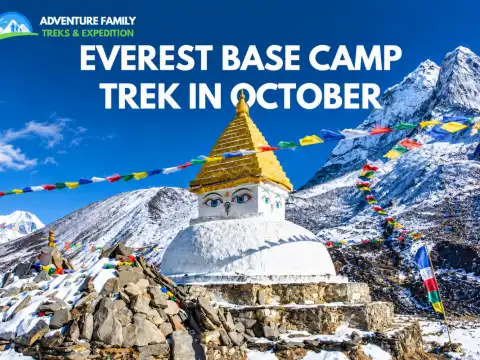
October is widely considered the best month to trek Everest Base Camp. Here's why — from stable weather and clear mountain views to Nepal's biggest festivals.
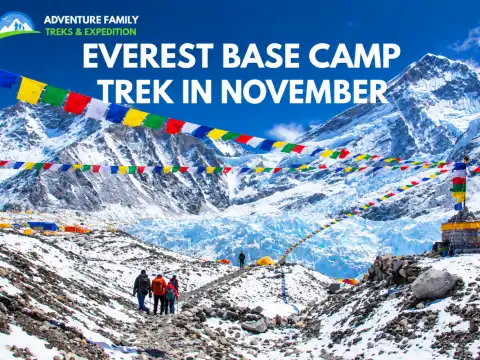
November offers Everest Base Camp trekkers October's clear skies with thinner crowds and lower costs — and it's also prime time for climbing nearby 6000m trekking peaks like Island Peak.
