[{"name":"Everest Base Camp Trek","duration":"14","image_url":"https:\/\/www.adventurefamilytreks.com\/public\/storage\/trip-galleries\/1\/thumb_267f7609e190738f5789263f4581ee8c.webp","offer_price":1399,"url":"https:\/\/www.adventurefamilytreks.com\/public\/trips\/everest-base-camp-trek"},{"name":"Everest Three Passes Trek","duration":"18","image_url":"https:\/\/www.adventurefamilytreks.com\/public\/storage\/trip-galleries\/2\/thumb_0e53861c05eacf22be83d712ebc8262e.webp","offer_price":2549,"url":"https:\/\/www.adventurefamilytreks.com\/public\/trips\/everest-three-passes-trek"},{"name":"Gokyo Lake Trek","duration":"12","image_url":"https:\/\/www.adventurefamilytreks.com\/public\/storage\/trip-galleries\/3\/thumb_e391b4c86379cf4923fdf2c4b19c6627.webp","offer_price":1325,"url":"https:\/\/www.adventurefamilytreks.com\/public\/trips\/gokyo-lake-trek"},{"name":"Everest Panorama Trek","duration":"11","image_url":"https:\/\/www.adventurefamilytreks.com\/public\/storage\/trip-galleries\/4\/thumb_95bcd76d71f2ed77080cc7103aff9eee.webp","offer_price":1255,"url":"https:\/\/www.adventurefamilytreks.com\/public\/trips\/everest-panorama-trek"},{"name":"Annapurna Base Camp Trek","duration":"9","image_url":"https:\/\/www.adventurefamilytreks.com\/public\/storage\/trip-galleries\/5\/thumb_178547896b3136459b4f87627a3a3a6e.webp","offer_price":950,"url":"https:\/\/www.adventurefamilytreks.com\/public\/trips\/annapurna-base-camp-trek"},{"name":"Annapurna Circuit Trek","duration":"17","image_url":"https:\/\/www.adventurefamilytreks.com\/public\/storage\/trip-galleries\/6\/thumb_764d91bdecc6fe371510b4fe6759c5c1.webp","offer_price":1360,"url":"https:\/\/www.adventurefamilytreks.com\/public\/trips\/annapurna-circuit-trek"},{"name":"Ghorepani Poon Hill Trek","duration":"8","image_url":"https:\/\/www.adventurefamilytreks.com\/public\/storage\/trip-galleries\/7\/thumb_ac00562c98cb449924bab4c2a6127b2f.webp","offer_price":499,"url":"https:\/\/www.adventurefamilytreks.com\/public\/trips\/ghorepani-poon-hill-trek"},{"name":"Mardi Himal Trek","duration":"9","image_url":"https:\/\/www.adventurefamilytreks.com\/public\/storage\/trip-galleries\/8\/thumb_cfa64840203bfceedc7bc13315f48167.webp","offer_price":950,"url":"https:\/\/www.adventurefamilytreks.com\/public\/trips\/mardi-himal-trek"},{"name":"Manaslu Circuit Trek","duration":"16","image_url":"https:\/\/www.adventurefamilytreks.com\/public\/storage\/trip-galleries\/9\/thumb_25a43c369c14da548a5c1060511db8af.webp","offer_price":1350,"url":"https:\/\/www.adventurefamilytreks.com\/public\/trips\/manaslu-circuit-trek"},{"name":"Tsum Valley and Manaslu Circuit Trek","duration":"19","image_url":"https:\/\/www.adventurefamilytreks.com\/public\/storage\/trip-galleries\/10\/thumb_75785836f8c5b616ca1089209b5c9114.webp","offer_price":2395,"url":"https:\/\/www.adventurefamilytreks.com\/public\/trips\/tsum-valley-and-manaslu-circuit-trek"},{"name":"Langtang Valley Trek","duration":"10","image_url":"https:\/\/www.adventurefamilytreks.com\/public\/storage\/trip-galleries\/11\/thumb_45fec48f749f7de3de7796f7b990d9c6.webp","offer_price":950,"url":"https:\/\/www.adventurefamilytreks.com\/public\/trips\/langtang-valley-trek"},{"name":"Langtang Valley and Gosainkunda Trek","duration":"14","image_url":"https:\/\/www.adventurefamilytreks.com\/public\/storage\/trip-galleries\/12\/thumb_5a9fdc7afecc2a40e55de88b5fa91354.webp","offer_price":1090,"url":"https:\/\/www.adventurefamilytreks.com\/public\/trips\/langtang-valley-and-gosainkunda-trek"},{"name":"Langtang Gosaikunda and Helambu Trek","duration":"17","image_url":"https:\/\/www.adventurefamilytreks.com\/public\/storage\/trip-galleries\/13\/thumb_31bf05eceaad7335ecc7d6c1d4f82894.webp","offer_price":1105,"url":"https:\/\/www.adventurefamilytreks.com\/public\/trips\/langtang-gosaikunda-and-helambu-trek"},{"name":"Tamang Heritage Trail Trek","duration":"10","image_url":"https:\/\/www.adventurefamilytreks.com\/public\/storage\/trip-galleries\/14\/thumb_e2111974173f92e4b73dfd6cb0a71028.webp","offer_price":795,"url":"https:\/\/www.adventurefamilytreks.com\/public\/trips\/tamang-heritage-trail-trek"},{"name":"Lower Mustang Trek","duration":"10","image_url":"https:\/\/www.adventurefamilytreks.com\/public\/storage\/trip-galleries\/15\/thumb_0331ace1dc2a0b2ce5cd70ef9d111a0c.webp","offer_price":1085,"url":"https:\/\/www.adventurefamilytreks.com\/public\/trips\/lower-mustang-trek"},{"name":"Upper Mustang Overland Tour","duration":"12","image_url":"https:\/\/www.adventurefamilytreks.com\/public\/storage\/trip-galleries\/16\/thumb_6efa991d81256b1e2bdc4c7697d75b76.webp","offer_price":1470,"url":"https:\/\/www.adventurefamilytreks.com\/public\/trips\/upper-mustang-overland-tour"},{"name":"Upper Mustang Trek","duration":"16","image_url":"https:\/\/www.adventurefamilytreks.com\/public\/storage\/trip-galleries\/17\/thumb_ef4cc4eabad957d6fce177afa2467fda.webp","offer_price":1749,"url":"https:\/\/www.adventurefamilytreks.com\/public\/trips\/upper-mustang-trek"},{"name":"Jomsom Muktinath Trekking","duration":"7","image_url":"https:\/\/www.adventurefamilytreks.com\/public\/storage\/trip-galleries\/18\/thumb_459abc824710ec143d3d1b4ac4e9ca2f.webp","offer_price":880,"url":"https:\/\/www.adventurefamilytreks.com\/public\/trips\/jomsom-muktinath-trekking"},{"name":"Everest Base Camp Trek via Gokyo Lake","duration":"18","image_url":"https:\/\/www.adventurefamilytreks.com\/public\/storage\/trip-galleries\/19\/thumb_ed0cd8e82d19354d7648f4567d292ea4.webp","offer_price":1550,"url":"https:\/\/www.adventurefamilytreks.com\/public\/trips\/everest-base-camp-trek-via-gokyo-lake"},{"name":"Pikey Peak Trek","duration":"11","image_url":"https:\/\/www.adventurefamilytreks.com\/public\/storage\/trip-galleries\/20\/thumb_f6c4c9d7fa961381a7ebb39b261ad479.webp","offer_price":795,"url":"https:\/\/www.adventurefamilytreks.com\/public\/trips\/pikey-peak-trek"},{"name":"Annapurna Circuit with Tilicho Lake Trek","duration":"18","image_url":"https:\/\/www.adventurefamilytreks.com\/public\/storage\/trip-galleries\/21\/thumb_42f46fd430bcd10b82b08fa84172a695.webp","offer_price":1420,"url":"https:\/\/www.adventurefamilytreks.com\/public\/trips\/annapurna-circuit-with-tilicho-lake-trek"},{"name":"Kanchenjunga Circuit Trek","duration":"22","image_url":"https:\/\/www.adventurefamilytreks.com\/public\/storage\/trip-galleries\/22\/thumb_57b4698a87bd68798f3b8d19bda7c051.webp","offer_price":2755,"url":"https:\/\/www.adventurefamilytreks.com\/public\/trips\/kanchenjunga-circuit-trek"},{"name":"Lower Dolpo Trek","duration":"18","image_url":"https:\/\/www.adventurefamilytreks.com\/public\/storage\/trip-galleries\/23\/thumb_5f44bdb1e3a48466c738966e98116a90.webp","offer_price":2395,"url":"https:\/\/www.adventurefamilytreks.com\/public\/trips\/lower-dolpo-trek"},{"name":"Upper Dolpo Trek","duration":"24","image_url":"https:\/\/www.adventurefamilytreks.com\/public\/storage\/trip-galleries\/24\/thumb_358dce4b51923768bd638a409a6a2d65.webp","offer_price":3140,"url":"https:\/\/www.adventurefamilytreks.com\/public\/trips\/upper-dolpo-trek"},{"name":"Rara Lake Trek","duration":"15","image_url":"https:\/\/www.adventurefamilytreks.com\/public\/storage\/trip-galleries\/25\/thumb_eb5f3d47ec26a85d1c6df91a05a9d152.webp","offer_price":2299,"url":"https:\/\/www.adventurefamilytreks.com\/public\/trips\/rara-lake-trek"},{"name":"Kathmandu Pokhara Lumbini Chitwan Tour","duration":"10","image_url":"https:\/\/www.adventurefamilytreks.com\/public\/storage\/trip-galleries\/26\/thumb_de043396bb4ce7cea6902ddf4e59a9fe.webp","offer_price":1155,"url":"https:\/\/www.adventurefamilytreks.com\/public\/trips\/kathmandu-pokhara-lumbini-chitwan-tour"},{"name":"Kathmandu Pokhara Lumbini Tour","duration":"8","image_url":"https:\/\/www.adventurefamilytreks.com\/public\/storage\/trip-galleries\/27\/thumb_a73a2b91734ef7fd18d9e3b8b4b250c3.webp","offer_price":1070,"url":"https:\/\/www.adventurefamilytreks.com\/public\/trips\/kathmandu-pokhara-lumbini-tour"},{"name":"Kathmandu Pokhara Chitwan Tour","duration":"8","image_url":"https:\/\/www.adventurefamilytreks.com\/public\/storage\/trip-galleries\/28\/thumb_711054ccb4283af4b1b972714e4a5f41.webp","offer_price":1040,"url":"https:\/\/www.adventurefamilytreks.com\/public\/trips\/kathmandu-pokhara-chitwan-tour"},{"name":"Kathmandu Pokhara Tour","duration":"7","image_url":"https:\/\/www.adventurefamilytreks.com\/public\/storage\/trip-galleries\/29\/thumb_013e25b67e0e0dc65a0bade481e76896.webp","offer_price":890,"url":"https:\/\/www.adventurefamilytreks.com\/public\/trips\/kathmandu-pokhara-tour"},{"name":"Kathmandu Chitwan Tour","duration":"6","image_url":"https:\/\/www.adventurefamilytreks.com\/public\/storage\/trip-galleries\/30\/thumb_019a401ba1cb7c3b960009367df3e163.webp","offer_price":790,"url":"https:\/\/www.adventurefamilytreks.com\/public\/trips\/kathmandu-chitwan-tour"},{"name":"Nepal Highlight Tour","duration":"10","image_url":"https:\/\/www.adventurefamilytreks.com\/public\/storage\/trip-galleries\/31\/thumb_c3749ca10c1940ae9943c8fecc621e75.webp","offer_price":1340,"url":"https:\/\/www.adventurefamilytreks.com\/public\/trips\/nepal-highlight-tour"},{"name":"Nagarkot Sunrise View and Changunarayan Hike","duration":"1","image_url":"https:\/\/www.adventurefamilytreks.com\/public\/storage\/trip-galleries\/32\/thumb_8a77f44e597a8e0499b9ce0e21f53634.webp","offer_price":75,"url":"https:\/\/www.adventurefamilytreks.com\/public\/trips\/nagarkot-sunrise-view-and-changunarayan-hike"},{"name":"Chitwan Jungle Safari Tour","duration":"3","image_url":"https:\/\/www.adventurefamilytreks.com\/public\/storage\/trip-galleries\/33\/thumb_bca35529a62e84527dfc1e699e7edffb.webp","offer_price":305,"url":"https:\/\/www.adventurefamilytreks.com\/public\/trips\/chitwan-jungle-safari-tour"},{"name":"Chitwan Wildlife Adventure Tour","duration":"4","image_url":"https:\/\/www.adventurefamilytreks.com\/public\/storage\/trip-galleries\/34\/thumb_9fb0d6f7644726d75597b3080333d378.webp","offer_price":445,"url":"https:\/\/www.adventurefamilytreks.com\/public\/trips\/chitwan-wildlife-adventure-tour"},{"name":"Bardia National Park Tour","duration":"7","image_url":"https:\/\/www.adventurefamilytreks.com\/public\/storage\/trip-galleries\/35\/thumb_0c1f6dd7e950d1aa9a8cac473953f4b1.webp","offer_price":945,"url":"https:\/\/www.adventurefamilytreks.com\/public\/trips\/bardia-national-park-tour"},{"name":"Hindu Pilgrimage Tour in Nepal","duration":"10","image_url":"https:\/\/www.adventurefamilytreks.com\/public\/storage\/trip-galleries\/36\/thumb_476a3de7ae7d6d2bc5ff518dcddbde33.webp","offer_price":1455,"url":"https:\/\/www.adventurefamilytreks.com\/public\/trips\/hindu-pilgrimage-tour-in-nepal"},{"name":"Buddhist Pilgrimage Tour in Nepal","duration":"8","image_url":"https:\/\/www.adventurefamilytreks.com\/public\/storage\/trip-galleries\/37\/thumb_b0d4276fe307d8ae8be112a481af8f03.webp","offer_price":1050,"url":"https:\/\/www.adventurefamilytreks.com\/public\/trips\/buddhist-pilgrimage-tour-in-nepal"},{"name":"Rara Lake Tour","duration":"9","image_url":"https:\/\/www.adventurefamilytreks.com\/public\/storage\/trip-galleries\/38\/thumb_60fb6ddcc9c7c7cd5ace271c7c8f505b.webp","offer_price":1895,"url":"https:\/\/www.adventurefamilytreks.com\/public\/trips\/rara-lake-tour"},{"name":"Kathmandu Sightseeing Tour","duration":"1","image_url":"https:\/\/www.adventurefamilytreks.com\/public\/storage\/trip-galleries\/39\/thumb_2bb48f23851d0c66d8621872b3cf557c.webp","offer_price":50,"url":"https:\/\/www.adventurefamilytreks.com\/public\/trips\/kathmandu-sightseeing-tour"},{"name":"Everest Base Camp Heli Tour","duration":"1","image_url":"https:\/\/www.adventurefamilytreks.com\/public\/storage\/trip-galleries\/40\/thumb_7b8742eecb74aa7162dd5fd5171ec4e5.webp","offer_price":1435,"url":"https:\/\/www.adventurefamilytreks.com\/public\/trips\/everest-base-camp-heli-tour"},{"name":"Annapurna Base Camp Heli Tour","duration":"1","image_url":"https:\/\/www.adventurefamilytreks.com\/public\/storage\/trip-galleries\/41\/thumb_6e6ff98ec81da8fa61da935637f3c219.webp","offer_price":830,"url":"https:\/\/www.adventurefamilytreks.com\/public\/trips\/annapurna-base-camp-heli-tour"},{"name":"Trishuli River Rafting","duration":"1","image_url":"https:\/\/www.adventurefamilytreks.com\/public\/storage\/trip-galleries\/42\/thumb_e656b3999f28167b8bffb437ad918740.webp","offer_price":65,"url":"https:\/\/www.adventurefamilytreks.com\/public\/trips\/trishuli-river-rafting"},{"name":"Bhote Koshi Bungee Jumping","duration":"1","image_url":"https:\/\/www.adventurefamilytreks.com\/public\/storage\/trip-galleries\/43\/thumb_af71f5edbeff20a6327a3bf0380cacc2.webp","offer_price":235,"url":"https:\/\/www.adventurefamilytreks.com\/public\/trips\/bhote-koshi-bungee-jumping"},{"name":"Paragliding in Pokhara","duration":"1","image_url":"https:\/\/www.adventurefamilytreks.com\/public\/storage\/trip-galleries\/44\/thumb_8a419c3b30480c7e9743cc151538b363.webp","offer_price":70,"url":"https:\/\/www.adventurefamilytreks.com\/public\/trips\/paragliding-in-pokhara"},{"name":"Mera Peak Climbing","duration":"18","image_url":"https:\/\/www.adventurefamilytreks.com\/public\/storage\/trip-galleries\/45\/thumb_183ba6fe9e41d06d63baee8fdf5bea1f.webp","offer_price":2625,"url":"https:\/\/www.adventurefamilytreks.com\/public\/trips\/mera-peak-climbing"},{"name":"Island Peak Climbing","duration":"18","image_url":"https:\/\/www.adventurefamilytreks.com\/public\/storage\/trip-galleries\/46\/thumb_eaef9ff982186ea8a11e136e1fb7983e.webp","offer_price":2210,"url":"https:\/\/www.adventurefamilytreks.com\/public\/trips\/island-peak-climbing"},{"name":"Lobuche Peak Climbing","duration":"17","image_url":"https:\/\/www.adventurefamilytreks.com\/img\/default.gif","offer_price":2250,"url":"https:\/\/www.adventurefamilytreks.com\/public\/trips\/lobuche-peak-climbing"},{"name":"Pisang Peak Climbing","duration":"17","image_url":"https:\/\/www.adventurefamilytreks.com\/img\/default.gif","offer_price":2150,"url":"https:\/\/www.adventurefamilytreks.com\/public\/trips\/pisang-peak-climbing"},{"name":"Tibet Lhasa Tour","duration":"8","image_url":"https:\/\/www.adventurefamilytreks.com\/public\/storage\/trip-galleries\/49\/thumb_b98422dd8eb5c47c26c54f8ee0d73f08.webp","offer_price":2275,"url":"https:\/\/www.adventurefamilytreks.com\/public\/trips\/tibet-lhasa-tour"},{"name":"Kailash Mansarovar Overland Yatra","duration":"13","image_url":"https:\/\/www.adventurefamilytreks.com\/public\/storage\/trip-galleries\/50\/thumb_07faf7a76a0c1cd05cdc5dbac1fe104d.webp","offer_price":2550,"url":"https:\/\/www.adventurefamilytreks.com\/public\/trips\/kailash-mansarovar-overland-yatra"},{"name":"Best Bhutan Tour","duration":"9","image_url":"https:\/\/www.adventurefamilytreks.com\/public\/storage\/trip-galleries\/51\/thumb_4d3c108e80aadaf9f7869b7d58146e69.webp","offer_price":2355,"url":"https:\/\/www.adventurefamilytreks.com\/public\/trips\/best-bhutan-tour"},{"name":"Bhutan Tour from Nepal","duration":"13","image_url":"https:\/\/www.adventurefamilytreks.com\/public\/storage\/trip-galleries\/52\/thumb_6cbc3ac907f7b9f2f04c1142d69f9a8e.webp","offer_price":2585,"url":"https:\/\/www.adventurefamilytreks.com\/public\/trips\/bhutan-tour-from-nepal"},{"name":"Best Of Bhutan Tour","duration":"5","image_url":"https:\/\/www.adventurefamilytreks.com\/public\/storage\/trip-galleries\/53\/thumb_5d8bf7a8e09f0e322ea04ec257fc58b5.webp","offer_price":1785,"url":"https:\/\/www.adventurefamilytreks.com\/public\/trips\/best-of-bhutan-tour"},{"name":"Bhutan Cultural Tour-6 Days","duration":"6","image_url":"https:\/\/www.adventurefamilytreks.com\/public\/storage\/trip-galleries\/55\/thumb_0cf6ea9c199c83529e1ec4f7f9e3ef1e.webp","offer_price":2195,"url":"https:\/\/www.adventurefamilytreks.com\/public\/trips\/bhutan-cultural-tour-6-days"},{"name":"Incredible Bhutan Tour","duration":"8","image_url":"https:\/\/www.adventurefamilytreks.com\/public\/storage\/trip-galleries\/56\/thumb_e85bdd981c795f54d0d8b637fcef4c57.webp","offer_price":2450,"url":"https:\/\/www.adventurefamilytreks.com\/public\/trips\/incredible-bhutan-tour"},{"name":"Kailash Mansarovar Inner Kora","duration":"15","image_url":"https:\/\/www.adventurefamilytreks.com\/img\/default.gif","offer_price":2650,"url":"https:\/\/www.adventurefamilytreks.com\/public\/trips\/kailash-mansarovar-inner-kora"},{"name":"Best of Tibet Tours","duration":"13","image_url":"https:\/\/www.adventurefamilytreks.com\/public\/storage\/trip-galleries\/58\/thumb_8ae3f9dda6019a9584ad2a5b85c31941.webp","offer_price":3265,"url":"https:\/\/www.adventurefamilytreks.com\/public\/trips\/best-of-tibet-tours"},{"name":"Kailash Mansarovar Yatra via Lhasa","duration":"13","image_url":"https:\/\/www.adventurefamilytreks.com\/public\/storage\/trip-galleries\/59\/thumb_bd177e3aa1a94da0b224d8d74d828e2c.webp","offer_price":3130,"url":"https:\/\/www.adventurefamilytreks.com\/public\/trips\/kailash-mansarovar-yatra-via-lhasa"},{"name":"Damodar Kunda Yatra","duration":"10","image_url":"https:\/\/www.adventurefamilytreks.com\/public\/storage\/trip-galleries\/60\/thumb_15fb4316d3c4850cd146a104255a3c49.webp","offer_price":1599,"url":"https:\/\/www.adventurefamilytreks.com\/public\/trips\/damodar-kunda-yatra"}]
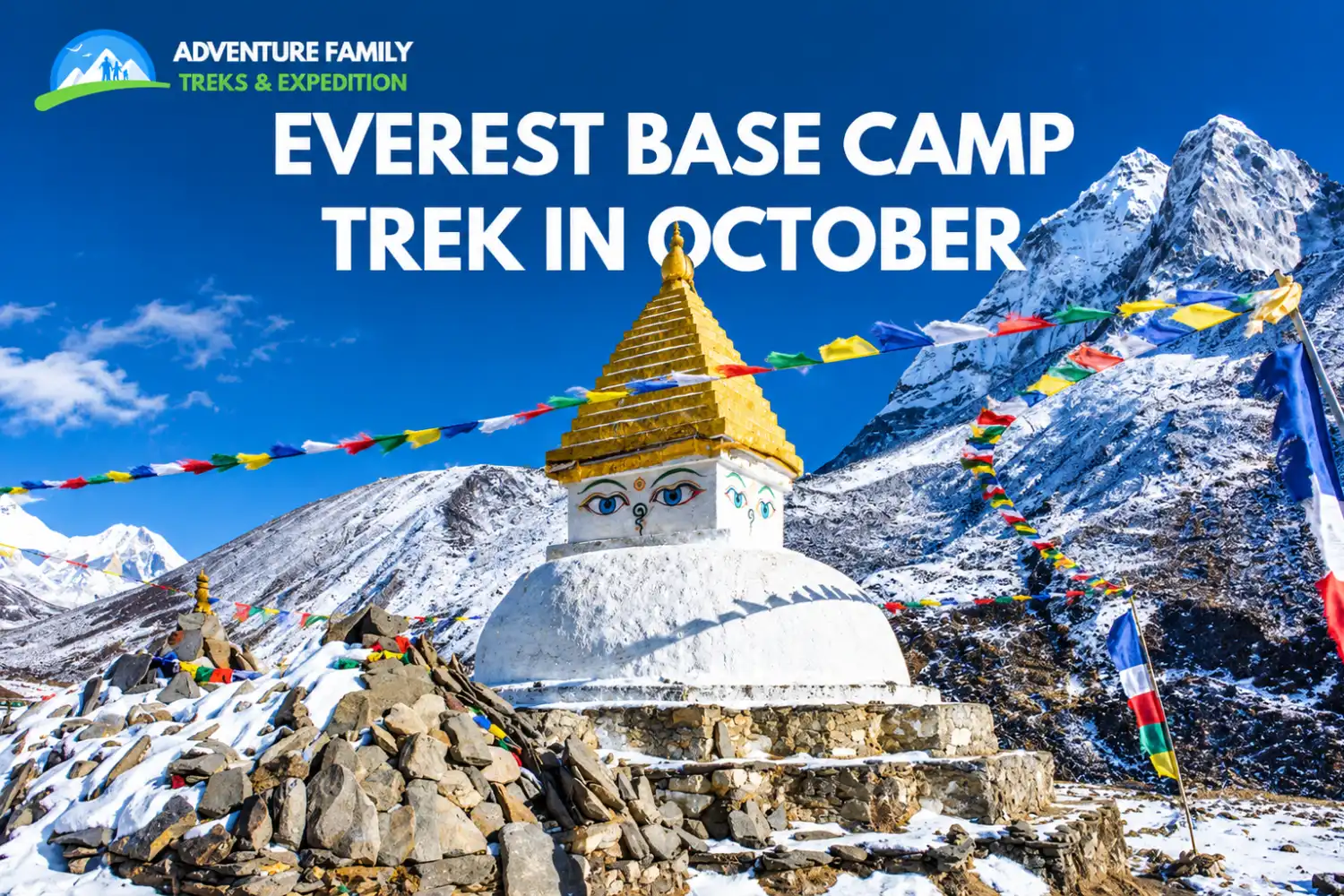
If you're trying to pin down the single best month to trek to Everest Base Camp, October comes up again and again — and for good reason. It sits at the sweet spot between the end of the monsoon and the start of winter, delivering the clearest skies, most stable weather, and some of the richest cultural moments of the entire Nepali calendar.
Here's a detailed look at exactly why October has earned its reputation as the top month for the Everest Base Camp Trek — weather village by village, crowd patterns, costs, festivals, and what to pack — so you can decide if it's the right window for your trip.
October at a Glance
Factor
October Reality
Daytime temperatures
Roughly 10–16°C in the lower Khumbu, dropping toward 0–2°C near Gorak Shep by late month
Nighttime temperatures
From around 2°C in Lukla down to -10°C to -13°C at Gorak Shep
Rainfall
Minimal — often just one or two light afternoon showers all month
Lukla flight reliability
Among the highest of the year
Trekker volume
Peak season — the busiest month on the trail
Typical guided cost
Highest of the year, given peak demand
Cultural highlights
Dashain, Tihar, and often Mani Rimdu at Tengboche Monastery
Weather and Temperature by Village
Temperatures drop steadily as you gain altitude, and the swing between day and night grows more extreme the higher you go. Approximate ranges through October:
Village
Altitude
Typical Day / Night
Lukla
2,860m
10–14°C / 2–6°C
Phakding
2,610m
12–16°C / 3–7°C
Namche Bazaar
3,440m
8–11°C / -2–1°C
Tengboche
3,867m
6–9°C / -4–-1°C
Dingboche
4,410m
5–7°C / -7–-4°C
Lobuche
4,940m
2–4°C / -10–-7°C
Gorak Shep
5,164m
0–2°C / -13–-9°C
Kala Patthar (dawn)
5,545m
-13°C to -16°C
Temperatures cool noticeably as the month progresses, so an early-October trek tends to feel milder than a late-October one, especially at higher elevations. At Kala Patthar, wind chill can push the effective temperature well below the air temperature alone, so a proper down jacket rather than a mid-weight layer is essential above Dingboche.
Daylight and Visibility
October daylight shortens gradually across the month — from around 11.5 hours of daylight in early October down to about 10.5 hours by month's end. What makes up for the shorter days is the quality of that light: cloud cover above 4,000 metres is typically at its lowest point of the year, and the post-monsoon dust and haze that lingers into September clears substantially by mid-October.
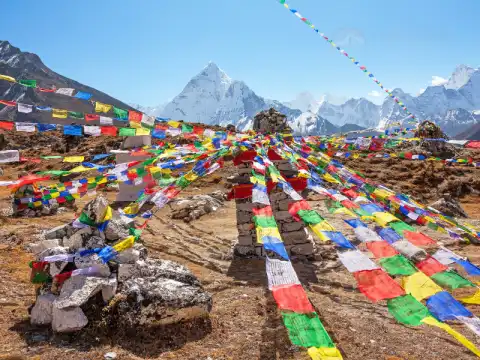
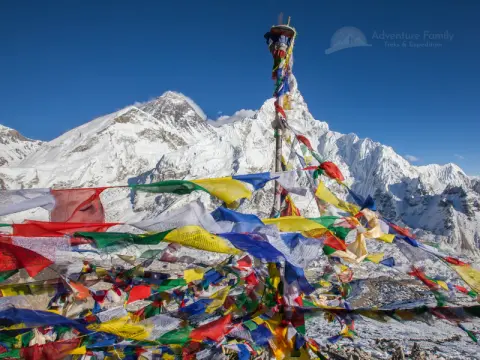
Visibility of the main Everest panorama from viewpoints like Tengboche is generally excellent throughout the month, with mid-October often offering the most consistently clear conditions. This is part of why so many classic photographs of the Khumbu — deep blue skies, crisp snow-capped ridgelines — tend to be taken in October.
Trail Conditions
By October, the trail has fully dried out from the monsoon, and the slippery sections that catch out trekkers in September are gone. This is also peak season for yak and porter caravans restocking teahouses ahead of the busy autumn season, so expect to share the trail regularly with pack animals — always step to the uphill side and let them pass.
Above Lobuche, the trail to Gorak Shep crosses loose moraine rock, and shaded sections can carry morning frost until around mid-morning, so trekking poles help with stability on these stretches. Walking pace naturally slows above 4,800 metres, so it's worth building that into your daily expectations rather than fighting it.
Wind Patterns
Prevailing westerly winds through October are part of what keeps the region's skies so clear, sweeping moisture and cloud buildup out of the upper Khumbu. Wind at trail level below 4,000 metres tends to be mild, but it picks up noticeably at higher viewpoints — Kala Patthar and the Everest Base Camp area can see sustained winds strong enough to make exposure uncomfortable, particularly around midday, so dawn visits (when winds are comparatively calmer) are generally preferred for viewing and photography.
Lukla Flights in October
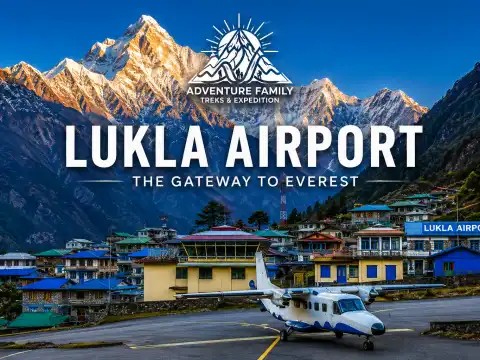
October brings some of the most reliable flying conditions of the year for the Kathmandu–Lukla route, though "reliable" doesn't mean immune to disruption — airport congestion and aircraft scheduling can still cause delays even in clear weather.
A key operational detail: for much of the peak autumn season, Lukla flights are routed through Ramechhap's Manthali Airport rather than Kathmandu's main airport, due to congestion management during the busiest months. This typically means a multi-hour road transfer and a very early hotel pickup to make a morning flight slot, so it's worth confirming your departure airport with your trekking operator in advance rather than assuming a Kathmandu departure.
Morning flights (roughly the first couple of hours after sunrise) tend to have the best reliability, since mountain winds generally build through the day. Booking a buffer day or two at each end of your itinerary is a sensible precaution against unexpected delays, even in October's favorable conditions.
How Busy Is the Trail in October?
October is the busiest month on the Everest Base Camp trail, and it's worth planning around that reality rather than being surprised by it. Certain spots see the heaviest concentration of trekkers:
Kala Patthar at dawn, where dozens of trekkers commonly gather for sunrise
The Everest Base Camp marker itself, where a wait for photos is common during peak weeks
Tengboche's sunrise viewpoint
Accommodation at Lobuche, in particular, can be tight during peak October weeks, since the village has limited lodge capacity relative to demand. Booking well ahead — and being flexible about staying an extra stop lower if needed — helps avoid last-minute scrambling for a bed.
If you'd rather avoid the heaviest crowds while still trekking in good October weather, consider:
Trekking in the first or last week of the month, when volumes are somewhat lower than the mid-month peak
Taking the parallel Gokyo Lakes route, which sees significantly fewer trekkers while offering comparable — some say superior — Everest views from Gokyo Ri
Adding the Three Passes route, which shares the main trail but sees far fewer trekkers above the high passes
Nepal's Biggest Festivals Fall in October
October often overlaps with Dashain and Tihar, two of Nepal's most significant festivals, both tied to the lunar calendar so their exact dates shift year to year.
Dashain, Nepal's largest Hindu festival, typically falls in mid-to-late October. It has a bigger impact on Kathmandu and the wider country than on the Sherpa-majority Khumbu trail itself — expect quieter transit days in Kathmandu, some restaurants operating reduced hours, and tighter domestic flight availability around the main holiday dates.
Tihar, the festival of lights, typically follows in late October into early November, with Kathmandu neighborhoods decorated in marigolds, oil lamps, and rangoli patterns during the celebration.
In the Khumbu itself, October can also coincide with Mani Rimdu, a significant Buddhist festival celebrated at monasteries including Tengboche. It's a multi-day celebration, with masked dances typically performed on the festival's second day, drawing Sherpa families from across the region. Exact dates shift with the Tibetan lunar calendar and often land in late October or early November, so confirm current dates with your trekking operator if attending is a priority — and be aware that Tengboche accommodation fills up quickly around the festival.
Cost of an October Trek
October is peak season, which means it's also the most expensive time of year to trek. Guided package costs typically run higher than the shoulder months of September or early spring, reflecting both higher demand and the premium placed on securing lodge space and flight seats during the busiest weeks.
Beyond the core guided package, budget for costs that aren't always included, such as:
Nepal visa fees
Travel insurance with high-altitude and evacuation coverage
Tips for your guide and porter
Boiled or purified drinking water on the trail, which becomes pricier at higher elevations
Hot showers, Wi-Fi, and device charging above the lower villages
Because pricing and inclusions vary by operator and season, confirm current costs directly with a trekking agency before booking.
Permits Required
Two permits apply to the Everest Base Camp Trek year-round, including in October:
Sagarmatha National Park Entry Permit, obtainable in Kathmandu or at the park entrance near Monjo
Khumbu Pasang Lhamu Rural Municipality Permit, obtainable in Lukla or Monjo
Since April 2023, Nepal has required licensed guides for foreign trekkers in national parks, including the Everest region, so independent trekking without a guide is generally not permitted. Confirm current regulations with the Nepal Tourism Board or your trekking agency before departure, as rules and fees can be updated.
Food and Hydration on the October Trail
October is harvest season in the lower Khumbu valleys, and teahouses along the route are typically at full operation with their broadest menus of the year — fresh vegetables, apples, and dairy products arriving steadily from the valleys below. Expect classic trekking staples like dal bhat, thukpa, and fried rice, along with regional treats like apple pie in the higher villages.
Hydration matters more in October than the mild daytime temperatures might suggest. Cold, dry mountain air increases fluid loss even when you don't feel especially thirsty, and trekkers who managed fine on lower water intake in warmer months can end up under-hydrated in October's crisp air. Aim for a steady intake throughout the day rather than only drinking when thirsty, and keep an eye on urine color as a simple hydration check.
Altitude Sickness: Don't Let Good Weather Lull You
Counterintuitively, October's excellent weather can work against safe acclimatization. Clear skies and easy walking conditions can tempt trekkers to move faster than they should, skip planned rest days, or underestimate how seriously to take mild symptoms — since there's no rain or fog forcing a slower pace as a natural check.
The standard precautions still apply regardless of how good the weather looks:
Take your scheduled acclimatization days at Namche Bazaar and Dingboche
Follow the "climb high, sleep low" principle on day hikes
Stay well hydrated, especially given October's dry air
Take any symptoms — headache, nausea, dizziness — seriously, and descend if they worsen
Medical posts operated by organizations like the Himalayan Rescue Association are typically staffed during the autumn season at stops like Pheriche, offering altitude briefings and support if needed.
October vs November: Which Should You Choose?
October and November are often compared directly, since both fall within the stable autumn season. Broadly:
October tends to have slightly milder daytime temperatures, the busiest trail conditions of the year, and a higher chance of overlapping with Mani Rimdu, Dashain, or Tihar.
November tends to bring colder nights — particularly at higher elevations — but a noticeably quieter trail and somewhat easier last-minute booking, since peak demand has passed.
If clear weather and festival timing matter most to you, October is generally the stronger pick. If you'd rather trade a few degrees of nighttime cold for thinner crowds and more flexible lodge availability, November is worth serious consideration.
What to Pack for an October Trek
Given the wide swing between daytime warmth and nighttime cold — which can span 20°C or more in a single day — layering is essential rather than optional:
Moisture-wicking base layers, ideally more than one set
A warm insulated jacket (down rated for sub-zero comfort) for evenings and higher elevations
A fleece or synthetic mid-layer to bridge base layers and your outer jacket
A wind-resistant outer shell, since wind — not rain — is the bigger concern in October
A sleeping bag rated for sub-zero temperatures, particularly for the later stages of the trek
Insulated gloves plus a thinner liner pair for more dexterity during active walking
Sun protection — category 4 glacier-rated sunglasses, sunscreen, and a hat — since UV exposure at altitude is intense under October's clear skies
Waterproof, broken-in hiking boots
A headlamp for early starts, particularly for sunrise at Kala Patthar
Heavy rain gear and crampons are generally unnecessary for the standard route in October, though crampons or microspikes may be worth carrying if you're extending into the Three Passes or Cho La routes late in the month, when residual snow can linger at the highest points.
Frequently Asked Questions
Is October the best month for the Everest Base Camp Trek? Many trekkers and guides consider October the single best month, thanks to its stable weather, clear mountain views, high Lukla flight reliability, and overlap with major Nepali festivals — though it comes with peak crowds and peak pricing.
What is the weather like on the Everest Base Camp Trek in October? Daytime temperatures generally range from around 10°C to 16°C in the lower villages, cooling toward 0–2°C near Gorak Shep. Nights can drop to -10°C to -13°C at higher elevations, and rainfall is minimal throughout the month.
Is October a crowded time to trek Everest Base Camp? Yes, October is the busiest month on the trail. Lodge space at Lobuche and Gorak Shep can be tight, and popular viewpoints like Kala Patthar draw large groups at dawn. Booking well ahead is recommended.
What festivals happen during an October Everest Base Camp trek? Dashain and Tihar, two of Nepal's biggest festivals, often fall in October, along with Mani Rimdu, a significant Sherpa Buddhist festival typically celebrated at Tengboche Monastery in late October or early November.
Are Lukla flights reliable in October? Generally, yes — October has some of the highest on-time rates of the year. Note that flights are often routed through Ramechhap's Manthali Airport rather than Kathmandu during peak season, requiring an early road transfer.
How much does an October Everest Base Camp trek cost? Costs are typically highest in October due to peak demand, though exact pricing varies by operator and inclusions. Confirm current rates with a trekking agency before booking.
What should I pack for an October Everest Base Camp trek? Layered clothing built around a warm insulated jacket, a sub-zero-rated sleeping bag, wind-resistant outer layers, sun protection, and broken-in waterproof boots are all essential given the large daily temperature swings.
Is October or November better for the trek? October offers milder temperatures and a chance to catch Mani Rimdu, Dashain, or Tihar, but it's the busiest and most expensive month. November offers a quieter trail and easier booking, at the cost of colder nights.