Why You Should Trek to Everest Base Camp in October
29 Sep 2026
October is widely considered the best month to trek Everest Base Camp. Here's why — from stable weather and clear mountain views to Nepal's biggest festivals.

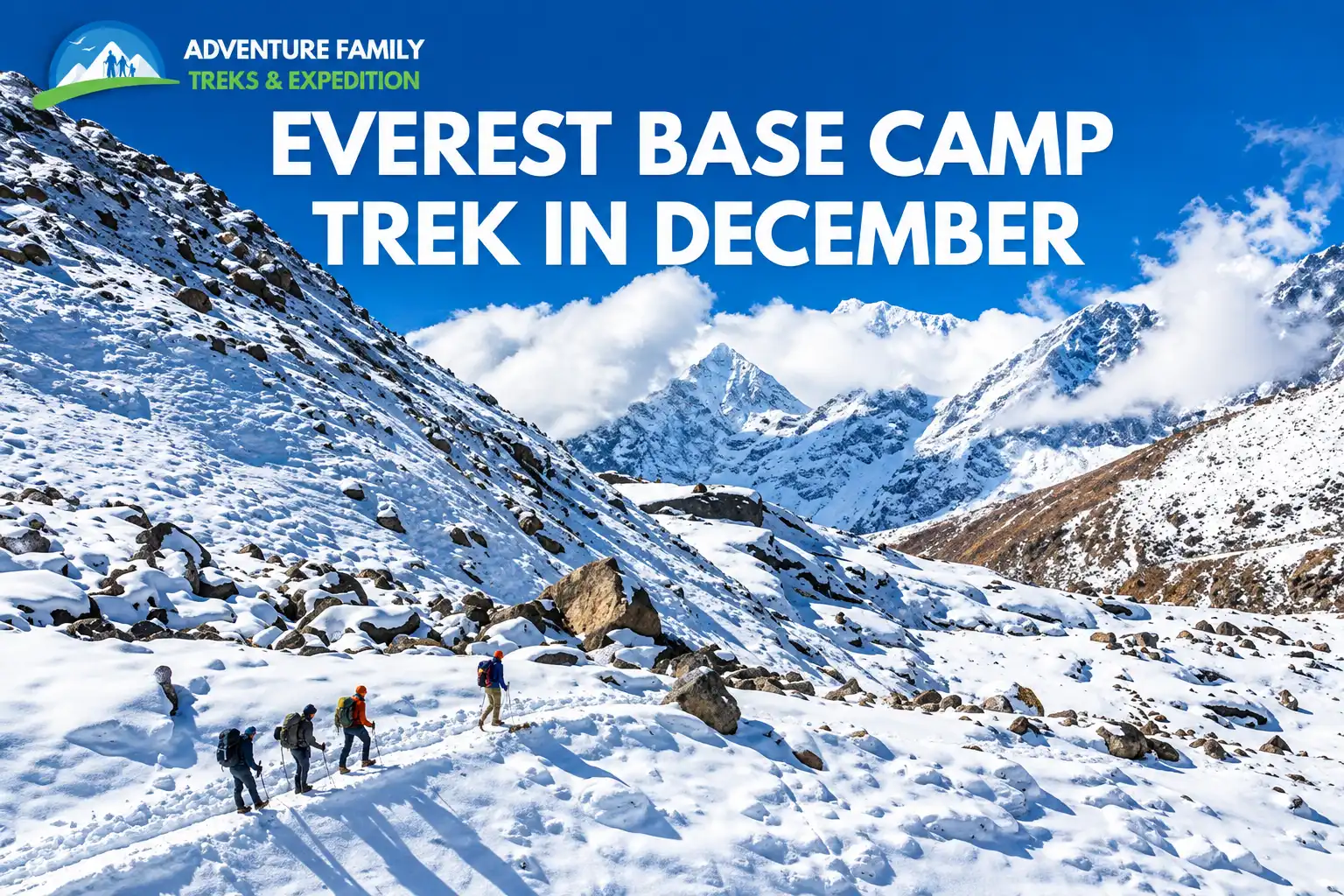
December is the trek for people who want the Everest Base Camp experience stripped down to its essentials: clear skies, empty trails, and genuine winter conditions. It's not the easiest month to attempt the trek, but for well-prepared trekkers, it offers something October and November simply can't — a nearly solitary walk through one of the world's most famous mountain landscapes.
This guide covers what to actually expect from a December trek to Everest Base Camp: weather, flights, teahouse availability, cost, and what you need to pack to do it safely.
December works well for trekkers who prioritize clear mountain views and solitude over comfort, and who come prepared for genuine winter cold. Rainfall is minimal, visibility is often excellent, and the trail carries far fewer people than any other month outside the summer monsoon. The trade-off is real: nighttime temperatures drop well below freezing, some teahouses reduce services or close for the season, and the margin for error on gear and preparation narrows considerably compared to autumn or spring.
December is generally considered more suitable for trekkers with some prior high-altitude or winter trekking experience than for first-timers attempting their first multi-day trek.
Temperatures drop sharply with elevation, and the gap between day and night grows wider as you climb. Approximate ranges, acknowledging that figures vary somewhat by source and by exactly where you are in the month:
| Village | Altitude | Typical Day | Typical Night |
|---|---|---|---|
| Lukla | 2,860m | 5–12°C | -5–2°C |
| Namche Bazaar | 3,440m | 0–9°C | -6–-10°C |
| Tengboche | 3,867m | -2–5°C | -8–-15°C |
| Dingboche | 4,410m | -5–0°C | -15–-20°C |
| Lobuche | 4,940m | -10–-5°C | -20–-25°C |
| Gorak Shep / EBC | 5,164m | -10–-5°C | -20–-25°C |
Early December tends to feel noticeably milder than late December, as the month marks a genuine transition deeper into winter. Days are usually dry and often sunny, with snow rather than rain falling on the upper trail sections when weather does move in.
December typically brings more frequent snowfall than November, particularly above Dingboche and around Tengboche Monastery, adding a striking, picturesque quality to the landscape. Trails above this point can be snow-covered or icy depending on recent weather, which slows walking pace and makes trekking poles and sturdy, well-broken-in boots especially important.
Bad weather events that fully close the trail or ground flights for multiple days are relatively rare, but they do happen, so building flexibility into your schedule matters more in December than in the busier autumn months.
Here's where December offers a genuine upside over October and November: because trekker volume drops sharply in winter, Lukla flights typically operate directly out of Kathmandu rather than being rerouted through Ramechhap's Manthali Airport, which is used to manage congestion during the busier autumn season. That means no multi-hour pre-dawn road transfer — just a short flight from Kathmandu's domestic terminal.
Flights also tend to be easier to book on short notice in December, simply because fewer people are trying to fly in and out at the same time. That said, winter fog and wind can still delay or cancel morning flights, so it's still wise to build at least two buffer days into your itinerary, particularly at the end of your trip.
December is the start of the winter off-season, and it shows. Trails are far quieter than during October or November, with popular viewpoints like Kala Patthar seeing only a fraction of the autumn crowds at dawn.
The trade-off is accommodation. Many teahouses — particularly at higher elevations like Lobuche and Gorak Shep — reduce their services or close entirely for the winter season, since demand drops too low to justify staying open. The villages on the standard route generally retain at least some open lodges throughout December, but choices narrow considerably compared to peak season, and amenities like hot showers, reliable Wi-Fi, and varied menus become less consistent the higher you go.
It's worth confirming with your guide or operator which specific teahouses are open along your planned route before departure, since this can shift from year to year and even week to week in December.
Because December falls outside peak demand, guided trek costs are typically lower than during October or November. That said, any savings can be partly offset by the cost of proper winter-specific gear — a warmer sleeping bag, heavier insulated layers, and winter-grade boots — if you don't already own it. Exact pricing varies by operator and specific dates, so confirm current rates directly before booking.
Altitude sickness remains a serious consideration in December, and cold weather adds complications on top of the standard risks. Cold, dry air increases dehydration, which can accelerate the onset of acute mountain sickness (AMS), while the instinct to walk faster to stay warm works against the slow, steady pace that proper acclimatization requires.
Medical support along the route also thins out in winter: organizations like the Himalayan Rescue Association typically wind down their seasonal medical posts, such as the one at Pheriche, as winter sets in, meaning less immediate backup support than during the busier autumn season. Given this, hiring an experienced, licensed guide is especially important for a December trek — both for navigation in potential snow conditions and for recognizing and responding to altitude or cold-related symptoms early.
December packing needs to go well beyond an autumn gear list, since the temperature swings and genuine winter cold raise the stakes considerably:
Layering remains the core strategy: several adjustable layers let you manage the sharp swing between brisk daytime walking and the serious cold that sets in once the sun drops.
December rewards experienced trekkers and photographers chasing the clearest skies and quietest trails of the year. It's a strong fit if you:
It's generally less suited to:
Can you trek to Everest Base Camp in December? Yes. December trekking is possible and can be a rewarding experience for well-prepared trekkers, though it comes with genuine winter cold, potential snow on higher trail sections, and reduced teahouse availability at the highest elevations.
How cold does it get on the EBC trek in December? Daytime temperatures generally range from around 5–12°C in the lower villages down to below freezing near Gorak Shep, while nighttime temperatures can fall to -20°C or colder at the highest points of the trek.
Are Lukla flights reliable in December? Generally yes, and flights typically operate directly from Kathmandu rather than being rerouted through Ramechhap, since winter trekker volume is much lower than during peak season. Winter fog can still cause delays, so buffer days are recommended.
Are teahouses open along the EBC route in December? Many are, though services reduce and some lodges — particularly at higher elevations like Lobuche and Gorak Shep — close for the winter season. Confirm current openings with your guide or operator before departure.
Is December cheaper than October or November for the EBC trek? Generally yes, since December falls outside peak demand. Any savings can be partly offset by the cost of proper winter-grade gear if you need to buy or rent it.
Is December trekking safe for beginners? It's generally considered more suitable for trekkers with some prior high-altitude or winter trekking experience, since the cold, potential snow, and reduced support services raise the stakes compared to the more forgiving autumn and spring seasons.
Do I need a guide for a December trek? Yes — guides are required by Nepali regulation for foreign trekkers in national parks, and this matters even more in December given potential snow conditions and reduced medical support along the route.
What's the biggest advantage of trekking in December? Exceptionally clear skies, minimal crowds, and — unlike the busier autumn months — Lukla flights that typically operate directly from Kathmandu rather than requiring a long road transfer to Ramechhap.
October is widely considered the best month to trek Everest Base Camp. Here's why — from stable weather and clear mountain views to Nepal's biggest festivals.
November offers Everest Base Camp trekkers October's clear skies with thinner crowds and lower costs — and it's also prime time for climbing nearby 6000m trekking peaks like Island Peak.
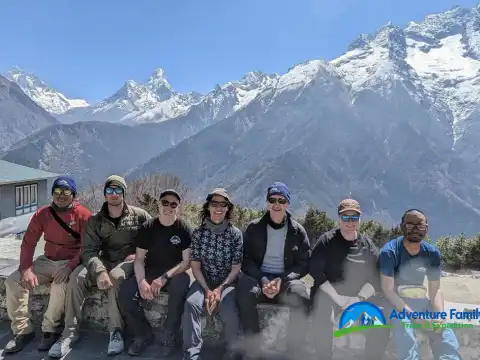
The Everest Base Camp Trek is one of the most iconic trekking adventures in the world, attracting travelers who dream of walking through the Himalayas, exploring Sherpa villages, visiting ancient monasteries, and standing beneath the world's highest mountain, Mount Everest (8,848.86 m).
