The Khumbu region is internationally renowned for its breathtaking Himalayan landscapes, legendary trekking routes, and Mount Everest. However, beyond its towering peaks lies a vibrant cultural heritage deeply rooted in Tibetan Buddhism and Sherpa traditions. Throughout the year, monasteries, villages, and mountain communities come alive with colorful festivals that celebrate spirituality, history, family, and community.
Festivals in the Khumbu region are more than religious ceremonies. They are opportunities for local people to gather, offer prayers, perform traditional dances, honor Buddhist teachings, and preserve centuries-old customs passed down through generations. Visitors trekking in the Everest region during these celebrations gain a unique opportunity to experience the rich cultural side of the Himalayas.
Whether you are trekking to Everest Base Camp, exploring the Gokyo Valley, or visiting traditional Sherpa villages, participating in a local festival can make your journey even more memorable.
Mani Rimdu Festival
Mani Rimdu is the most famous and important festival celebrated in the Khumbu region. This sacred Buddhist festival is held annually at Tengboche Monastery and Chiwong Monastery, attracting monks, Sherpa families, trekkers, and pilgrims from across Nepal and beyond.
The festival usually takes place during October or November according to the Tibetan lunar calendar. It commemorates the establishment of Buddhism and the triumph of wisdom over ignorance.
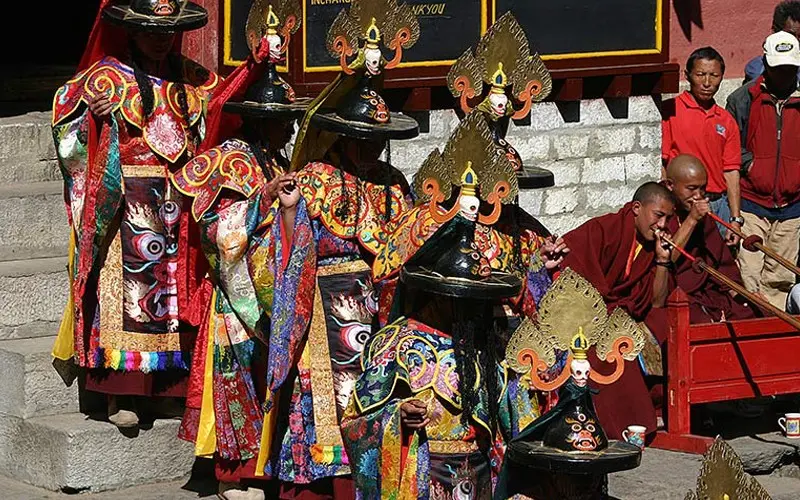
One of the highlights of Mani Rimdu is the vibrant masked dance performed by monks. Wearing elaborate costumes and colorful masks, they reenact ancient Buddhist stories through ritual dances accompanied by traditional music and chanting.
Visitors also witness blessing ceremonies, sand mandalas, sacred prayers, and community gatherings, making Mani Rimdu one of the most rewarding cultural experiences in the Everest region.
Dumji Festival
Dumji is another major Sherpa festival celebrated throughout the Khumbu Valley. Villages such as Namche Bazaar, Khumjung, Pangboche, and Thame organize festivities that bring together local communities.
The festival honors Guru Rinpoche, who introduced Buddhism to the Himalayan region. Families gather to offer prayers, visit monasteries, perform religious rituals, and celebrate with traditional food, music, and dances.
Dumji also strengthens social bonds, as relatives return to their home villages to celebrate together. The festival reflects the Sherpa community's strong emphasis on unity, gratitude, and spiritual devotion.
Losar: The Sherpa New Year
Losar marks the beginning of the Tibetan New Year and is one of the happiest celebrations in the Khumbu region.
Homes are cleaned and decorated before the festival, symbolizing the removal of negativity and welcoming good fortune for the coming year. Families prepare traditional meals, visit monasteries, exchange greetings, and offer prayers for health, prosperity, and peace.
Monasteries become centers of celebration as monks conduct special ceremonies, while villagers wear traditional clothing and gather for cultural performances.
For trekkers visiting during Losar, the festive atmosphere provides an excellent opportunity to experience authentic Sherpa hospitality.
Buddha Jayanti
Buddha Jayanti commemorates the birth, enlightenment, and passing of Gautama Buddha. It is celebrated with great devotion throughout Nepal, including the monasteries of the Khumbu region.
Monks conduct special prayers, recite sacred scriptures, light butter lamps, and organize religious processions. Local residents visit monasteries to receive blessings and make offerings.
The peaceful atmosphere surrounding Buddha Jayanti reflects the Buddhist values of compassion, wisdom, and mindfulness that shape everyday life in the Everest region.
Lhosar Celebrations in Sherpa Communities
Although Losar is widely known as the Tibetan New Year, Sherpa communities celebrate it with distinctive local customs that reflect their unique cultural identity.
Traditional dances, music, family reunions, and communal feasts form an important part of the celebration. Elders bless younger family members, while monasteries host religious ceremonies that mark the beginning of a prosperous new year.
The celebration reinforces cultural identity and strengthens relationships within mountain communities.
Saga Dawa
Saga Dawa is among the holiest months in Tibetan Buddhism and is observed by many Sherpas in the Khumbu region.
The festival commemorates Buddha's birth, enlightenment, and passing. During this period, many devotees increase acts of generosity, compassion, and prayer. Pilgrimages, monastery visits, butter lamp offerings, and scripture recitations are common practices.
Many local people choose to avoid harming living beings during Saga Dawa, emphasizing kindness and spiritual merit.
Yartung Festival
Yartung is a traditional Himalayan celebration held after the busy agricultural season and climbing period. Although more prominent in some Himalayan districts, Sherpa communities in parts of the Everest region also celebrate the festival.
The festivities include horse riding, archery, cultural dances, songs, and communal gatherings. It serves as an occasion to celebrate successful harvests, safe mountaineering seasons, and community unity.
Visitors may also enjoy local food and traditional music during the celebrations.
Prayer Ceremonies Before Climbing Expeditions
Before climbing Everest or other Himalayan peaks, Sherpa guides and expedition teams participate in a sacred Puja ceremony.
The ceremony is usually performed at Everest Base Camp or nearby monasteries. Buddhist monks bless climbing equipment, offer prayers for safety, and seek protection from mountain deities before climbers begin their ascent.
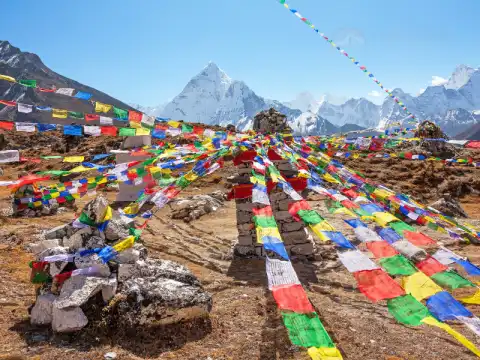
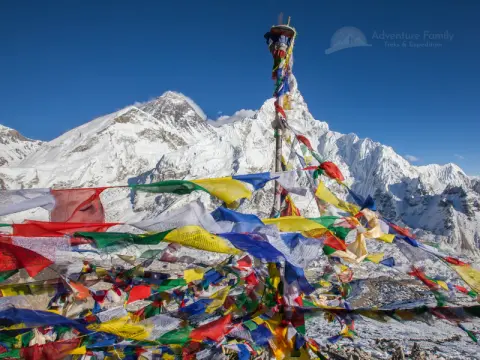
Colorful prayer flags are raised around the altar, and offerings such as rice, butter, incense, and traditional foods are presented during the ritual.
Although not a public festival, the Puja ceremony remains one of the most meaningful cultural traditions in the Everest region.
Monastery Festivals Across the Khumbu
Many monasteries throughout the Khumbu region organize annual religious festivals and prayer ceremonies.
Monasteries in Tengboche, Pangboche, Thame, Khumjung, and Namche Bazaar host gatherings where monks perform rituals, chant scriptures, and bless local residents and visitors.
These events provide opportunities to learn about Himalayan Buddhism while experiencing the peaceful spiritual atmosphere that defines the Everest region.
Traditional Music and Dance
Music and dance play an important role in Khumbu festivals.
Monks perform sacred masked dances that symbolize the victory of wisdom over evil. Villagers participate in traditional Sherpa dances accompanied by long horns, drums, cymbals, and chanting.
These performances preserve centuries-old cultural traditions and remain a highlight for visitors attending local festivals.
Traditional Foods During Festivals
Festivals are also occasions for sharing traditional Sherpa cuisine.
Families prepare dishes such as momo, thukpa, tsampa, Sherpa stew, butter tea, and freshly baked bread. Guests are welcomed warmly, reflecting the region's culture of generosity and hospitality.
Food serves not only as nourishment but also as a symbol of community and celebration.
Why Experience a Festival During Your Everest Trek?
Attending a local festival allows trekkers to experience a side of the Everest region that extends beyond its mountains.
Instead of simply walking through villages, visitors can witness authentic cultural traditions, interact with local families, observe Buddhist ceremonies, and gain a deeper understanding of Sherpa life.
These experiences often become some of the most memorable moments of an Everest journey.
Best Time to Experience Festivals in the Khumbu Region
Autumn is generally the best season for witnessing major festivals such as Mani Rimdu, while Losar is celebrated during late winter or early spring according to the Tibetan calendar.
Because festival dates follow the lunar calendar, they vary slightly each year. Travelers planning a cultural trekking experience should check festival dates before booking their trip.
Conclusion
The festivals of the Khumbu region reflect the deep spiritual beliefs, rich traditions, and close-knit communities that define life beneath the world's highest mountains. From the colorful masked dances of Mani Rimdu to the joyful celebrations of Losar and the sacred Puja ceremonies before Everest expeditions, each festival offers visitors a unique glimpse into Sherpa culture and Himalayan Buddhism.
For trekkers seeking more than spectacular scenery, timing a visit to coincide with one of these festivals provides an unforgettable opportunity to experience the living traditions of the Everest region. Alongside breathtaking mountain views, these celebrations reveal the heart and soul of the Khumbu Valley, making every journey even more meaningful.