
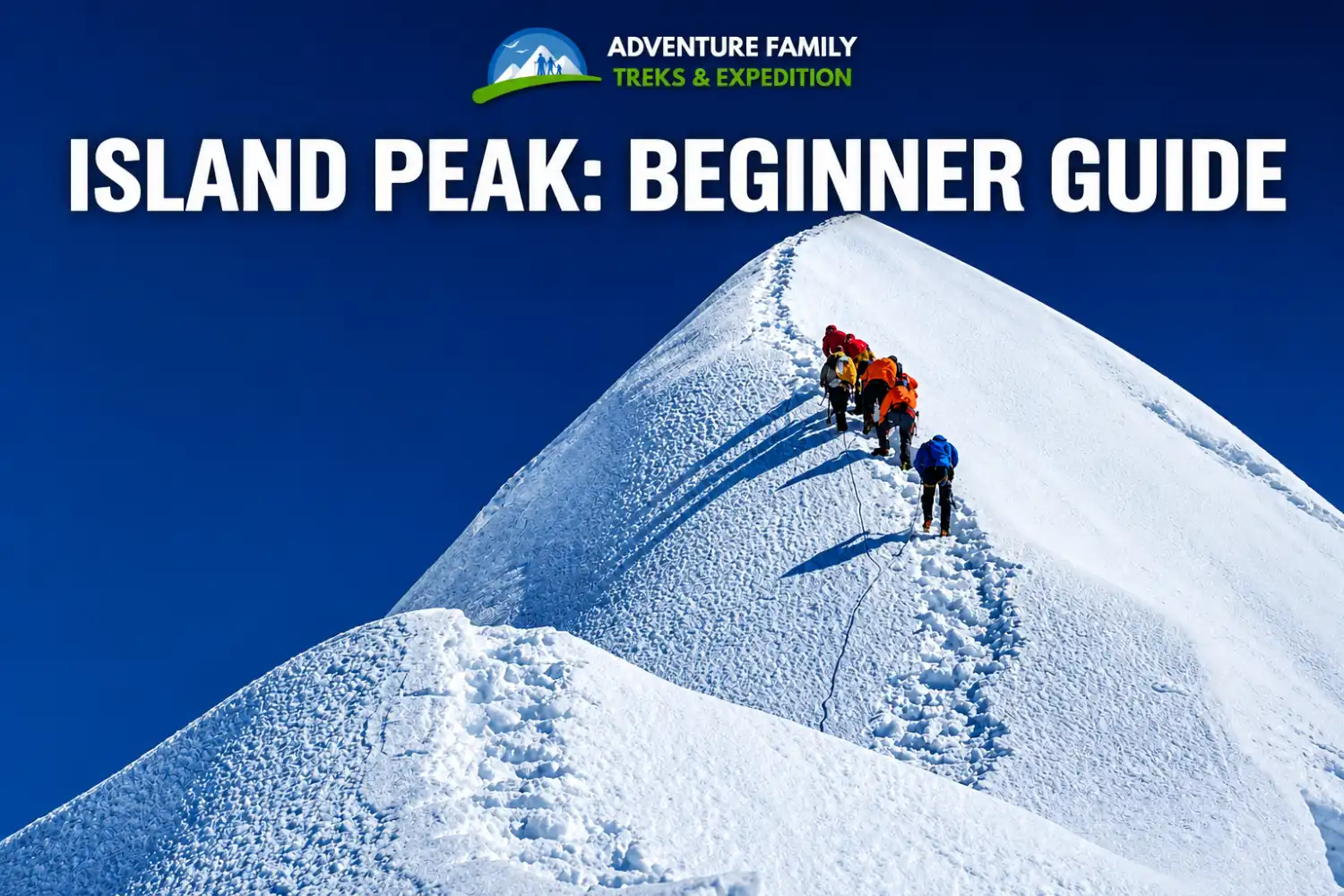
For many adventure enthusiasts, climbing a Himalayan peak is a lifelong dream. While Mount Everest may seem out of reach for beginners, Island Peak offers an achievable and rewarding introduction to high-altitude mountaineering. Standing at 6,189 meters (20,305 feet), Island Peak is one of Nepal's most popular climbing peaks and is often considered the perfect first Himalayan summit for aspiring climbers.
Located in the heart of the Everest region, Island Peak combines breathtaking mountain scenery with an exciting climbing experience. The journey includes trekking through traditional Sherpa villages, crossing suspension bridges, exploring ancient monasteries, and finally ascending a glacier to reach one of Nepal's most spectacular viewpoints.
Although Island Peak is regarded as beginner-friendly among expedition peaks, it is still a challenging climb that requires physical fitness, determination, and basic mountaineering skills. This guide explains everything beginners need to know before attempting Island Peak.
Island Peak, officially known as Imja Tse, is located in the Khumbu region of eastern Nepal within Sagarmatha National Park. The mountain rises above the Imja Valley and is surrounded by some of the world's highest peaks, including Mount Everest, Lhotse, Nuptse, Ama Dablam, Makalu, and Baruntse.
The name "Island Peak" was given by members of the 1953 British Everest Expedition because the mountain appeared like an island rising from a sea of ice when viewed from Dingboche.
Today, Island Peak is one of Nepal's most climbed trekking peaks and serves as an ideal introduction to Himalayan mountaineering.
Yes, Island Peak is considered one of the best climbing peaks for beginners with good physical fitness and a willingness to learn mountaineering techniques.
Unlike technical alpine climbs that require years of experience, Island Peak allows first-time climbers to develop practical skills under the guidance of experienced climbing guides.
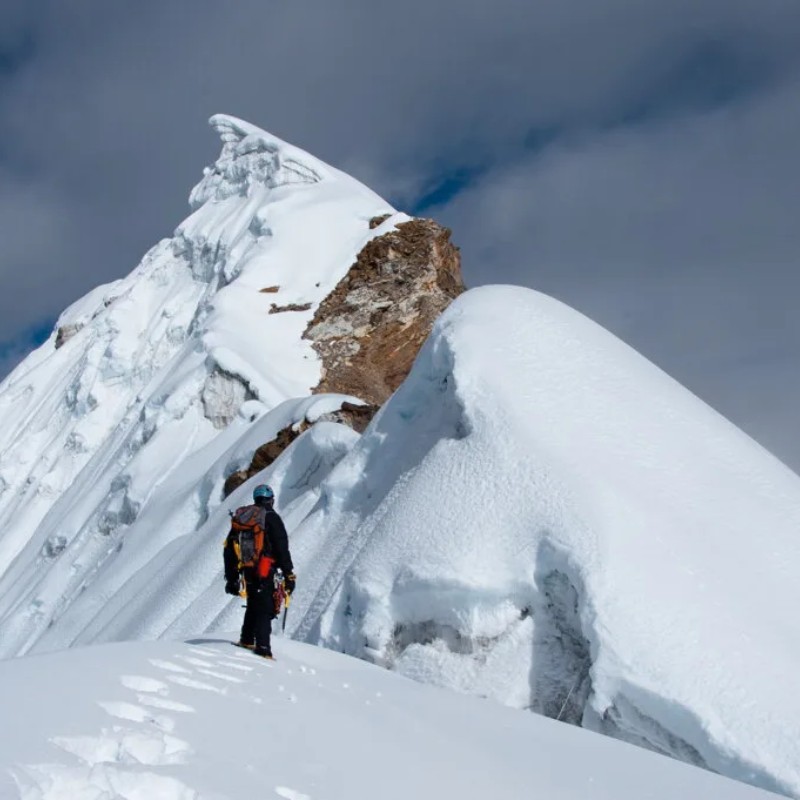
However, beginners should understand that this is not simply a trekking adventure. Climbers must travel on glaciers, use climbing equipment, and ascend steep snow slopes before reaching the summit.
With proper preparation, guidance, and acclimatization, many first-time mountaineers successfully climb Island Peak each year.
Previous climbing experience is helpful but not essential.
Many expedition companies provide a pre-climb training session at Island Peak Base Camp where guides teach participants how to use climbing equipment safely.
During the training, climbers learn how to walk with crampons, use an ice axe, climb fixed ropes, wear a climbing harness, and safely ascend and descend using mechanical devices.
Learning these skills before summit day helps beginners feel more confident on the mountain.
Island Peak demands excellent physical fitness because the expedition combines several days of trekking with a demanding summit climb.
Climbers should be comfortable walking for six to eight hours each day while carrying a daypack. Good cardiovascular endurance, strong legs, and overall stamina are essential.
Preparing several months before the expedition with hiking, running, cycling, stair climbing, and strength training significantly improves the chances of reaching the summit.
Mental resilience is equally important, as summit day often begins before midnight and can last ten to fourteen hours.
Most Island Peak expeditions begin with the classic Everest Base Camp trekking route.
Trekkers travel through Lukla, Phakding, Namche Bazaar, Tengboche, Dingboche, and Chhukung before reaching Island Peak Base Camp.
After completing climbing training, climbers begin their summit attempt during the early hours of the morning.
The ascent includes rocky trails, glacier travel, snow slopes, fixed ropes, and a steep summit headwall before reaching the top.
Although technically manageable, the combination of altitude and long climbing hours makes the expedition physically demanding.
Island Peak requires specialized mountaineering equipment that is generally provided by trekking agencies or available for rent in Kathmandu.
Essential equipment includes climbing boots, crampons, harnesses, helmets, ice axes, ascenders, carabiners, safety slings, and mountaineering clothing designed for extreme cold.
Learning how to use each piece of equipment before summit day is essential for both safety and confidence.
Altitude is one of the greatest challenges on Island Peak.
The expedition gradually gains elevation through the Everest region to help climbers adapt to thinner air. Rest days in places such as Namche Bazaar and Dingboche allow the body to acclimatize naturally before moving higher.
Ignoring proper acclimatization increases the risk of Acute Mountain Sickness (AMS), which can become dangerous if symptoms worsen.
Listening to your guide and following a gradual ascent schedule greatly improves the chances of a successful climb.
Safety is always the highest priority on Island Peak.
Professional climbing guides monitor weather conditions, assess climbers' health, inspect equipment, and manage rope systems throughout the expedition.
If weather deteriorates or a climber develops altitude-related illness, guides may postpone or cancel the summit attempt to ensure everyone's safety.
Following your guide's instructions at all times is essential for a successful expedition.
Spring and autumn are the best seasons for Island Peak climbing.
Spring offers stable weather, warmer temperatures, blooming rhododendrons, and excellent mountain visibility.
Autumn provides crisp skies, dry conditions, and spectacular panoramic views after the summer monsoon.
Winter climbs are possible but involve colder temperatures and more challenging conditions, while the monsoon season brings heavy rainfall and poor visibility.
Reaching the summit of Island Peak rewards climbers with extraordinary views of the Himalayas.
On a clear day, the summit offers panoramic views of Mount Everest, Lhotse, Nuptse, Ama Dablam, Makalu, Baruntse, and countless surrounding peaks.
The dramatic glaciers, deep valleys, and snow-covered ridges create one of the most unforgettable mountain panoramas in Nepal.
For many beginners, standing on the summit becomes the highlight of their Himalayan adventure.
The greatest challenge is usually the altitude rather than the technical climbing itself.
Cold temperatures, long climbing hours, steep snow slopes, and physical fatigue test both endurance and determination.
Weather conditions can change rapidly, requiring flexibility and patience throughout the expedition.
Good preparation, proper acclimatization, and a positive mindset help overcome these challenges.
Begin your fitness training several months before your expedition and include endurance exercises as well as hill walking.
Choose a reputable trekking company with experienced IFMGA-certified or Nepal government-licensed climbing guides.
Invest in quality clothing and ensure your boots fit comfortably before arriving in Nepal.
Stay well hydrated, eat nutritious meals, and never ignore symptoms of altitude sickness.
Finally, climb at your own pace rather than trying to keep up with others. A slow, steady ascent is the key to success at high altitude.
Island Peak is widely regarded as the best Himalayan climbing peak for beginners. Its combination of accessible technical climbing, spectacular Everest region scenery, and professional guiding support makes it an excellent introduction to mountaineering.
While the climb requires commitment, physical preparation, and respect for the mountains, thousands of first-time climbers successfully reach the summit every year. With proper training, careful acclimatization, and an experienced guide by your side, Island Peak offers an unforgettable opportunity to achieve your first Himalayan summit and begin a lifelong passion for mountain climbing.
